petroleum products
World Data Ocean keeps petroleum products in one place: 8 stories so far. The section currently leads with “Rethinking sanctions on shadow tankers to steady global freight rates”, “Tracking the Shadow Fleet: Sanctions Map 22 Vessels Tied to Iran's Oil Network”, and “Seoul Disputes Ukrainian Data on Fuel Shipments to Russia”. A calibrated adjustment to sanctions on shadow tankers could steady global freight rates by allowing certain previously restricted vessels to carry oil and petroleum products not banned under US sanctions. A Global Hub for Ocean Intelligence 4 World Data Ocean is a centralized digital platform where researchers, scientists, and ocean enthusiasts converge to… The list below is every petroleum products story on World Data Ocean, newest first.
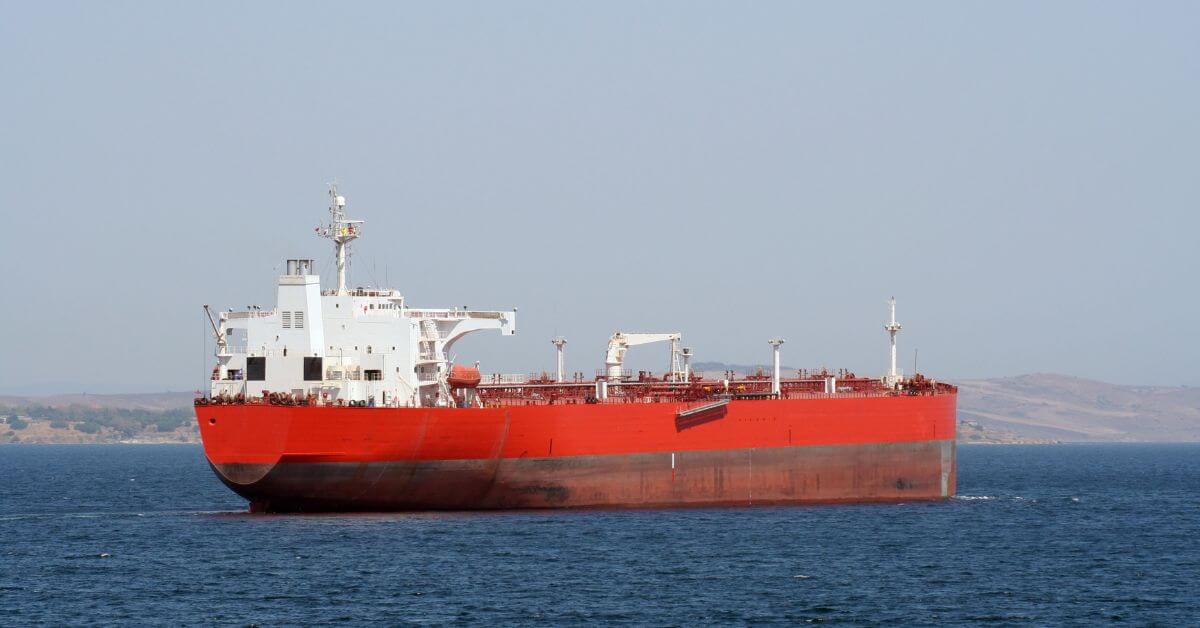
Rethinking sanctions on shadow tankers to steady global freight rates
A calibrated adjustment to sanctions on shadow tankers could steady global freight rates by allowing certain previously restricted vessels to carry oil and petroleum products not banned under US sanctions. This measured approach prioritizes market stability without compromising enforcement integrity. For deeper context on how maritime regulations shape trade friction, our related coverage of "Maritime fees signal friction in trade amid climate and shipping integration" explores similar dynamics.
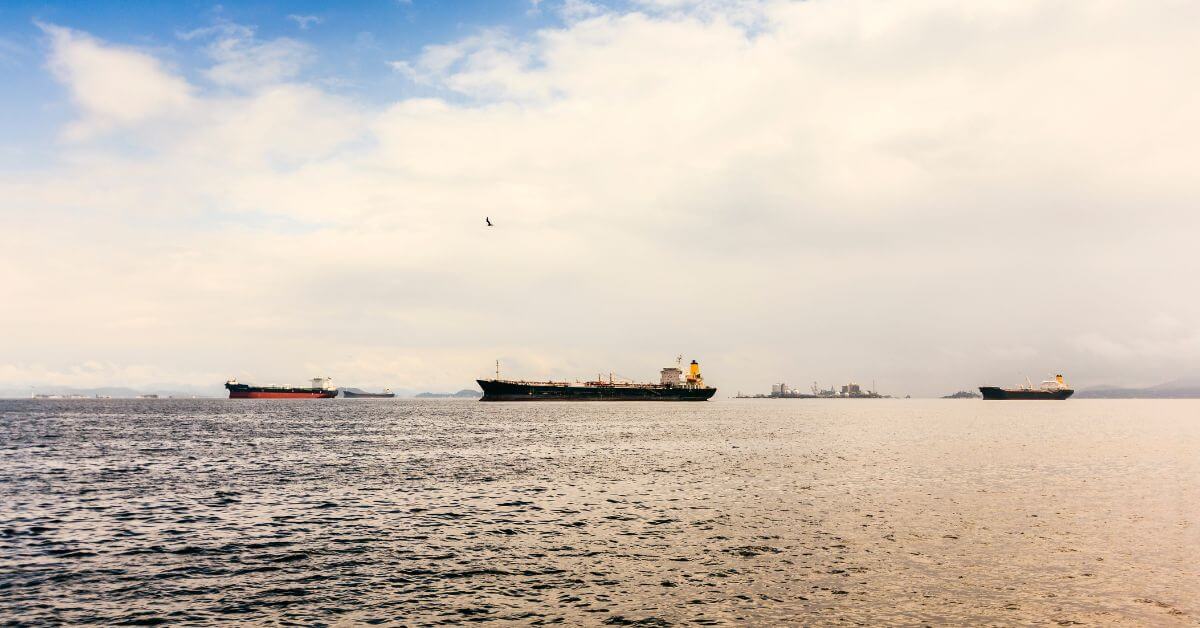
Tracking the Shadow Fleet: Sanctions Map 22 Vessels Tied to Iran's Oil Network
Twenty-two ageing tankers, the core of Iran's remaining shadow fleet, are now mapped and sanctioned. This network moves oil and petroleum products to foreign buyers, circumventing existing restrictions. Tracking these vessels is not academic, it is a measurable step toward enforcing accountability. The recent spike in tanker strikes near the Strait of Hormuz, detailed in our weekly analysis, underscores the escalating risk in these waters. Understanding the fleet's movements is essential for maintaining maritime security.
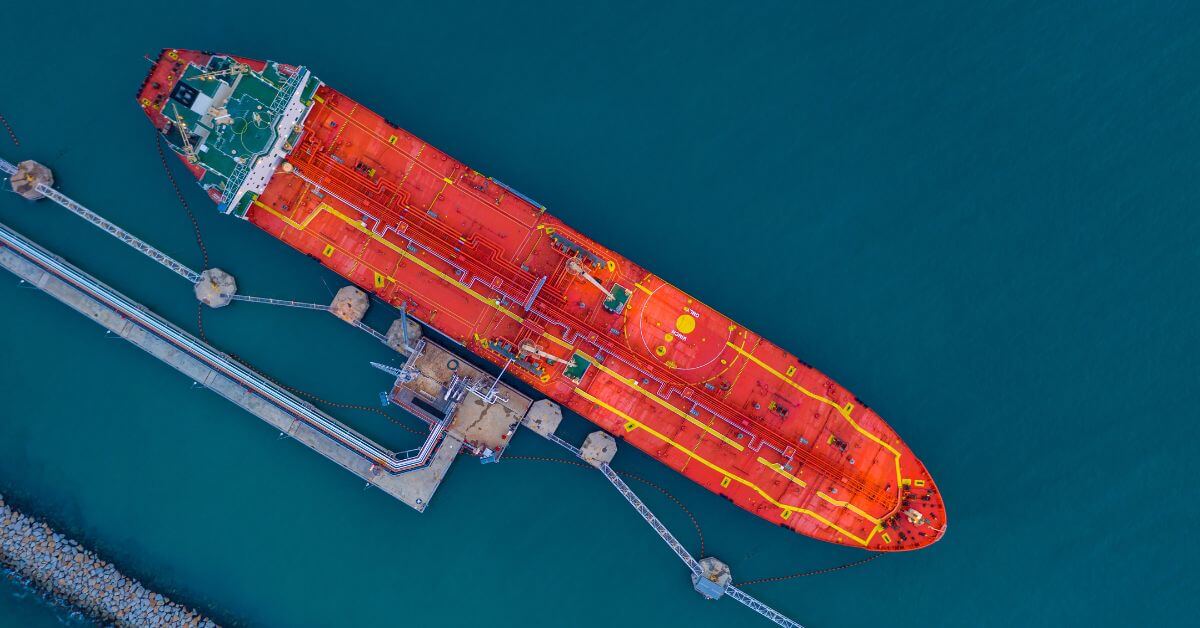
Seoul Disputes Ukrainian Data on Fuel Shipments to Russia
Seoul disputes the numbers, but Ukraine's claim stands unresolved: over 176,000 tonnes of petroleum products reportedly moved from South Korean ports to Russia across July and August. If accurate, the flow raises hard questions about how sanctioned goods continue moving through allied supply chains. The data matters, and so does the transparency gap. For broader context on maritime risk, our coverage of the Black Sea incident offers a parallel look at how quickly commercial shipping can turn volatile.
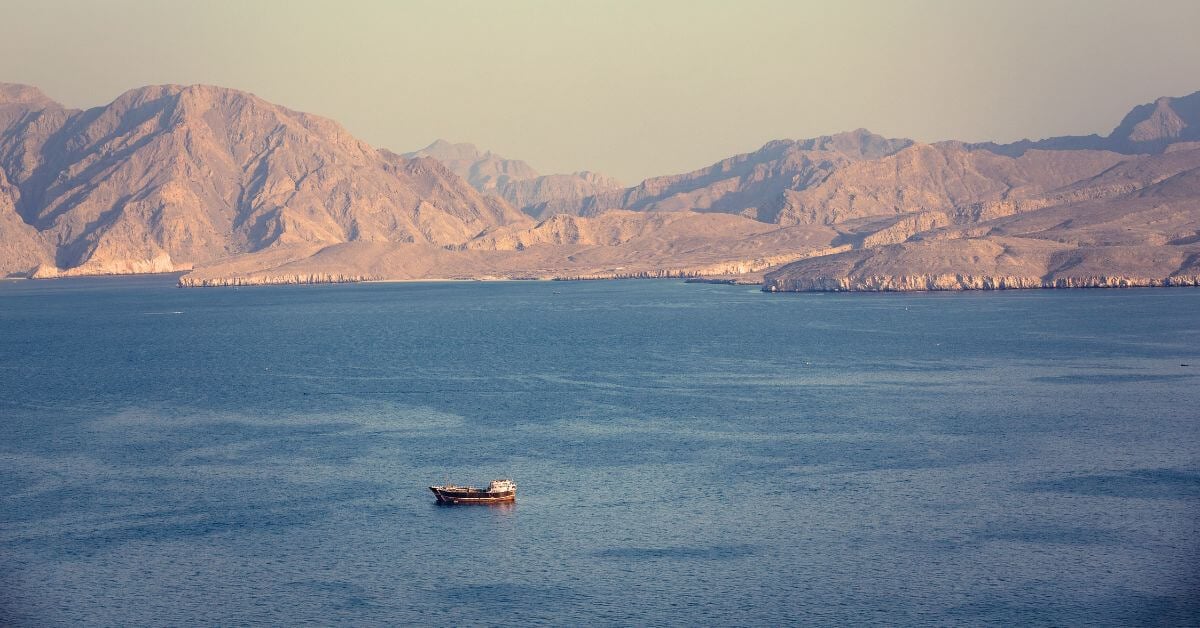
Geopolitical Shifts: Strait of Hormuz Renaming Proposal Sparks Debate
A proposal to rename the Strait of Hormuz has injected geopolitical friction into one of the world's most vital maritime chokepoints. President Trump asserted U.S. control over the strait on Truth Social, questioning whether it should be rebranded. The debate is more than symbolic; it carries real implications for shipping and energy security. For context on the region's mounting pressures, our piece on Gulf of Oman STS transfers maxing out offers a grounded look at the logistical strains nearby. Measured analysis matters here, not hyperbole.

Iran Escalates Strait of Hormuz Control with Shipping Restrictions.
Iran's new Strait of Hormuz authority moved late Sunday to impose shipping restrictions, a warning issued directly via social media. The move tightens control over a waterway that carries roughly a fifth of global oil supply. It is a calculated escalation, one that raises the stakes for every nation dependent on that passage. Coordination matters here; our related coverage on Gulf of Oman STS transfers maxing out underscores how strained regional logistics have already become. The pressure is measurable, and it is mounting.

Rotterdam Refinery Explosion: Incident Highlights Risks in Petrochemical Storage
A fatal explosion at a Port of Rotterdam petroleum storage facility has killed one worker and left six others seriously injured, according to local authorities. The incident underscores the inherent volatility of petrochemical storage, a risk that demands constant vigilance across global supply chains. As we track these operational hazards, related coverage on ship-to-ship transfers in the Gulf of Oman highlights how pressure on fossil fuel logistics continues to mount.

Rhine River Lows: Disruptions Loom for European Supply Chains.
The Rhine's falling water levels are more than a seasonal inconvenience; they are a looming fracture for European logistics. As the river risks splitting into two disconnected zones, the halt of shipping on this critical stretch threatens to sever a vital artery for continental trade. This is a measurable disruption, a clear climate indicator demanding attention. For context on how environmental stress is reshaping global routes, our coverage of reduced canal transits offers a broader perspective.

Ukraine’s Naval Strikes Target Russian Shipping, Disrupting Maritime Trade
Ukraine's latest naval strikes hit five tankers, five dry cargo ships, and a tugboat under Operation "MoLoChKa," a direct challenge to Russian shipping lanes. The action underscores how maritime trade has become a battlefield lever, not just a logistical footnote. It is a calibrated escalation, measured in hulls and cargo holds, aimed at disrupting supply lines that fuel the war effort.