shipping costs
World Data Ocean keeps shipping costs in one place: 5 stories so far. The section currently leads with “Rethinking sanctions on shadow tankers to steady global freight rates”, “Supporting the next generation with a legacy of ocean knowledge”, and “Saudi Arabia Refutes Tanker Acquisition Claims Amid Rising Shipping Costs”. A calibrated adjustment to sanctions on shadow tankers could steady global freight rates by allowing certain previously restricted vessels to carry oil and petroleum products not banned under US sanctions. A Seattle oceanographer is passing along a sizeable textbook collection to a grad student who needs it. A Global Hub for Ocean Intelligence 4 World Data Ocean is a centralized digital platform where researchers, scientists, and ocean enthusiasts converge to… The list below is every shipping costs story on World Data Ocean, newest first.
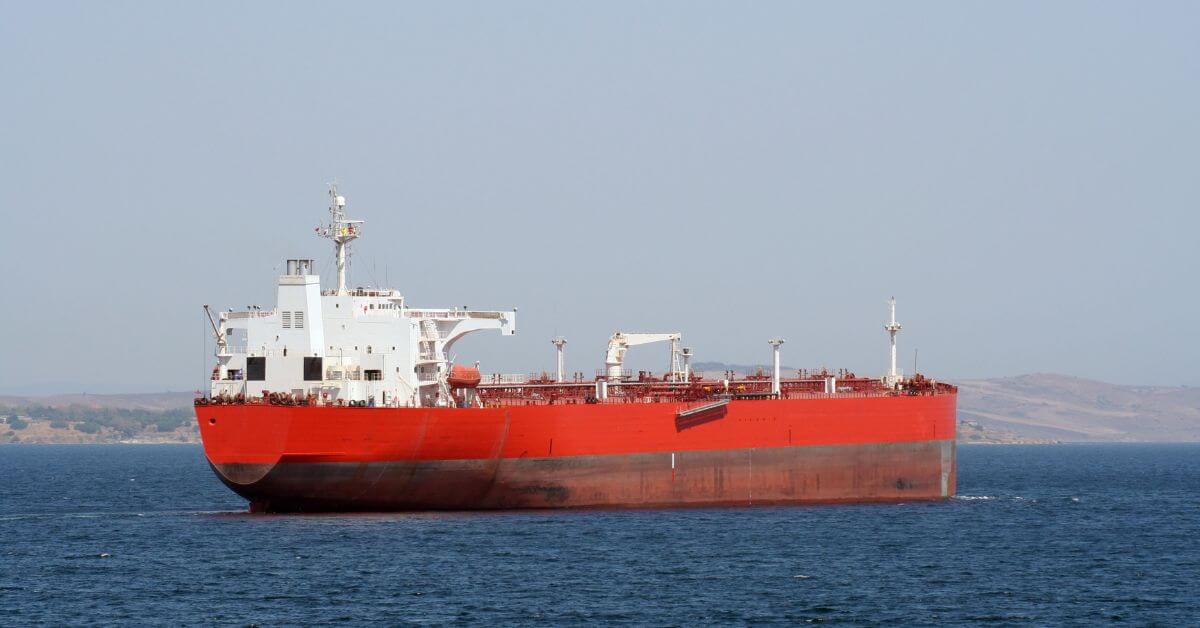
Rethinking sanctions on shadow tankers to steady global freight rates
A calibrated adjustment to sanctions on shadow tankers could steady global freight rates by allowing certain previously restricted vessels to carry oil and petroleum products not banned under US sanctions. This measured approach prioritizes market stability without compromising enforcement integrity. For deeper context on how maritime regulations shape trade friction, our related coverage of "Maritime fees signal friction in trade amid climate and shipping integration" explores similar dynamics.
Supporting the next generation with a legacy of ocean knowledge
A Seattle oceanographer is passing along a sizeable textbook collection to a grad student who needs it. They recall the imposter syndrome and overwhelm of early career research, and how owning those books made the path feel more legitimate. This is a quiet act of legacy, grounded in the reality that science is built on shared tools and mentorship. For those navigating similar doubts, *Charting a Career in Ocean Science Beyond Academia and Research* offers further perspective on building a meaningful path in this field.
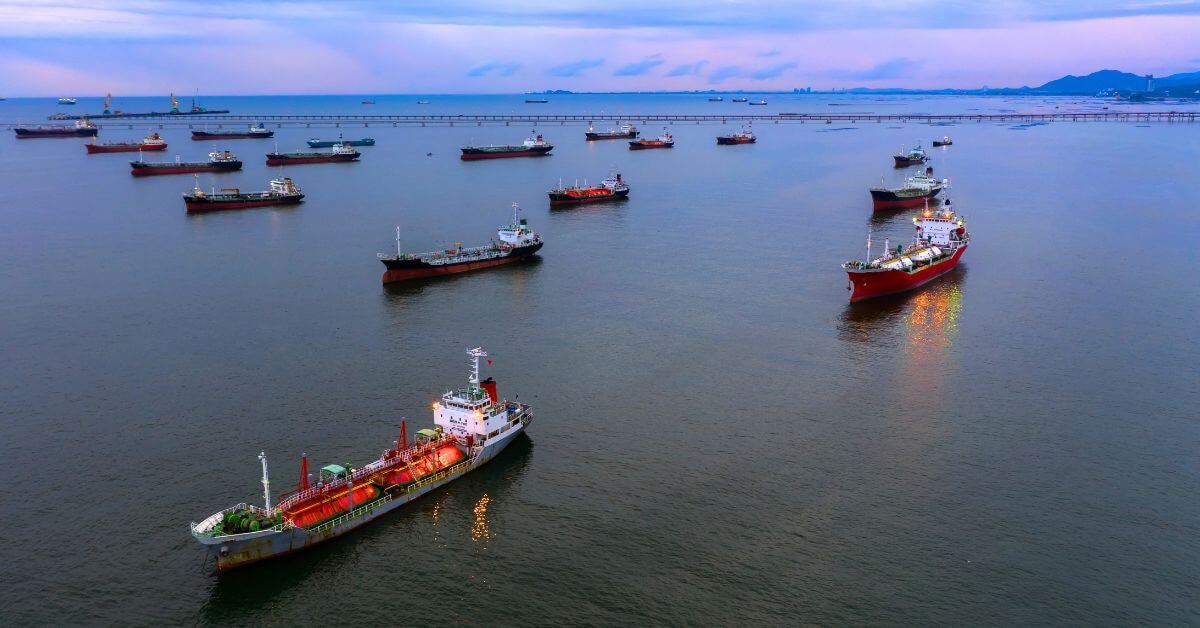
Saudi Arabia Refutes Tanker Acquisition Claims Amid Rising Shipping Costs
Saudi Arabia has denied reports it purchased 25 oil tankers for $4.5 billion, a claim Iraq linked to rising costs for shipping its crude. The denial carries weight in a region where maritime logistics already face intense pressure. With ship-to-ship transfers in the Gulf of Oman reportedly at full capacity, the stakes for transparent energy trade have rarely been higher. Measured communication matters here; the market is watching, and clarity supports stability.

Nigeria Ports Gain U.S. Access: Shipping Costs Set to Decrease
A decade of restricted access ends as the U.S. lifts its safety and security restrictions on Nigerian ports. The move targets reduced shipping costs and a stronger competitive position for a nation long hampered by compliance gaps. It is a practical win for trade efficiency, not a symbolic one. The decision signals measured confidence in Nigeria's maritime oversight. For context on broader maritime shifts, our coverage of India's planned naval expansion offers a timely comparison.

Shipping Costs Surge as Gulf Attacks Impact Crew Availability.
The loss of seafarers' lives in Gulf attacks is no longer a distant risk; it is a measurable cost. Shipping companies are facing surging recruitment expenses as crew availability tightens, a direct consequence of vessels becoming targets in contested waters. This is not abstract market pressure; it is operational reality. The human toll is reshaping commercial calculations. For deeper context on how regional instability compounds these pressures, our coverage of phased negotiations to ease Strait of Hormuz restrictions offers a relevant parallel.