iraq
12 stories filed under iraq on World Data Ocean. The newest of them: “2 million barrels of crude move beyond the Strait of Hormuz in a calibrated shift”, “Chartering tankers through Hormuz to secure India's oil supply chains”, and “Vitol Acquires Substantial Iraqi Crude Volume Amid Price Discrepancies”. A calibrated movement of two million barrels of Iraqi crude has cleared the Strait of Hormuz, executed by the state-owned Iraqi Oil Tanker Company aboard a very large crude carrier. India's refiners are chartering tankers through the Strait of Hormuz, a calculated response to rising risk in a waterway that moves a fifth of global oil. A Global Hub for Ocean Intelligence 4 World Data Ocean is a centralized digital platform where researchers, scientists, and ocean enthusiasts converge to… The list below is every iraq story on World Data Ocean, newest first.
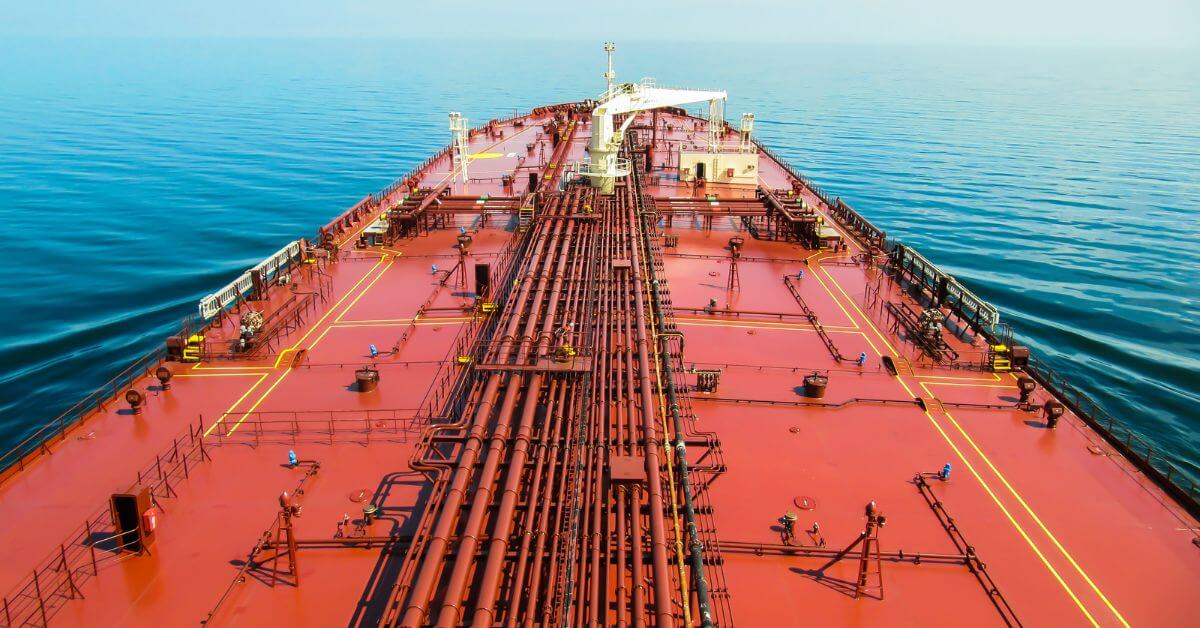
2 million barrels of crude move beyond the Strait of Hormuz in a calibrated shift
A calibrated movement of two million barrels of Iraqi crude has cleared the Strait of Hormuz, executed by the state-owned Iraqi Oil Tanker Company aboard a very large crude carrier. This is not a routine shipment; it is a measured exercise in strategic logistics. As naval defense evolves in the region, covered in our related reporting on laser deterrence, these shifts in energy transit demand the same empirical attention. Understanding drives protection.
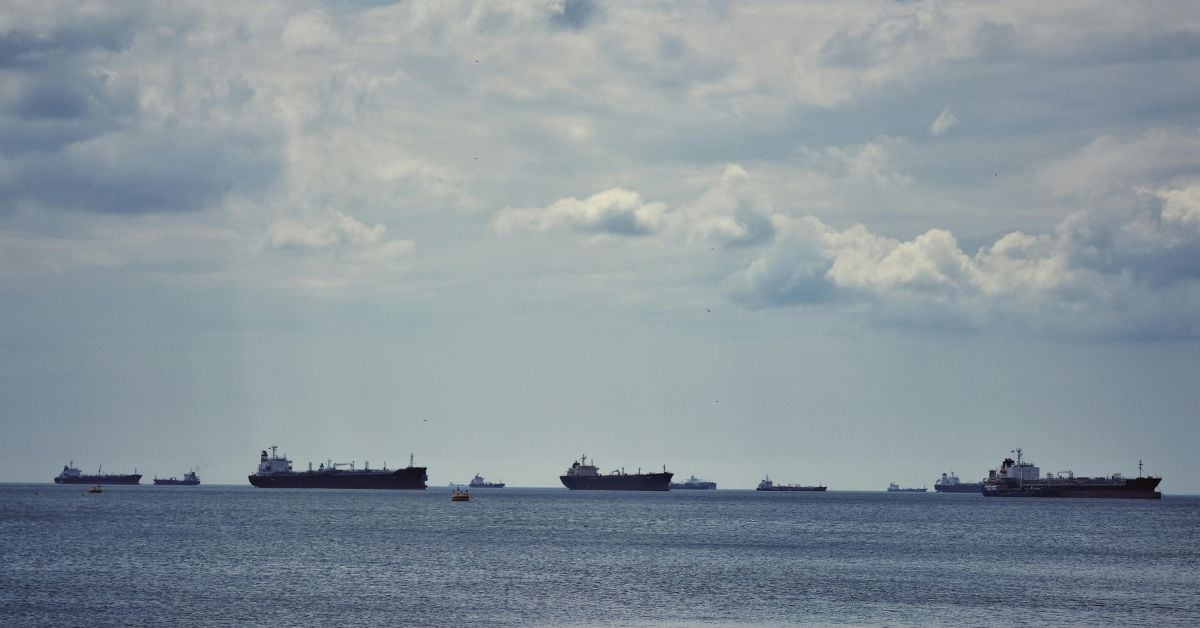
Chartering tankers through Hormuz to secure India's oil supply chains
India's refiners are chartering tankers through the Strait of Hormuz, a calculated response to rising risk in a waterway that moves a fifth of global oil. Rather than deploying their own vessels, they are shifting procurement strategy to secure supply chains with measurable precision. This is not alarm, it is calibrated adaptation. For deeper context on how these disruptions are reshaping global routes, see our related coverage of rising Red Sea crude flows.
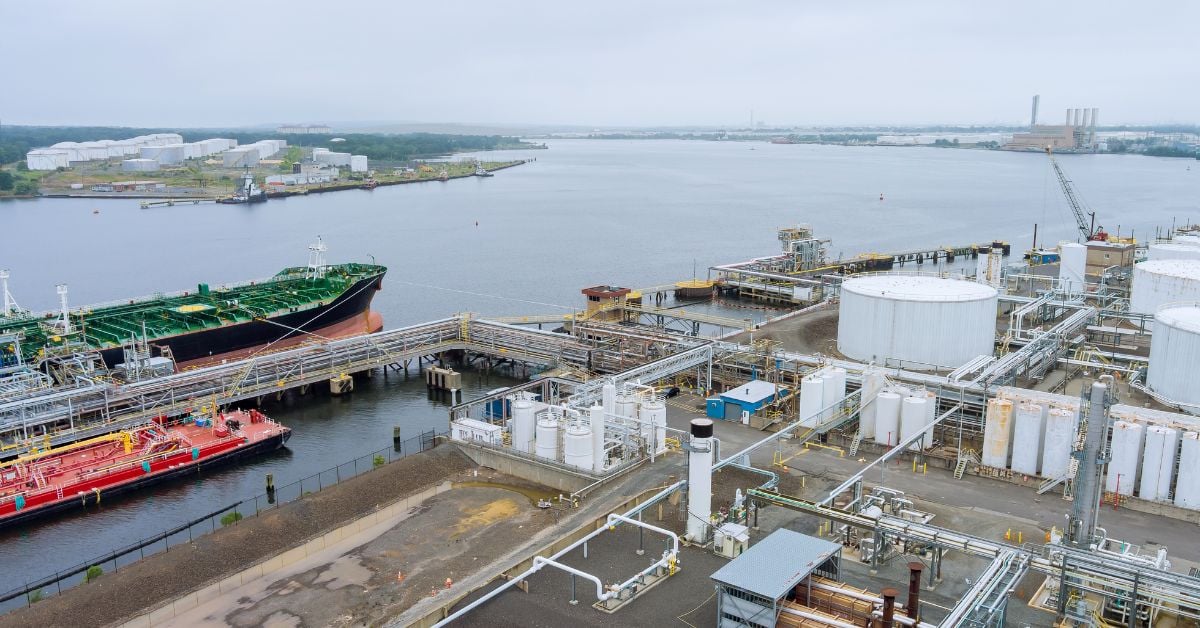
Vitol Acquires Substantial Iraqi Crude Volume Amid Price Discrepancies
Vitol's move to secure 25 to 30 million barrels of discounted Iraqi crude this month signals a sharp reading of market imbalances, and it's a calculated bet worth watching. Price discrepancies like these reward those who can move swiftly, and Vitol is leveraging its scale to lock in margin where others might hesitate. This kind of volume isn't opportunistic noise; it's a deliberate positioning play.
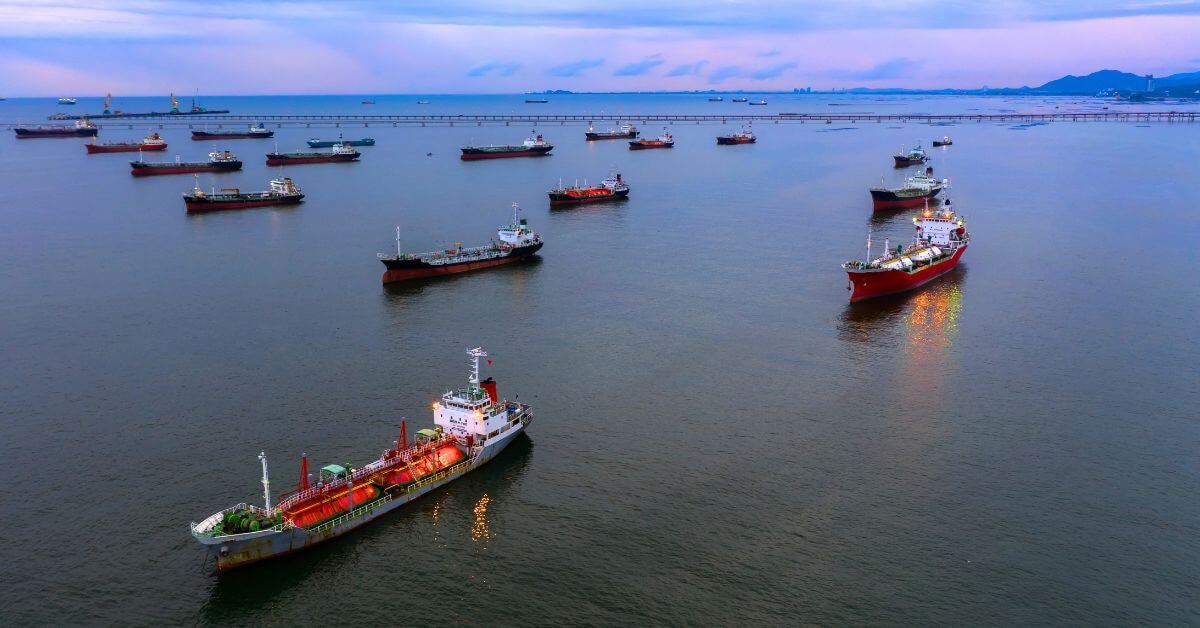
Saudi Arabia Refutes Tanker Acquisition Claims Amid Rising Shipping Costs
Saudi Arabia has denied reports it purchased 25 oil tankers for $4.5 billion, a claim Iraq linked to rising costs for shipping its crude. The denial carries weight in a region where maritime logistics already face intense pressure. With ship-to-ship transfers in the Gulf of Oman reportedly at full capacity, the stakes for transparent energy trade have rarely been higher. Measured communication matters here; the market is watching, and clarity supports stability.

Disruption on East-West Pipeline Impacts Saudi Oil Export Routes.
A 1,200-kilometer artery of Saudi crude has been disrupted. The East-West Pipeline, which bypasses the Strait of Hormuz to deliver oil to Red Sea terminals, now faces operational impacts. This is not merely a logistical snag; it is a stress test for alternative export routes. When a calibrated system falters, the ripple effects are measurable. For deeper context on regional bottlenecks, see our coverage of "Gulf of Oman STS Transfers Max Out Amid Rising Saudi Oil Exports."

Strait of Hormuz Transit Costs Soar, Impacting Global Energy Flows.
The Strait of Hormuz carried roughly a fifth of global oil flows before the Iran war, and now transit costs are soaring. That shift does not just redraw shipping economics; it tightens the margins on every barrel and LNG cargo moving through a chokepoint the world still depends on. The pressure is measurable, and the implications for energy security are immediate. For deeper context on how nearby routes are adapting, our piece on Gulf of Oman STS transfers is worth reading.

Easing Tensions: Iran Permits Iraqi Oil Tankers Through Strait of Hormuz
Iran's decision to permit some Iraqi oil tankers through the Strait of Hormuz follows repeated diplomatic requests from Baghdad, a measured step toward reducing friction in a waterway that carries a fifth of global oil supply. The move signals pragmatism, not capitulation, and it aligns with broader efforts to stabilize regional energy flows. For those tracking the Gulf's intricate logistics, this is a welcome, if conditional, easing.

Navigating Geopolitics: ADNOC Facilitates Iraqi Oil Transit Through Hormuz.
Amid heightened Strait of Hormuz tensions, ADNOC has distinguished itself as one of the Gulf's most effective producers at moving crude through the critical chokepoint. Its operational discipline underscores how logistical reliability becomes a geopolitical asset. The company's facilitation of Iraqi oil transit reflects a measured, collaborative approach to regional energy flows. For context on how nearby routes are straining, our piece on Gulf of Oman STS transfers shows capacity limits rising. This is pragmatic leadership, not posturing.

Diversifying Exports: Iraq and Syria Plan Mediterranean Oil Pipeline.
Iraq and Syria are advancing plans for a Mediterranean oil pipeline, a move that would diversify export routes and strengthen Iraq's energy sector. The proposal signals a deliberate effort to attract foreign investment while reducing reliance on existing chokepoints. It is a pragmatic step, though one that carries geopolitical and logistical weight. For context on regional maritime pressures, our related coverage on Gulf of Oman STS transfers highlights how tightly stretched export infrastructure has become.

Navigational Risk Spurs Incentives: Seafarers Rewarded for Hormuz Passage
Sinokor Group, the world's largest supertanker owner, is now offering seafarers an additional six months' salary to transit the Strait of Hormuz. That is a direct, measurable acknowledgment of elevated risk, and it reflects a sobering reality for those who keep energy moving through one of the globe's most contested chokepoints. The incentive is practical, not sentimental. It underscores how commercial resilience now depends on human retention as much as fleet capacity.

Diversifying Gulf Oil Routes: U.S. and Iraq Forge New Shipping Pathways
New shipping agreements between U.S. firms and Iraq signal a calculated response to an uncertain Strait of Hormuz. Diversifying Gulf oil routes is no longer theoretical; it is underway. This move reflects measured foresight, not panic, and strengthens the argument that maritime resilience depends on integrated planning. For readers tracking the region's pressure points, our related coverage on Gulf of Oman STS transfers maxing out offers useful context. Strategic adaptation, validated by real-time logistics, remains the clearest path forward.

Shipping Costs Surge as Gulf Attacks Impact Crew Availability.
The loss of seafarers' lives in Gulf attacks is no longer a distant risk; it is a measurable cost. Shipping companies are facing surging recruitment expenses as crew availability tightens, a direct consequence of vessels becoming targets in contested waters. This is not abstract market pressure; it is operational reality. The human toll is reshaping commercial calculations. For deeper context on how regional instability compounds these pressures, our coverage of phased negotiations to ease Strait of Hormuz restrictions offers a relevant parallel.