Royal Navy Led Multinational Task Force Prevents 25 Piracy Attempts In Indian Ocean During 6-Month Deployment
Our take
The recent report detailing the Royal Navy-led Combined Task Force 151’s success in preventing 25 piracy attempts during a six-month deployment in the Indian Ocean underscores a critical, albeit often understated, element of global maritime security. While headlines frequently focus on geopolitical tensions in the region, the persistent threat of piracy continues to impact commercial shipping and international trade. The Task Force’s efforts represent a tangible and measurable contribution to mitigating this risk, demonstrating the effectiveness of multinational collaboration in safeguarding vital sea lanes. The ongoing complexities surrounding maritime traffic in the area are further highlighted by recent events; for example, an [Indian Oil Tanker Turns Back After Iranian Warship Warning In Strait Of Hormuz], illustrating the delicate balance of power and potential disruptions in critical waterways. Furthermore, the recent [Iran And Oman Reach Agreement On Strait Of Hormuz Control And Revenue Sharing] reveals a shifting landscape of regional influence and the ongoing need for vigilance.
The Indian Ocean, connecting Europe and Asia, is a crucial artery for global commerce, and ensuring its security is paramount. Piracy not only endangers seafarers but also disrupts supply chains, increases insurance costs, and potentially destabilizes regional economies. The success of Combined Task Force 151 provides empirical validation for the continued importance of such multinational naval presences. The deployment of the USS Boxer for a significant overhaul following its own Middle East deployment, as detailed in [U.S Navy’s USS Boxer Slated For Up To $180 Million Overhaul After Middle East Deployment], further emphasizes the sustained commitment required to maintain maritime security operations in high-risk areas. The need for robust maintenance and ongoing investment in naval assets is inextricably linked to the ability to effectively deter and respond to threats like piracy.
Beyond the immediate impact on preventing piracy, the Task Force’s actions contribute to a broader understanding of maritime security dynamics. Longitudinal data collection and analysis, enabled by integrated data ecosystems, allows for a calibrated assessment of piracy trends, identifying hotspots and predicting future risks. This ocean intelligence, derived from real-time monitoring and peer-reviewed research, informs strategic decision-making and resource allocation, optimizing the deployment of naval assets and enhancing operational effectiveness. The collaborative nature of Combined Task Force 151 itself highlights the importance of shared responsibility in addressing transnational threats, demonstrating how integrated data sharing and coordinated action can yield significant results.
Looking ahead, the evolving geopolitical landscape in the Indian Ocean presents both challenges and opportunities. Increased competition for resources, shifting alliances, and the potential for escalating tensions necessitate a continued commitment to maritime security. The effectiveness of collaborative efforts like Combined Task Force 151 will depend on sustained investment, enhanced data sharing, and a willingness to adapt to emerging threats. A critical question moving forward is how these multinational task forces can effectively integrate emerging technologies, such as artificial intelligence and autonomous systems, to further enhance their capabilities and proactively address the complex challenges of ocean stewardship and maritime security.
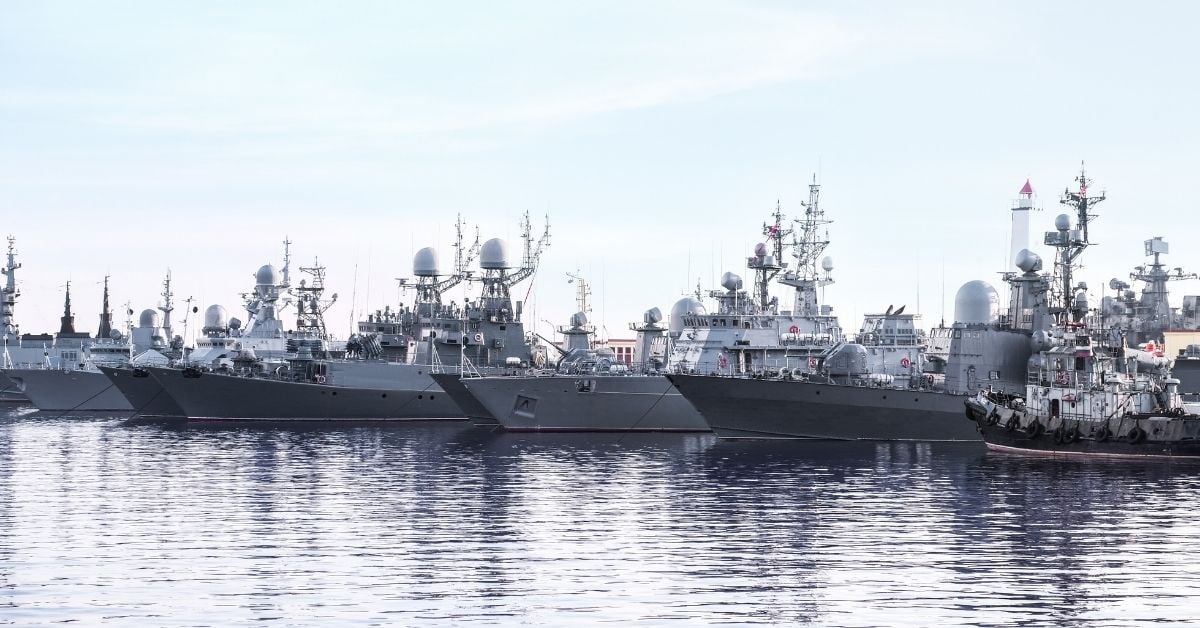
A multinational Task Force, CTF 151, led by the Royal Navy, handled 25 piracy incidents during its 6-month deployment in the Indian Ocean Region. According to the force commander, Jase Eacock, the incidents reached an all-time high in a decade.
This is because forces and attention have been diverted to the Gulf region, where the U.S-Iran war has led to the closure of the Strait of Hormuz for shipping, ship attacks have increased, and the Houthi threat has also emerged after they announced the imposition of a naval blockade against Saudi Arabia.
Since Gulf waters are no longer safe for navigation, ships have had to take longer detours around Africa, close to piracy-prone waters of Somalia, offering a chance to armed pirates and local gangs to hijack vessels, kidnap seafarers and demand hefty ransoms, a pattern seen in the early 2000s.
However, Combined Task Force 151, which includes 17 vessels and other special units, has succeeded in keeping their activities in check during their short deployment, which has earned them a lot of praise.
Captain Eacock said that their presence along with the EU’s Operation Atalanta has made a considerable difference, even though tensions remain. He also highlighted that the threat has not gone away and much needs to be done.
Royal Navy calls Eacock its 2nd most experienced and senior officer in West Asia, who commanded a staff comprising specialists and personnel from 7 other nations.
CTF 151 was successful, thanks to the cooperation of Bahrain, which coordinated assets and activities across a region much bigger than Europe, needing surveillance and continuous monitoring to identify pirates and other gangs before they could launch attacks on commercial vessels.
The task force, whose command has now gone from Britain to South Korea, operated across 3 million square miles of the Indian Ocean, focusing on the Gulf of Aden and waters around the Horn of Africa.
Though it wasn’t able to prevent the hijacking of a tanker, the task force successfully handled over two dozen piracy attempts in the last 6 months while conducting 70 patrols to gather more information about illegal activities like drug trafficking, smuggling, etc and criminal networks operating in the region.
Pirates have always used large vessels as motherships to carry out their hijackings, along with small skiffs to reach their targets. They often use ladders and weapons, including AK-47 rifles and grenades.
Poverty, corruption, civil wars, instability and threats to the local fishing industry have all contributed to piracy in Somalia, which has forced young men into crime to feed their families and earn their livelihoods since no jobs are available and people die of hunger.
CTF 151 is among the 5 specialist formations which operate under the Combined Maritime Forces. It is a maritime security coalition consisting of 47 countries with its headquarters in Bahrain.
Read on the original site
Open the publisher's page for the full experience