piracy
World Data Ocean keeps piracy in one place: 25 stories so far. The section currently leads with “Five seafarers killed as pirates open fire on hijacked tanker during rescue”, “India Builds $1.5B Maritime Shield for War-Risk Coverage”, and “Iraqi Clan Retakes Hijacked Tanker in Five-Hour Gulf of Aden Action”. Five seafarers killed as pirates opened fire on a hijacked tanker during a rescue operation. India's Bharat Maritime Insurance Pool, a $1.5 billion domestic shield against war risks and cargo losses, marks a calibrated step toward self-reliance in marine coverage. A Global Hub for Ocean Intelligence 4 World Data Ocean is a centralized digital platform where researchers, scientists, and ocean enthusiasts converge to… The list below is every piracy story on World Data Ocean, newest first.
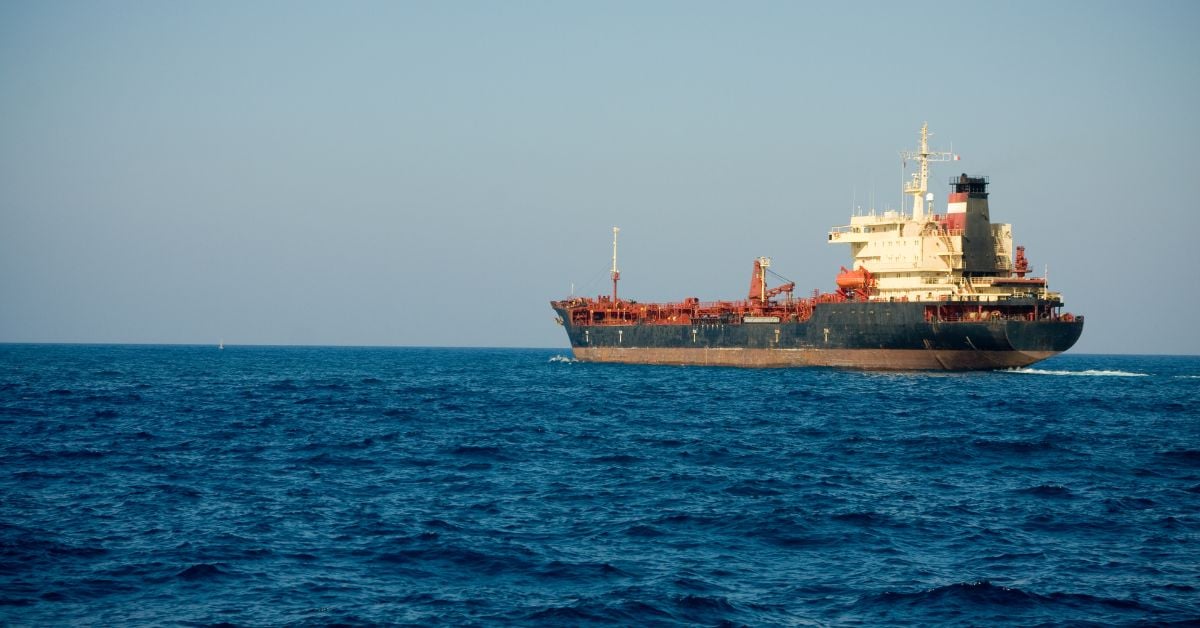
Five seafarers killed as pirates open fire on hijacked tanker during rescue
Five seafarers killed as pirates opened fire on a hijacked tanker during a rescue operation. The vessel carried 17 crew members; five were shot. Among the deceased: three from Pakistan, one from Myanmar, one from India. This is not an abstract risk, it is the human cost of failing to secure global shipping lanes. Our related coverage, "New Coalition Charts Measurable Course for Safer Global Shipping," examines one emerging framework for change. Measurable action, not rhetoric, is what these crews deserve.
India Builds $1.5B Maritime Shield for War-Risk Coverage
India's Bharat Maritime Insurance Pool, a $1.5 billion domestic shield against war risks and cargo losses, marks a calibrated step toward self-reliance in marine coverage. This is not alarmist hedging; it is empirical risk management. When global supply chains face volatility, homegrown underwriting strengthens resilience. For deeper context on how technology is reshaping maritime security, see our coverage of RINA's Singapore Hub advancing digital twins and AI for ocean decarbonisation. Understanding drives protection.
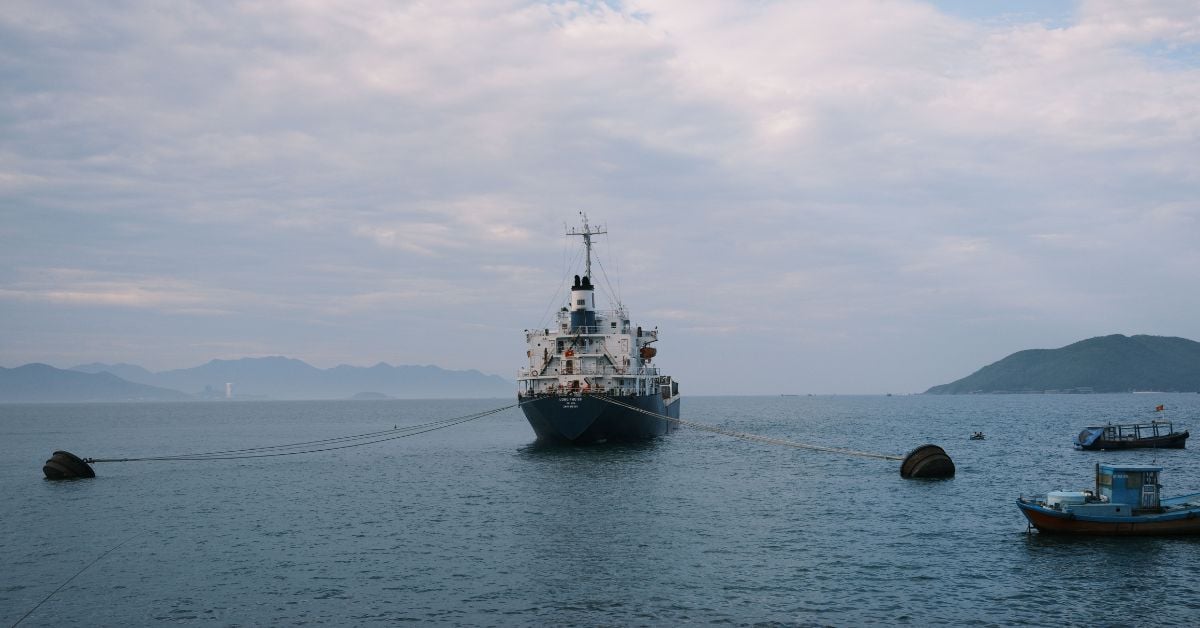
Iraqi Clan Retakes Hijacked Tanker in Five-Hour Gulf of Aden Action
A five-hour firefight in the Gulf of Aden ended with an Iraqi clan retaking a hijacked tanker from Somali pirates. This is not state-led naval intervention; it is tribal action with measurable results. The Al-Shaghanba clan demonstrated that localized force, when calibrated and decisive, can succeed where broader operations often stall. Such empirical outcomes challenge assumptions about maritime security. For deeper context on regional interdiction efforts, see our coverage of "Puntland Forces Intercept Hijacked, US-Sanctioned Oil Tanker After 48 Hours."
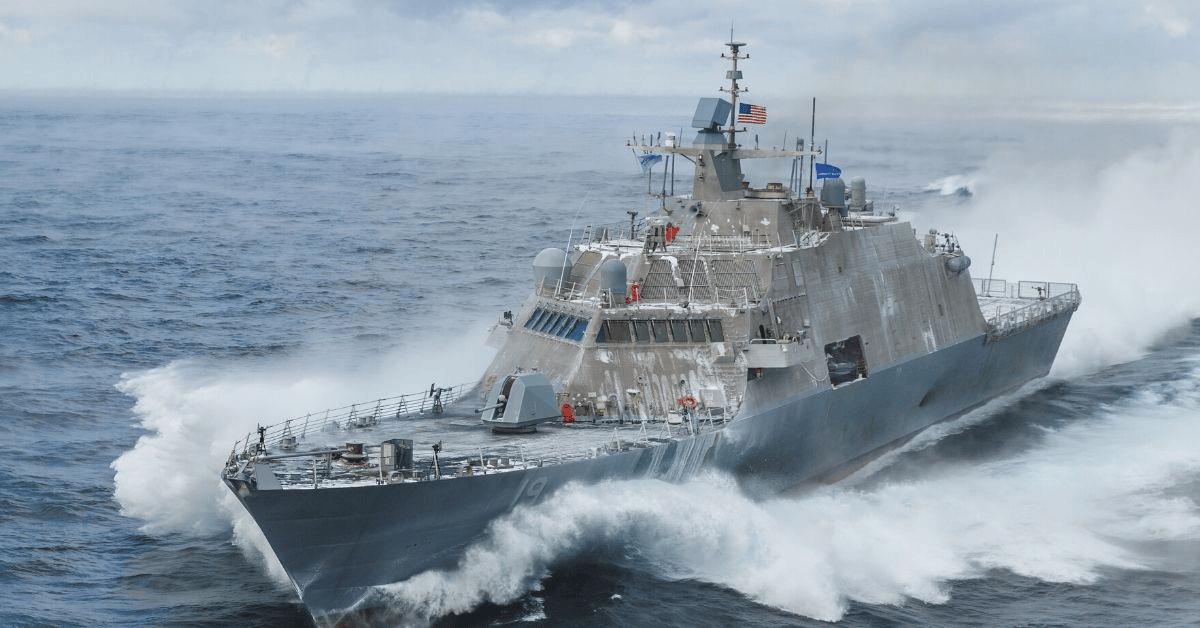
Maritime Data Supports Border Security: USS St. Louis Deployed
The USS St. Louis has departed Florida to support U.S. Northern Command's southern border mission, with a focus on maritime interdiction against illicit drug trafficking. This deployment underscores how validated, real-time ocean intelligence is becoming essential to national security operations. The ability to integrate data from surface assets and patrol efforts turns raw observation into actionable decision-making. It is a practical demonstration that border protection extends well beyond land.
Crew Freed: Integrated Data Confirms Resolution of Somali Hijacking Incident
On April 26, Somali pirates seized a tanker carrying 15 Syrian and two Indian nationals. Integrated data ecosystems now confirm the crew's release, a resolution grounded in measurable, real-time intelligence. This outcome validates the power of empirical monitoring over alarmist speculation. Understanding drives protection, and here, it restored lives. For deeper context on regional interdiction efforts, see our coverage of "Puntland Forces Intercept Hijacked, US-Sanctioned Oil Tanker After 48 Hours." The ocean's security challenges demand calibrated, not sensational, responses.

Gulf of Aden Sees First Reported Piracy Incident Since August.
The Gulf of Aden has recorded its first piracy incident since August, a sobering reminder that maritime security remains fragile. This hijacking, the 25th worldwide since the start of 2026, underscores the persistent vulnerability of critical shipping lanes. Measurable threats like this demand calibrated, data-driven responses, not alarm. For broader context on regional maritime pressures, see our report on how Gulf of Oman STS transfers have maxed out amid rising Saudi oil exports. Understanding these interconnected risks is the first step toward effective ocean stewardship.
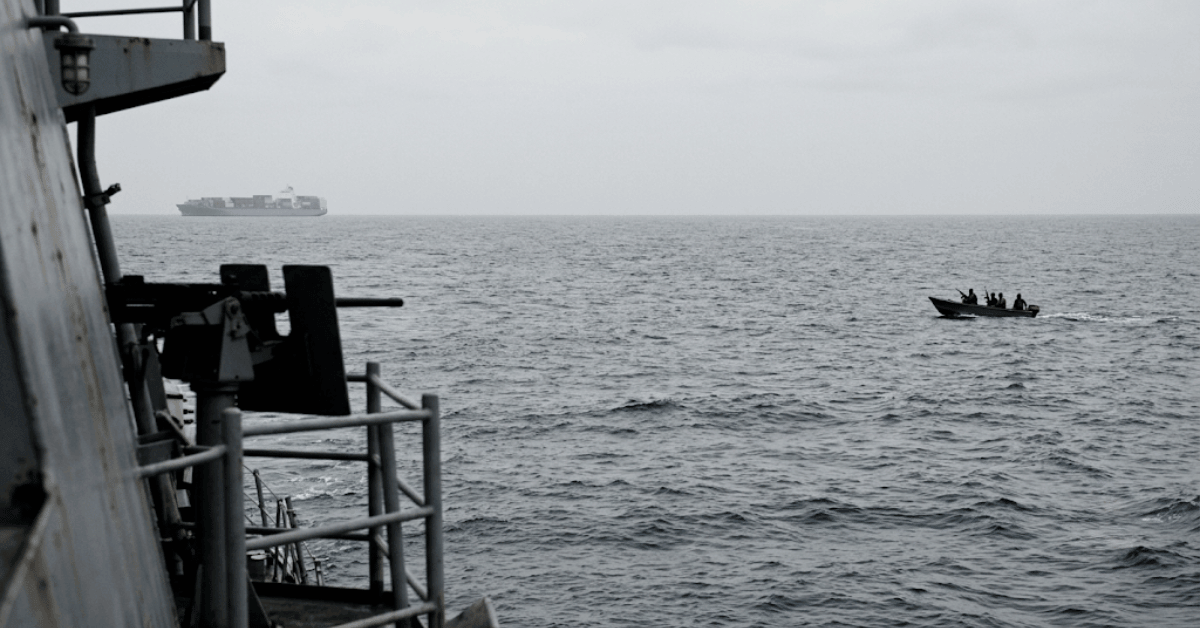
Integrated Maritime Security: Red Sea Nations Enhance Ocean Intelligence Efforts
The Red Sea's security perimeter is tightening as Ethiopia, Yemen, Djibouti, and Somalia move to align their maritime strategies against rising piracy, trafficking, and regional friction. This is not abstract policy; it is the practical work of building an integrated data ecosystem where ocean intelligence becomes a shared asset. For readers tracking how these dynamics unfold, our related coverage on Gulf of Oman STS transfers offers useful context on the region's commercial pressures. Cooperation here is measured, deliberate, and long overdue.
Joint Forces Intervene: Maritime Security Operation Frees Hijacked Vessel
The Turkish Navy and Somalia's Armed Forces concluded a decisive 10-day operation, neutralizing 14 pirates and freeing a hijacked vessel. This is what coordinated maritime security looks like when measured action meets clear objectives. The operation underscores a practical truth: effective ocean stewardship requires persistent, joint commitment, not just policy. For broader context on regional maritime pressures, our related coverage on Gulf of Oman STS transfers offers valuable perspective. This success signals a calibrated, reliable approach to protecting vital sea lanes.
Multinational Task Force Maintains Maritime Security in the Indian Ocean.
Six months after deployment, Combined Task Force 151 has effectively suppressed piracy activity in the Indian Ocean, a success that warrants attention. This isn't merely a routine patrol; it reflects a calibrated, integrated approach to maritime security that holds up under real-world conditions. When operational discipline meets clear objectives, the results are measurable. For readers tracking the region's shifting dynamics, our coverage of the Gulf of Oman STS transfers offers a useful counterpoint.

Maritime Security Concerns Rise: Gulf of Aden Sees Renewed Piracy Risks
The Gulf of Aden's renewed piracy risk demands immediate attention. IMO Secretary-General Mr. Arsenio Dominguez spoke out after the SEAMULL was hijacked on 20 August 2026, a stark reminder that maritime threats remain persistent. This is not a distant problem; it directly endangers crews and global trade routes. Measured, decisive action is required to protect these waters. For broader context on regional security efforts, our related coverage on the eighty nations urging the reopening of the Strait of Hormuz offers critical perspective.

Red Sea Incident: Unmanned Cargo Vessel Sustains Total Loss.
The loss of an unmanned cargo vessel to unknown projectiles in the southern Red Sea marks a stark instance of maritime vulnerability. The UKMTO's declaration of a total loss is a measurable outcome, yet the incident underscores a broader fragility in a region already defined by complex logistics. We view this not with alarm, but as a calibrated data point. It validates why integrated, real-time ocean intelligence is essential for understanding risk.

Somali Hijacking: Status of Crew on Cargo Ship Lutuf Unconfirmed
The confirmed hijacking of the cargo ship *Lutuf* off Somalia's coast, as reported by the UKMTO, leaves the crew's status unresolved. For those of us tracking maritime security, this silence is the most pressing detail. The uncertainty underscores how fragile safe passage remains in these waters. While diplomatic efforts focus on chokepoints like the Strait of Hormuz, as our coverage of the phased negotiations suggests, the Indian Ocean's own risks demand equal attention. We will keep a close watch on developments.

Red Sea Attack Highlights Risks to Maritime Trade and Seafarer Safety
The latest attack in the Red Sea and Gulf of Aden is a pointed reminder that maritime trade routes remain dangerously exposed. As Mr. Arsenio Dominguez noted, the location is particularly troubling, and we agree. These waters are not abstract lines on a chart; they are arteries for global commerce, and each incident endangers lives and supply chains. This follows the Gulf of Oman STS transfers maxing out, a clear signal of mounting pressure. The pattern is measurable, and it demands calibrated, not reactive, responses.

Missile Attack on ADNOC Vessel Highlights Regional Maritime Risks
On August 8, 2026, a missile attack on an ADNOC vessel crossing the Strait of Hormuz underscored the fragility of regional maritime routes. The incident is a measured reminder that shipping lanes remain exposed to geopolitical friction. Such strikes do not occur in isolation; they strain the integrated data ecosystems that monitor these waters. For context on diplomatic efforts, our related piece, "Phased Negotiations Aim to Ease Restrictions on Strait of Hormuz," outlines ongoing talks.

Heightened Maritime Security: India Bolsters Protection for Seafarers in Gulf of Aden
Piracy incidents in the Gulf of Aden have prompted India to act, with the DGMA issuing Circular No. 40 of 2026 to bolster seafarer protection. This measured response reflects a practical understanding of the risks, prioritizing crew safety without alarmism. It is a decisive step toward safeguarding vital shipping lanes. For broader context on regional threats, readers may consult our coverage of "Puntland Forces Intercept Hijacked, US-Sanctioned Oil Tanker After 48 Hours."

Protecting Red Sea Shipping: Saudi Arabia Pursues International Collaboration.
Saudi Arabia is moving to assemble an international coalition aimed at securing Red Sea shipping lanes against Houthi threats, according to media reports. This is a calculated step toward protecting a corridor that carries a significant share of global trade. The move signals a recognition that maritime security cannot be managed alone. For deeper context on regional oil flows, our related piece on Gulf of Oman STS Transfers Max Out Amid Rising Saudi Oil Exports offers useful grounding.

Hijacked Vessel Crew Receives Aid as Situation Develops Off Somalia
Aid is reaching the crew of the hijacked vessel off Somalia, with reports confirming that food supplies have been delivered aboard. The situation remains fluid, and the safety of those onboard is the immediate priority. This incident is a stark reminder of the persistent risks in the region's waters. For broader context on maritime security pressures, our related coverage on Puntland forces intercepting a hijacked tanker offers a relevant comparison. We will continue to monitor this operation.

Mediterranean Vessel Interception Raises Geopolitical Tensions and Maritime Concerns
The Mediterranean has become a flashpoint where a single vessel interception escalates into a geopolitical statement, and Russia's dismissal of such actions as "piracy" sharpens the divide. President Vladimir Putin's characterization frames maritime law enforcement as provocation, yet the practical risks to shipping lanes remain underexplored. This incident is not isolated; it echoes broader patterns of naval tension, much like the recent strikes on port infrastructure in confirmed military action.

Hijacking of MT Asana Highlights Escalating Maritime Risks Off Yemen
Armed men boarded the MT Asana roughly 65 nautical miles south of Yemen's Al Mukalla port, a stark reminder that maritime corridors remain dangerously exposed. This hijacking is not an isolated incident; it signals a troubling pattern along critical shipping lanes. The risks are compounding, much like the pressures seen in regional logistics. For readers tracking these threats, our coverage of the Gulf of Oman STS transfers illustrates how commercial activity and security vulnerabilities increasingly intersect. Understanding these dynamics is essential for safeguarding global trade.

Maritime Security Data Reveals Surge in Piracy, Malacca Strait Hotspot
Piracy incidents rose to 137 in 2025, with the Malacca Strait emerging as the primary hotspot, according to the latest maritime security data. The concentration of cases in this critical waterway underscores persistent vulnerabilities in one of the world's busiest shipping lanes. This is not a distant problem; it is a measurable strain on the integrated data ecosystem that underpins global trade.

Negotiations Underway for Release of Crew Held by Somali Pirates
Ransom negotiations are underway to secure the release of 44 crew members held by Somali pirates across three vessels, with talks focused on ensuring their safe return. The development underscores the persistent risks facing seafarers in these waters, and we should read it alongside the recent rescue of a US-sanctioned tanker by Puntland forces. Each incident reinforces the need for coordinated maritime security. As these discussions progress, the priority remains the welfare of those aboard, and we will continue to monitor.

Asia Sees Seven-Year Low in Ship Robberies During First Half of 2026
Armed robbery against ships in Asian waters fell to its lowest level in seven years during the first half of 2026, a measurable sign of progress in maritime security. The decline validates sustained patrols and regional coordination, though it is no cause for complacency. Fewer incidents mean safer sea lanes, but the trend must hold across a full year to carry real weight. For broader context on regional naval strategy, our coverage of India's expanded fleet projections offers a useful counterpoint.

Sea of Azov Sees Escalation: Drone Attacks Target Russian Naval Assets
The overnight strike on the Sea of Azov marks a pointed escalation, with Ukraine's drone forces commander Robert Brovdi reporting hits on 11 Russian vessels. This is calibrated, measurable pressure on naval assets that have long anchored Moscow's maritime posture. We view this as a deliberate step in a broader campaign, one that demands attention for its precision and its implications.

Strait of Hormuz Attack Impacts Maritime Traffic, Claims One Life.
Missile strikes against the Mombasa and Al Bahiyah have set fires ablaze in the Strait of Hormuz, claiming one life and disrupting the flow of maritime traffic through a waterway that carries a fifth of global oil. The UAE Ministry of Defence confirmed the attacks, underscoring how fragile this strategic chokepoint has become. This incident adds to the pressure on shipping lanes already strained by regional tensions.