West Asia
World Data Ocean keeps West Asia in one place: 19 stories so far. The section currently leads with “Vitol Acquires Substantial Iraqi Crude Volume Amid Price Discrepancies”, “India Establishes Support Network to Safeguard Seafarers in Conflict Zones”, and “Protecting Maritime Routes: India and Iran Prioritize Ocean Safety.”. Vitol's move to secure 25 to 30 million barrels of discounted Iraqi crude this month signals a sharp reading of market imbalances, and it's a calculated bet worth watching. India has moved to protect those who carry global commerce through unstable waters, establishing a support network for seafarers in conflict zones. A Global Hub for Ocean Intelligence 4 World Data Ocean is a centralized digital platform where researchers, scientists, and ocean enthusiasts converge to… The list below is every West Asia story on World Data Ocean, newest first.
Vitol Acquires Substantial Iraqi Crude Volume Amid Price Discrepancies
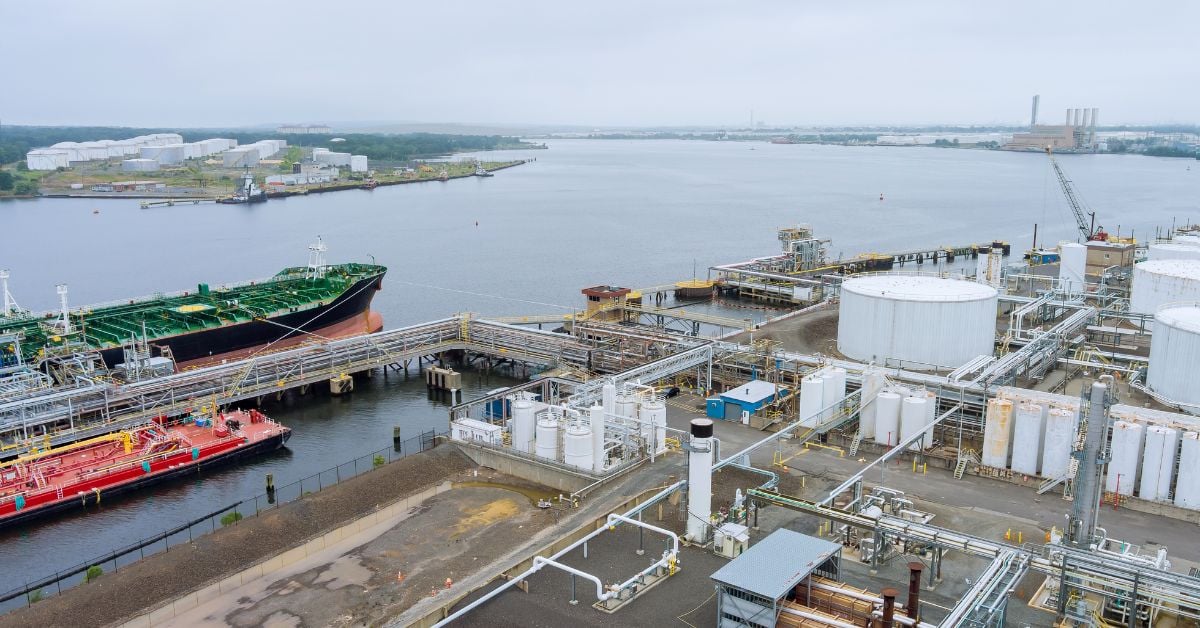
Vitol's move to secure 25 to 30 million barrels of discounted Iraqi crude this month signals a sharp reading of market imbalances, and it's a calculated bet worth watching. Price discrepancies like these reward those who can move swiftly, and Vitol is leveraging its scale to lock in margin where others might hesitate. This kind of volume isn't opportunistic noise; it's a deliberate positioning play.
India Establishes Support Network to Safeguard Seafarers in Conflict Zones
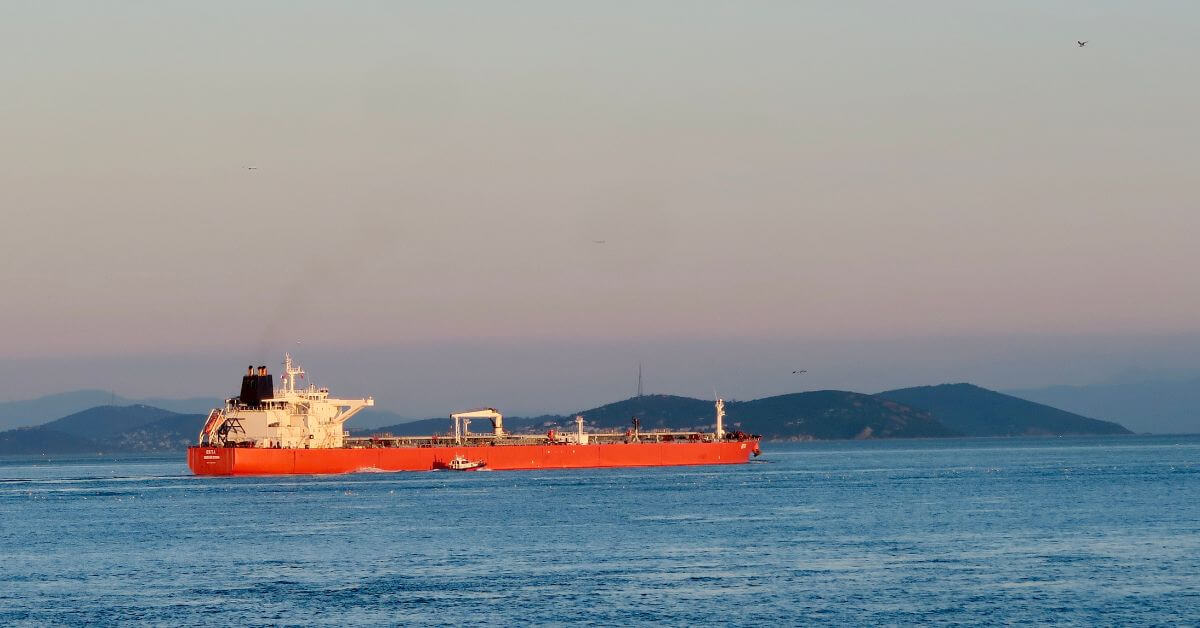
India has moved to protect those who carry global commerce through unstable waters, establishing a support network for seafarers in conflict zones. The initiative addresses distress alerts, medical aid, and family communication during emergencies, practical, measurable safeguards for a dangerous reality. This is a purposeful step, and it aligns with the broader maritime momentum seen in our coverage of Paradip Port's designation as a Mega Port. Protecting the people at sea is as essential as expanding the infrastructure they serve.
Protecting Maritime Routes: India and Iran Prioritize Ocean Safety.
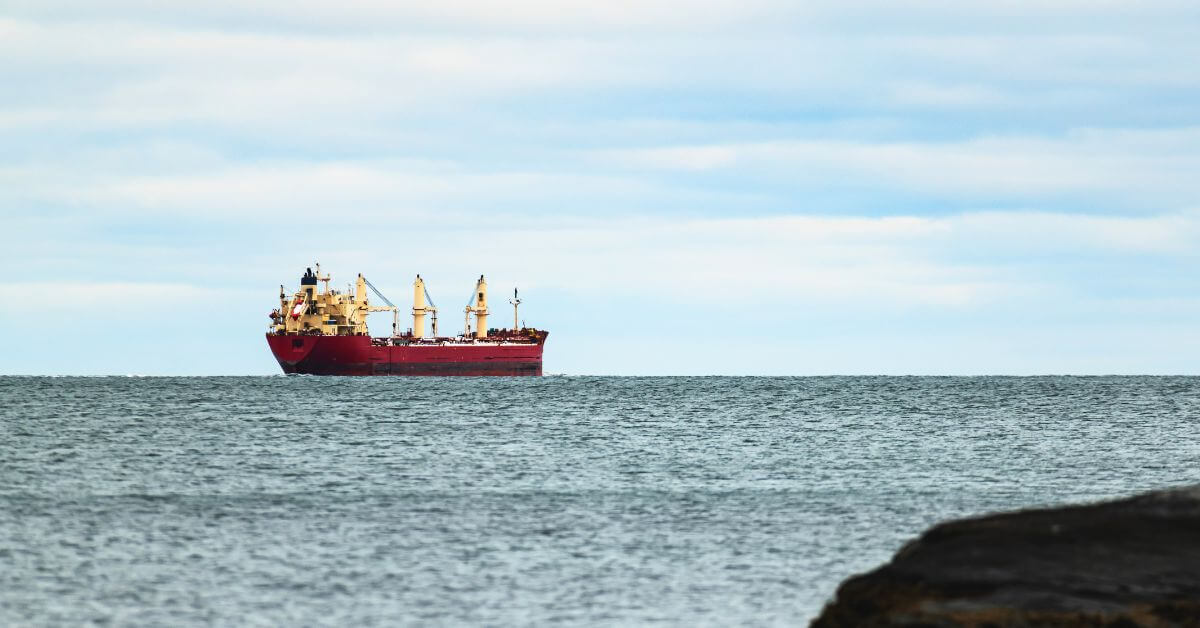
Indian Prime Minister Narendra Modi has rightly elevated shipping safety and seafarer protection to a bilateral priority during talks with Iran's President. In a region where maritime chokepoints demand calibrated vigilance, this focus is both practical and overdue. The ocean does not recognize political borders, and shared responsibility for route security is the only measurable path forward. For deeper context on regional pressures, see our coverage of "Gulf of Oman STS Transfers Max Out Amid Rising Saudi Oil Exports."
Multinational Task Force Maintains Maritime Security in the Indian Ocean.
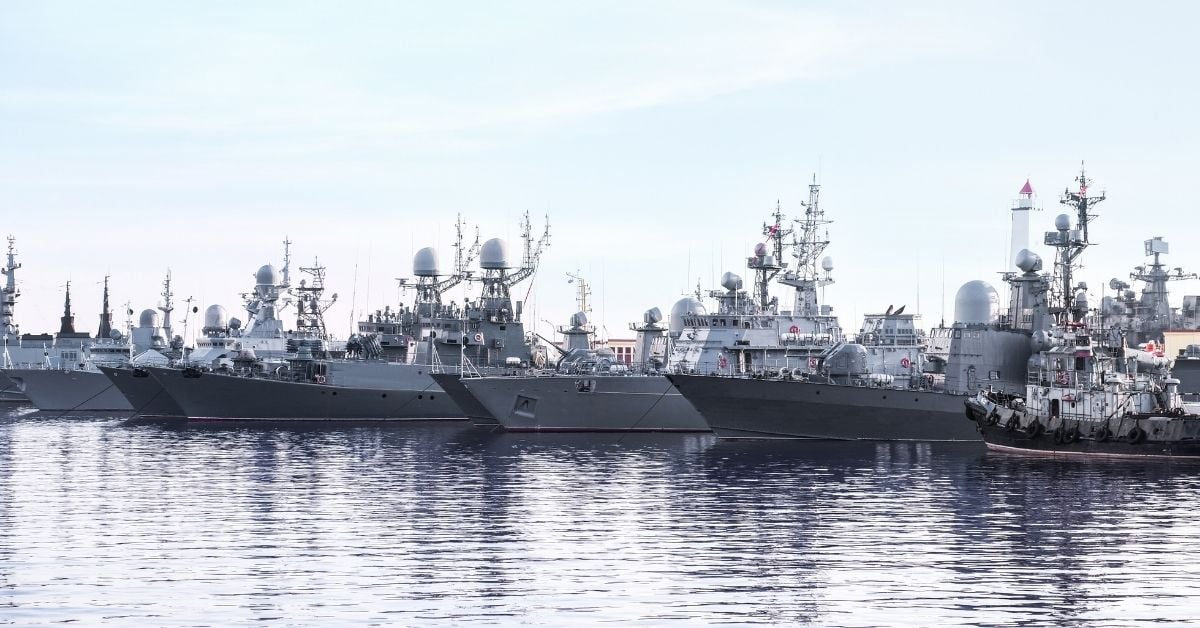
Six months after deployment, Combined Task Force 151 has effectively suppressed piracy activity in the Indian Ocean, a success that warrants attention. This isn't merely a routine patrol; it reflects a calibrated, integrated approach to maritime security that holds up under real-world conditions. When operational discipline meets clear objectives, the results are measurable. For readers tracking the region's shifting dynamics, our coverage of the Gulf of Oman STS transfers offers a useful counterpoint.
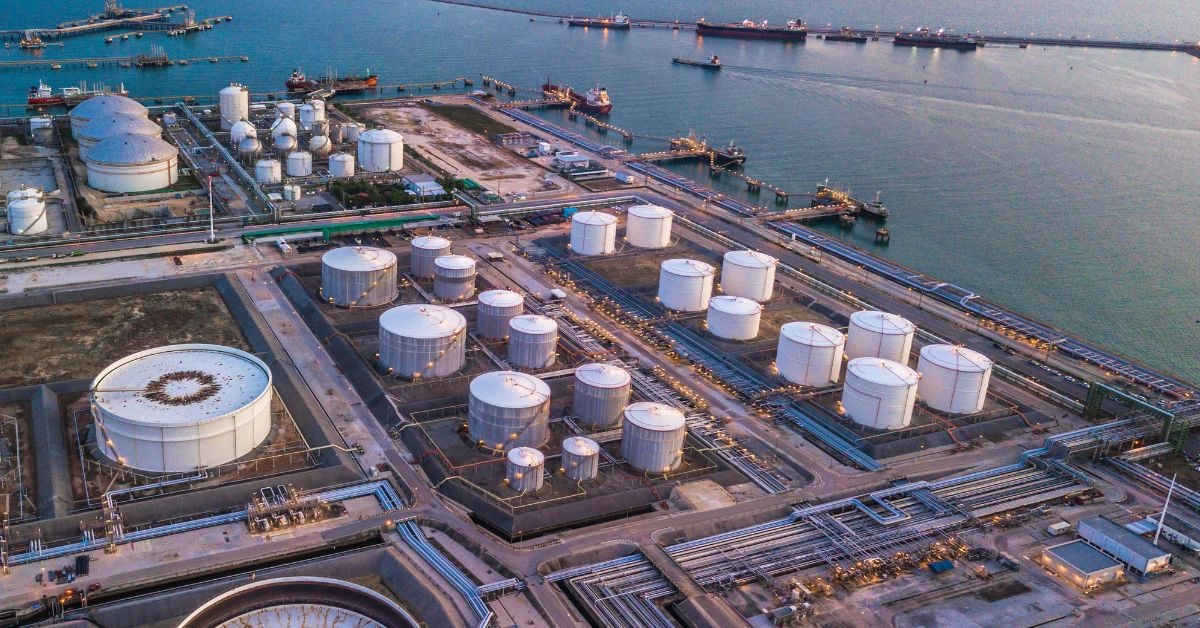
Securing Energy: Japan Plans Integrated Pipeline Network Beyond Hormuz Strait
Japan is moving to secure its energy lifeline with an integrated pipeline network designed to bypass the Strait of Hormuz, a strategic chokepoint where geopolitical friction carries real economic weight. The plan reflects a calculated shift toward resilience, not alarm. It is a measured response to a fragile maritime route, and one that warrants attention as global supply chains recalibrate. For broader context on regional bottlenecks, our related coverage on Gulf of Oman STS transfers offers a useful lens.

U.S. Actions Disrupt Iranian Shipping Amidst Regional Tensions
U.S. Central Command reports that its forces have redirected 70 merchant vessels, boarded two, and disabled three since reimposing the blockade on Iran. These actions disrupt shipping lanes already strained by regional tensions. Measured enforcement, yes, but the ripple effects demand attention. For context on how these routes are evolving, our related piece, "Gulf of Oman STS Transfers Max Out Amid Rising Saudi Oil Exports," details the capacity pressures amplifying this pressure.

Military Action Intensifies for Dawei Port Project in Myanmar
Myanmar's military has escalated its campaign to secure land for the Dawei Port project, signaling a firm resolve to reclaim territory through force. This offensive marks the clearest indication yet that the government will not shy from confrontation to advance the initiative. The stakes are high, and the implications for regional stability are significant. For broader context on how state-backed maritime projects intersect with security pressures, our piece on Russia's Northern Sea Route icebreaker fleet offers a parallel view of geopolitical maneuvering.

Red Sea Incident: Unmanned Cargo Vessel Sustains Total Loss.
The loss of an unmanned cargo vessel to unknown projectiles in the southern Red Sea marks a stark instance of maritime vulnerability. The UKMTO's declaration of a total loss is a measurable outcome, yet the incident underscores a broader fragility in a region already defined by complex logistics. We view this not with alarm, but as a calibrated data point. It validates why integrated, real-time ocean intelligence is essential for understanding risk.

Extended Deployment Strains Navy Families; Return Date Urged.
Two hundred fifty days at sea, and still no return date. The families of the crew and Marines aboard the USS Abraham Lincoln are pressing senior officials for clarity as the carrier's Middle East deployment stretches past its expected limits. That is a long time to hold position, and the human cost of such extended operations deserves more than vague timelines.

Indian Maritime Effort Ensures Safe Passage for Vessels and Seafarers
The Indian government confirmed that vessels completed their transits through the West Asia region despite heightened security concerns, underscoring the maritime effort that ensured safe passage for ships and seafarers. This is steady, measured progress in a volatile corridor. The commitment reflects a practical approach to ocean stewardship, where operational reliability carries weight. For those tracking regional dynamics, our related coverage on the Gulf of Oman STS transfers offers additional context on the pressures shaping these routes. Safe passage is not incidental; it is engineered.

Red Sea Incident: Indian Cargo Ship Sinks Following Attack
The sinking of the Indian-flagged cargo ship MSV Faize Noore Oliya, after being struck by an unknown projectile off Yemen, marks a sobering escalation in the Red Sea's volatile maritime corridor. The vessel overturned and sank, underscoring how commercial traffic remains exposed to asymmetric threats with little warning. This incident is not isolated; it follows heightened pressure across regional waterways, from Gulf of Oman STS transfers to Strait of Hormuz negotiations.

Protecting Red Sea Shipping: Saudi Arabia Pursues International Collaboration.
Saudi Arabia is moving to assemble an international coalition aimed at securing Red Sea shipping lanes against Houthi threats, according to media reports. This is a calculated step toward protecting a corridor that carries a significant share of global trade. The move signals a recognition that maritime security cannot be managed alone. For deeper context on regional oil flows, our related piece on Gulf of Oman STS Transfers Max Out Amid Rising Saudi Oil Exports offers useful grounding.

Caspian Sea Incident: Escalation Risks Amidst Maritime Trade Disruptions
A cargo ship carrying steel from Russia's Astrakhan Port to Iran's Anzali Port has been struck by Ukrainian forces, marking a sharp escalation in a conflict that increasingly reaches beyond the Black Sea's western waters. This is not merely a tactical blow; it is a signal. The Caspian corridor, long treated as a secondary front, now carries real risk for commercial shipping.

India-Bound Shipping Traffic Highlights Iran's Strait of Hormuz Influence
Twenty percent of outbound Persian Gulf transit requests now name Indian ports, trailing only China's 21 percent. That concentration is a measurable signal of how deeply subcontinental demand shapes Gulf shipping lanes. It also underscores the strategic weight of the Strait of Hormuz as a chokepoint for India-bound energy and goods. For readers tracking maritime shifts, this complements our look at Goa's new seafarer welfare hub, a practical investment in the human side of these same routes.

Geopolitical Tensions Disrupt Global Shipping Lanes and Energy Flows
The war in West Asia has brought the United States and Iran into direct confrontation, and the world's most critical energy waterways are bearing the immediate cost. Shipping lanes that carry the lifeblood of global oil supply are no longer predictable, and the disruption is rippling outward into every market that depends on them. This is not abstract geopolitics; it is a measurable shift in how energy moves.

West Asia Shipping Attacks: Indian Seafarers Bear the Highest Risk.
The latest wave of West Asia shipping attacks places Indian seafarers at the front line, accounting for the majority of casualties in the ongoing U.S.-Iran conflict. This is a stark measure of human cost within a crisis too often reduced to tonnage and transit fees. The numbers demand attention, not abstraction. For deeper context on how these disruptions are reshaping regional logistics, our related piece, "Gulf of Oman STS Transfers Max Out Amid Rising Saudi Oil Exports," details the strain on alternative routes.

Sailor Lost at Sea After Vessel Struck in Strait of Hormuz.
The Strait of Hormuz became the site of a critical incident at 3:30 a.m. IST, when a vessel carrying 24 crew members, including 11 Indians, was struck. A sailor is now lost at sea, and the search underscores the human cost embedded in complex maritime routes. This is not abstract data; it is a life disrupted. We monitor these waters closely, and our recent coverage of Gulf of Oman STS transfers highlights the region's escalating pressures. Our thoughts are with the crew and their families.

Kuwaiti Warship Struck: Four Personnel Injured in Iranian Attack
A Kuwaiti naval vessel was struck by an Iranian missile and drone barrage, leaving four armed forces personnel injured, according to Kuwait's Military. The attack underscores the fragile security calculus of a region already straining under disrupted shipping lanes. Such strikes are not isolated incidents; they are symptoms of a broader volatility that demands calibrated, data-driven responses. As diplomatic efforts like the phased negotiations over the Strait of Hormuz gain traction, the need for validated ocean intelligence has never been more immediate.

U.S. Assertions in Hormuz Strait Escalate Tensions Amid Ongoing Conflict.
For the third consecutive night, U.S. forces struck Iranian targets, even as President Trump insisted a deal remains possible if Tehran cooperates. The dual track is not a contradiction; it is pressure and an open door, measured in calibrated increments. Escalation, however, tends to develop its own momentum. As this cycle continues, the risks to regional shipping are compounding.