Bahrain
15 stories filed under Bahrain on World Data Ocean. The newest of them: “Eighty Nations Urge Reopening of Vital Strait of Hormuz Shipping Lane”, “Sohar Port Facilitates Growing Indian Trade Routes to the GCC”, and “Shipping Incident Near Hormuz Raises Regional Tensions, Claims One Life.”. Eighty nations, led by Bahrain's foreign minister, have formally urged the United Nations to reopen the Strait of Hormuz, a waterway that carries nearly a fifth of global oil supply. Sohar Port has positioned itself as a critical transit point for Indian exports entering the GCC, a role that reflects the broader rebalancing of regional trade flows. A Global Hub for Ocean Intelligence 4 World Data Ocean is a centralized digital platform where researchers, scientists, and ocean enthusiasts converge to… The list below is every Bahrain story on World Data Ocean, newest first.

Eighty Nations Urge Reopening of Vital Strait of Hormuz Shipping Lane
Eighty nations, led by Bahrain's foreign minister, have formally urged the United Nations to reopen the Strait of Hormuz, a waterway that carries nearly a fifth of global oil supply. The collective call is a measured but firm push for maritime stability, grounded in shared economic and security interests. Diplomacy, not disruption, is the clearest path forward here. For those tracking the region's momentum, our related piece on phased negotiations between Washington and Tehran offers useful context on what reopening might actually require.

Sohar Port Facilitates Growing Indian Trade Routes to the GCC
Sohar Port has positioned itself as a critical transit point for Indian exports entering the GCC, a role that reflects the broader rebalancing of regional trade flows. The port's capacity to handle this volume signals practical, measurable gains in logistics integration. That matters as Gulf economies diversify. For readers tracking these corridors, our related piece on integrated subsea infrastructure in the Indian Ocean offers useful context on the region's digital backbone. The port's progress is steady, and it anchors a connection worth watching closely.
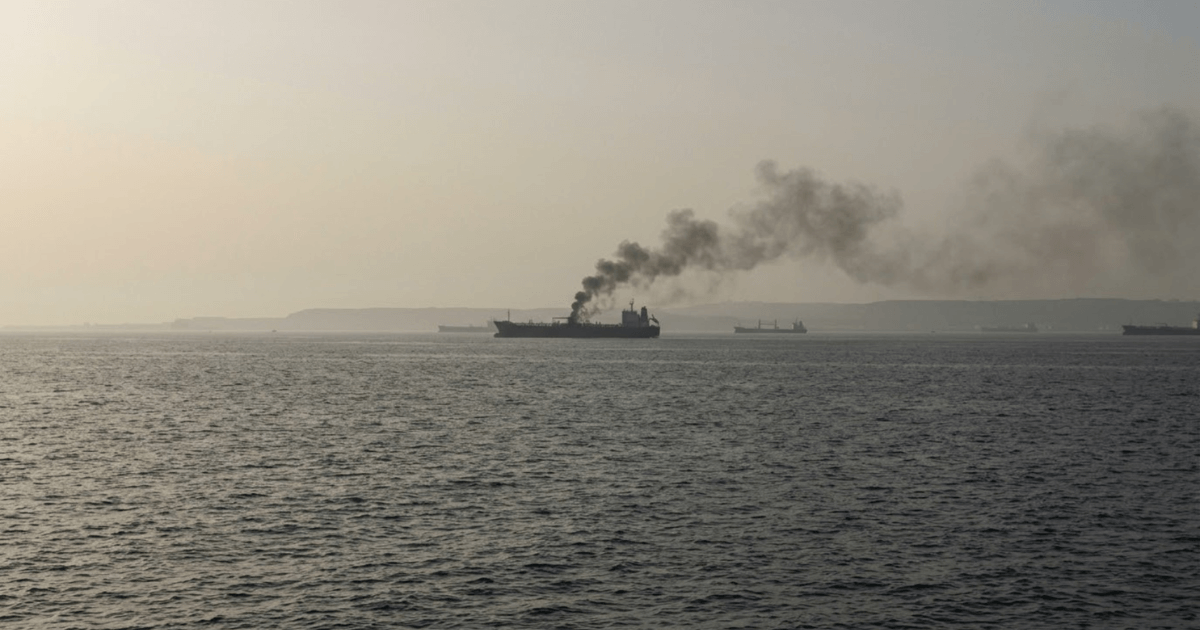
Shipping Incident Near Hormuz Raises Regional Tensions, Claims One Life.
A commercial vessel was struck off Qeshm Island in the Strait of Hormuz, killing one crew member. Iran now prepares to brief regional powers on shipping control. This incident raises tensions along a waterway already strained by capacity, our related coverage on Gulf of Oman STS Transfers Max Out Amid Rising Saudi Oil Exports underscores the logistical pressure. Measurable maritime data matters here: safety and security are empirical conditions, not abstractions. Understanding drives protection.
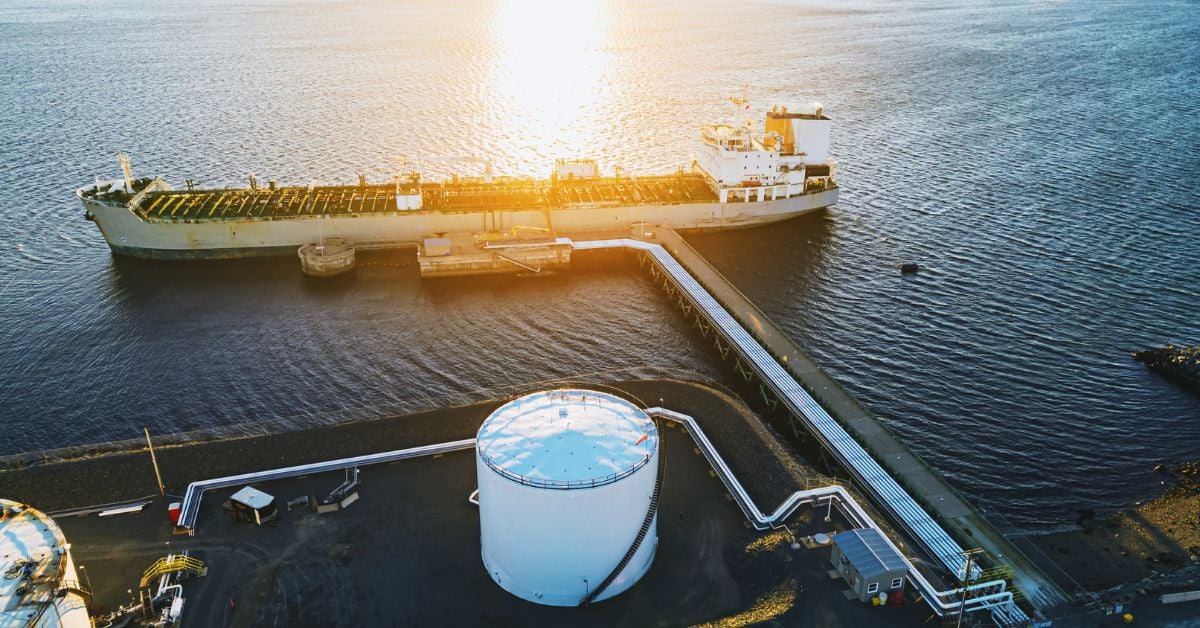
Escalating Tensions: Iran Issues Warnings to Tanker Crews in Persian Gulf
Iran's Islamic Revolutionary Guard Corps Navy has warned tanker crews near Kuwaiti and Bahraini ports to abandon their vessels. This escalation injects measurable risk into an already volatile Persian Gulf. Regional maritime stability is not a theoretical concern, it is a climate indicator of geopolitical friction. For deeper context on how such tensions intersect with energy routes, see our related coverage on "Phased Negotiations Aim to Ease Restrictions on Strait of Hormuz." Understanding these pressures is essential for calibrating both security and environmental responses.

Escalation in Persian Gulf: U.S. Responds to Iranian Maritime Actions
Before the strikes, U.S. forces instructed crews to leave the tankers, a measured step that prioritizes human safety over escalation. CENTCOM confirmed the vessels were left inoperable, signaling a calibrated response to Iranian maritime actions. The Persian Gulf remains a flashpoint where empirical monitoring and integrated intelligence are essential. For deeper context on global naval strategy, our article on India's projected fleet expansion examines how nations are preparing for these contested waters. Understanding drives protection.
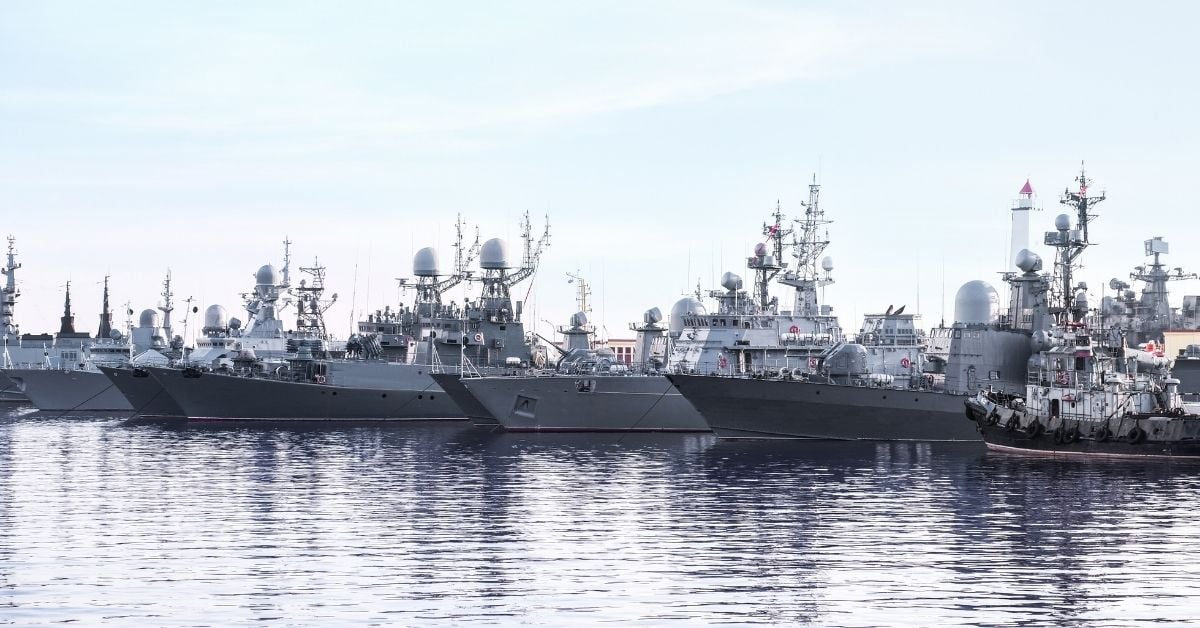
Multinational Task Force Maintains Maritime Security in the Indian Ocean.
Six months after deployment, Combined Task Force 151 has effectively suppressed piracy activity in the Indian Ocean, a success that warrants attention. This isn't merely a routine patrol; it reflects a calibrated, integrated approach to maritime security that holds up under real-world conditions. When operational discipline meets clear objectives, the results are measurable. For readers tracking the region's shifting dynamics, our coverage of the Gulf of Oman STS transfers offers a useful counterpoint.

Maritime Coalition Deployed to Safeguard Red Sea Trade Routes.
A coalition of member states has deployed to safeguard Red Sea trade routes, with the alliance focused on protecting freedom of navigation, international commerce, and energy supply lines. The move reflects a measured commitment to maritime stability in a region where disruption carries global consequences. Protecting these waters is not optional; it is foundational to the interconnected systems that sustain economies.

Persian Gulf: Iran Targets U.S. AI-Driven Maritime Surveillance.
The Persian Gulf has become a testing ground for AI-driven maritime surveillance, with Iran targeting U.S. unmanned vessels and sensor networks in the region. The unit's reliance on autonomous systems and real-time data marks a calibrated shift in how naval operations are monitored. It is a precise, measurable response to a complex environment, though one that raises the stakes for transparency. For broader context on regional shipping pressures, our coverage of phased negotiations on the Strait of Hormuz offers a useful parallel.

Iran Reports Strikes Targeting U.S. Naval Assets in Kuwait and Indian Ocean
Iran's Islamic Revolutionary Guard Corps reports strikes targeting U.S. naval assets in Kuwait and the northern Indian Ocean, including shore-to-sea cruise missiles fired at a U.S. vessel. The claim signals a measurable escalation in regional maritime tension, one that demands calibrated attention from allied forces. While the full picture remains unverified, the strategic implication is clear: ocean intelligence is no longer just environmental. For broader context on maritime security shifts, see our coverage of Puntland Forces Intercept Hijacked, US-Sanctioned Oil Tanker After 48 Hours.

Shipping Activity in Strait of Hormuz Declines Amid Rising Tensions
Shipping activity in the Strait of Hormuz has slowed markedly as regional tensions rise, with liquefied natural gas traffic particularly hard hit. No LNG carriers have transited the strait since Thursday, a telling sign of how quickly commercial risk reshapes movement through a critical maritime corridor. The data is measurable, and the trend is clear. For those tracking broader patterns, our coverage of Gulf of Oman STS transfers maxing out amid rising Saudi oil exports offers useful context.

Strait of Hormuz: IRGC Navy Detains Vessels for Passage Violations
The Strait of Hormuz is a chokepoint where passage rules are not optional, and Iran's Islamic Revolutionary Guard Corps has made that clear by detaining four vessels for violations. The move is a calibrated reminder of the waterway's fragility, though it raises questions about escalation. Enforcement here is precise, but the stakes are global. For context on how pressure is building in the region, our piece on phased negotiations aimed at easing Hormuz restrictions offers a measured counterpoint worth reading.

Maritime Leader Admits to Assault, Underscoring Safety Concerns.
A federal court has now heard John Merrone admit to what many in the maritime community might have suspected: he gave a 21-year-old cadet an intoxicant without her consent before sexually assaulting her. The admission cuts against the industry's often-silent culture, where rank and authority can overshadow basic safety. Safety at sea is not merely about navigation or cargo; it is about the people aboard. This case should push operators to examine their own vessels, much like the recent fire near Mykonos tested emergency protocols.

U.S. Navy Enforces Blockade, Restricting Access to Iranian Ports.
Seventeen hours after reimposing the naval blockade, U.S. Central Command confirmed the Navy is enforcing restricted access to Iranian ports. The move is precise, deliberate, and calibrated to pressure without escalation. It is a direct signal, measured in hours, not rhetoric. For those tracking Gulf dynamics, the pressure on shipping lanes is mounting. Our related piece, "Phased Negotiations Aim to Ease Restrictions on Strait of Hormuz," offers essential context on whether this corridor might reopen.

Iran Withdraws from U.S. MoU, Strait of Hormuz Closure Looms.
Iran's formal withdrawal from the U.S. memorandum of understanding marks a decisive shift, one that places the Strait of Hormuz back under a shadow of uncertainty. The agreement, signed just last month, has unraveled quickly, and the strategic ripple effects are immediate. This is not a moment for alarmist language, but for measured attention. As tensions resurface, our earlier coverage of the Gulf of Oman's maxed-out ship-to-ship transfers reminds us how fragile these maritime corridors truly are.

US Imposes Shipping Fee in Strait of Hormuz, Challenging International Law
The United States has announced it will reimpose its Iranian blockade and levy a 20% fee on cargo shipments transiting the Strait of Hormuz, a directive the International Maritime Organization has declared legally baseless. This unilateral move challenges the rules-based order that governs global shipping. Forcing a fee on a critical chokepoint risks escalating tensions, not resolving them. The IMO's objection is clear: no legal foundation exists for such an action. Our related coverage on phased negotiations to ease Hormuz restrictions offers essential context.