Indian Ocean
19 stories filed under Indian Ocean on World Data Ocean. The newest of them: “HMS Dragon's return narrows Royal Navy presence in the Gulf to one vessel”, “India's 43,500-tonne support vessel extends fleet endurance in the Indian Ocean”, and “6,000-nautical-mile delivery signals a new chapter for ocean-going vessel”. HMS Dragon's return to Portsmouth after seven months in the Gulf leaves just one Royal Navy vessel in the region, a narrow presence that demands scrutiny. A 43,500-tonne fleet support ship extends the Indian Navy's endurance across the Indian Ocean, enabling sustained operations far from home ports. A Global Hub for Ocean Intelligence 4 World Data Ocean is a centralized digital platform where researchers, scientists, and ocean enthusiasts converge to… The list below is every Indian Ocean story on World Data Ocean, newest first.
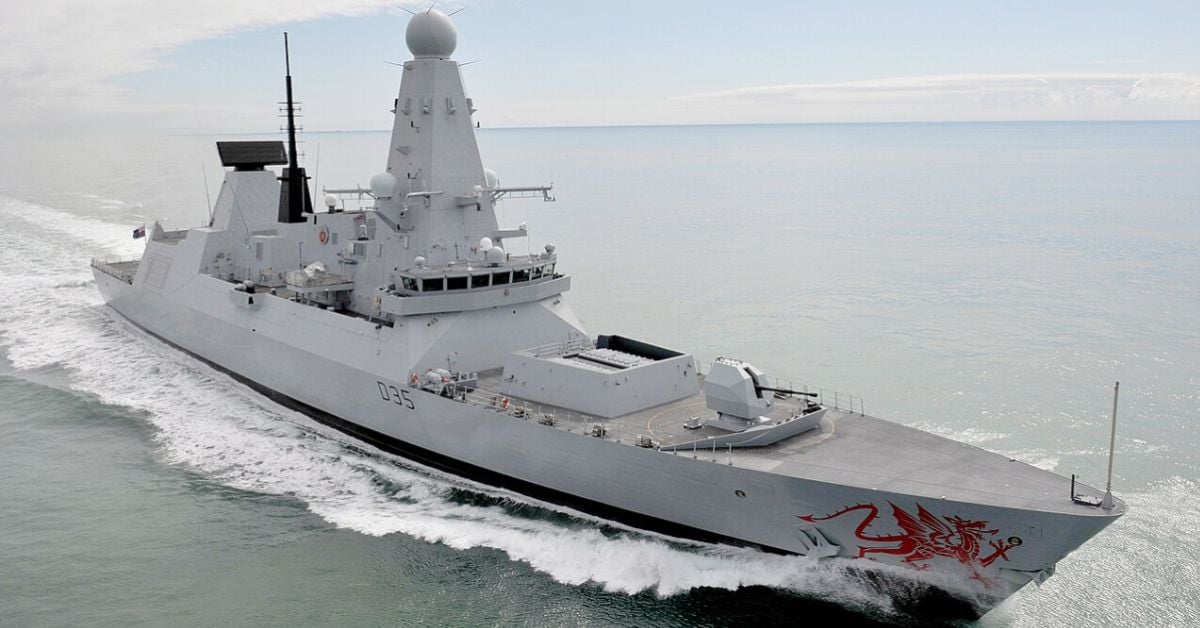
HMS Dragon's return narrows Royal Navy presence in the Gulf to one vessel
HMS Dragon's return to Portsmouth after seven months in the Gulf leaves just one Royal Navy vessel in the region, a narrow presence that demands scrutiny. This reduction comes as maritime threats persist, evidenced by recent drone and fire attacks targeting tankers near the Strait of Hormuz. For deeper context on those escalating risks, see our coverage of the strikes on three tankers. Measured vigilance, not alarm, is the appropriate response.
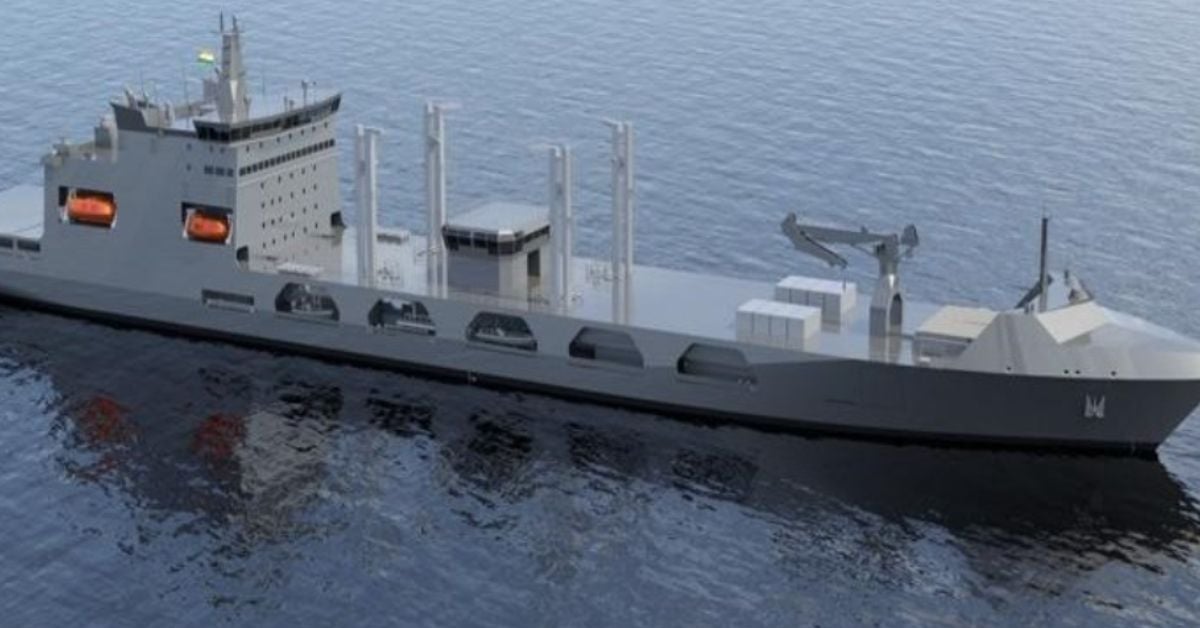
India's 43,500-tonne support vessel extends fleet endurance in the Indian Ocean
A 43,500-tonne fleet support ship extends the Indian Navy's endurance across the Indian Ocean, enabling sustained operations far from home ports. This is not just a logistics vessel; it is a statement of measured, persistent presence. Replenishment at sea transforms reach into readiness. For deeper context on how the Navy applies this capability in real-time, read our coverage of the coordinated medical evacuation in the Andaman Sea. Understanding drives protection.
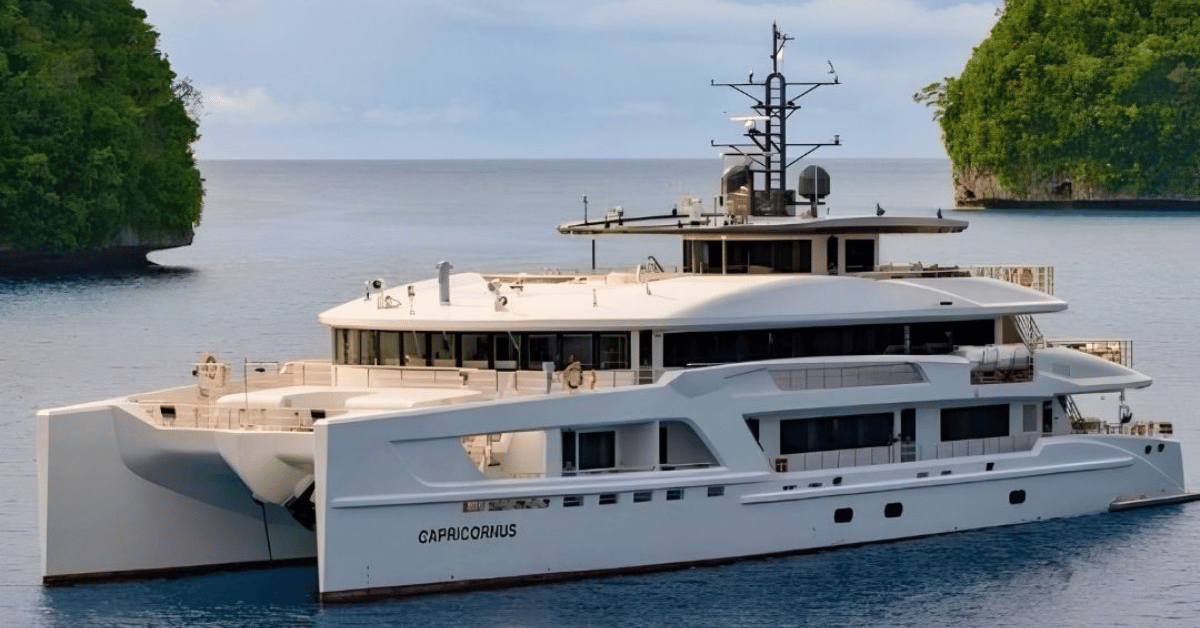
6,000-nautical-mile delivery signals a new chapter for ocean-going vessel
A 6,000-nautical-mile delivery is not merely a transit; it is a statement of capability. Azurine's completion of this voyage with a 909 GT catamaran from Thailand to Turkey, now entering a major transformation, validates the growing reach of efficient ocean transport. This measured achievement aligns with the urgent need for safer global shipping, readers may find our coverage of the *New Coalition Charts Measurable Course for Safer Global Shipping* a timely companion to this story.

Integrated Subsea Infrastructure Shifts to Enhance Indian Ocean Connectivity
The Indian Ocean is becoming the new backbone of global data flow, with integrated subsea infrastructure now shifting away from China's route. This move directly benefits India, positioning it as a key hub in a network that carries 99% of the world's data. The strategic realignment is measurable and immediate. For those tracking the region's growing commercial pulse, our related piece on Gulf of Oman STS Transfers Max Out Amid Rising Saudi Oil Exports offers further context on how this ocean's corridors are tightening.
Integrated Subsea Cables Enhance Data Transmission Across the Indian Ocean
The Indian Ocean is becoming the new backbone of global connectivity, with integrated subsea cables now being laid to enhance data transmission across its waters. This route directly benefits India, positioning it as a pivotal hub in a network that carries 99% of the world's data. The shift is pragmatic, moving away from traditional paths to strengthen resilience and speed.
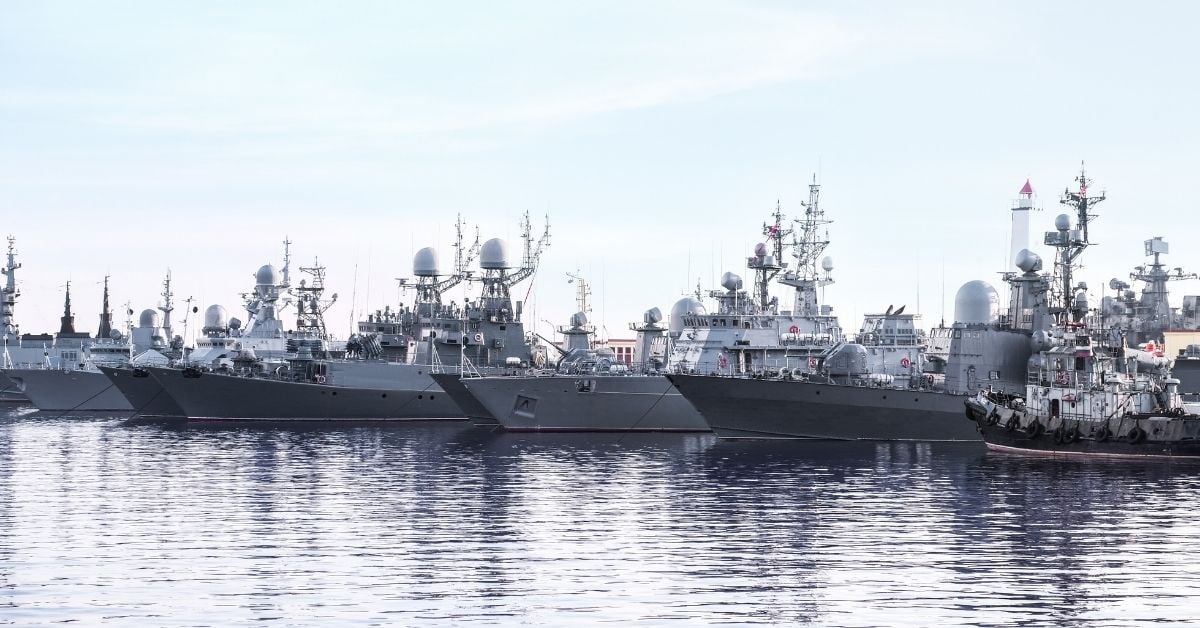
Multinational Task Force Maintains Maritime Security in the Indian Ocean.
Six months after deployment, Combined Task Force 151 has effectively suppressed piracy activity in the Indian Ocean, a success that warrants attention. This isn't merely a routine patrol; it reflects a calibrated, integrated approach to maritime security that holds up under real-world conditions. When operational discipline meets clear objectives, the results are measurable. For readers tracking the region's shifting dynamics, our coverage of the Gulf of Oman STS transfers offers a useful counterpoint.
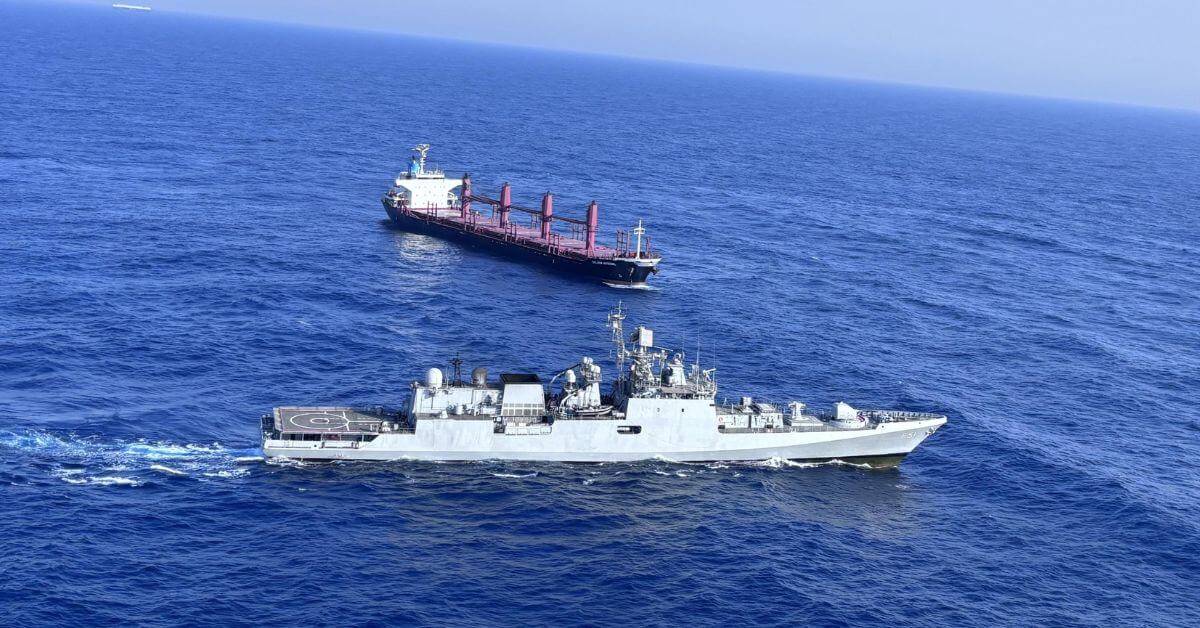
Securing Trade Routes: Indian Navy Ensures Safe Passage Through Bab-el-Mandeb
The Indian Navy's deployment through the Bab-el-Mandeb is a calibrated exercise in maritime security, ensuring that essential cargo continues moving to and from India without disruption. This is not abstract strategy; it is the practical work of keeping trade lanes open where geopolitical friction runs high. The operation reflects a measured commitment to stability, one that aligns with broader shifts in regional logistics, such as the Gulf of Oman STS transfers reaching capacity. Reliable passage here is not optional; it is the backbone of commerce.

Securing Vital Sea Lanes: Commitment to Straits of Malacca and Singapore.
The Straits of Malacca and Singapore carry a third of global maritime trade, and their security is not negotiable. Indonesia, Malaysia, and Singapore have now made that priority explicit, committing to keep these vital sea lanes open for all nations. This is a calibrated, practical move that reinforces stability where it matters most. For readers tracking how regional infrastructure evolves, our related piece on integrated subsea cables enhancing Indian Ocean connectivity offers useful context.

India Navy Expands Maritime Domain Awareness with MQ-9B Sea Guardian Lease
The Indian Navy's lease of two MQ-9B Sea Guardian drones under a INR 1,943 crore agreement with General Atomics marks a calibrated step toward stronger maritime domain awareness. This is not about hardware alone; it is about sustained, high-endurance surveillance across the Indian Ocean's contested expanse. The deal reflects a practical integration of remote capabilities into existing naval operations. For readers tracking regional connectivity shifts, our related piece on integrated subsea infrastructure offers useful context on how data and defense increasingly overlap here.

India Advances Submarine Fleet Modernization with German Acquisition
The Indian Navy's decision to advance submarine fleet modernization through a German acquisition addresses a pressing operational gap. With conventional submarine numbers falling short of requirements, this programme is not merely procedural; it is a calibrated response to shifting maritime realities. We see this as a practical step toward sustaining underwater deterrence, though the timeline will test both industrial coordination and strategic patience.

Incident in Indian Ocean: U.S. Navy Reports Personnel Casualties
After 263 days deployed, the USS Abraham Lincoln now operates in the Indian Ocean, where the U.S. Navy reports personnel casualties. Extended deployments carry measurable human costs, and this incident underscores the strain on maritime forces operating far from home. The Indian Ocean's strategic importance continues to grow, particularly as integrated subsea infrastructure shifts in the region. For broader context on how this waterway's role is evolving, our related piece, "Integrated Subsea Infrastructure Shifts to Enhance Indian Ocean Connectivity," offers deeper insight.

Autonomous Vessels Chart Ocean Depths in Navy Mapping Project
The U.S. Navy's selection of Boston-based Blue Water Autonomy to map ocean floors with uncrewed surface vessels marks a practical step forward in maritime intelligence. This is not flashy technology; it is calibrated, real-time data collection that strengthens navigational safety and operational awareness. The project reflects a growing trust in autonomous systems to perform precise, sustained work where crewed vessels face greater risk.
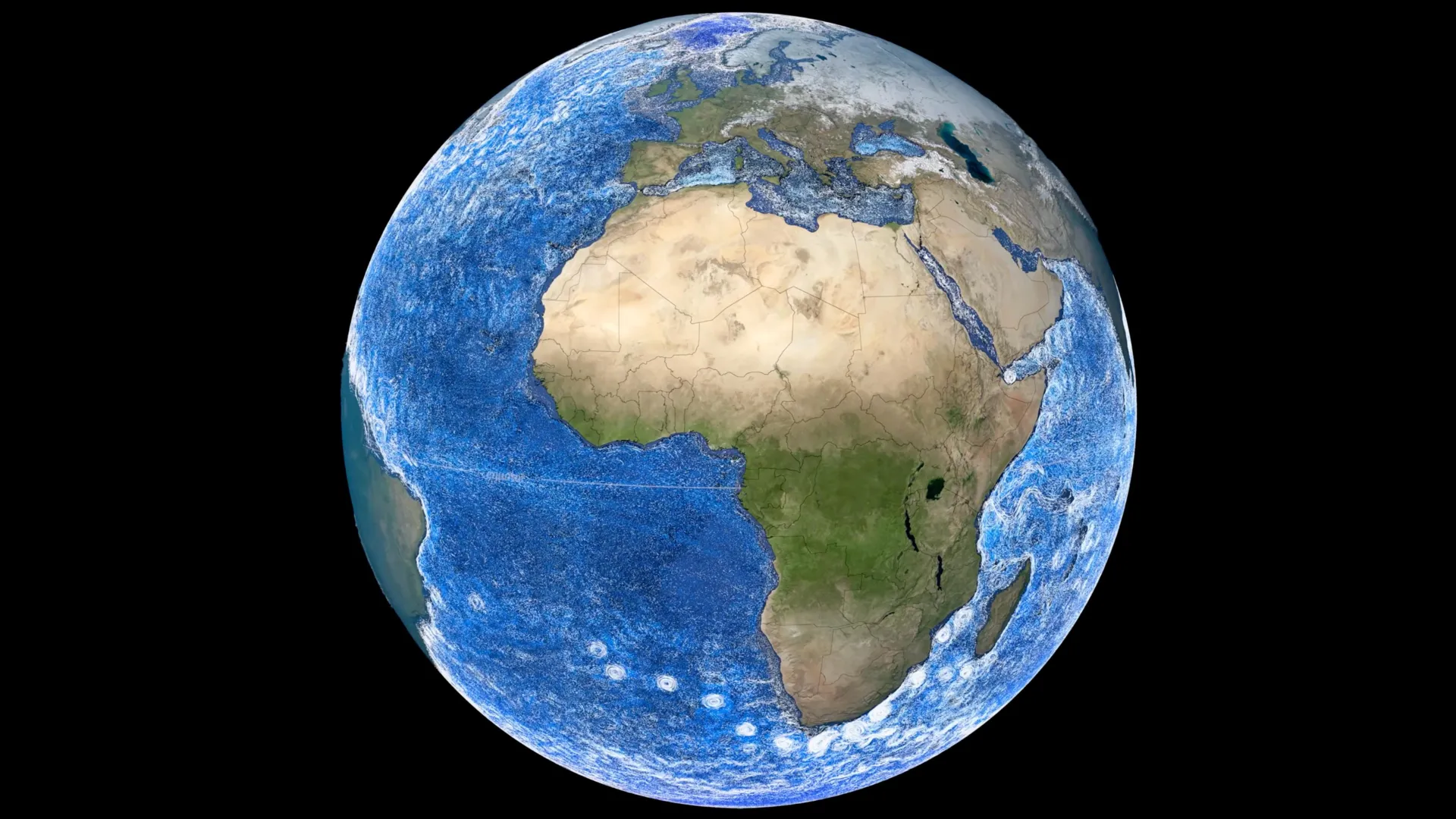
Ancient Sediments Reveal AMOC’s Resilience Amid Ocean Circulation Shift
Ancient seafloor sediments show that 3.4 million years ago, as the Indian Ocean's warm, salty inflow into the Atlantic nearly ceased, the AMOC held its own, parts of the overturning circulation even strengthened. That resilience challenges assumptions about how abruptly this system can shift. It is a reminder that ocean circulation responds in ways we are still mapping. For more on how we track such changes, see "Calibrated ocean intelligence, now within reach through integrated data discovery."

Women's Participation in India's Maritime Workforce Soars.
The maritime workforce is changing, and India is leading that charge. Union Minister Sonowal highlighted that initiatives like "Sagar Mein Samman" are driving a measurable rise in women's participation across the sector. This is not symbolic progress; it is practical, structural advancement. When policy targets inclusion directly, the industry strengthens. For those tracking this momentum, our related coverage on the new Seafarers' Welfare Centre at Mormugao Port shows how infrastructure and opportunity are being built in tandem.

Mediterranean Vessel Interception Raises Geopolitical Tensions and Maritime Concerns
The Mediterranean has become a flashpoint where a single vessel interception escalates into a geopolitical statement, and Russia's dismissal of such actions as "piracy" sharpens the divide. President Vladimir Putin's characterization frames maritime law enforcement as provocation, yet the practical risks to shipping lanes remain underexplored. This incident is not isolated; it echoes broader patterns of naval tension, much like the recent strikes on port infrastructure in confirmed military action.

Methane Seepage Shapes Magnetic Signatures in Bay of Bengal Sediments
The SMTZ leaves its mark in the sediment, and our analysis of Hole U1445A reveals a clear story: methane-driven diagenesis has reshaped both iron and sulfur chemistry over the past 6.2 million years. We found that low magnetic susceptibility often lines up with higher pyrite content, signaling where past methane seeps once drove reductive dissolution. It is a compelling geochemical fingerprint, though one best read alongside pyrite isotopes for certainty.

Iran Reports Strikes Targeting U.S. Naval Assets in Kuwait and Indian Ocean
Iran's Islamic Revolutionary Guard Corps reports strikes targeting U.S. naval assets in Kuwait and the northern Indian Ocean, including shore-to-sea cruise missiles fired at a U.S. vessel. The claim signals a measurable escalation in regional maritime tension, one that demands calibrated attention from allied forces. While the full picture remains unverified, the strategic implication is clear: ocean intelligence is no longer just environmental. For broader context on maritime security shifts, see our coverage of Puntland Forces Intercept Hijacked, US-Sanctioned Oil Tanker After 48 Hours.

Negotiations Underway for Release of Crew Held by Somali Pirates
Ransom negotiations are underway to secure the release of 44 crew members held by Somali pirates across three vessels, with talks focused on ensuring their safe return. The development underscores the persistent risks facing seafarers in these waters, and we should read it alongside the recent rescue of a US-sanctioned tanker by Puntland forces. Each incident reinforces the need for coordinated maritime security. As these discussions progress, the priority remains the welfare of those aboard, and we will continue to monitor.
Market Tuna in Somalia: Abundance as Indicator of Sustainability?
Visible abundance is not the same as verified sustainability. In Somali markets, the steady presence of tuna can easily read as a sign of healthy stocks, particularly where data is scarce. Yet this perspective article argues that market visibility can mask ecological uncertainty, shaped by demand, global connectivity, fishing pressure, and weak governance. The proposed framework introduces *perceived abundance bias* to explain how frequent sightings mislead. Market signals alone cannot substitute for empirical monitoring, a lesson that extends beyond Somalia to data-poor fisheries worldwide.