Royal Navy
10 stories filed under Royal Navy on World Data Ocean. The newest of them: “HMS Dragon's return narrows Royal Navy presence in the Gulf to one vessel”, “Case Mounts Against Royal Navy Sailor in Suspected Security Breach”, and “£6 billion naval infrastructure advances sovereign submarine fleet support”. HMS Dragon's return to Portsmouth after seven months in the Gulf leaves just one Royal Navy vessel in the region, a narrow presence that demands scrutiny. A 24-year-old Royal Navy sailor appeared in a London court this week, accused of attempting to pass classified British military information to Russia. A Global Hub for Ocean Intelligence 4 World Data Ocean is a centralized digital platform where researchers, scientists, and ocean enthusiasts converge to… The list below is every Royal Navy story on World Data Ocean, newest first.
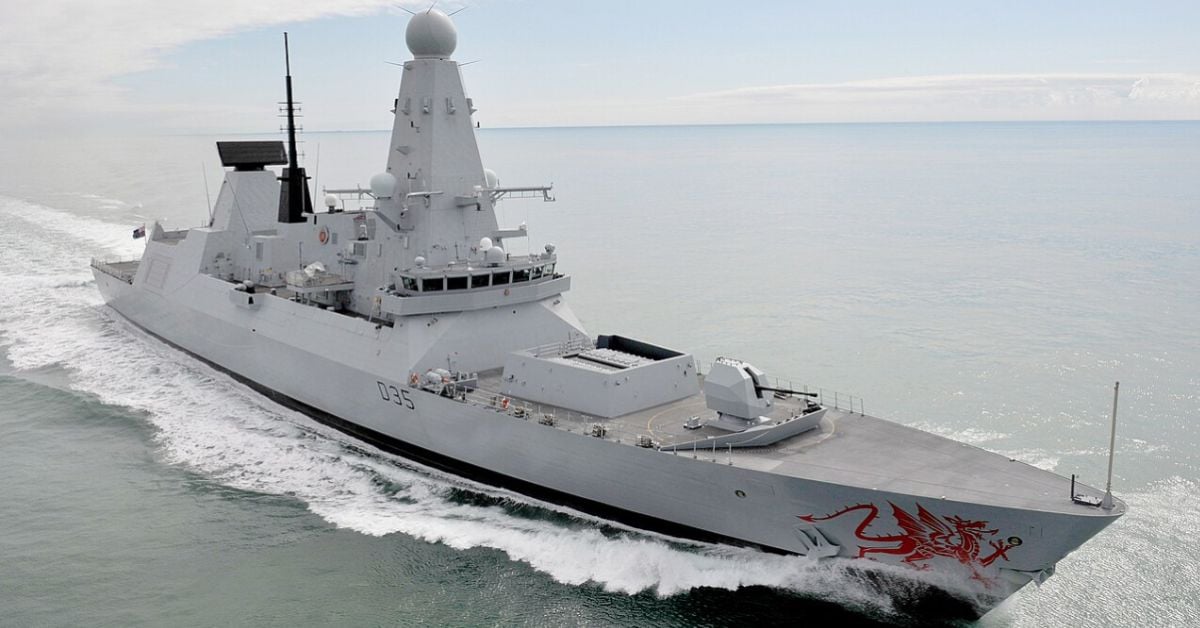
HMS Dragon's return narrows Royal Navy presence in the Gulf to one vessel
HMS Dragon's return to Portsmouth after seven months in the Gulf leaves just one Royal Navy vessel in the region, a narrow presence that demands scrutiny. This reduction comes as maritime threats persist, evidenced by recent drone and fire attacks targeting tankers near the Strait of Hormuz. For deeper context on those escalating risks, see our coverage of the strikes on three tankers. Measured vigilance, not alarm, is the appropriate response.
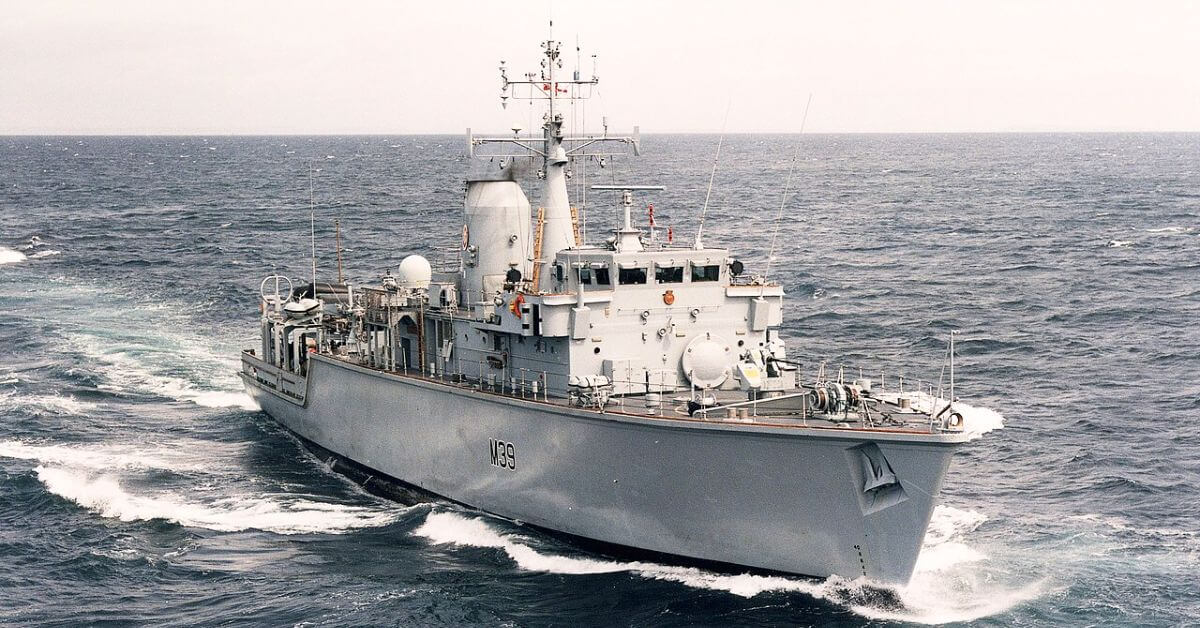
Case Mounts Against Royal Navy Sailor in Suspected Security Breach
A 24-year-old Royal Navy sailor appeared in a London court this week, accused of attempting to pass classified British military information to Russia. The case underscores a sobering reality: national security vulnerabilities persist even within trusted ranks. This is not an isolated incident of global maritime risk. Our related coverage of the *Black Sea Maritime Attacks Injure Two Indian Seafarers* highlights how threats to vessels and personnel remain dangerously active across multiple theaters.
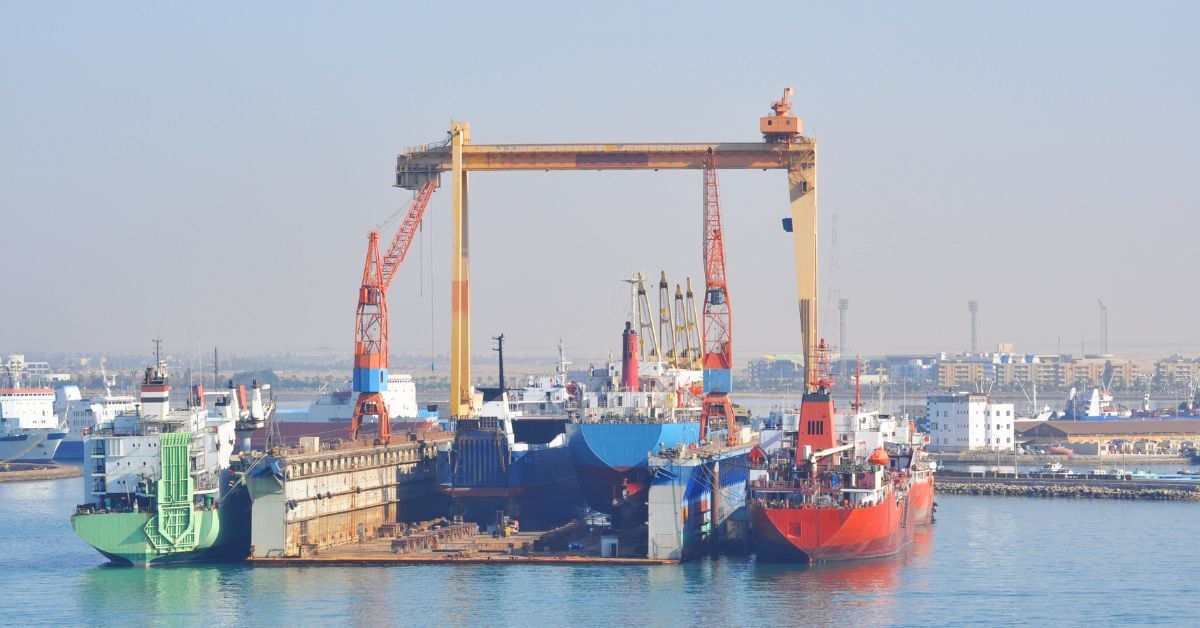
£6 billion naval infrastructure advances sovereign submarine fleet support
A £6 billion investment in three floating dry docks at Faslane signals a calibrated commitment to sovereign submarine fleet support. This is not merely infrastructure spending, it is a measurable reinforcement of naval capability, validated by long-term strategic necessity. The Royal Navy's nuclear fleet requires integrated, real-time maintenance capacity, and these dry docks deliver precisely that. For context, our coverage of the decommissioned frigate sunk off Scotland illustrates how allied naval exercises complement such investments. Understanding drives protection, and this funding reflects that principle.
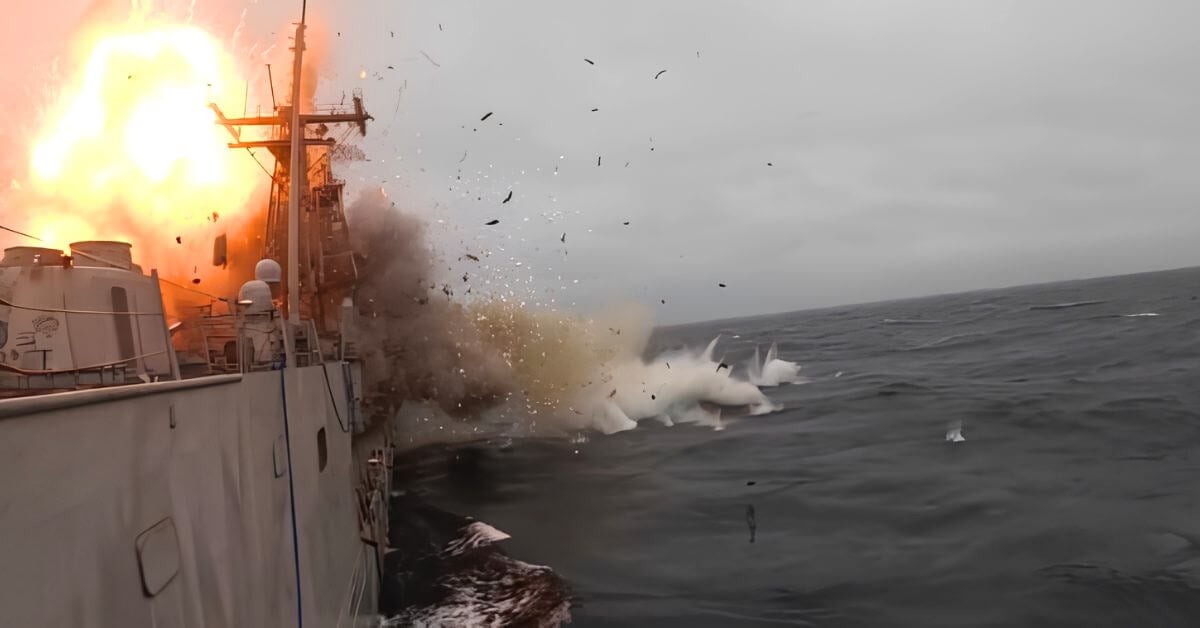
Decommissioned frigate sunk off Scotland in joint naval exercise
A decommissioned U.S. Navy frigate now rests on the seafloor off Scotland, sunk deliberately during a joint naval exercise with the UK. This is not a loss, it is a calibrated demonstration of interoperability and tactical readiness. Purposeful actions like these validate the integrated strategies our allies are refining. For deeper context on how naval powers are modernizing their fleets, see our coverage of the *U.S. Navy Accelerates Submarine Production with Integrated Strategy*. Understanding these exercises helps measure the real-time pulse of global maritime capability.
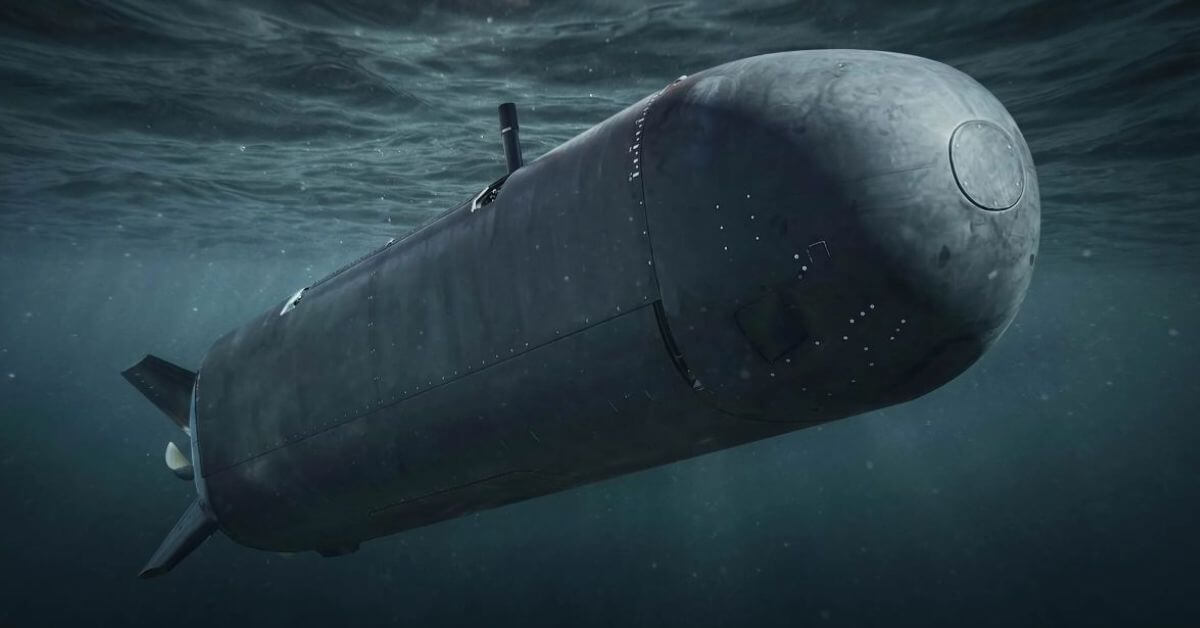
Autonomous Vessel Demonstrates Advanced Torpedo Deployment Capability
For the first time, Britain and the United States have test-fired a torpedo from an uncrewed underwater vessel, marking a calibrated step in maritime defense. The demonstration validates the integration of autonomous systems into complex operational roles, shifting the focus from concept to empirical capability. This is not about spectacle; it is about measurable progress in how we deploy ocean intelligence.
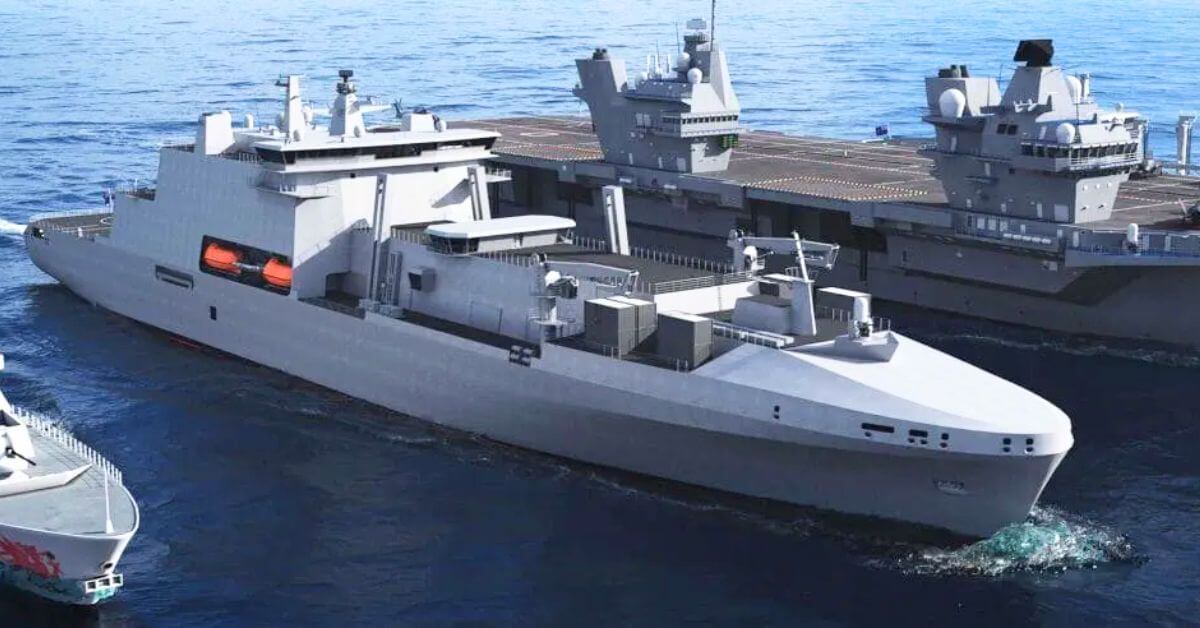
Resurgent's Construction Begins: A New Era for Royal Navy Support
The first block of RFA Resurgent has been lowered onto the Seahorse barge in Appledore, marking the official start of construction for the Royal Navy's newest support vessel. It is a measured, deliberate step forward, one that signals steady progress rather than fanfare. For those tracking the broader maritime picture, this milestone pairs well with our coverage of the collaborative shipbuilding initiative advancing ocean data capabilities in India. Together, they reflect a practical, integrated approach to naval and environmental strength.
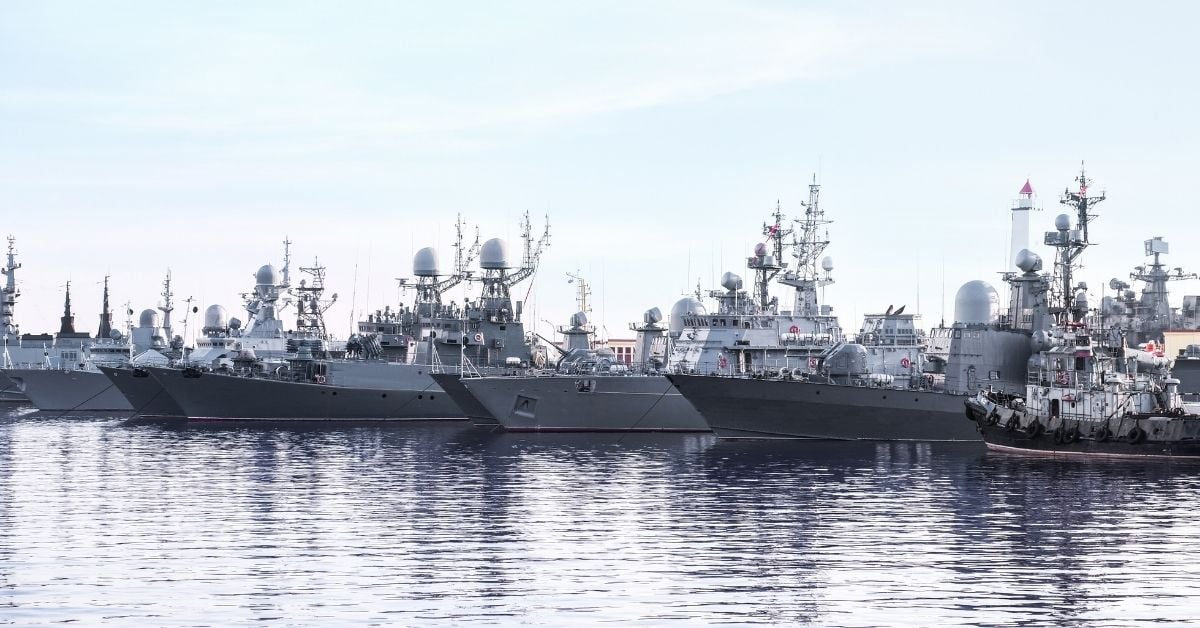
Multinational Task Force Maintains Maritime Security in the Indian Ocean.
Six months after deployment, Combined Task Force 151 has effectively suppressed piracy activity in the Indian Ocean, a success that warrants attention. This isn't merely a routine patrol; it reflects a calibrated, integrated approach to maritime security that holds up under real-world conditions. When operational discipline meets clear objectives, the results are measurable. For readers tracking the region's shifting dynamics, our coverage of the Gulf of Oman STS transfers offers a useful counterpoint.

Increased Naval Presence: UK Monitors Rising Russian Activity.
The latest figures land with quiet precision: UK authorities released new data on Russian naval activity weeks after interdicting a sanctioned shadow fleet tanker in the English Channel. This is measured escalation, not alarm. Intercepting that vessel sent a clear signal, and the numbers now confirm why. For readers tracking broader maritime pressure, India's fleet expansion offers a parallel thread. But here, the focus stays local: surveillance, deterrence, and the unglamorous work of patrolling our own waters.

Navy Drone Data Transmission Raises Cybersecurity Concerns, Ministry Confirms
A routine cyber vulnerability check on navy drones took an unexpected turn when the cameras onboard transmitted a squark to a Chinese IP address, the Ministry confirmed. The detail is precise, measurable, and worth pausing on. We do not speculate on intent, but the incident underscores why calibrated, peer-reviewed security protocols are not optional. For broader context on shifting maritime data infrastructure, see our coverage of "Integrated Subsea Infrastructure Shifts to Enhance Indian Ocean Connectivity.

Autonomous Vessel Validates Drone Recovery, Pioneering Ocean Intelligence.
For two days, ACUA Ocean and Teledyne FLIR Defense put an autonomous vessel through its paces, demonstrating drone recovery to the UK MOD and offshore industry partners. The validation of this integrated capability is a practical step forward for ocean intelligence. It proves that remote platforms can handle complex maritime operations reliably, reducing risk and expanding what is possible at sea.