surveillance
16 stories filed under surveillance on World Data Ocean. The newest of them: “French Defense Vessel Neutralizes Airborne Threat in Bab el-Mandeb Strait”, “India's Private Shipyard Delivers First Multipurpose Naval Vessel INS Samarthak”, and “US Forces Neutralize Iranian-Affiliated Vessel in Gulf of Oman”. A French frigate made a calibrated, real-time decision in the Bab el-Mandeb Strait, using its gun to destroy an airborne drone it judged to be a threat. On October 16, 2026, the Indian Navy commissioned INS Samarthak, the first multipurpose naval vessel built by a private Indian shipyard. A Global Hub for Ocean Intelligence 4 World Data Ocean is a centralized digital platform where researchers, scientists, and ocean enthusiasts converge to… The list below is every surveillance story on World Data Ocean, newest first.
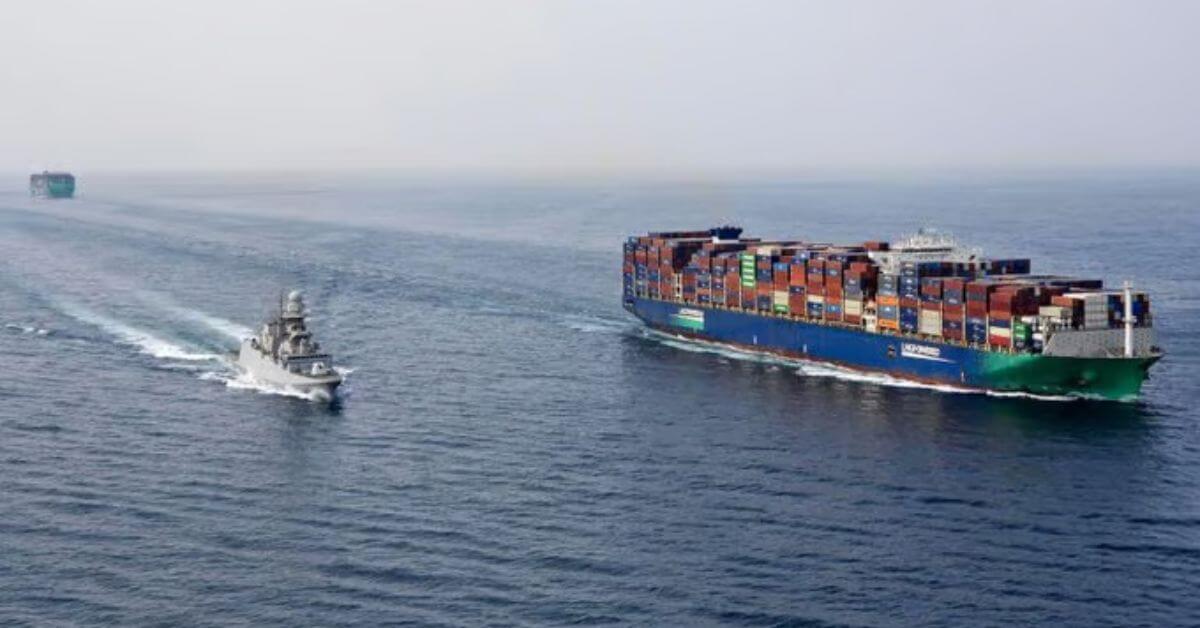
French Defense Vessel Neutralizes Airborne Threat in Bab el-Mandeb Strait
A French frigate made a calibrated, real-time decision in the Bab el-Mandeb Strait, using its gun to destroy an airborne drone it judged to be a threat. This measured use of force underscores the growing need for integrated naval defense in critical shipping lanes. For deeper context on maritime security and the vessels involved, see our coverage of "India's Private Shipyard Delivers First Multipurpose Naval Vessel INS Samarthak."
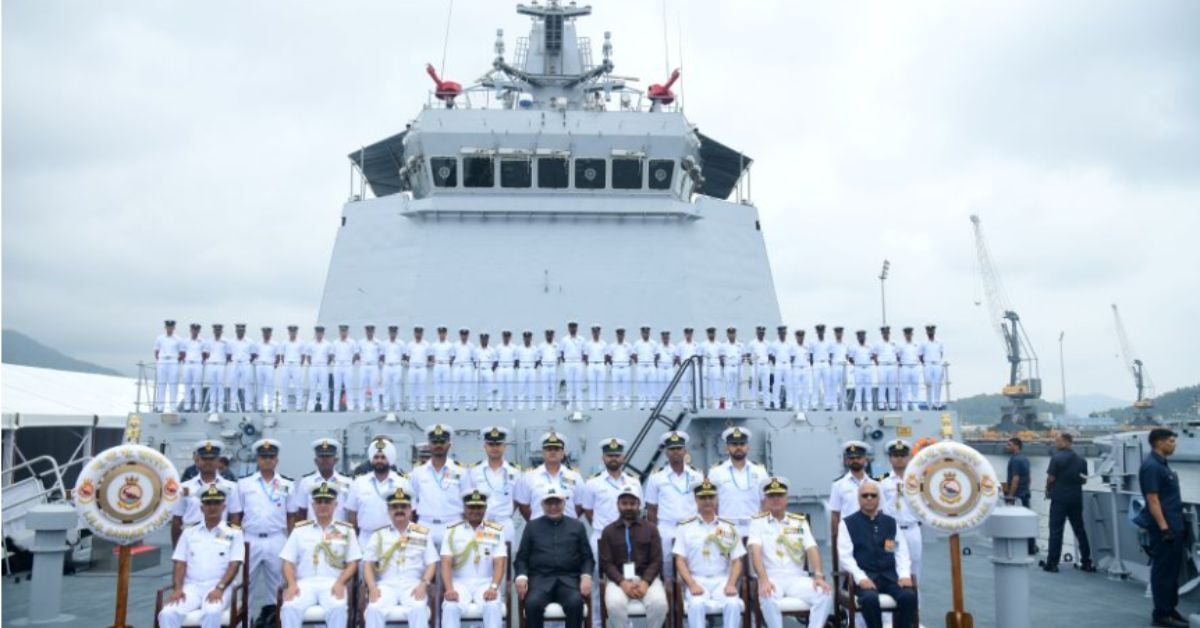
India's Private Shipyard Delivers First Multipurpose Naval Vessel INS Samarthak
On October 16, 2026, the Indian Navy commissioned INS Samarthak, the first multipurpose naval vessel built by a private Indian shipyard. This milestone validates the country's growing capacity for indigenous, integrated naval construction. Measurable progress in maritime sovereignty demands such calibrated steps. For a parallel in polar capability, see our coverage of Canada's largest polar icebreaker, CCGS Imnaryuaq, now under construction to expand Arctic ocean intelligence.
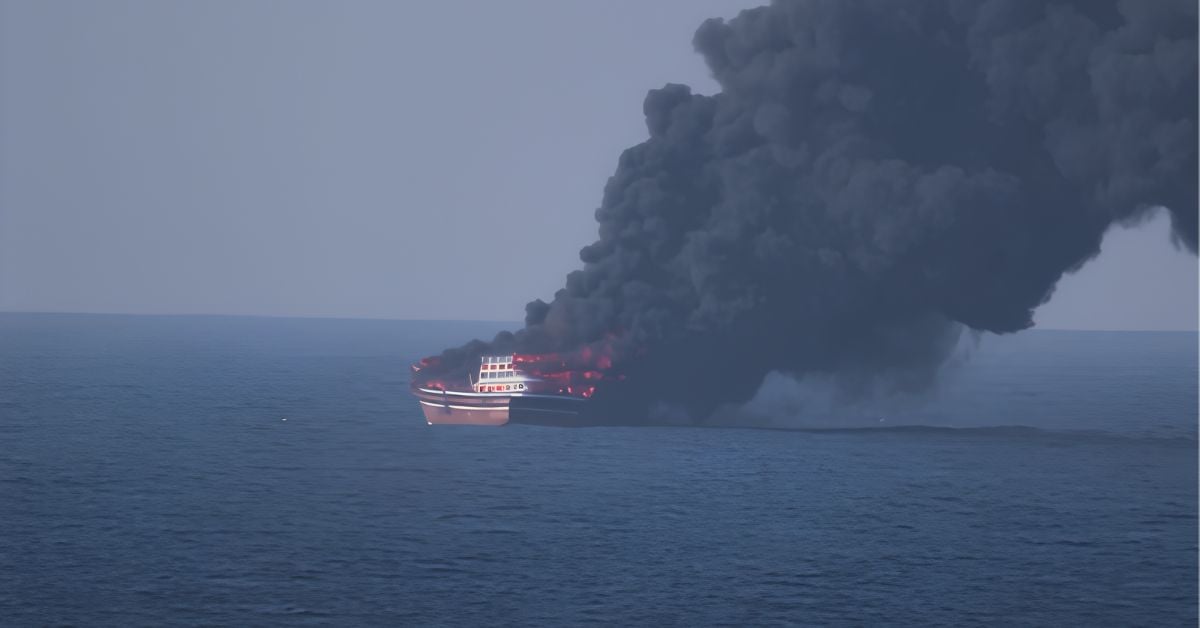
US Forces Neutralize Iranian-Affiliated Vessel in Gulf of Oman
A U.S. naval force destroyed an Iranian-affiliated dhow in the Gulf of Oman after it was accused of conducting surveillance on American warships. The action underscores the escalating maritime tensions in a region already defined by fragile data and contested waterways. For context on the stakes for ocean intelligence, see our related coverage of the Strait of Hormuz Posture Raises Stakes for Maritime Data Verification. Understanding drives protection, but only when the data is validated.
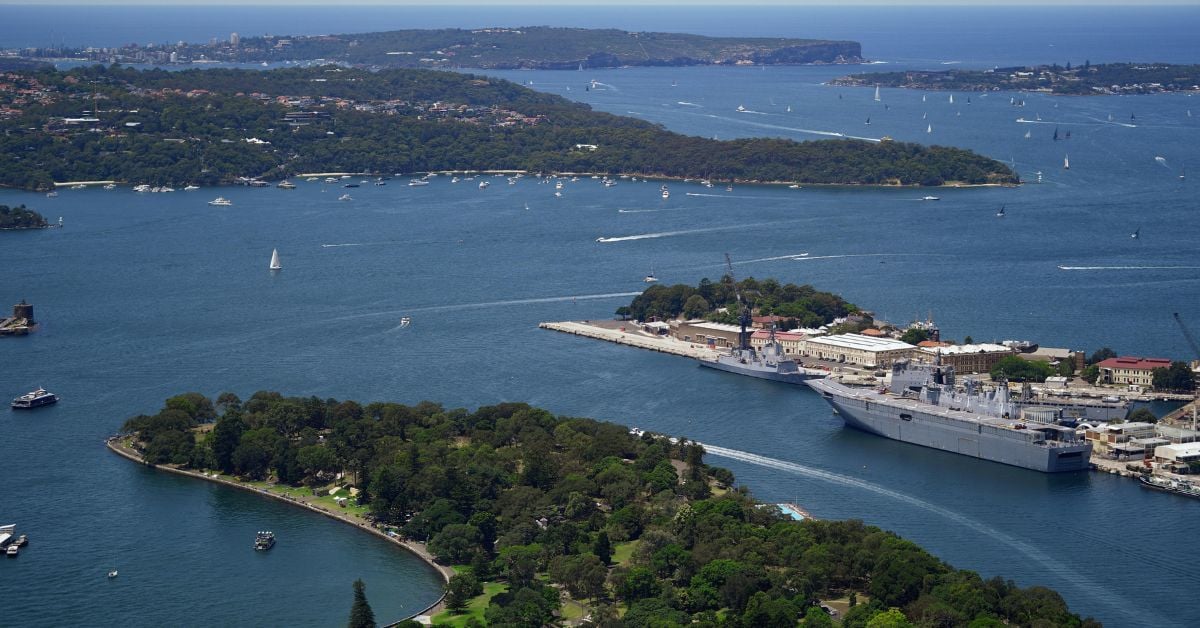
Enhanced Monitoring: China Expands Djibouti Base Near Key Shipping Lanes
Satellite imagery shows Beijing has expanded its Djibouti base with new radars, antennas, and naval assets, sharpening its watch over one of the world's busiest maritime corridors. The move is measured, deliberate, and strategically clear. It is not about alarm; it is about presence. For readers tracking how naval power reshapes trade routes, this pairs naturally with our report on Gulf of Oman STS transfers maxing out.
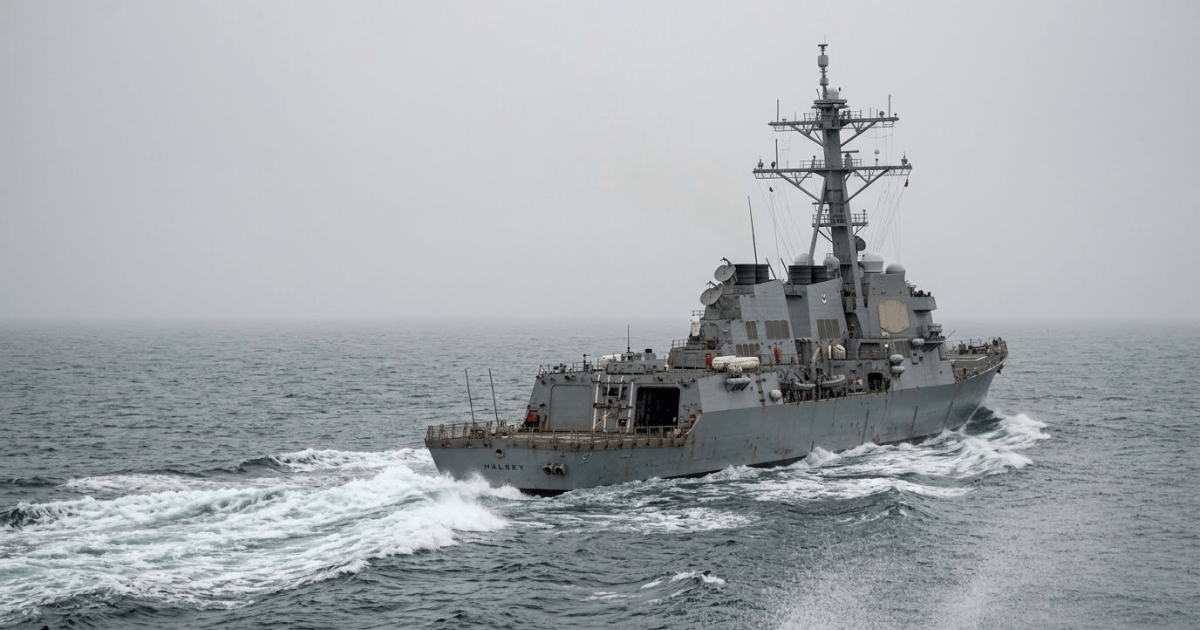
AI-Enabled Research Targets US Naval Assets in the Middle East
An Iran-linked account weaponized Claude AI to compile targeting data on US naval assets in the Middle East. Anthropic's revelation underscores a sobering reality: even tools built for discovery can be repurposed for threat. This is not alarmism, it is a validated, empirical signal of how rapidly ocean intelligence and AI converge on security. Understanding drives protection. Our related coverage of the Navy's accelerated autonomous systems integration offers deeper context on how maritime defense evolves in parallel.
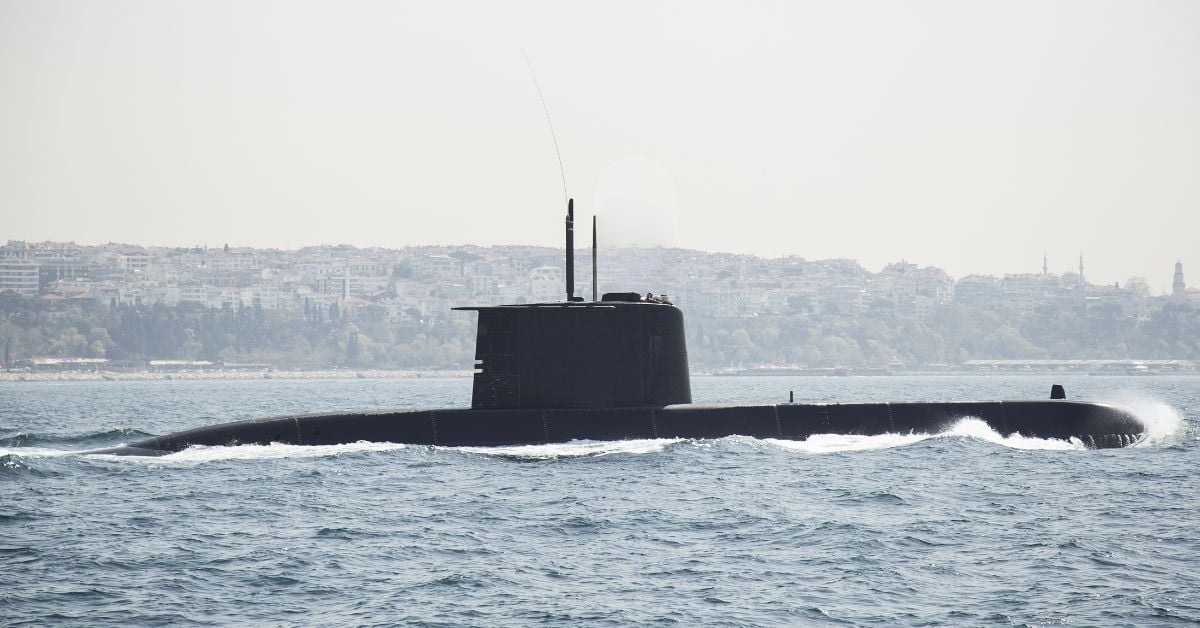
Autonomous Drone Encounter Highlights Growing Maritime Technology in the Hormuz Strait
The underwater drone detected near the Hormuz Strait is likely Anduril's Dive-D, a calibrated, autonomous system built for defense. This sighting underscores a measurable shift: maritime technology is no longer confined to surface vessels. Empirical observation of such platforms matters, because understanding drives protection. For deeper context on regional shipping pressures, see our coverage of "Gulf of Oman STS Transfers Max Out Amid Rising Saudi Oil Exports." The strait's future demands integrated, peer-reviewed intelligence, not alarm.
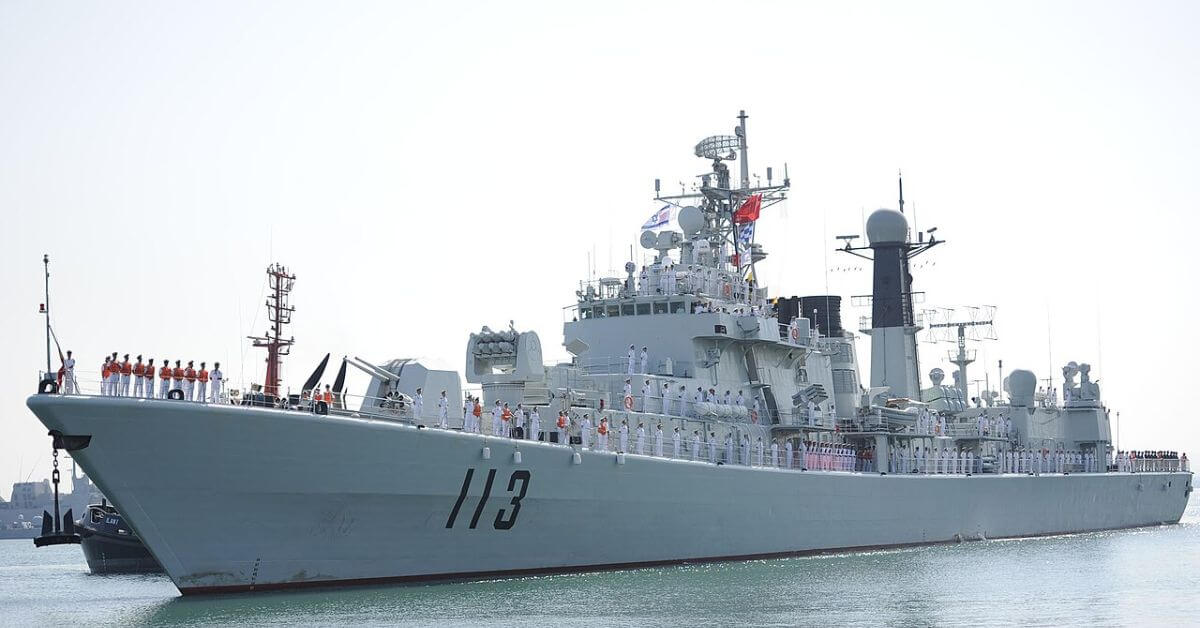
AI Calibration Reduces Risk of Escalation in Maritime Disputes
Calibrated AI is now helping maritime commanders weigh responses in real time, with researchers reporting that the system can reduce escalation by suggesting less forceful options, like water cannons over lethal weapons. That measured judgment matters in crowded waters where a misstep carries heavy cost. We see this as a practical step toward de-escalation, not a replacement for human oversight. For more on how AI is being refined in this space, our related piece on the Dragon Hatchling model's reasoning trade-offs offers useful context.
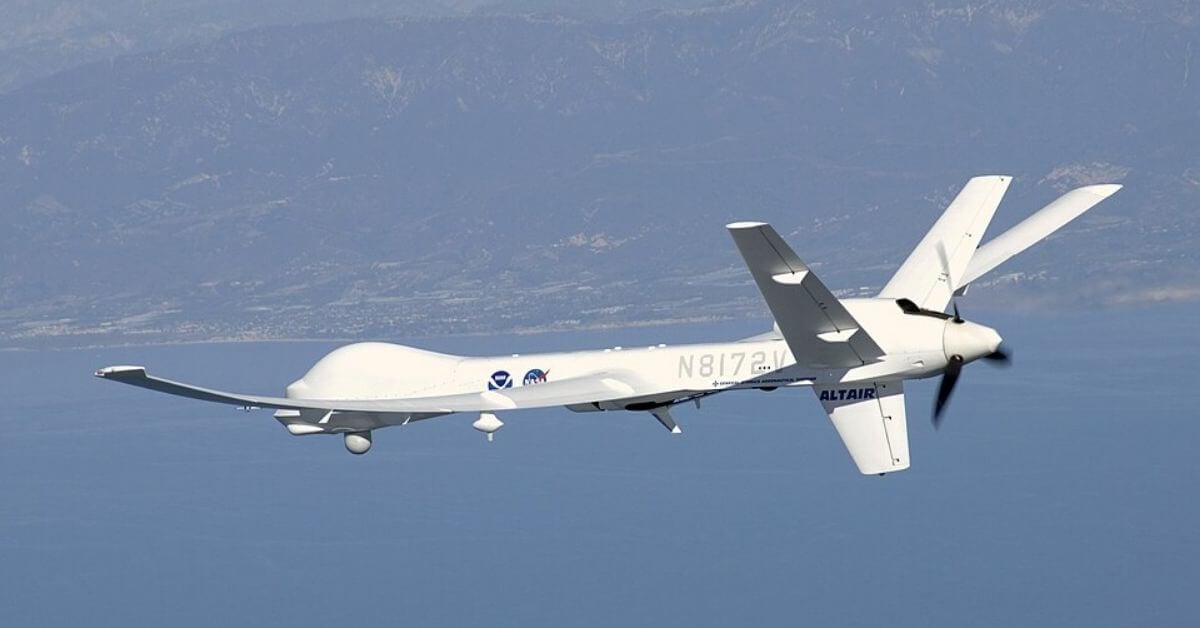
Escalation in Strait of Hormuz: Iran Intercepts US Drone.
Iran's interception of a US MQ-9 Reaper over the Strait of Hormuz sharpens a familiar tension: the world's most vital energy artery now doubles as a flashpoint for drone-versus-drone bravado. The Reaper, a medium-altitude workhorse from General Atomics, is built for persistence, yet here it met a check on that persistence. This is calibrated pressure, not chaos, and it demands measured reading. For broader maritime context, our related piece on Gulf of Oman STS transfers maxing out offers useful framing.
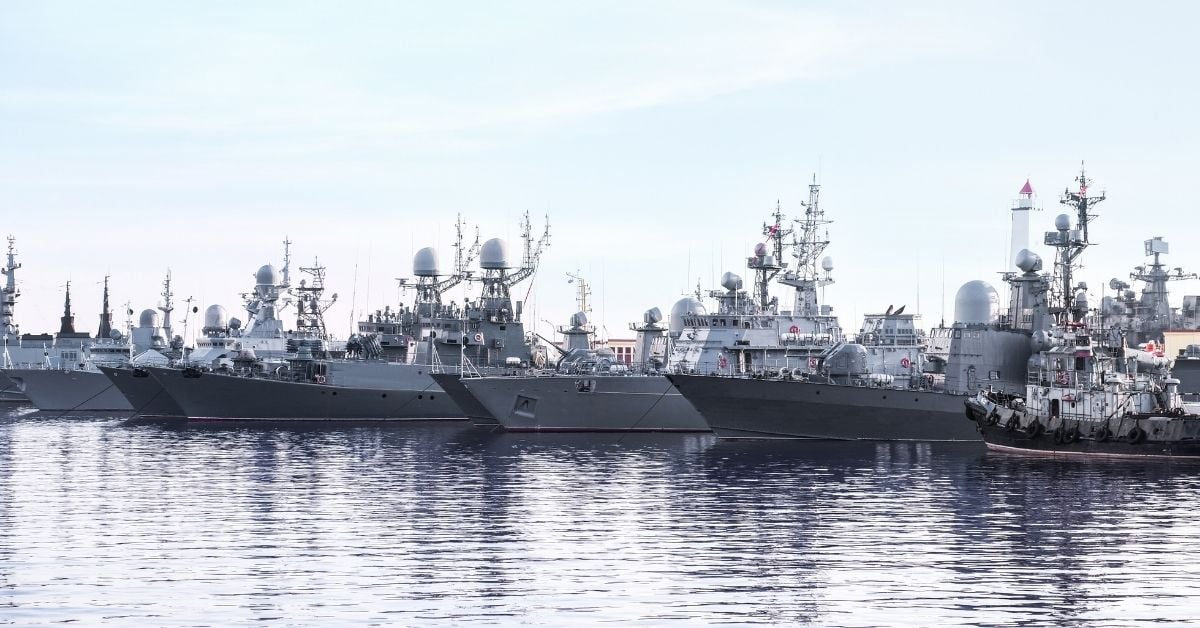
Multinational Task Force Maintains Maritime Security in the Indian Ocean.
Six months after deployment, Combined Task Force 151 has effectively suppressed piracy activity in the Indian Ocean, a success that warrants attention. This isn't merely a routine patrol; it reflects a calibrated, integrated approach to maritime security that holds up under real-world conditions. When operational discipline meets clear objectives, the results are measurable. For readers tracking the region's shifting dynamics, our coverage of the Gulf of Oman STS transfers offers a useful counterpoint.

Shipping Corridor Established: U.S. Facilitates Oil Flow Through Hormuz
The U.S. military has quietly established a shipping corridor through the Strait of Hormuz, moving millions of barrels of oil daily. It is a measured, logistical response to a volatile region, and one that carries real strategic weight. The move underscores the practical realities of maintaining energy flow when diplomatic channels remain fragile. For context on how pressure is building nearby, our related piece, "Gulf of Oman STS Transfers Max Out Amid Rising Saudi Oil Exports," offers a clearer picture of the strain.

India Advances Submarine Fleet Modernization with German Acquisition
The Indian Navy's decision to advance submarine fleet modernization through a German acquisition addresses a pressing operational gap. With conventional submarine numbers falling short of requirements, this programme is not merely procedural; it is a calibrated response to shifting maritime realities. We see this as a practical step toward sustaining underwater deterrence, though the timeline will test both industrial coordination and strategic patience.

Increased Naval Presence: UK Monitors Rising Russian Activity.
The latest figures land with quiet precision: UK authorities released new data on Russian naval activity weeks after interdicting a sanctioned shadow fleet tanker in the English Channel. This is measured escalation, not alarm. Intercepting that vessel sent a clear signal, and the numbers now confirm why. For readers tracking broader maritime pressure, India's fleet expansion offers a parallel thread. But here, the focus stays local: surveillance, deterrence, and the unglamorous work of patrolling our own waters.

International Collaboration Intercepts Nearly Half a Tonne of Cocaine.
Operation White Sea VI, a collaboration of 14 nations, intercepted nearly half a tonne of cocaine before it reached European shores. The seizure is a measurable win for maritime security, but its real value lies in what it demonstrates: coordinated intelligence works. When nations share calibrated data across borders, criminal networks lose ground. This interdiction echoes the broader mission we track in our coverage, from ocean security to climate resilience.

Securing Coastal Waters: Coast Guard Explores Counter-Drone Technologies.
The U.S. Coast Guard is moving deliberately to harden its coastal defenses, seeking industry input on counter-drone platforms that can be integrated into existing networks. This is a measured step toward addressing an evolving threat with calibrated, practical solutions. Unmanned systems demand a response that is both real-time and reliable. Understanding drives protection, and this exploration reflects that principle. For broader context on maritime security efforts, our coverage of Maritime Interdictions Yielding 25,000 Pounds of Cocaine offers a complementary view of the service's operational reach.

Expanding Maritime Capacity: Indian Coast Guard to Deploy 300 New Vessels.
A 117-metre vessel is a statement of intent, and the Indian Coast Guard is making one with 300 of them. This expansion, with each ship carrying 11 officers and 110 personnel at a top speed of 23 knots, is a calibrated investment in maritime reach. It is a practical, measurable response to the demands of ocean stewardship, reinforcing that protection is as much about presence as it is about policy.

Solomon Islands, U.S. Coast Guard Formalize Maritime Security Partnership.
The Solomon Islands and U.S. Coast Guard have formalized a maritime security partnership, anchored by a planned ship-rider agreement. This move arrives as Washington intensifies its Pacific engagement, countering China's expanding influence. It is a pragmatic step, one that prioritizes operational trust over rhetoric. For readers tracking regional dynamics, our related coverage on integrated subsea infrastructure shifting Indian Ocean connectivity offers useful context on how strategic ties are being redrawn. Measured, deliberate, and necessary, this agreement reflects the quiet work of building lasting maritime order.