Somalia
Somalia at World Data Ocean is a file of 14 stories. The newest of them: “Digital insights for small-scale fisheries governance in Somalia”, “Iraqi Clan Retakes Hijacked Tanker in Five-Hour Gulf of Aden Action”, and “Somalia’s Fisheries: Governance Gaps Fuel IUU Fishing and Resource Depletion”. Small-scale fisheries in Somalia sustain coastal livelihoods and food security, yet fragmented information and weak governance undermine effective management. A five-hour firefight in the Gulf of Aden ended with an Iraqi clan retaking a hijacked tanker from Somali pirates. A Global Hub for Ocean Intelligence 4 World Data Ocean is a centralized digital platform where researchers, scientists, and ocean enthusiasts converge to… The list below is every Somalia story on World Data Ocean, newest first.

Digital insights for small-scale fisheries governance in Somalia
Small-scale fisheries in Somalia sustain coastal livelihoods and food security, yet fragmented information and weak governance undermine effective management. This structured review of 104 peer-reviewed sources finds that digitalization can improve monitoring, coordination, and decision support, but lasting gains in governance remain uneven. Connectivity, digital literacy, and institutional trust matter most. For Somalia, the review identifies an information, governance gap and proposes a coordinated, accountable digital framework. Related coverage of climate-driven fish migration and new rules for shared stocks deepens this picture.

Iraqi Clan Retakes Hijacked Tanker in Five-Hour Gulf of Aden Action
A five-hour firefight in the Gulf of Aden ended with an Iraqi clan retaking a hijacked tanker from Somali pirates. This is not state-led naval intervention; it is tribal action with measurable results. The Al-Shaghanba clan demonstrated that localized force, when calibrated and decisive, can succeed where broader operations often stall. Such empirical outcomes challenge assumptions about maritime security. For deeper context on regional interdiction efforts, see our coverage of "Puntland Forces Intercept Hijacked, US-Sanctioned Oil Tanker After 48 Hours."
Somalia’s Fisheries: Governance Gaps Fuel IUU Fishing and Resource Depletion
Somalia's fisheries governance has unraveled since 1991, leaving its Exclusive Economic Zone exposed to foreign fleets operating without accountability. This systematic review confronts a hard truth: institutional fragmentation between Mogadishu and federal member states, weak surveillance, and corruption have rendered UNCLOS, the PSMA, and IOTC measures insufficient on their own. The paper argues convincingly that centralized enforcement and decentralized governance are mismatched tools. A hybrid model, blending state capacity with community co-management and technological monitoring, offers a more credible path forward.
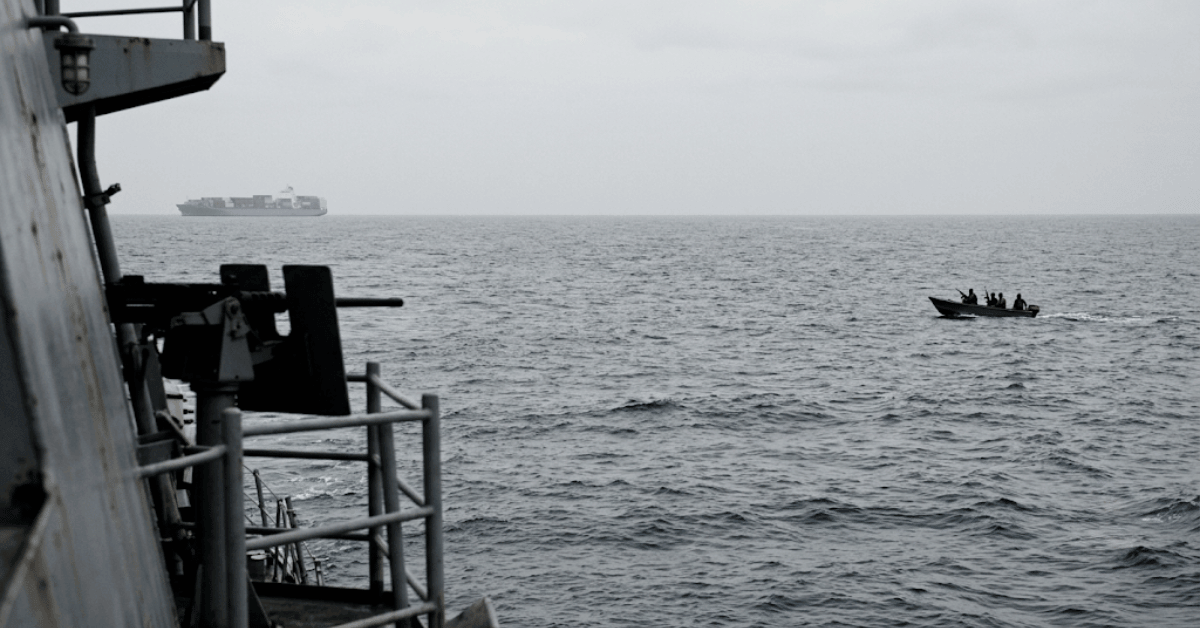
Integrated Maritime Security: Red Sea Nations Enhance Ocean Intelligence Efforts
The Red Sea's security perimeter is tightening as Ethiopia, Yemen, Djibouti, and Somalia move to align their maritime strategies against rising piracy, trafficking, and regional friction. This is not abstract policy; it is the practical work of building an integrated data ecosystem where ocean intelligence becomes a shared asset. For readers tracking how these dynamics unfold, our related coverage on Gulf of Oman STS transfers offers useful context on the region's commercial pressures. Cooperation here is measured, deliberate, and long overdue.
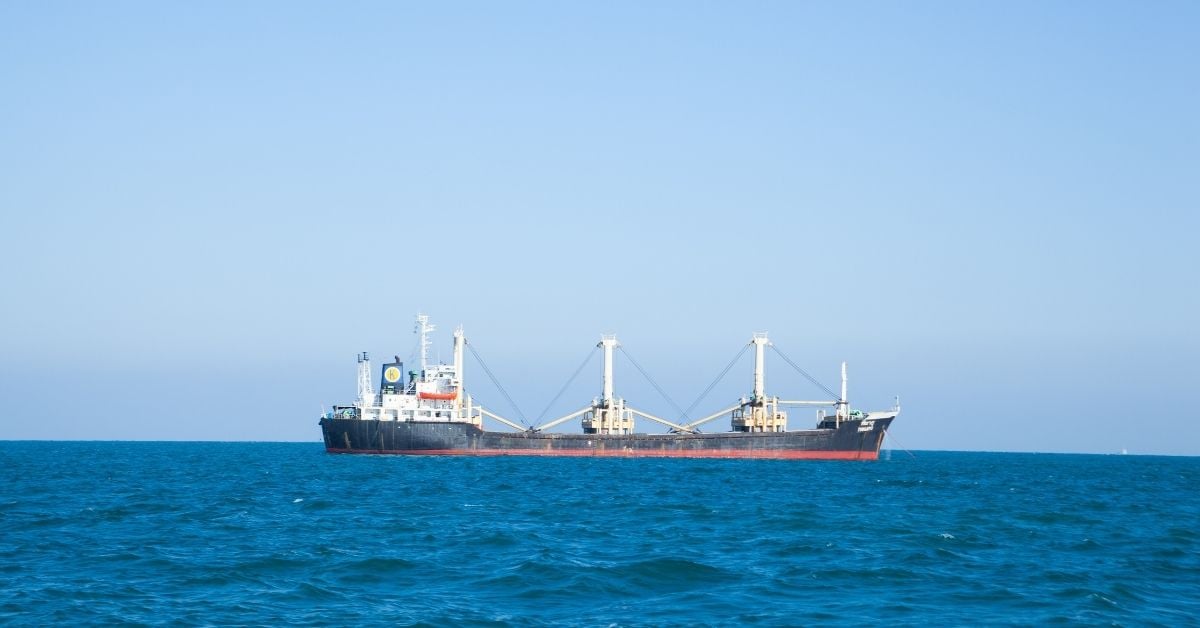
Joint Forces Intervene: Maritime Security Operation Frees Hijacked Vessel
The Turkish Navy and Somalia's Armed Forces concluded a decisive 10-day operation, neutralizing 14 pirates and freeing a hijacked vessel. This is what coordinated maritime security looks like when measured action meets clear objectives. The operation underscores a practical truth: effective ocean stewardship requires persistent, joint commitment, not just policy. For broader context on regional maritime pressures, our related coverage on Gulf of Oman STS transfers offers valuable perspective. This success signals a calibrated, reliable approach to protecting vital sea lanes.

Multinational Task Force Maintains Maritime Security in the Indian Ocean.
Six months after deployment, Combined Task Force 151 has effectively suppressed piracy activity in the Indian Ocean, a success that warrants attention. This isn't merely a routine patrol; it reflects a calibrated, integrated approach to maritime security that holds up under real-world conditions. When operational discipline meets clear objectives, the results are measurable. For readers tracking the region's shifting dynamics, our coverage of the Gulf of Oman STS transfers offers a useful counterpoint.

Maritime Security Incident: Two Vessels and 22 Crew Affected by Piracy.
Two merchant vessels, carrying 22 Indian crew members total, have been hijacked by pirates in separate incidents off Yemen and Somalia. The attacks underscore the persistent threat maritime piracy poses to seafarers and global shipping lanes. This is not a distant problem; it is a live disruption to the ocean economy and the people who move it. For deeper context on regional responses, our report on Puntland Forces Intercept Hijacked, US-Sanctioned Oil Tanker After 48 Hours illustrates the ongoing volatility.

Red Sea Incident: Unmanned Cargo Vessel Sustains Total Loss.
The loss of an unmanned cargo vessel to unknown projectiles in the southern Red Sea marks a stark instance of maritime vulnerability. The UKMTO's declaration of a total loss is a measurable outcome, yet the incident underscores a broader fragility in a region already defined by complex logistics. We view this not with alarm, but as a calibrated data point. It validates why integrated, real-time ocean intelligence is essential for understanding risk.

Somali Hijacking: Status of Crew on Cargo Ship Lutuf Unconfirmed
The confirmed hijacking of the cargo ship *Lutuf* off Somalia's coast, as reported by the UKMTO, leaves the crew's status unresolved. For those of us tracking maritime security, this silence is the most pressing detail. The uncertainty underscores how fragile safe passage remains in these waters. While diplomatic efforts focus on chokepoints like the Strait of Hormuz, as our coverage of the phased negotiations suggests, the Indian Ocean's own risks demand equal attention. We will keep a close watch on developments.
Somalia's Coastal Turtle Exploitation: Drivers, Practices, and Local Perspectives
Along Somalia's Mogadishu and Adale coasts, marine turtle extraction is not accidental bycatch but a targeted, commercialised practice. New empirical data from 25 artisanal fishermen reveals intact Green and Loggerhead turtles commanding up to 120 USD, driven by ethnobiological beliefs in unverified medicinal uses. This demand exposes consumers to chelonitoxism and heavy metal risks. With local enforcement functionally absent, top-down prohibition alone will fail. Co-management and public health messaging offer a more viable path.

Maritime Coalition Deployed to Safeguard Red Sea Trade Routes.
A coalition of member states has deployed to safeguard Red Sea trade routes, with the alliance focused on protecting freedom of navigation, international commerce, and energy supply lines. The move reflects a measured commitment to maritime stability in a region where disruption carries global consequences. Protecting these waters is not optional; it is foundational to the interconnected systems that sustain economies.

Somali Pirates Sentenced to Life Imprisonment for MV Ruen Hijacking.
A Special Court in Mumbai delivered life imprisonment verdicts to 44 Somali pirates across two judgments for the MV Ruen hijacking. The ruling is a measured, evidence-based outcome that underscores how maritime law can hold accountable those who threaten global shipping. It is a firm response, though not an alarmist one, to a serious violation of ocean security. For deeper context on the incident's resolution, our related piece, "Crew Freed: Integrated Data Confirms Resolution of Somali Hijacking Incident," offers further detail.

Maritime Security Data Reveals Surge in Piracy, Malacca Strait Hotspot
Piracy incidents rose to 137 in 2025, with the Malacca Strait emerging as the primary hotspot, according to the latest maritime security data. The concentration of cases in this critical waterway underscores persistent vulnerabilities in one of the world's busiest shipping lanes. This is not a distant problem; it is a measurable strain on the integrated data ecosystem that underpins global trade.
Market Tuna in Somalia: Abundance as Indicator of Sustainability?
Visible abundance is not the same as verified sustainability. In Somali markets, the steady presence of tuna can easily read as a sign of healthy stocks, particularly where data is scarce. Yet this perspective article argues that market visibility can mask ecological uncertainty, shaped by demand, global connectivity, fishing pressure, and weak governance. The proposed framework introduces *perceived abundance bias* to explain how frequent sightings mislead. Market signals alone cannot substitute for empirical monitoring, a lesson that extends beyond Somalia to data-poor fisheries worldwide.