tonnage
World Data Ocean keeps tonnage in one place: 8 stories so far. The section currently leads with “Recycling declines 13% as high freight rates keep aging vessels in service”, “MSC Baltic III Salvage Operation Advances Following Grounding Near Newfoundland”, and “Oceania Sonata: A New Era of Luxury Cruising Takes Shape”. A 13% decline in ship recycling this year signals a troubling shift in maritime economics. On February 15, 2025, the *MSC Baltic III* lost power 12 nautical miles from Newfoundland's Bay of Islands, grounding a vessel that now demands a measured, data-driven salvage response. A Global Hub for Ocean Intelligence 4 World Data Ocean is a centralized digital platform where researchers, scientists, and ocean enthusiasts converge to… The list below is every tonnage story on World Data Ocean, newest first.
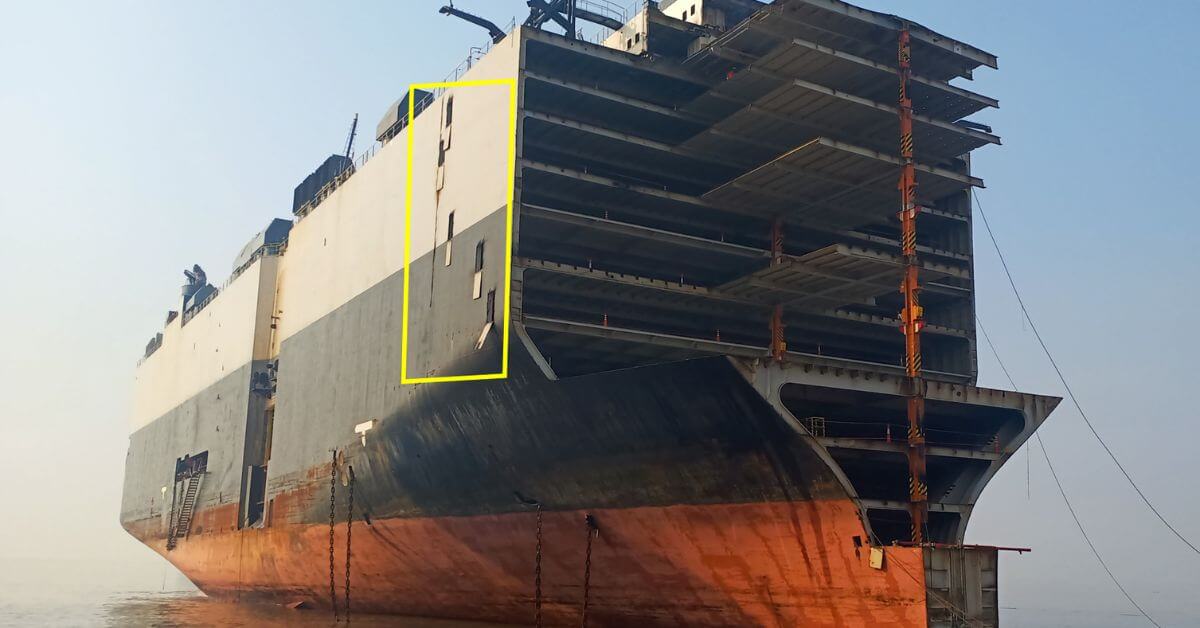
Recycling declines 13% as high freight rates keep aging vessels in service
A 13% decline in ship recycling this year signals a troubling shift in maritime economics. High freight rates are incentivizing owners to keep aging vessels in service rather than sending them for scrap. This postpones much-needed fleet modernization and extends the operational life of less efficient ships. Understanding these market forces is critical for measuring progress across the sector. For deeper insights into vessel design innovation, read our coverage of Wallenius Marine's WinPrOVeDD project.

MSC Baltic III Salvage Operation Advances Following Grounding Near Newfoundland
On February 15, 2025, the *MSC Baltic III* lost power 12 nautical miles from Newfoundland's Bay of Islands, grounding a vessel that now demands a measured, data-driven salvage response. This is not a moment for alarmism. It is an opportunity to apply integrated ocean intelligence, where real-time conditions and validated protocols guide every decision. Understanding drives protection. For deeper context on maritime risks, see our coverage of the "Centennial TNT Leak Highlights Risks from Historic Submarine Wrecks."
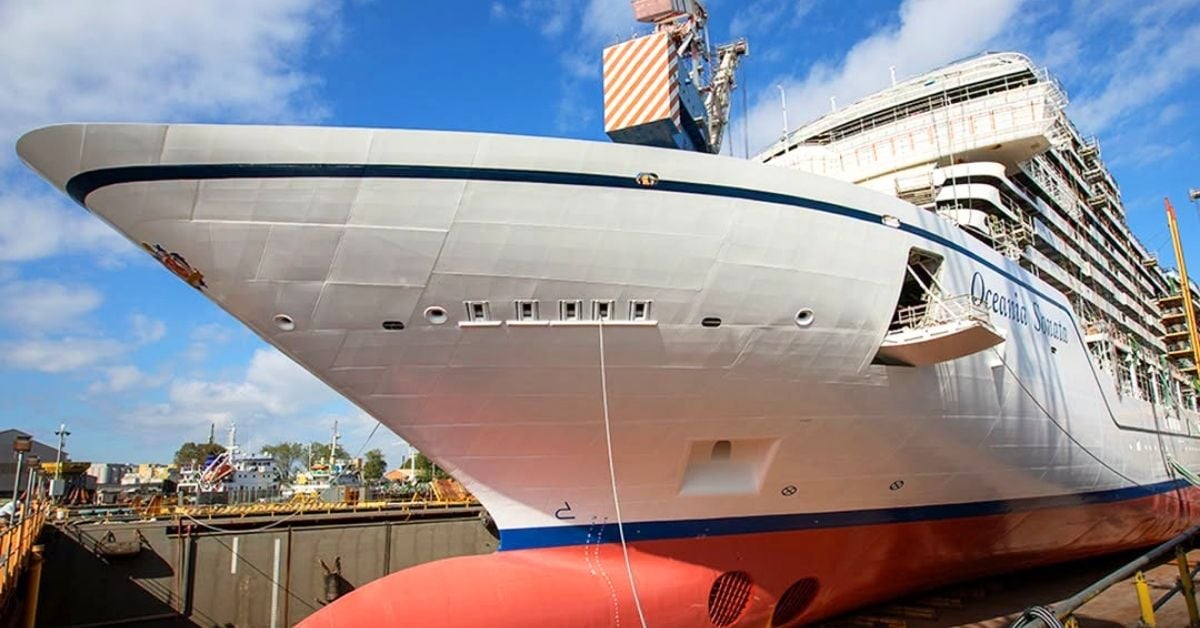
Oceania Sonata: A New Era of Luxury Cruising Takes Shape
Fincantieri and Oceania Cruises have marked a significant milestone with the launch of Oceania Sonata, a new luxury vessel now taking shape. The ship represents a measured step forward in maritime design, one that pairs refined comfort with the precision engineering the yard is known for. It is a reminder that thoughtful construction and environmental responsibility can move in tandem. For readers tracking broader maritime developments, our coverage of the recent bulk carrier grounding near Gladstone offers a contrasting look at the industry's operational challenges.
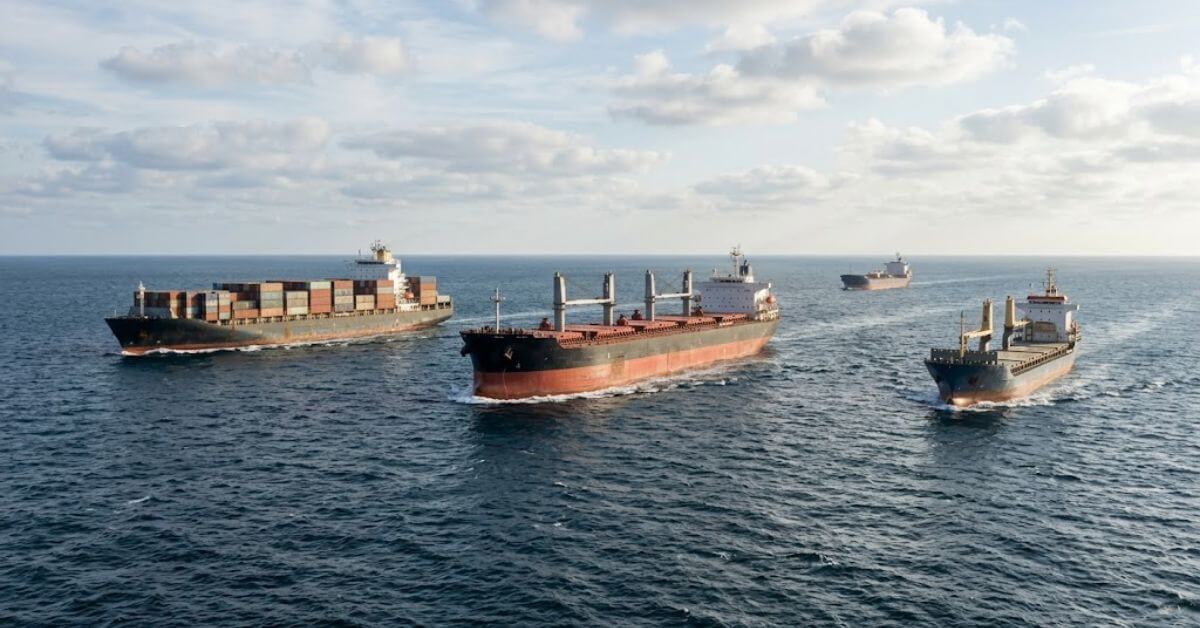
Expanding India's Fleet: A Push for Maritime Independence and Cost Parity
Indian ship owners face a 16-20% cost penalty flying the national flag, a gap that undermines maritime self-reliance before it can scale. Closing that differential is not merely fiscal; it is strategic. Lower operational costs would shift tonnage back to Indian registry, strengthening supply-chain security and bargaining power. The push toward cost parity aligns with broader regional momentum, including Russia's calibrated export levies for its icebreaker fleet. This is a practical, measurable step toward independence, and one worth watching closely.

SAIPEM 7000 Transit Highlights Maritime Traffic and Ocean Operations.
The SAIPEM 7000, the world's third-largest crane ship, recently transited the Dardanelles Strait, a maneuver that underscores the constant, calibrated movement underpinning global maritime operations. This heavy-lift and pipelay vessel represents the integrated infrastructure that keeps energy supply chains moving. For readers tracking these dynamics, our coverage of "Gulf of Oman STS Transfers Max Out Amid Rising Saudi Oil Exports" offers a complementary view of how vessels adapt to shifting demand. Understanding these operational rhythms is key to measuring real-world climate and trade indicators.

Naval Investment: Trump-Class Battleships to Reach $275 Billion
The Trump-Class Battleship program carries a $275 billion price tag, with the lead vessel alone reaching $23.4 billion. That is a staggering commitment, but it signals a deliberate move toward sustained maritime dominance. We see this as a statement of intent, not just a budget line. For context on how other nations are scaling their fleets, our coverage of India's expanded naval projections offers a useful counterpoint. Battleship investments of this scale demand scrutiny, yet they underscore a clear strategic calculus.

Seafarer Wellbeing Declines: Workload and Shore Leave Impact Happiness.
The Seafarers Happiness Index fell to 6.87 in Q2 2026, a measurable decline driven by mounting workloads, shrinking shore leave, and eroding purchasing power. These are not abstract pressures; they are the quiet costs of sustained maritime demand. When crew wellbeing slips, operational resilience follows. For context on the pressures reshaping crew schedules, our coverage of Gulf of Oman STS Transfers Max Out Amid Rising Saudi Oil Exports shows how intensifying trade flows strain the very systems crews depend on.

Norwegian Star's Arrival Highlights Aberdeen's Growing Cruise Capacity
The Norwegian Star's arrival in Aberdeen's South Harbour, carrying 2,366 guests from Newhaven, signals more than a routine call. It marks a measurable expansion of Scotland's maritime infrastructure, a development worth tracking closely. As cruise capacity grows, so does the need for integrated port intelligence that supports both economic vitality and environmental responsibility. This is not isolated growth; it parallels broader ocean security efforts, such as those detailed in our coverage of recent Coast Guard interdictions.