shipowners
World Data Ocean keeps shipowners in one place: 25 stories so far. The section currently leads with “Retrofitting the Fleet: Measurable Steps Toward a Decarbonized Ocean”, “Recycling declines 13% as high freight rates keep aging vessels in service”, and “Validating wind propulsion designs to advance measurable decarbonization at sea”. The fleet that must decarbonise by 2035 is already at sea, making retrofits a matter of measurable necessity rather than future planning. A 13% decline in ship recycling this year signals a troubling shift in maritime economics. A Global Hub for Ocean Intelligence 4 World Data Ocean is a centralized digital platform where researchers, scientists, and ocean enthusiasts converge to… The list below is every shipowners story on World Data Ocean, newest first.
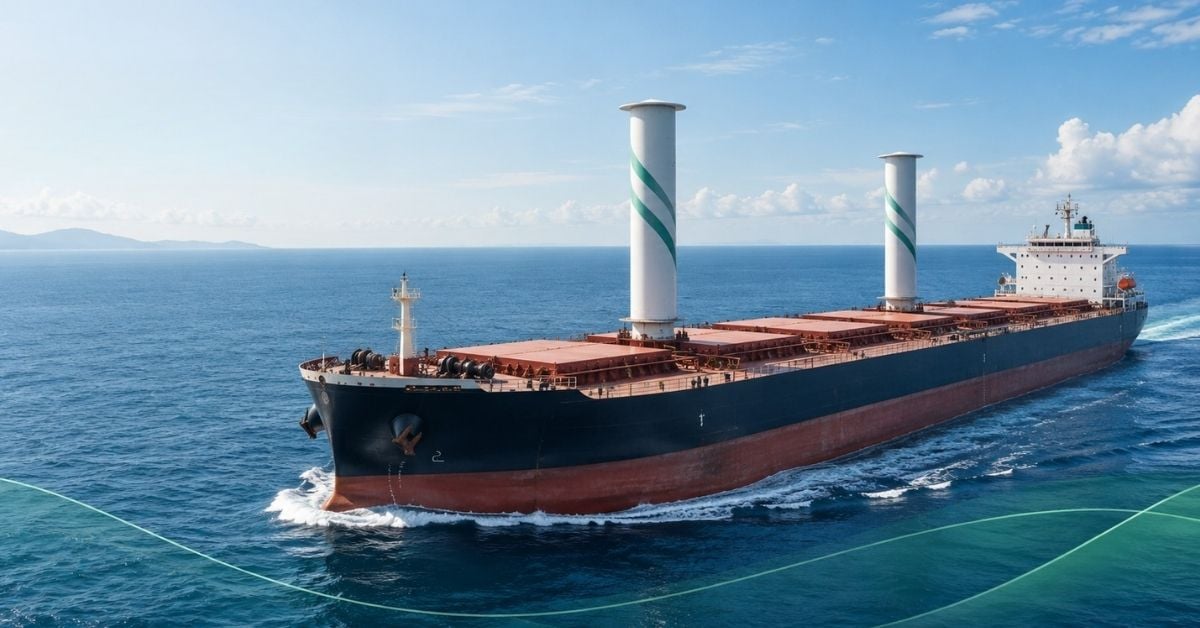
Retrofitting the Fleet: Measurable Steps Toward a Decarbonized Ocean
The fleet that must decarbonise by 2035 is already at sea, making retrofits a matter of measurable necessity rather than future planning. Retrofitting the Fleet offers empirical steps for this transition, grounded in real-world data. For deeper context on ocean acoustics, our related coverage, "Listening to the Deep: 46 Hours of Acoustic Data from an Offshore Platform," explores how industrial operations reshape marine soundscapes. Understanding drives protection, and this work provides the calibrated path forward.
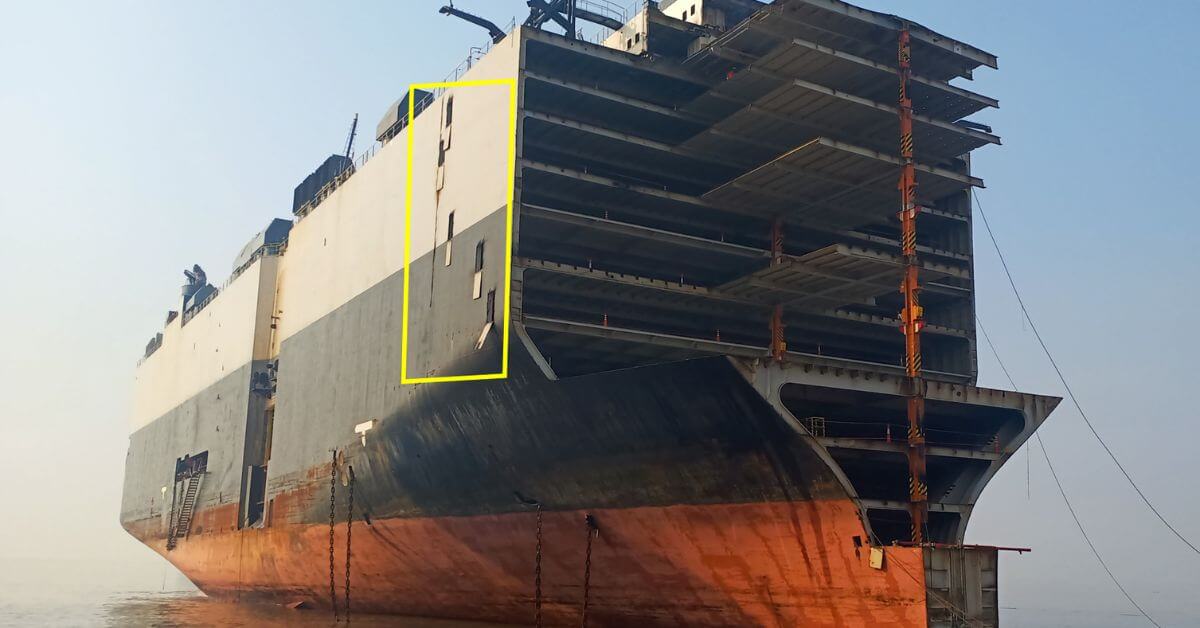
Recycling declines 13% as high freight rates keep aging vessels in service
A 13% decline in ship recycling this year signals a troubling shift in maritime economics. High freight rates are incentivizing owners to keep aging vessels in service rather than sending them for scrap. This postpones much-needed fleet modernization and extends the operational life of less efficient ships. Understanding these market forces is critical for measuring progress across the sector. For deeper insights into vessel design innovation, read our coverage of Wallenius Marine's WinPrOVeDD project.
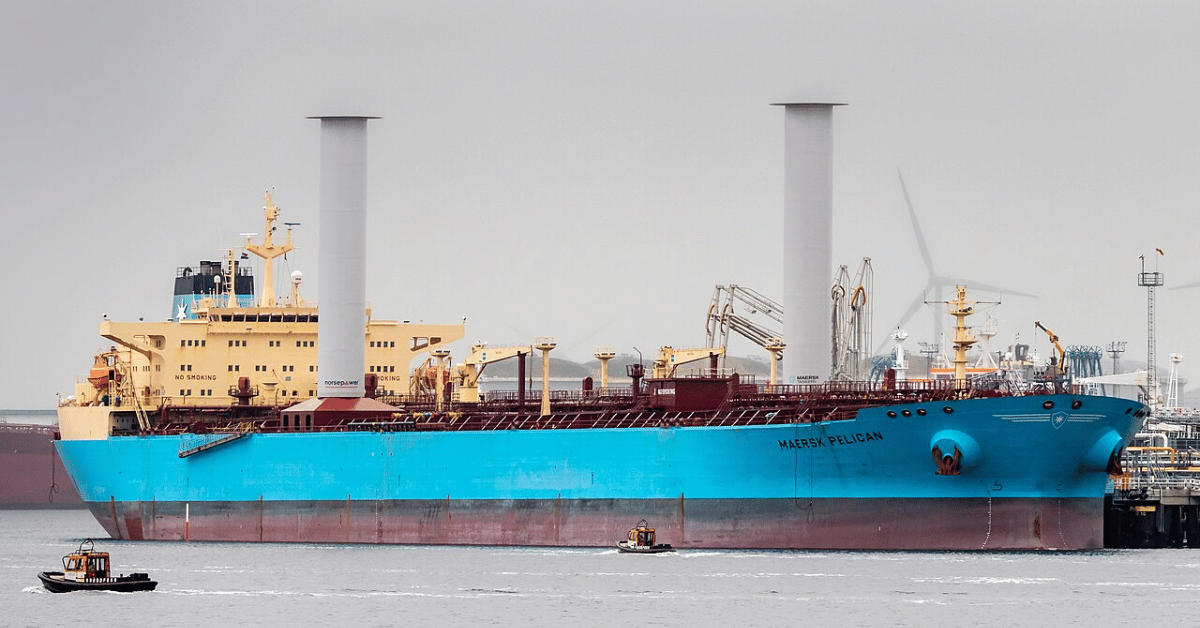
Validating wind propulsion designs to advance measurable decarbonization at sea
Wallenius Marine launches WinPrOVeDD, a project to validate wind propulsion designs that measurably decarbonize vessel operations. This isn't about theoretical promise; it's about empirical, real-world performance. By integrating calibrated data from sea trials, the program aims to transform how efficiently ships harness wind energy. Understanding drives protection, and this initiative offers a clear, measurable path forward. For context on the broader emissions challenge, see our coverage of historical CO₂ contributions by nation.
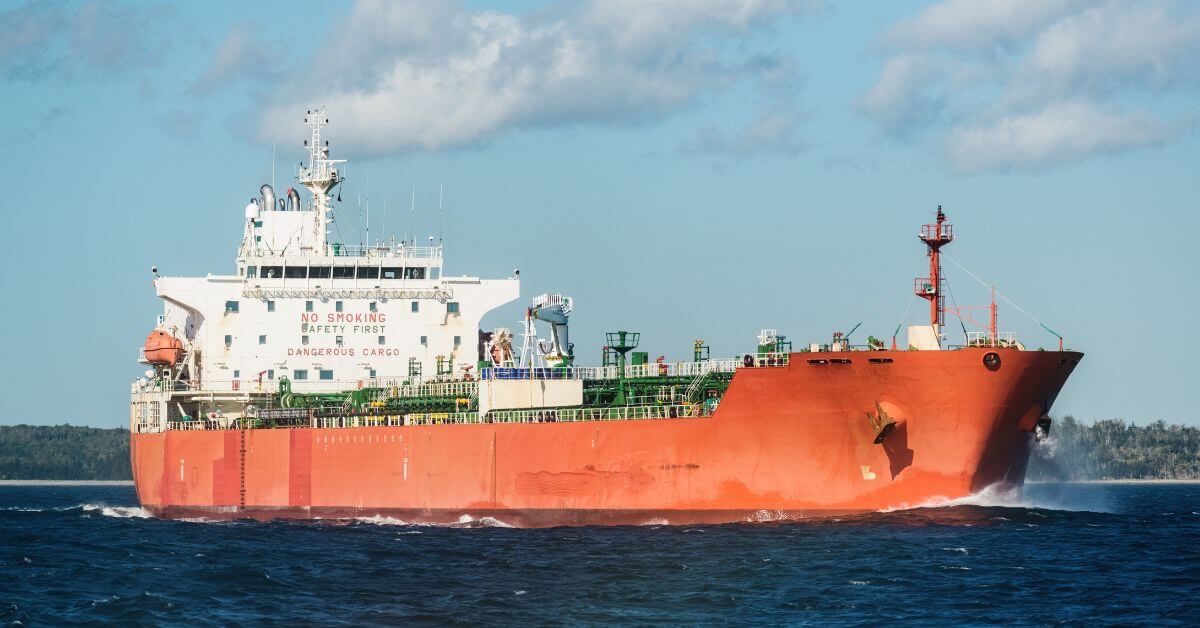
Risk premiums on global shipping lanes exceed $100,000 per month
Risk premiums on global shipping lanes now exceed $100,000 per month. Oil tanker captains sailing the Strait of Hormuz are offered up to that sum, plus a $50,000 bonus per crossing. These figures quantify a dangerous new reality for maritime commerce. Our related report, "Weekly tanker strikes near Strait of Hormuz reach highest count in years," documents at least 12 recent attacks. This is not abstract risk; it is a measurable, empirical cost of instability in a critical chokepoint.
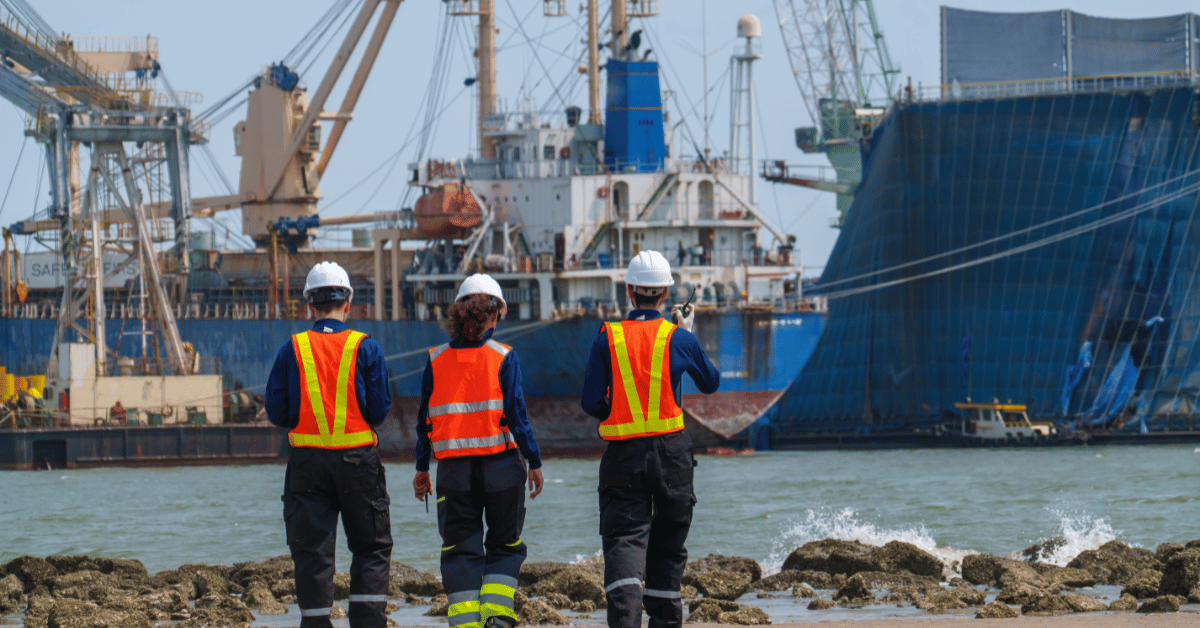
Empirical Guidance Equips Seafarers Against Measurable Abandonment Risks
Measurable abandonment risks now have a countermeasure. The Seafarers' Charity has completed its "Smart Seafaring. A Safe Return" campaign, releasing films and multilingual guidance that equip seafarers to recognize and respond to this threat. This is empirical, practical support, not alarmism. It validates the need for clear protocols at sea. For deeper context on the dangers crews face, read our coverage of the drone strike that impacted an LPG tanker near the Strait of Hormuz. Understanding drives protection.

India Builds $1.5B Maritime Shield for War-Risk Coverage
India's Bharat Maritime Insurance Pool, a $1.5 billion domestic shield against war risks and cargo losses, marks a calibrated step toward self-reliance in marine coverage. This is not alarmist hedging; it is empirical risk management. When global supply chains face volatility, homegrown underwriting strengthens resilience. For deeper context on how technology is reshaping maritime security, see our coverage of RINA's Singapore Hub advancing digital twins and AI for ocean decarbonisation. Understanding drives protection.
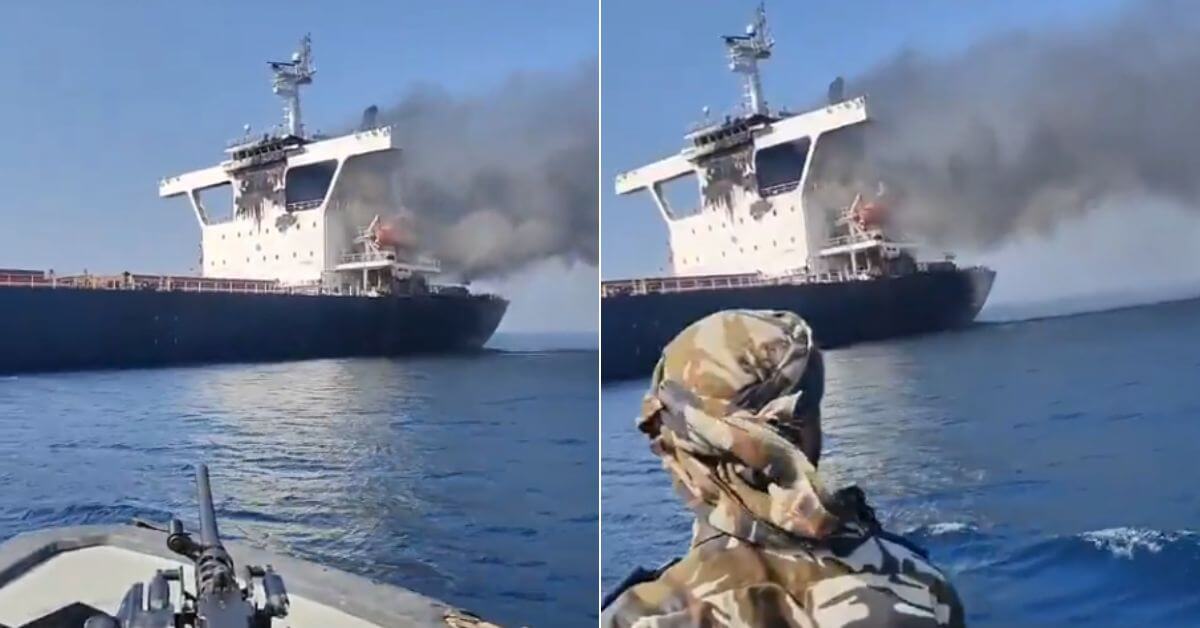
Fatal Attack on Bulk Carrier Near Oman Highlights Maritime Security Risks
The fatal attack on the MV Cape Dao off Oman, which killed an Indian seafarer, is a stark reminder that maritime security remains a pressing global concern. This incident underscores the persistent dangers facing those who move our goods across volatile waters. While our recent coverage of the Gladstone grounding highlighted navigational challenges, this is a violent reminder that crew safety requires constant vigilance.

Validating Onboard Emissions Data: A Trial for LNG Shipping.
A new LNG carrier will soon test whether continuous emissions monitoring systems can match established data standards. Lloyd's Register, Seapeak, Kongsberg Maritime, and Tunable are collaborating on a trial that compares direct CO₂ measurements against conventional methodologies. This is the kind of validation the industry needs: empirical, peer-reviewed, and tied to real operational conditions. Precision here matters, and we're encouraged to see stakeholders move beyond assumptions toward calibrated, real-time evidence.
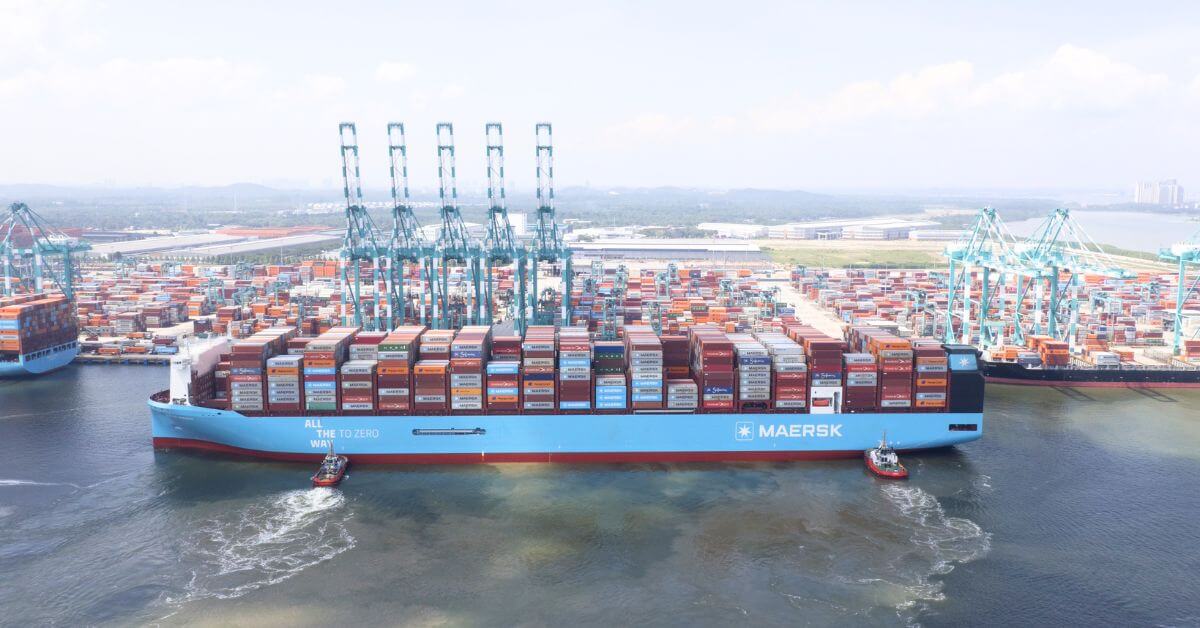
Maersk’s Fleet Expansion Signals Continued LNG Investment in Global Shipping
Maersk's planned order of 42 dual-fuel LNG vessels, including 12 ships at 24,000 TEU, signals a decisive, long-term commitment to gas as a transitional marine fuel. This is not speculative hedging; it is calibrated capacity building. The scale is measurable, and the direction is clear. For context on how port infrastructure is evolving alongside such fleet strategies, our related piece, "Paradip Port Designated a Mega Port, Anchors Eastern India's Maritime Growth," offers a useful lens.

Seafarer Safety Paramount Amidst Geopolitical Tensions in U.S.-Iran Conflict
The loss of seafarers in the U.S.-Iran conflict is a tragedy that demands our attention. IBIA's condolences are a sobering reminder: geopolitical tensions carry human costs that validated data cannot measure alone. Protecting those who work our oceans is non-negotiable. This crisis echoes the stakes seen in "Eighty Nations Urge Reopening of Vital Strait of Hormuz Shipping Lane", a channel where safety and security converge. We must integrate maritime intelligence with a commitment to seafarer welfare.
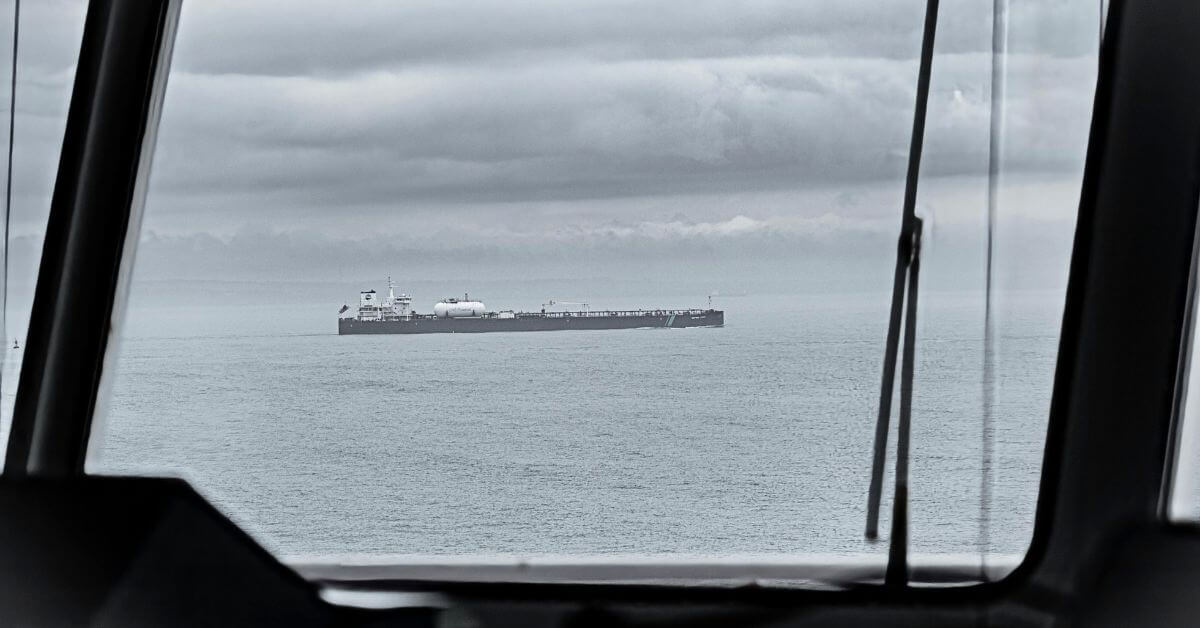
Enhanced Maritime Safety: India's New System Monitors High-Risk Regions
India's Directorate has issued a direct mandate: every vessel carrying Indian crew in designated high-risk regions must be registered in the new monitoring system without delay. That is not bureaucratic noise; it is a calibrated safety net. The move follows intense pressure on maritime routes, from Gulf of Oman STS transfers maxing out to pirate interventions off Somalia. This system is about prevention, not reaction. For crews operating where risk is highest, this is validation that their safety is measurable and prioritized.

Expanding Reach: Indian Register of Shipping Connects with European Shipbuilding Partners
The Indian Register of Shipping has opened a Hamburg office, signaling a deliberate step toward deeper engagement with European shipbuilding partners. It is a move that makes sense: Europe remains a hub for engineering rigor, and proximity matters when collaboration depends on trust and technical alignment. This expansion is not about abrupt growth but measured integration into a mature maritime ecosystem.
Optimizing Emissions: Shipping's Path to Commercial Advantage Through Compliance
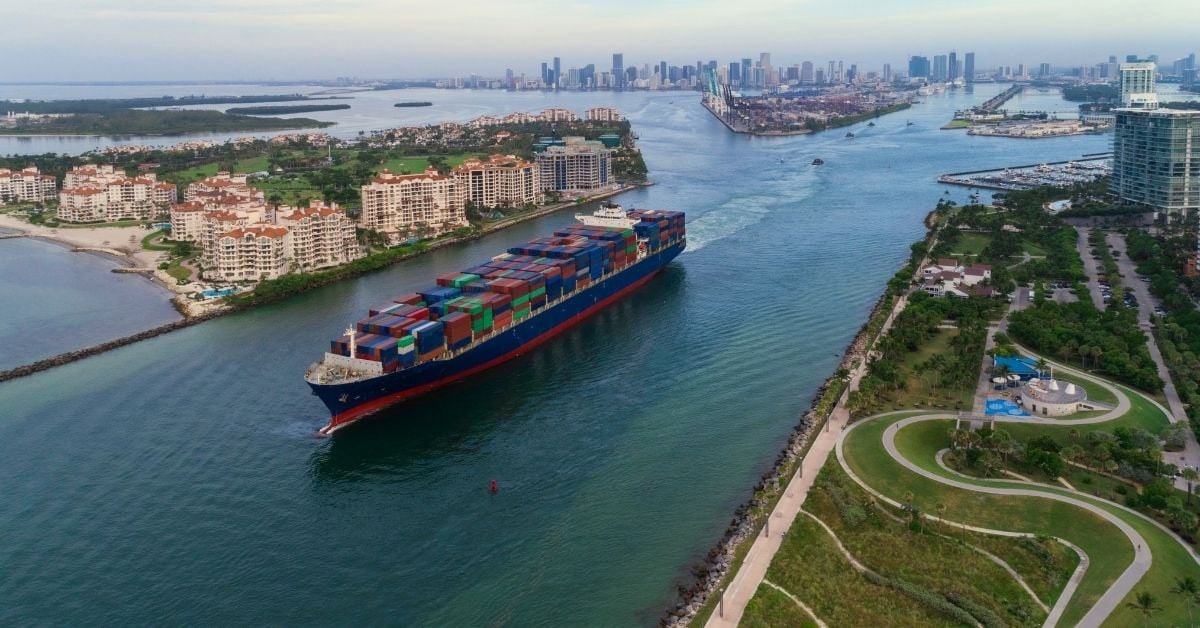
Compliance deadlines are no longer just operational hurdles; they are financial turning points. For shipping operators, the EU ETS, UK ETS, and FuelEU Maritime regulations present a clear choice: absorb rising costs or convert them into a commercial advantage. Precise cost recovery and the valuation of environmental performance can shift compliance from a burden to a competitive lever.

AI-Powered Survey Compass Enhances Efficiency for Shipowners.
Classification surveys have long required shipowners to navigate dense regulatory detail with limited support. Survey Compass changes that equation. This AI assistant responds in natural language to survey-related questions, giving owners and ship managers a direct line to practical answers when they need them. The efficiency gain is measurable: less time spent searching, more time acting. It is a practical step toward smarter vessel operations. For related coverage, our report on Paradip Port's designation as a Mega Port offers another example of maritime infrastructure evolving.

Shipbuilding Orders Surge, Signaling Accelerated Maritime Growth.
The global shipbuilding orderbook is climbing at a 27% year-on-year rate, the fastest pace since the 2008 financial crisis. That is a decisive signal, not a blip. It points to a maritime sector gearing up for sustained demand, likely tied to fleet renewal and shifting trade routes. We read this as a measured vote of confidence in ocean commerce's trajectory.

Empowering Filipino Seafarers with Green Energy Training for a Sustainable Future
On Aug. 17, a groundbreaking ceremony marked the unveiling of a new facility dedicated to empowering Filipino seafarers with green energy training, accredited by MARINA. This initiative responds to a clear need: equipping the maritime workforce with validated, forward-looking skills for a sustainable industry. Basic and advanced programs will anchor this effort, ensuring measurable competence. It is a purposeful step toward integrating environmental responsibility into seafaring. For broader context on maritime infrastructure growth, see our coverage of Paradip Port Designated a Mega Port.

Red Sea Attack Highlights Risks to Maritime Trade and Seafarer Safety
The latest attack in the Red Sea and Gulf of Aden is a pointed reminder that maritime trade routes remain dangerously exposed. As Mr. Arsenio Dominguez noted, the location is particularly troubling, and we agree. These waters are not abstract lines on a chart; they are arteries for global commerce, and each incident endangers lives and supply chains. This follows the Gulf of Oman STS transfers maxing out, a clear signal of mounting pressure. The pattern is measurable, and it demands calibrated, not reactive, responses.

Heightened Maritime Security: India Bolsters Protection for Seafarers in Gulf of Aden
Piracy incidents in the Gulf of Aden have prompted India to act, with the DGMA issuing Circular No. 40 of 2026 to bolster seafarer protection. This measured response reflects a practical understanding of the risks, prioritizing crew safety without alarmism. It is a decisive step toward safeguarding vital shipping lanes. For broader context on regional threats, readers may consult our coverage of "Puntland Forces Intercept Hijacked, US-Sanctioned Oil Tanker After 48 Hours."

EU Update: Indian Ship Recycling Yards Poised for Inclusion.
European shipowners now acknowledge what many in the industry have watched take shape for years: several Indian recycling yards already operate to standards comparable to those in the EU Regulation. That is not a small endorsement. It signals measurable progress toward a more integrated global recycling framework, one where safety and environmental rigor are not regional privileges. For a nation already leveraging recycled steel domestically, as our coverage of India's steel production highlights, this recognition could accelerate investment.

Accelerating Maritime Transition: Marine Insight and Azolla Partner for Ocean Intelligence.
Decarbonization demands more than ambition; it demands coordinated action. Marine Insight and Azolla have formed a strategic alliance to accelerate the maritime transition, pairing Marine Insight's global reach with Azolla's technical depth in vessel performance and regulatory compliance. This partnership is a practical step toward measurable progress. For those tracking the regulatory side of this shift, our related piece on validating onboard emissions data for LNG shipping offers a useful parallel. The transition is complex, but integrated data ecosystems make it navigable.

Navigational Risk Spurs Incentives: Seafarers Rewarded for Hormuz Passage
Sinokor Group, the world's largest supertanker owner, is now offering seafarers an additional six months' salary to transit the Strait of Hormuz. That is a direct, measurable acknowledgment of elevated risk, and it reflects a sobering reality for those who keep energy moving through one of the globe's most contested chokepoints. The incentive is practical, not sentimental. It underscores how commercial resilience now depends on human retention as much as fleet capacity.

Black Sea Grain Exports Diminished: Ukraine Defends Vital Shipping Lanes
Ukraine has lost roughly one-third of its grain export capacity through its key Black Sea ports, a direct consequence of repeated Russian missile and drone strikes. This is not a statistic to gloss over; it is a measurable blow to global food security. The country continues to defend these vital shipping lanes with resolve, understanding that every calibrated effort sustains more than its own economy.

Fuel Cells Chart a Course for Decarbonizing Maritime Shipping
Fuel cells are moving from the laboratory to the load plan. As FuelEU Maritime regulations tighten, the technology is shifting from a promising concept to a commercial reality. We see this as a practical, flexible pathway for cutting emissions across the fleet. The maritime sector needs actionable solutions, and this is one that warrants close attention. For broader context on how these pressures intersect, our coverage of Integrated Ocean Governance offers a wider lens on the challenges ahead.

Shipping Adjustments: India Suspends Seafarer Deployments Through Strait of Hormuz
India has suspended seafarer deployments through the Strait of Hormuz, a decision that carries weight for global shipping and the more than 300,000 Indians serving on merchant vessels worldwide. This is a measured, necessary step, though it underscores how swiftly regional instability can ripple through maritime labor markets. The move deserves attention not as alarm, but as a reminder that operational decisions now carry geopolitical consequence. For broader context on maritime disruptions, our related coverage on Gulf of Oman STS transfers offers a useful parallel.