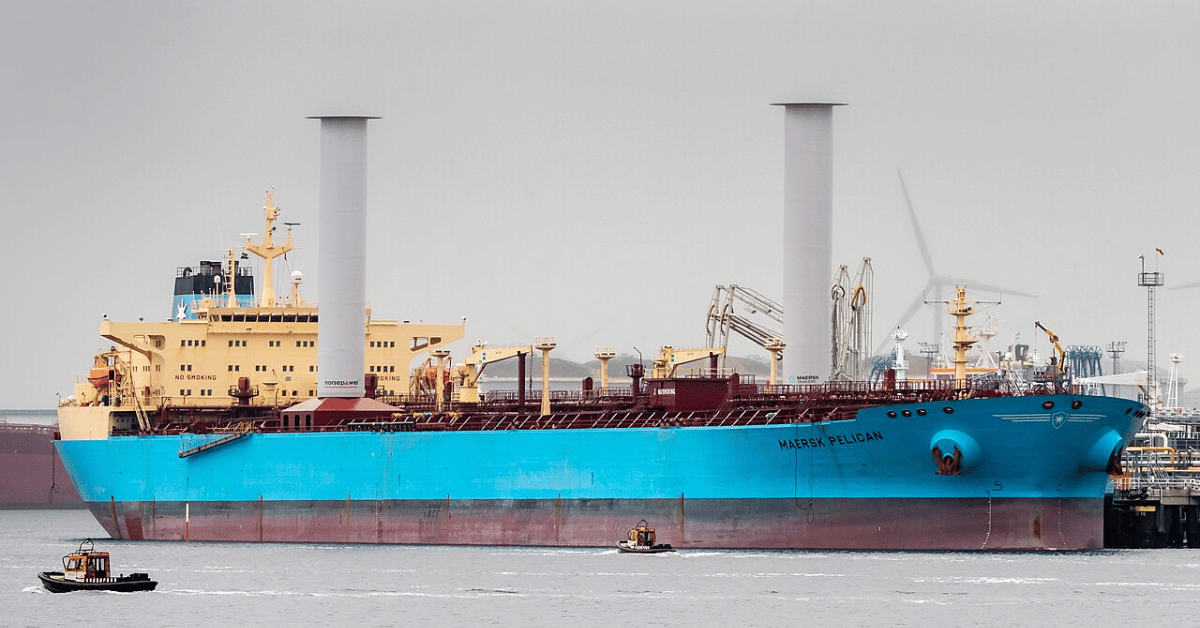
Wind is returning to the center of shipping's energy system, but this time it arrives with empirical rigor, not nostalgia. The launch of the WinPrOVeDD research project by Wallenius Marine, together with KTH, RISE and AlfaWall Oceanbird, represents a necessary pivot from treating wind propulsion as an add-on to designing vessels that are calibrated for it from the keel up. This is not a gesture; it is a measurable step toward real decarbonization at sea, and it deserves close attention from anyone tracking how industry transforms ambition into action.
The core insight here is that conventional hull forms and deck layouts actively undermine wind propulsion efficiency. Previous research has shown that a vessel not designed for wind can lose a significant portion of the potential energy gain from wing sails. WinPrOVeDD directly addresses this by combining advanced simulations with wind tunnel testing over a three-year period, producing open-access design guidelines for ship designers, shipyards, and owners worldwide. That commitment to open publication matters: it transforms proprietary knowledge into a shared resource, accelerating adoption across the industry rather than locking gains inside a single company. This project also sits within a broader context of urgent climate action. As we have documented in Tracking the nations with the largest share of historical CO₂ emissions, the responsibility for emissions reduction is unevenly distributed, but the maritime sector, responsible for moving the vast majority of global trade, cannot afford to wait. Validated wind propulsion designs offer a practical, near-term lever to cut fuel use and emissions without relying solely on unproven fuel transitions. Similarly, the recent validation of the First Ammonia-Powered Bulk Carrier Validates Real-World Ocean Readiness shows that the industry is testing multiple pathways simultaneously. Wind and alternative fuels are not competing solutions; they are complementary tools in an integrated decarbonization strategy.
What makes WinPrOVeDD particularly compelling is its focus on the vessel itself as the critical variable. Too often, innovation in shipping fixates on the energy source while neglecting the platform that carries it. By investigating how deck design, airflow, and structural integration affect wing sail performance, this project treats the ship as an integrated data ecosystem rather than a box to which propulsion is attached. The results will be directly applicable to new builds and, where possible, retrofits. For policymakers and port authorities, the open-access nature of the guidelines means they can reference a validated standard when setting efficiency requirements or offering incentives. For researchers, the combination of simulation and physical wind tunnel testing provides a replicable methodology that can be adapted for other wind propulsion configurations.
The project runs from 2026 to 2029, with a total budget of approximately SEK 9.4 million. One concrete detail to watch is how the design guidelines handle the trade-off between aerodynamic efficiency and cargo capacity. A hull optimized purely for wind may reduce usable deck space or complicate loading operations, and the real test of these designs will be whether they deliver measurable fuel savings without compromising commercial viability. If the open-access guidelines can demonstrate a clear, validated path to reducing dependence on fossil fuels, and if shipowners adopt them at scale, then WinPrOVeDD will have done more than advance a technology. It will have proven that empirical, collaborative science can outpace the inertia of conventional ship design.