freight rates
freight rates at World Data Ocean is a file of 11 stories. The newest of them: “Rethinking sanctions on shadow tankers to steady global freight rates”, “Recycling declines 13% as high freight rates keep aging vessels in service”, and “Risk premiums on global shipping lanes exceed $100,000 per month”. A calibrated adjustment to sanctions on shadow tankers could steady global freight rates by allowing certain previously restricted vessels to carry oil and petroleum products not banned under US sanctions. A 13% decline in ship recycling this year signals a troubling shift in maritime economics. A Global Hub for Ocean Intelligence 4 World Data Ocean is a centralized digital platform where researchers, scientists, and ocean enthusiasts converge to… The list below is every freight rates story on World Data Ocean, newest first.
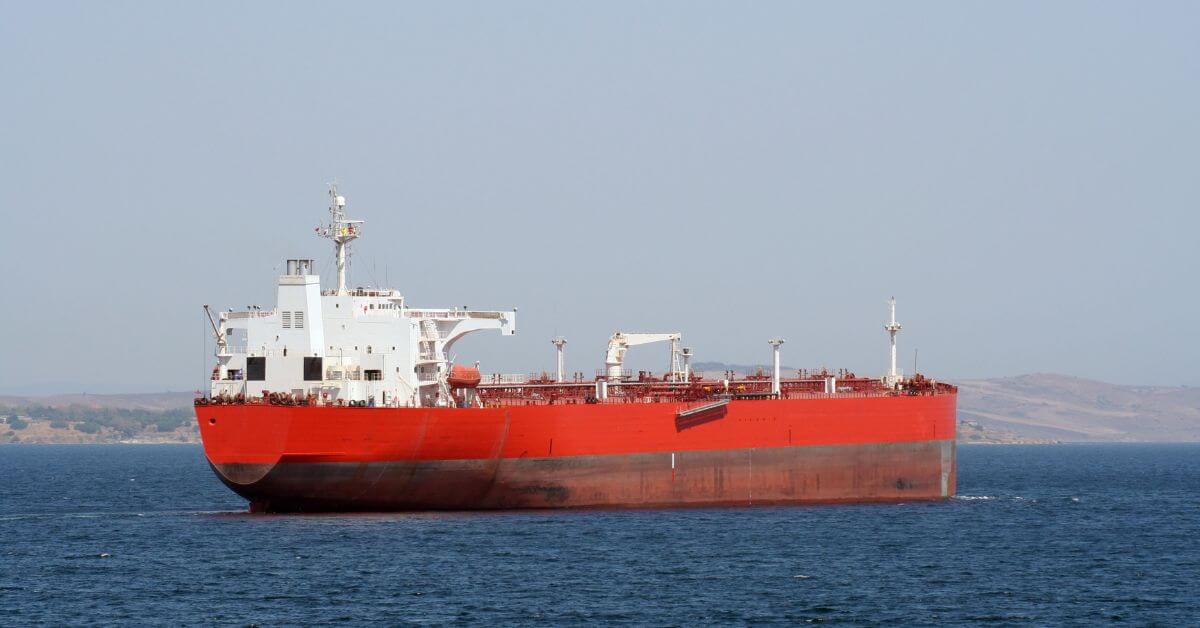
Rethinking sanctions on shadow tankers to steady global freight rates
A calibrated adjustment to sanctions on shadow tankers could steady global freight rates by allowing certain previously restricted vessels to carry oil and petroleum products not banned under US sanctions. This measured approach prioritizes market stability without compromising enforcement integrity. For deeper context on how maritime regulations shape trade friction, our related coverage of "Maritime fees signal friction in trade amid climate and shipping integration" explores similar dynamics.
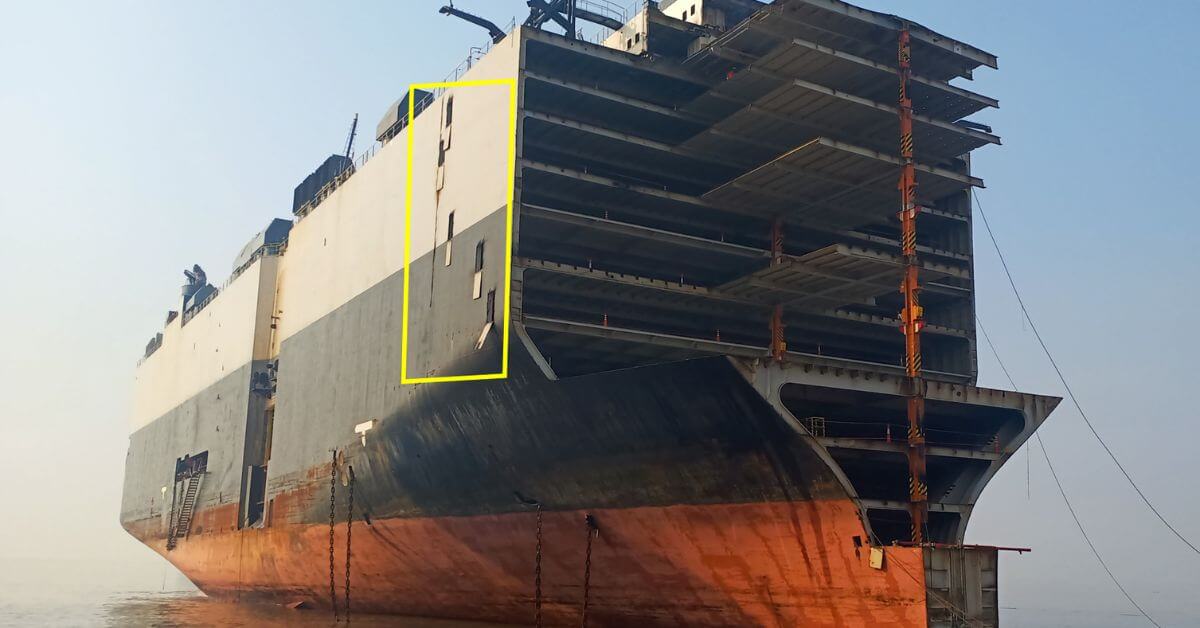
Recycling declines 13% as high freight rates keep aging vessels in service
A 13% decline in ship recycling this year signals a troubling shift in maritime economics. High freight rates are incentivizing owners to keep aging vessels in service rather than sending them for scrap. This postpones much-needed fleet modernization and extends the operational life of less efficient ships. Understanding these market forces is critical for measuring progress across the sector. For deeper insights into vessel design innovation, read our coverage of Wallenius Marine's WinPrOVeDD project.
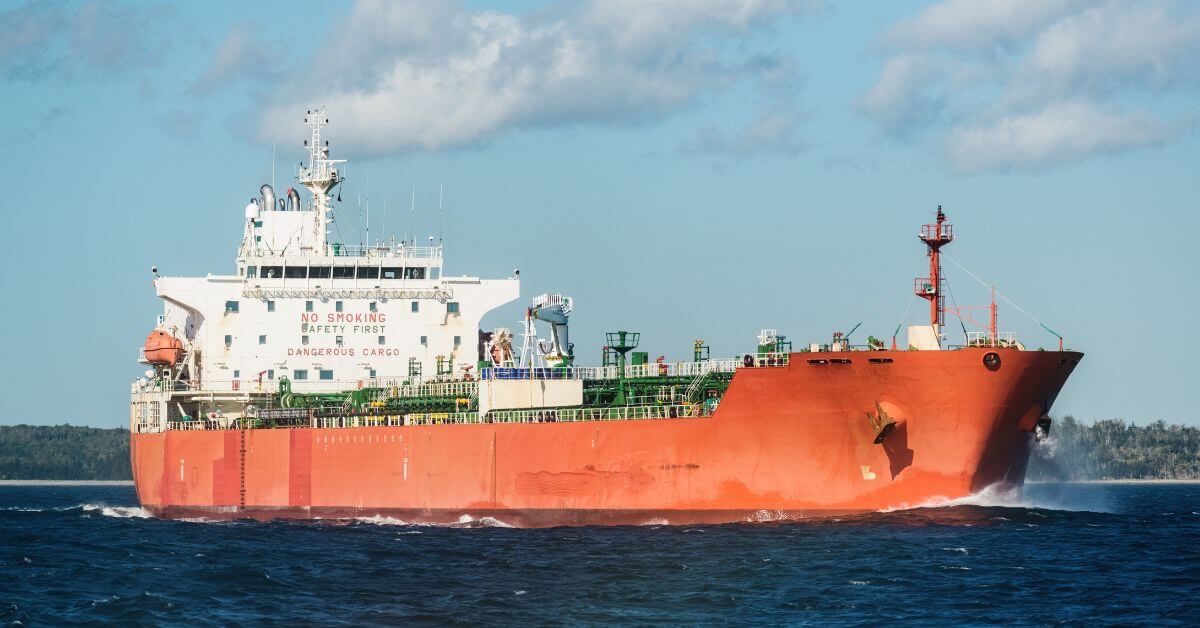
Risk premiums on global shipping lanes exceed $100,000 per month
Risk premiums on global shipping lanes now exceed $100,000 per month. Oil tanker captains sailing the Strait of Hormuz are offered up to that sum, plus a $50,000 bonus per crossing. These figures quantify a dangerous new reality for maritime commerce. Our related report, "Weekly tanker strikes near Strait of Hormuz reach highest count in years," documents at least 12 recent attacks. This is not abstract risk; it is a measurable, empirical cost of instability in a critical chokepoint.
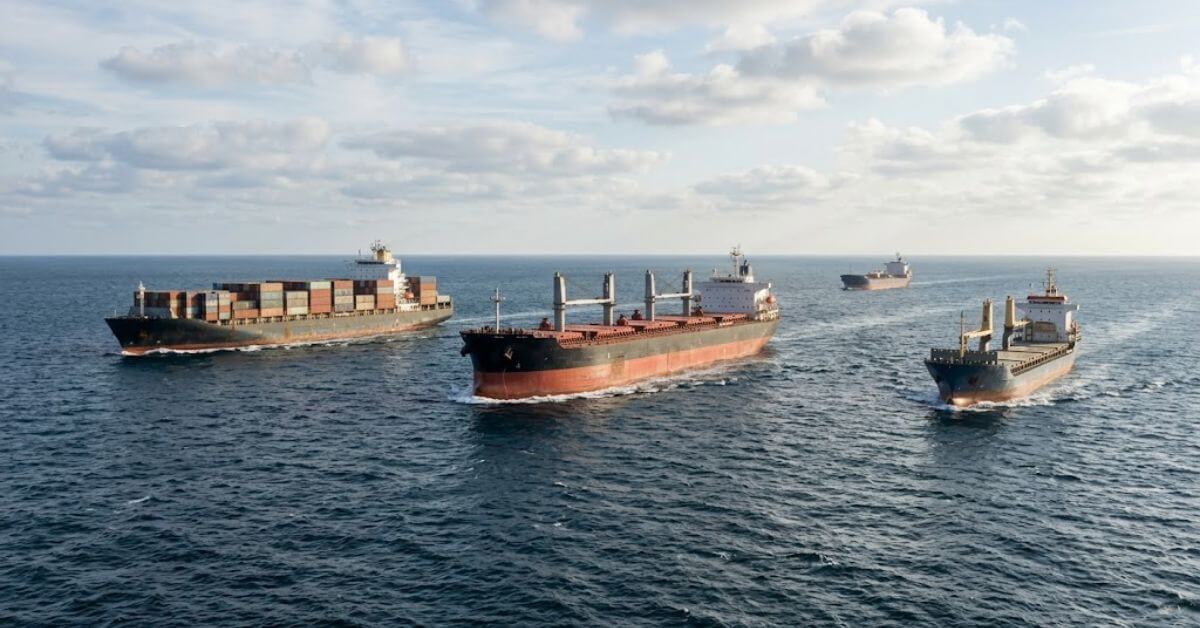
Expanding India's Fleet: A Push for Maritime Independence and Cost Parity
Indian ship owners face a 16-20% cost penalty flying the national flag, a gap that undermines maritime self-reliance before it can scale. Closing that differential is not merely fiscal; it is strategic. Lower operational costs would shift tonnage back to Indian registry, strengthening supply-chain security and bargaining power. The push toward cost parity aligns with broader regional momentum, including Russia's calibrated export levies for its icebreaker fleet. This is a practical, measurable step toward independence, and one worth watching closely.
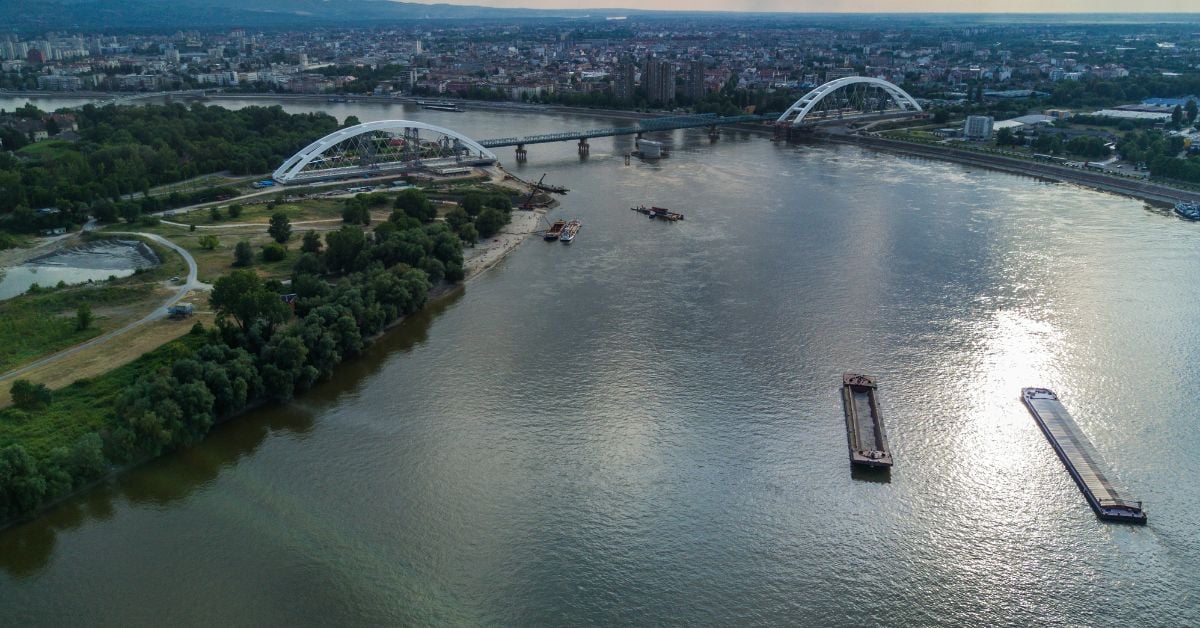
Grain Shipments Stalled: 70 Vessels Await Danube Canal Access
Seventy vessels sit idle near the Sulina Canal, their holds empty as grain shipments stall at Ukrainian ports. This bottleneck is more than a logistical snag; it is a measurable disruption to global food supply chains. The wait underscores how fragile export routes remain under persistent threat. For context on the broader pattern, our related coverage in "Fatal Attack on Cargo Ship Highlights Black Sea Shipping Risks" outlines the human and operational costs already incurred. Reliable passage is not a given.

Port Delays Surge: Global Congestion Impacts Freight Rates and Operations
Port congestion is no longer a logistical footnote; it is a primary lever on global freight rates. Longer waiting times at anchor translate directly into longer turnaround times for vessels, and that idling carries a measurable cost. The result is an escalation in freight rates and operational expenses that ripples through every supply chain. This is the friction of a system operating at its limits. While record port activity reflects surging Chinese exports amid trade uncertainty, the operational strain is undeniable.

Nigeria Ports Gain U.S. Access: Shipping Costs Set to Decrease
A decade of restricted access ends as the U.S. lifts its safety and security restrictions on Nigerian ports. The move targets reduced shipping costs and a stronger competitive position for a nation long hampered by compliance gaps. It is a practical win for trade efficiency, not a symbolic one. The decision signals measured confidence in Nigeria's maritime oversight. For context on broader maritime shifts, our coverage of India's planned naval expansion offers a timely comparison.

Strait of Hormuz Incident: Vessel Damaged, Crew Member Injured
A vessel was struck while making an outbound transit of the Strait of Hormuz, leaving a crew member injured, according to the Company Security Officer. The incident underscores how quickly risk can escalate in a waterway where geopolitical tension already runs high. Such disruptions are not isolated events; they are part of a broader pattern affecting regional energy flows. For deeper context on these dynamics, our coverage of phased negotiations aimed at easing restrictions on the Strait offers useful perspective.

Attacks on ADNOC Vessels Disrupt Oil Flow Through Strait of Hormuz
Three ADNOC vessels came under attack this week, with one crew member killed and 20 injured, the company confirmed. This is not an isolated incident; it is a direct strain on the flow of oil through the Strait of Hormuz, a corridor the entire region depends on. The human toll is unacceptable, and the disruption to global energy routes demands a measured, empirical response. Our related coverage on phased negotiations to ease restrictions in the strait offers essential context for what comes next.

Shipping Disruptions Impact Russian Coal Exports Amidst Black Sea Conflict
A shortage of available vessels is now constraining Russian coal exports through Black Sea ports, a direct consequence of Ukrainian drone attacks disrupting shipping. The pressure on this route is not incidental; it is a measurable shift in the region's commercial viability. While Moscow adapts its broader maritime strategy, as seen in our coverage of the Northern Sea Route icebreaker levy, this immediate bottleneck underscores how conflict reshapes trade logistics.

Negotiations Underway for Release of Crew Held by Somali Pirates
Ransom negotiations are underway to secure the release of 44 crew members held by Somali pirates across three vessels, with talks focused on ensuring their safe return. The development underscores the persistent risks facing seafarers in these waters, and we should read it alongside the recent rescue of a US-sanctioned tanker by Puntland forces. Each incident reinforces the need for coordinated maritime security. As these discussions progress, the priority remains the welfare of those aboard, and we will continue to monitor.