ship recycling
8 stories filed under ship recycling on World Data Ocean. The newest of them: “Leveraging Ship Recycling: A Boost for India’s Domestic Steel Production”, “Maersk Considers Bangladesh Shipbuilding Investment, Recycling Potential Explored”, and “Indian Ship Recycling Yards Gain EU Approval, Boosting Sustainable Practices”. India is turning to a practical source of secondary steel: the hulls of retired ships. AP Moller-Maersk is weighing direct investment in Bangladesh's shipbuilding sector, a move that pairs commercial pragmatism with the country's growing recycling potential. A Global Hub for Ocean Intelligence 4 World Data Ocean is a centralized digital platform where researchers, scientists, and ocean enthusiasts converge to… The list below is every ship recycling story on World Data Ocean, newest first.
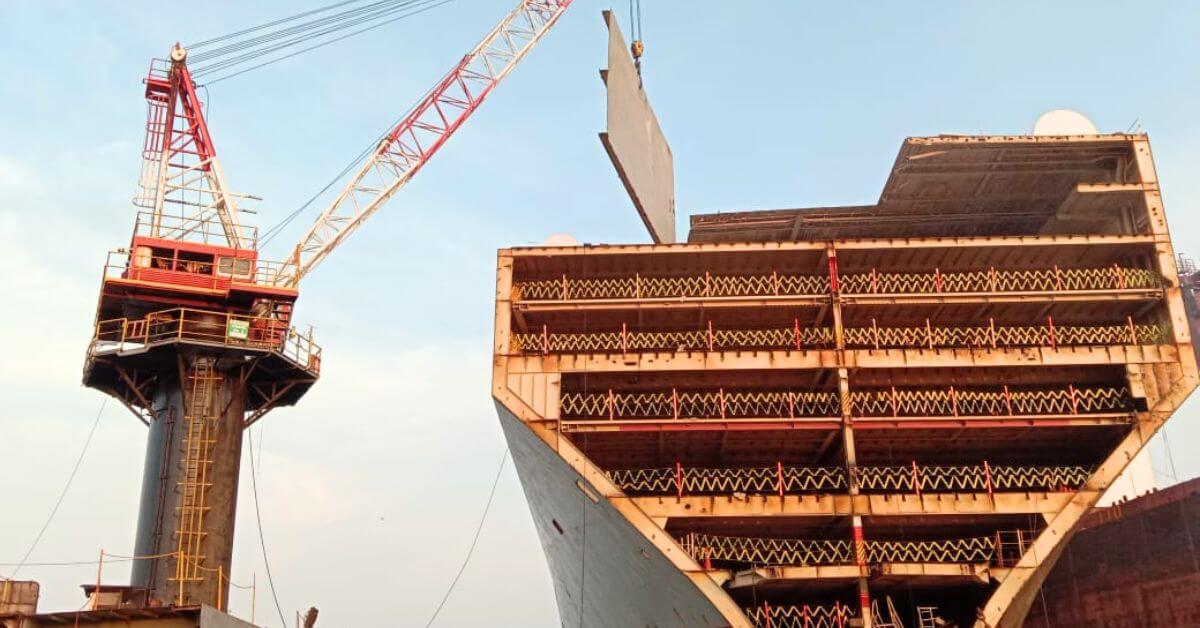
Leveraging Ship Recycling: A Boost for India’s Domestic Steel Production
India is turning to a practical source of secondary steel: the hulls of retired ships. Recovered scrap from decommissioned vessels is being directed toward domestic production, a move that strengthens material security while reducing reliance on primary ore. It is a measured, industrial-scale form of recycling, one that aligns with broader efforts to build circular supply chains. For related context on maritime infrastructure, see our coverage of Paradip Port's designation as a Mega Port. The opportunity here is clear, and the timing is right.
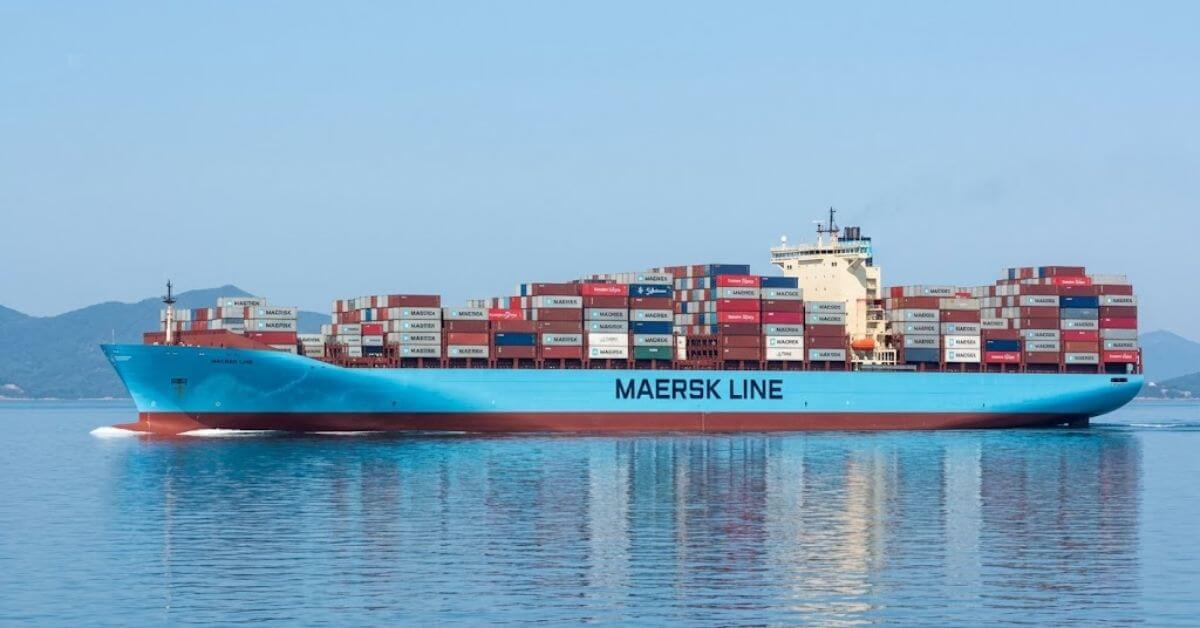
Maersk Considers Bangladesh Shipbuilding Investment, Recycling Potential Explored
AP Moller-Maersk is weighing direct investment in Bangladesh's shipbuilding sector, a move that pairs commercial pragmatism with the country's growing recycling potential. The logic is sound: established yards and expanding industrial capacity offer Maersk a foothold in a region where vessel construction and end-of-life dismantling increasingly overlap. This is not speculative ambition; it is calibrated expansion. For context on how similar partnerships are shaping regional capabilities, our piece on the collaborative shipbuilding initiative in India offers a useful counterpoint.
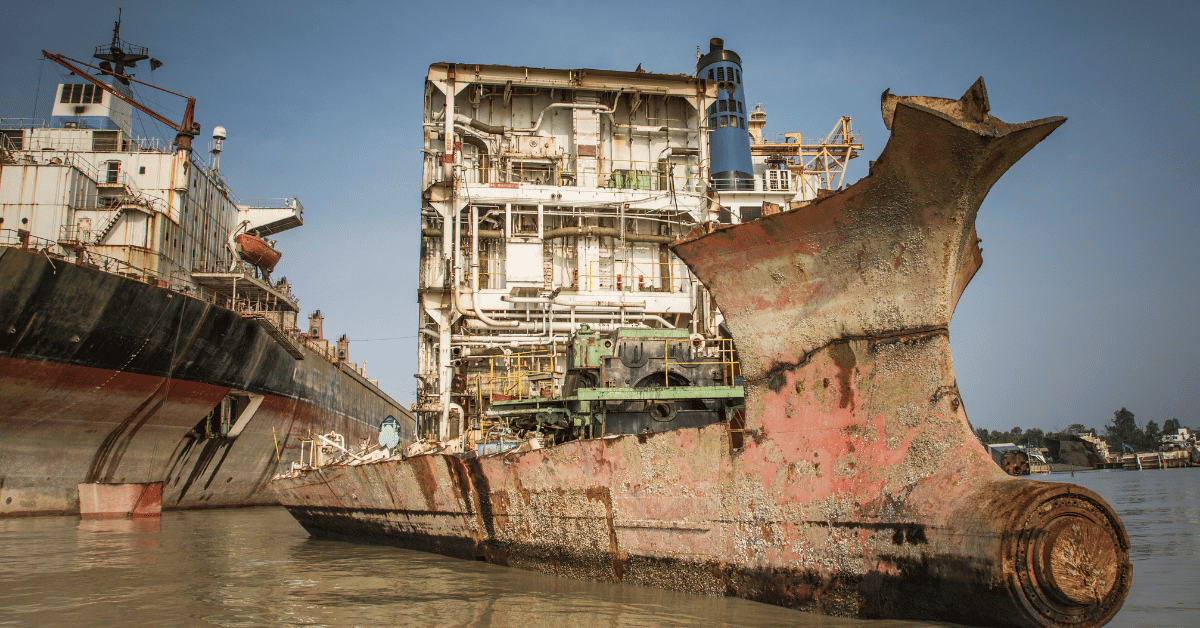
Indian Ship Recycling Yards Gain EU Approval, Boosting Sustainable Practices
The European List's inclusion of two Indian ship recycling yards marks a measured step toward higher operational standards. This approval validates years of investment in safer, cleaner practices, aligning the subcontinent's capacity with the compliance demands of global shipping lines. It is a practical win for an industry often scrutinized for its environmental record. For readers tracking naval advancements, our coverage of the Kiwi Frigate's sanctions monitoring offers a complementary look at maritime governance.
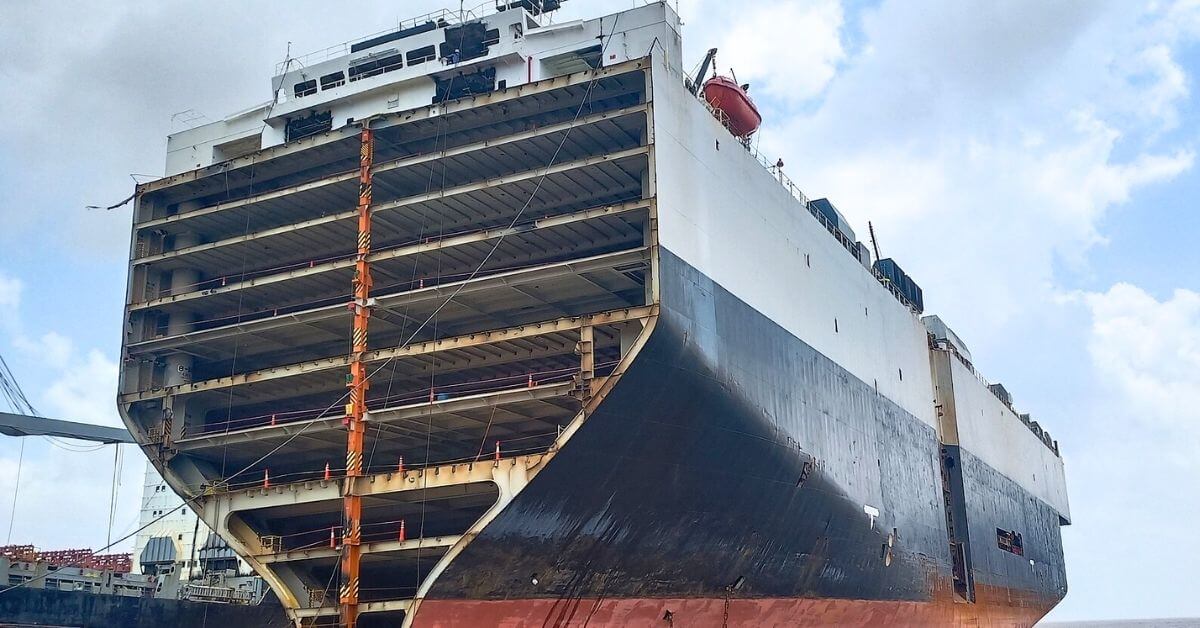
EU Ship Scrapping Trends: Outsourcing to South Asia Raises Concerns
The vast majority of EU-owned and EU-flagged ships are sent to be scrapped in India, Pakistan, and Bangladesh, where working conditions are often poor. This outsourcing raises serious concerns about accountability. We cannot claim progress in ocean stewardship while our vessels meet their end in ways that undermine that very principle. Understanding drives protection, and this trend demands scrutiny. For broader context on how maritime infrastructure is evolving, our related coverage on the integrated subsea cables enhancing Indian Ocean connectivity offers a useful counterpoint.

Fatal Gas Leak Highlights Risks in Bangladesh's Shipbreaking Industry
A fatal gas leak has forced the Department of Environment to keep a shipbreaking yard closed until its environmental clearance is renewed, a decision that underscores the human cost embedded in Bangladesh's recycling economy. This is not an abstract regulatory wrinkle; it is a concrete failure of oversight with lethal consequences. The yard's closure is warranted, yet it raises a pressing question: why was it operating at all?

Seized Vessels' Fate: Sanctioned Oil Tankers Scrapped in India.
Two sanctioned oil tankers, the Era and the Lileo, once known by multiple names in a shadowy trading history, have been scrapped in India. Their dismantling signals a quiet, practical resolution to sanctions pressure. It is a measured outcome, not a spectacle, and it underscores how global compliance mechanisms are reshaping vessel lifecycles. For context on maritime infrastructure shifts, our piece on integrated subsea cables enhancing Indian Ocean connectivity offers a broader view of regional logistics. Enforcement, it seems, is working.

EU Ship Recycling Decision Risks Undermining Regulation Standards
Approving these two beaching yards would signal that the EU Ship Recycling Regulation is open to interpretation, and not the rigorous kind. The NGO's concern is valid: such a decision risks undermining the very standards the regulation was designed to enforce. We cannot claim to champion ocean stewardship while endorsing practices that fall short of measurable, peer-reviewed safety and environmental benchmarks. This is a moment for calibrated, integrated oversight, not a step backward.

EU Update: Indian Ship Recycling Yards Poised for Inclusion.
European shipowners now acknowledge what many in the industry have watched take shape for years: several Indian recycling yards already operate to standards comparable to those in the EU Regulation. That is not a small endorsement. It signals measurable progress toward a more integrated global recycling framework, one where safety and environmental rigor are not regional privileges. For a nation already leveraging recycled steel domestically, as our coverage of India's steel production highlights, this recognition could accelerate investment.