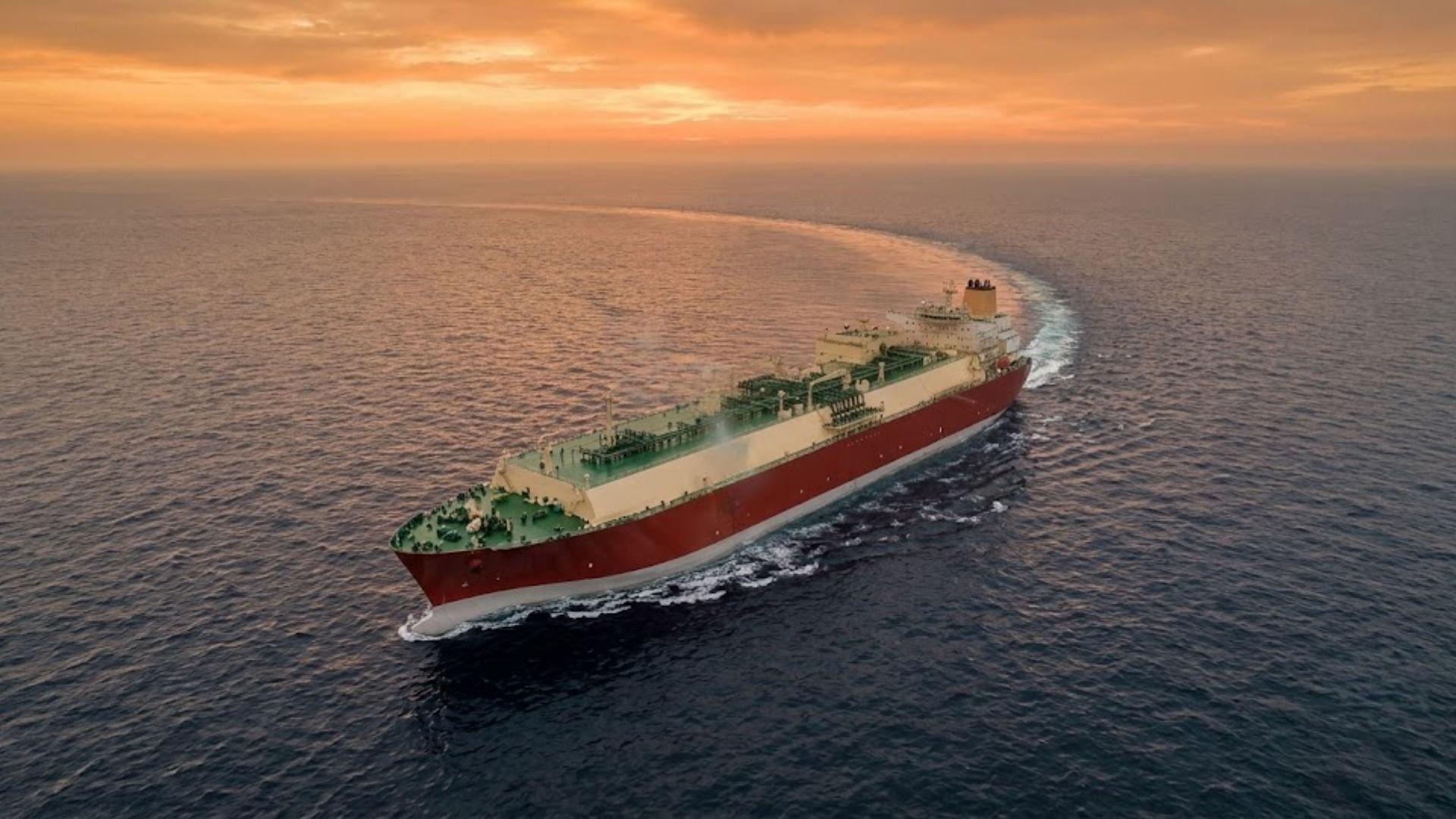
The Strait of Hormuz is no longer a predictable corridor; it is a calculated pressure point, and the October 30 targeting of the Qatari LNG carrier *Al Mayeda* proves that energy security in the region has become an operational gamble. This was not a random act of piracy. The vessel received clearance from Iranian authorities shortly before the incident, which only deepens the contradiction between diplomatic assurances and maritime reality. The attack, which forced the ship to turn back into the Arabian Gulf, sends a direct signal to every nation reliant on LNG transit through this chokepoint: clearance papers do not guarantee safe passage.
The immediate practical consequence falls on Pakistan, a country already navigating severe energy shortages. With regional conflict having already cut Hormuz LNG traffic to roughly 30% of pre-war volume, losing this single cargo threatens to push Islamabad into the spot market, where prices have more than tripled since before the war. That is not a theoretical risk; it is a measurable financial hit that compounds the strain on a grid already under pressure. The fact that older vessels are now being deployed for these journeys, as noted in reports from Pakistan Today, is a telling indicator of how operators are trying to absorb the extra cost of risk, but it is a stopgap, not a solution. The incident also echoes a broader pattern we have documented: Redirected Iranian naval tactics target Gulf shipping lanes with limpet mine strikes, suggesting that the threat environment is not merely about rogue actors but about a deliberate recalibration of naval pressure on commercial routes.
Meanwhile, the human dimension of this incident remains unresolved. Indian Shipping Minister Sarbananda Sonowal confirmed that six Indian citizens were among the 25 crew members who remain safe, but safe does not mean free to proceed. This situation parallels the plight of Six Indian seafarers stranded at Karachi port underscore urgent need for diplomatic resolution, where crews are held hostage not by weather or mechanical failure, but by the absence of a diplomatic framework to deconflict maritime movement. The Qatari Foreign Ministry has stated that necessary investigations are underway and that Qatar has the right to protect its vessels under international law, a valid assertion, but one that offers little immediate comfort to a crew sitting in the Arabian Gulf with no clear next port.
What we are watching now is whether Pakistan's discussions with Iranian authorities will yield enforceable safety protocols, or whether they will remain another layer of paperwork over a volatile waterway. The specific detail to track is the status of the *Al Mayeda* itself: Nakilat stated the vessel is active and under evaluation, but has not clarified the nature of the attack or whether the cargo will still reach its destination. If that LNG does not offload in Pakistan, the country's forced entry into the spot market will not just be a short-term crisis, it will be a measurable, empirical data point for every other energy importer calculating whether Hormuz is still a viable route.