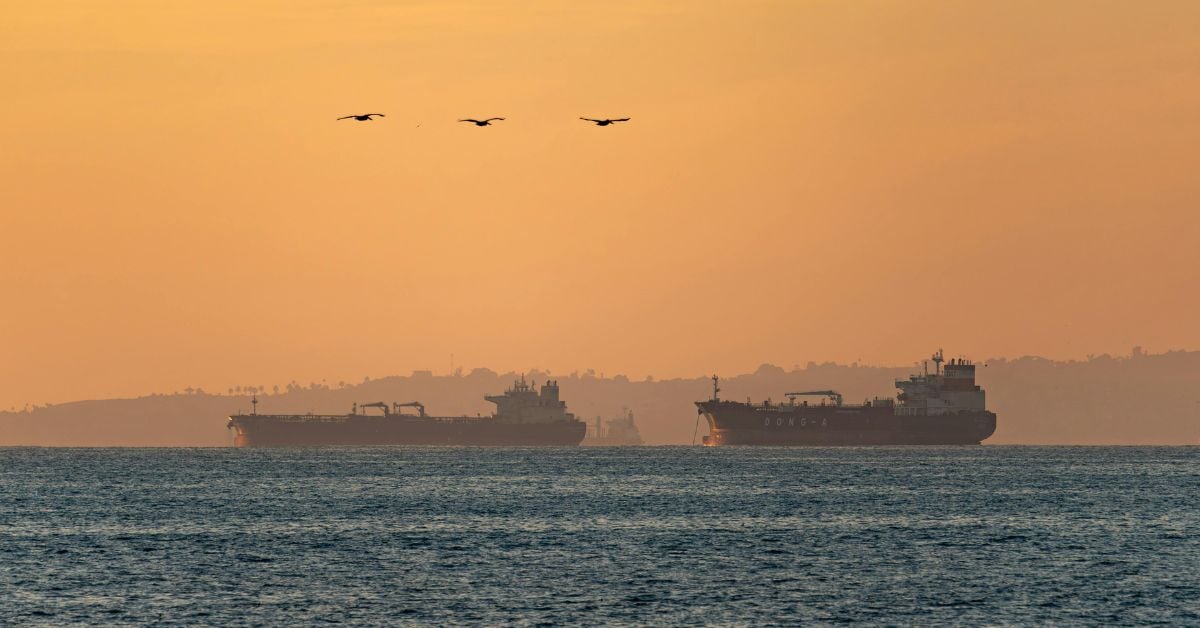
Iran's return to limpet mine warfare in the Strait of Hormuz is not a tactical novelty, it is a calibrated escalation designed to test the limits of maritime resilience without triggering a full military response. The attack on the Dubai-owned tanker *Louise 1*, where speedboat operators attached and detonated two mines above the waterline, marks the first use of these devices by the Islamic Republic since 2019. For operators, insurers, and navies monitoring the Gulf, this signals a deliberate broadening of Iran's attack toolkit. The immediate consequence is not a blockade but a compounding of uncertainty, insurance premiums will climb, transit risk assessments will be recalculated, and the already complex navigation of Omani waters will demand even tighter coordination with private security consultancies. As we noted when a Drone strike sinks Greek container vessel in Black Sea, raising war spillover concerns, the pattern of asymmetric threats in critical chokepoints is accelerating; the limpet mine is simply the latest vector.
The practical implications for our readers, whether policy analysts, shipping executives, or maritime security professionals, are immediate and measurable. Iran has widened its area of operations and increased the tempo of strikes, with October recording the heaviest period of attacks since the war began. The use of limpet mines, which cling to hulls like their namesake shellfish, introduces a threat that is difficult to detect and cheap to deploy. Vessels transiting the Strait of Hormuz now face not only the risk of drone or missile strikes but also the prospect of a small, fast boat approaching under radar and attaching an explosive device at the waterline. This forces a recalibration of defensive protocols: crew training must now include visual identification of limpet mines, and bridge teams must be prepared for close-quarters evasive maneuvers. The fact that the *Louise 1*'s engine room caught fire and the vessel had to seek anchorage off Khor Fakkan demonstrates that even a partial detonation can disable a commercial tanker. Meanwhile, the India greenlights ₹40,000 crore naval warship project to strengthen maritime defence underscores that regional navies are already investing in surface combatants capable of patrol and interdiction, a direct response to the kind of swarming and mine-laying tactics now on display in the Gulf.
What makes this development particularly destabilizing is Iran's parallel use of disinformation. Martin Kelly of Orbital Risk Intelligence has confirmed that Iran is running false information campaigns, claiming vessels are being attacked by drones or struck by naval mines, while directing ships toward an unauthorized southern route through Hormuz. This is not merely psychological warfare, it is an attempt to manipulate commercial behavior by degrading trust in standard navigational channels. For a data-driven audience, the key metric to watch is not just the number of attacks but the divergence between reported incidents and verified events. If false claims begin to influence insurance underwriting or flag-state routing recommendations, the operational cost of crossing Hormuz will rise even without a single additional mine being placed. The UKMTO reports commercial vessel ablaze in Strait of Hormuz provides a real-time example of how quickly a single incident can cascade into broader market anxiety.
The concrete point to track is the insurance response. If underwriters begin to classify limpet mine attacks as a separate risk category, distinct from drone or missile threats, premiums for Hormuz transits could spike independently of broader war-risk clauses. That would be a measurable, empirical indicator that Iran's tactical shift has achieved its strategic purpose: raising the cost of passage without firing a single missile. For now, tankers continue to sail, but the margin for error is shrinking. The question our readers should be asking is not whether Hormuz will close, but at what threshold of cumulative disruption the risk calculus tips from manageable to prohibitive.