Maersk
16 stories filed under Maersk on World Data Ocean. The newest of them: “Singapore ethanol bunkering test delivers measurable milestone for cleaner maritime fuel”, “5 000 metric tonnes of certified bioethanol fuel a Maersk vessel in Singapore”, and “Maersk Vessel Arrives at L&T's Kattupalli Yard to Advance Indian Ship Repair”. Singapore's first ethanol bunkering operation, completed at Pasir Panjang Terminal by Maersk, Golden Island and PSA Singapore, delivers a measurable milestone for cleaner maritime fuel. The Maersk Halifax has completed a bunkering operation in Singapore, taking on approximately 5,000 metric tonnes of ISCC-certified bioethanol. A Global Hub for Ocean Intelligence 4 World Data Ocean is a centralized digital platform where researchers, scientists, and ocean enthusiasts converge to… The list below is every Maersk story on World Data Ocean, newest first.
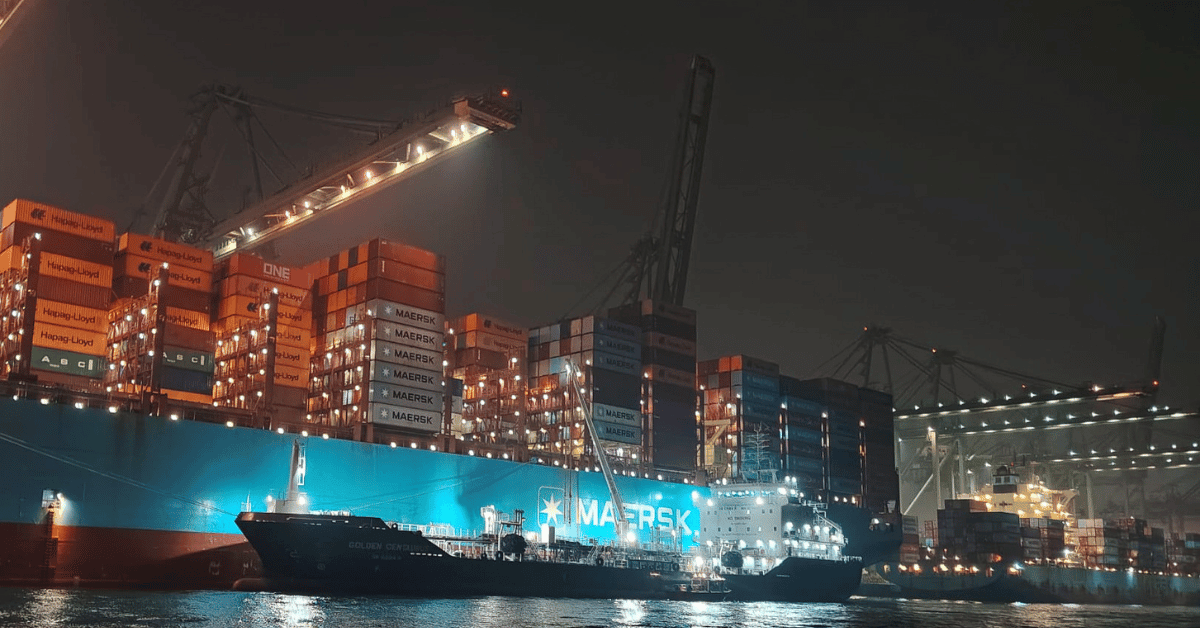
Singapore ethanol bunkering test delivers measurable milestone for cleaner maritime fuel
Singapore's first ethanol bunkering operation, completed at Pasir Panjang Terminal by Maersk, Golden Island and PSA Singapore, delivers a measurable milestone for cleaner maritime fuel. This is empirical progress, validated, real-world testing that moves the industry beyond theory. Understanding drives protection. For deeper context on the funding challenges behind such transitions, see "Calibrating EU maritime funding: €30 billion gap in sustainable fuel support identified."
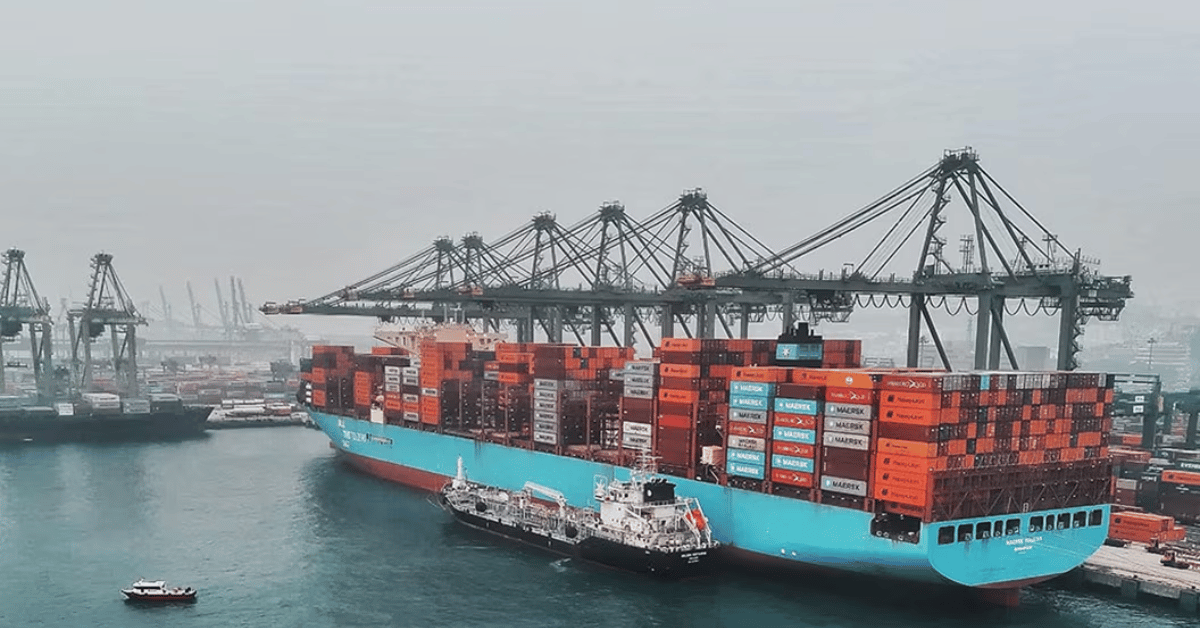
5 000 metric tonnes of certified bioethanol fuel a Maersk vessel in Singapore
The Maersk Halifax has completed a bunkering operation in Singapore, taking on approximately 5,000 metric tonnes of ISCC-certified bioethanol. This is a validated, measurable step toward decarbonizing maritime fuel systems. Bioethanol offers a real-time alternative to conventional bunker fuels, and its certification ensures empirical accountability. For deeper context on industrial maritime collaboration, see our coverage of the Maersk vessel arriving at L&T's Kattupalli Yard.
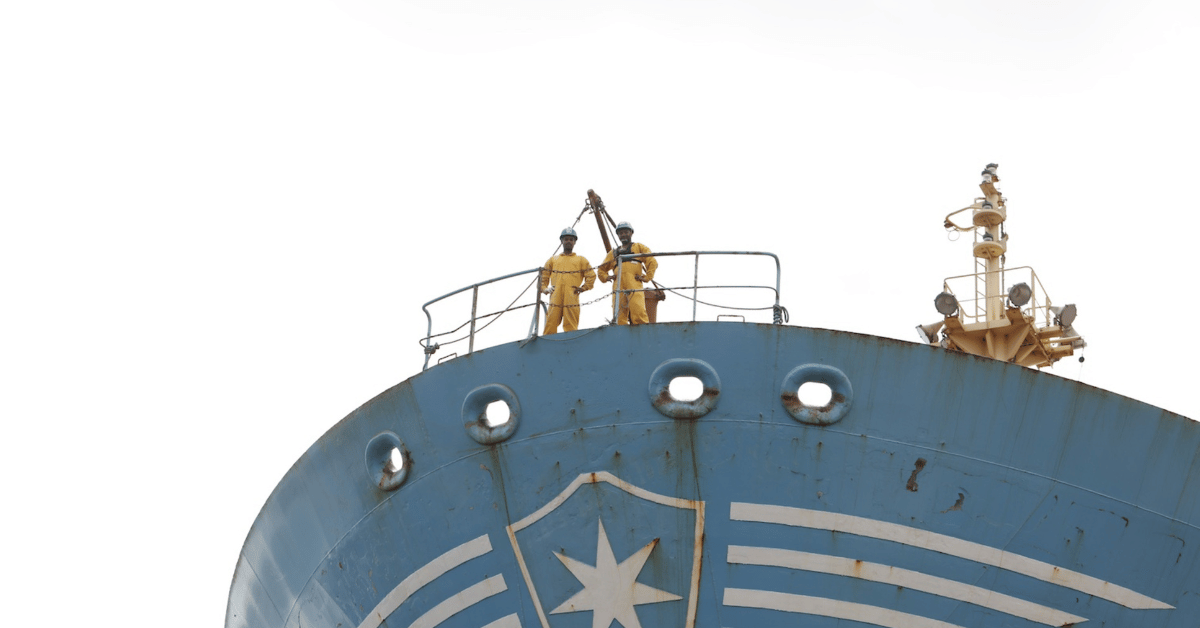
Maersk Vessel Arrives at L&T's Kattupalli Yard to Advance Indian Ship Repair
A Maersk vessel will arrive at L&T's Kattupalli yard on 20 October, marking a tangible step toward strengthening India's ship repair capabilities. The partnership between Maersk and L&T signals a calibrated expansion of integrated maritime infrastructure. Measurable progress in commercial repair capacity supports the broader ocean intelligence ecosystem. For deeper context on India's growing shipbuilding expertise, see our coverage of the INS Samarthak delivery.
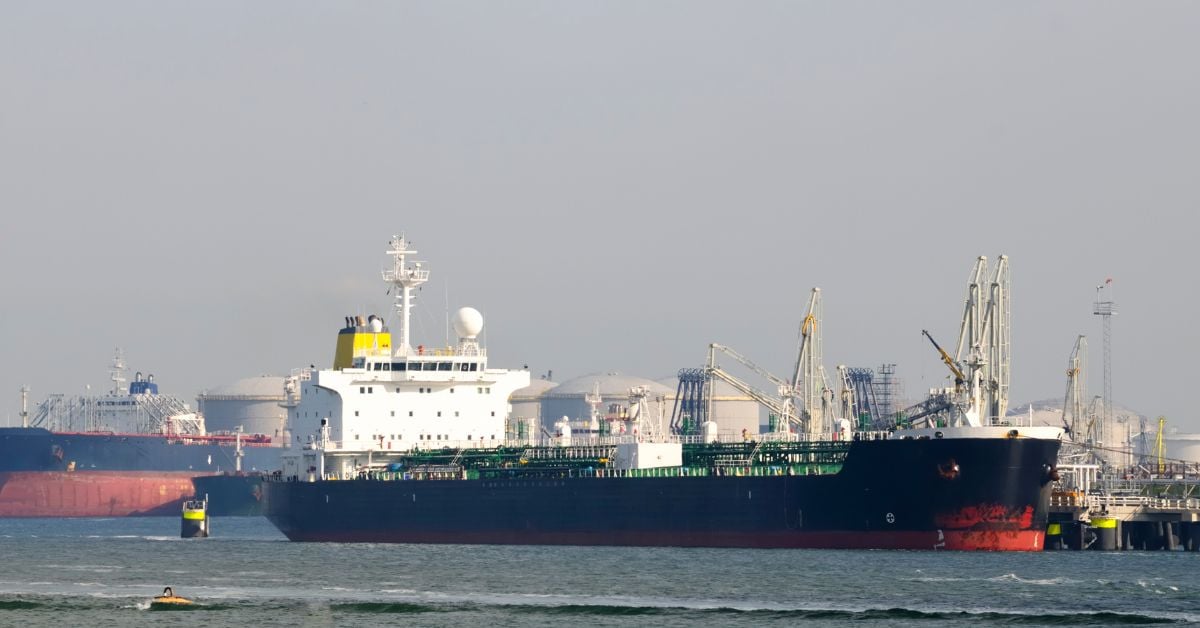
Geopolitical pressures drive Maersk to raise UK and Ireland inland fuel surcharge to 20%
A 20% emergency fuel surcharge on inland transport in Britain and Ireland reflects how geopolitical instability now directly reshapes supply-chain costs. Maersk's calibrated response underscores a measurable reality: conflict zones create ripple effects far beyond their borders. The surge is not abstract, it is a validated, real-time climate indicator of how integrated global logistics remain vulnerable. For deeper context on maritime risk, see our coverage of the rising tanker attacks near the Strait of Hormuz.
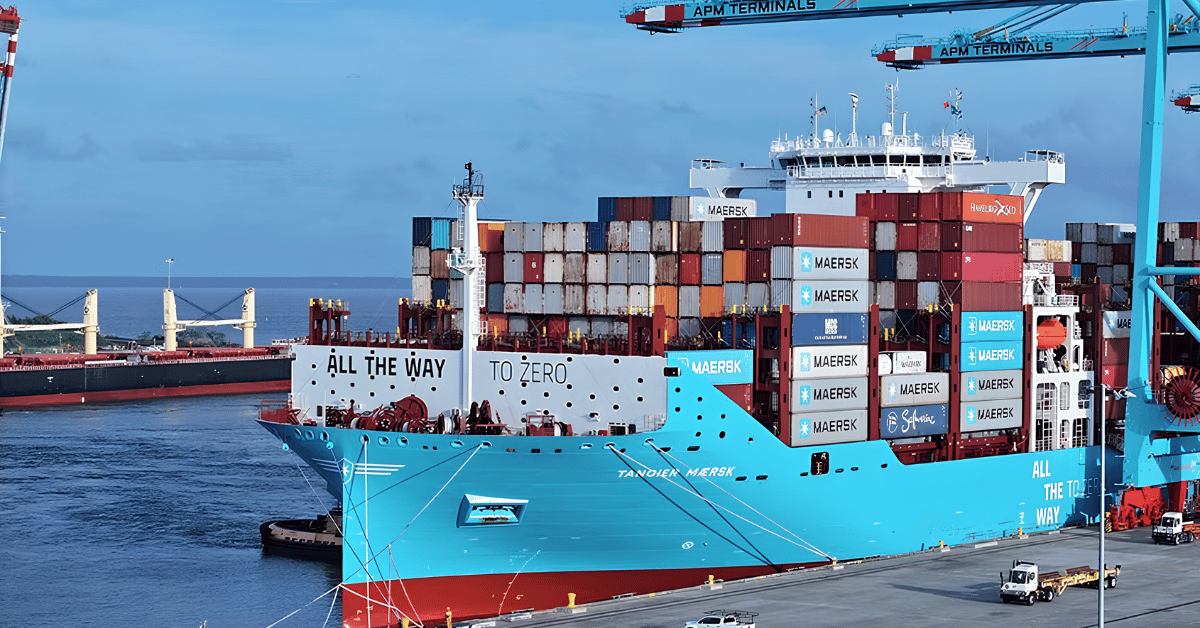
A validated step forward: first US ship-to-ship ethanol bunkering for a deep-sea vessel
A single ship-to-ship ethanol bunkering in the U.S. might seem incremental, but it validates a critical pathway for deep-sea decarbonisation. Maersk's completion of this commercial operation, using 100% corn ethanol, proves that alternative marine fuels can move from concept to calibrated, real-world application. This is measurable progress, not a promise. For more on how digital tools accelerate such transitions, see our coverage of "Singapore Hub Advances Digital Twins and AI for Ocean Decarbonisation."
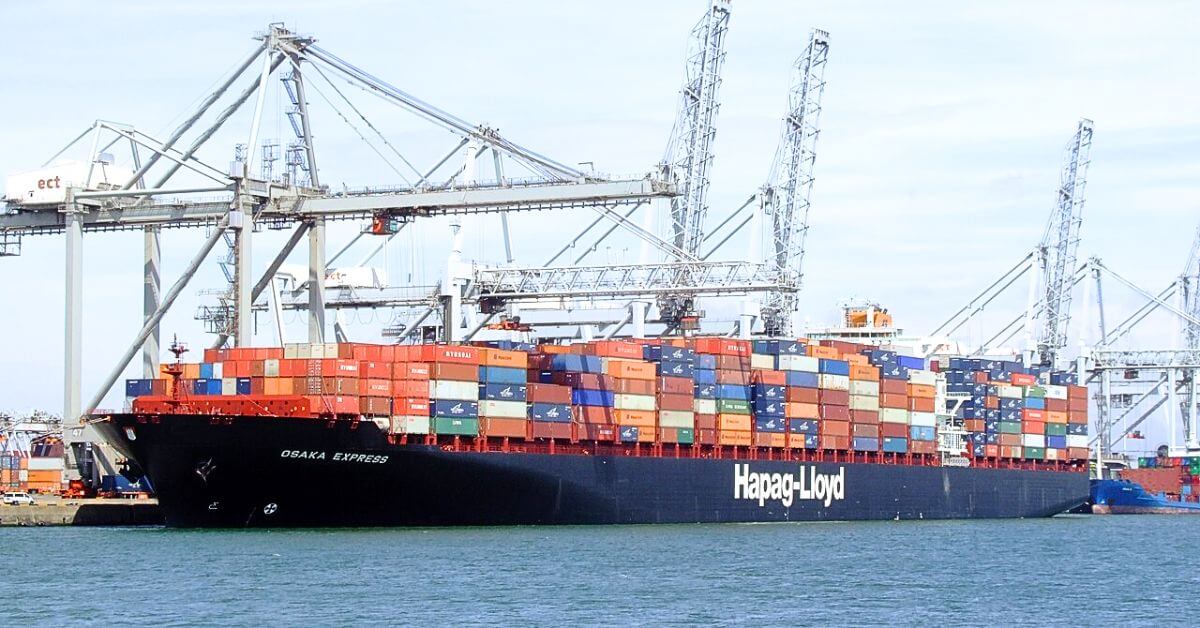
Shipping Services Return to Suez Canal Amid Ongoing Risk Assessments
Maersk's decision to reroute four services, AE5, AE11, AE12, and ME2, back through the Suez Canal marks a calculated return, not a careless one. The shift from the Cape of Good Hope reflects ongoing risk assessments that remain unresolved, a measured step rather than a full retreat to normalcy. It is a pragmatic move, grounded in operational data, and we respect that caution.
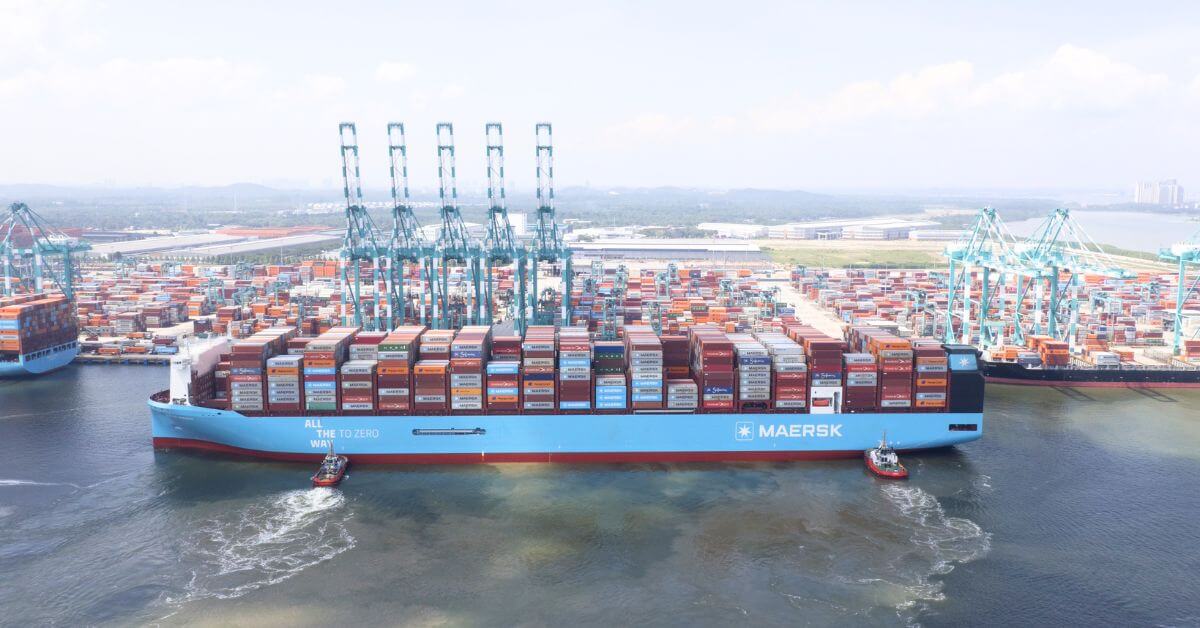
Maersk’s Fleet Expansion Signals Continued LNG Investment in Global Shipping
Maersk's planned order of 42 dual-fuel LNG vessels, including 12 ships at 24,000 TEU, signals a decisive, long-term commitment to gas as a transitional marine fuel. This is not speculative hedging; it is calibrated capacity building. The scale is measurable, and the direction is clear. For context on how port infrastructure is evolving alongside such fleet strategies, our related piece, "Paradip Port Designated a Mega Port, Anchors Eastern India's Maritime Growth," offers a useful lens.
Nuclear-Powered Shipping Route Explored in Transatlantic Collaboration
A transatlantic partnership has launched to explore a nuclear-powered shipping route, with Lloyd's Register, Maersk, and the ports of Charleston and Felixstowe collaborating on the Pink Corridor project. The initiative reflects a measured, forward-looking approach to decarbonizing maritime transport, one grounded in feasibility rather than hype. Nuclear propulsion remains a complex proposition, but this kind of cross-border, industry-led testing is how real progress gets calibrated. For broader context on maritime chokepoints, our coverage of the Strait of Hormuz reopening offers a timely parallel.
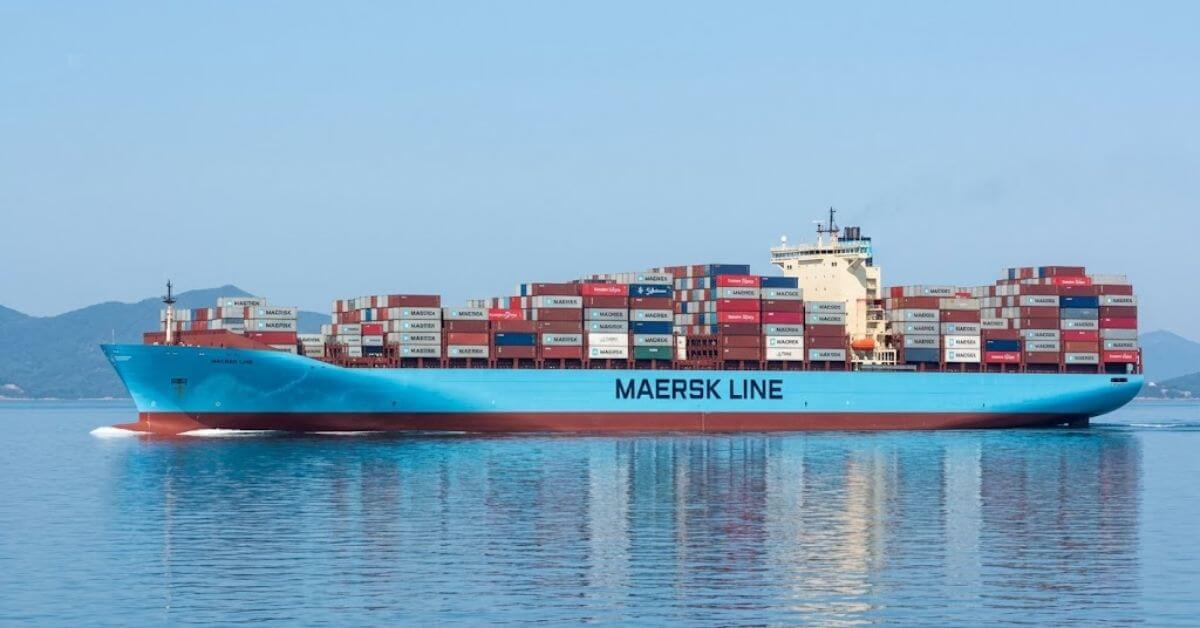
Maersk Considers Bangladesh Shipbuilding Investment, Recycling Potential Explored
AP Moller-Maersk is weighing direct investment in Bangladesh's shipbuilding sector, a move that pairs commercial pragmatism with the country's growing recycling potential. The logic is sound: established yards and expanding industrial capacity offer Maersk a foothold in a region where vessel construction and end-of-life dismantling increasingly overlap. This is not speculative ambition; it is calibrated expansion. For context on how similar partnerships are shaping regional capabilities, our piece on the collaborative shipbuilding initiative in India offers a useful counterpoint.
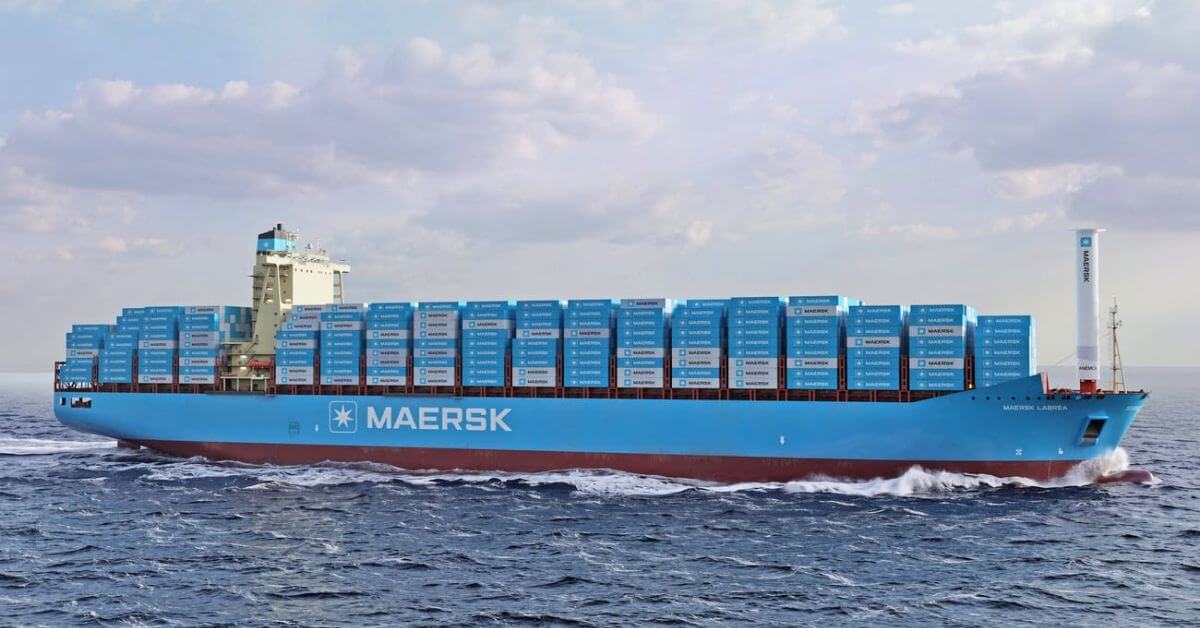
Data-Driven Wind Propulsion: Maersk Integrates Rotor Sail Technology
Anemoi has already fitted its Rotor Sail technology across bulk carriers, and now Maersk is integrating that same system into its fleet. The move signals a practical step toward measurable fuel efficiency, not a gesture. Wind propulsion is no longer a concept study; it is operational hardware earning its place beside conventional power. For readers tracking maritime risk and resilience, our coverage of the drone strike near the Strait of Hormuz shows how quickly operational realities shift.

Maersk Container Traffic Signals Rising Activity Through Suez Canal
Maersk-affiliated container traffic through the Suez Canal is climbing, with navigation reports recording a considerable uptick in daily transits. The trend signals a measured return to a route that remains central to global trade efficiency. For a shipping network still recalibrating from Red Sea disruptions, this is a practical indicator of restored confidence rather than a speculative spike. It also invites comparison with how other chokepoints, like the Strait of Hormuz, demand coordinated attention.

Investment Dispute: CK Hutchison Seeks $1.5B from Panama Over Canal Ports
CK Hutchison's $1.5 billion claim against Panama is a stark reminder that port assets sit at the intersection of commerce and state power. The company alleges a coordinated, unlawful campaign breached an international investment treaty, a charge that carries weight far beyond balance sheets. This is not about inconvenience; it is about the rules that govern global trade. For context on how fragile such infrastructure can be, see our coverage of drought-driven transit reductions in "Reduced Canal Transits."

Integrated Supply Chains: Maersk Invests in Indian Container Manufacturing
Maersk's decision to invest in Indian container manufacturing answers a direct call from Prime Minister Narendra Modi, and it's a strategic move that strengthens supply chain resilience where it matters most. This is not just about steel boxes; it's about building sovereign capability within a global network. The timing aligns with India's broader maritime momentum, particularly as ports like Paradip gain Mega Port status. When logistics infrastructure matures in tandem, the entire region benefits.

Maersk Expands Ammonia Carrier Fleet, Signaling Green Shipping Shift
Maersk's decision to secure nine additional very large ammonia carriers this year, bringing its order book to 22 vessels valued at $2.55 billion, signals a deliberate move toward decarbonized shipping. This is not speculation; it is committed capital. Ammonia's viability as a marine fuel rests on measurable infrastructure progress, and these orders provide the empirical weight that climate discussions often lack. The scale is purposeful, and the direction is clear.

Disrupted Shipping Impacts Ukraine’s Vital Agricultural Exports.
The disruption of Ukraine's agricultural exports cuts to the heart of its wartime economy. These shipments are not merely cargo; they are a vital source of hard currency sustaining the nation through conflict that has raged since 2022. Every delayed vessel compounds the pressure. This is a measurable cost in a war defined by economic endurance. For deeper context on Russia's broader maritime strategy, our related report, "Russia Calibrates Export Revenue for Northern Sea Route Icebreaker Fleet," offers useful perspective.

Shipping Disruption: Maersk Halts Ukraine Port Service Amid Escalating Conflict
Maersk's decision to suspend its Ukraine port service at Chornomorsk marks the second major carrier to step back, following Ukraine's largest grain exporter in halting operations there. The move is a measured response to escalating conflict, not a panic. It reflects a sober calculation: when maritime corridors become contested, reliability erodes. For those tracking the Black Sea's shifting trade routes, this is a signal worth calibrating.