ship repair
10 stories filed under ship repair on World Data Ocean. The newest of them: “Stranded Iranian Vessels Off Sri Lanka Test Supply Limits and Sanctions Calculus”, “Collaborative Shipbuilding Initiative Advances Ocean Data Capabilities in India”, and “Kochi Poised to Become a Global Maritime Services Hub.”. At least 19 Iranian cargo vessels sit idle off Sri Lanka, their fuel, food, and water supplies running low. Synergy Marine Group and Cochin Shipyard have signed an MoU to pursue shipbuilding, repair, and conversion projects for international shipowners in India. A Global Hub for Ocean Intelligence 4 World Data Ocean is a centralized digital platform where researchers, scientists, and ocean enthusiasts converge to… The list below is every ship repair story on World Data Ocean, newest first.
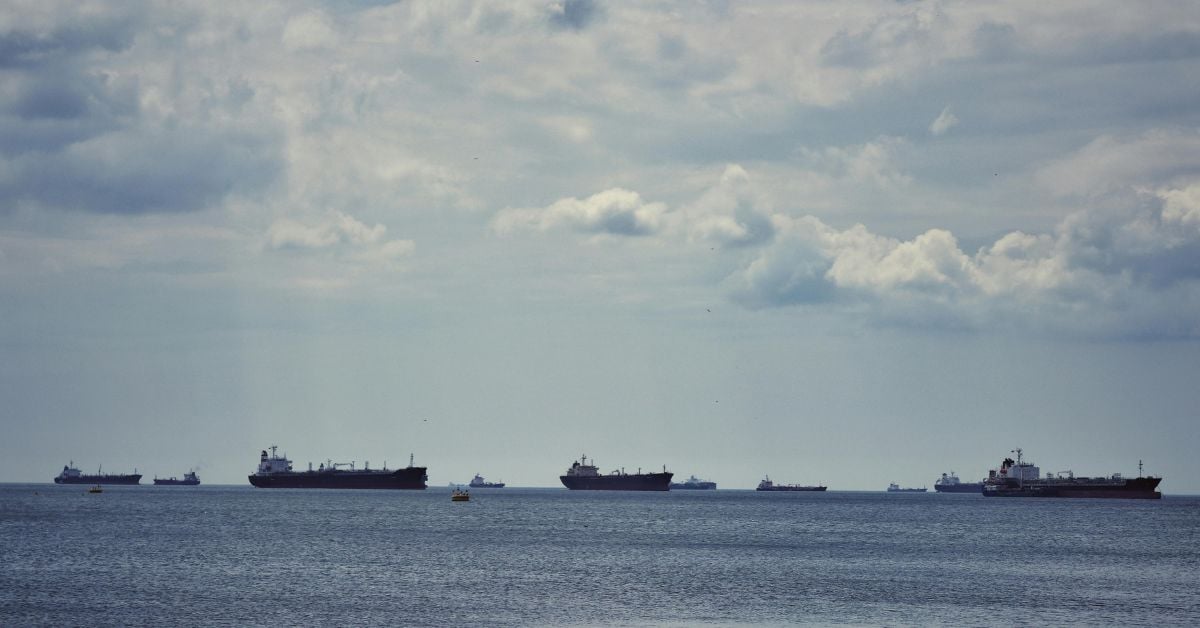
Stranded Iranian Vessels Off Sri Lanka Test Supply Limits and Sanctions Calculus
At least 19 Iranian cargo vessels sit idle off Sri Lanka, their fuel, food, and water supplies running low. This is not merely a logistical standoff; it tests the limits of supply-chain resilience and the calculus of international sanctions. The stranded ships highlight how geopolitical pressures ripple through global trade networks. Our related coverage on how divergent population trajectories reshape climate indicators offers a broader context for understanding such interconnected pressures.
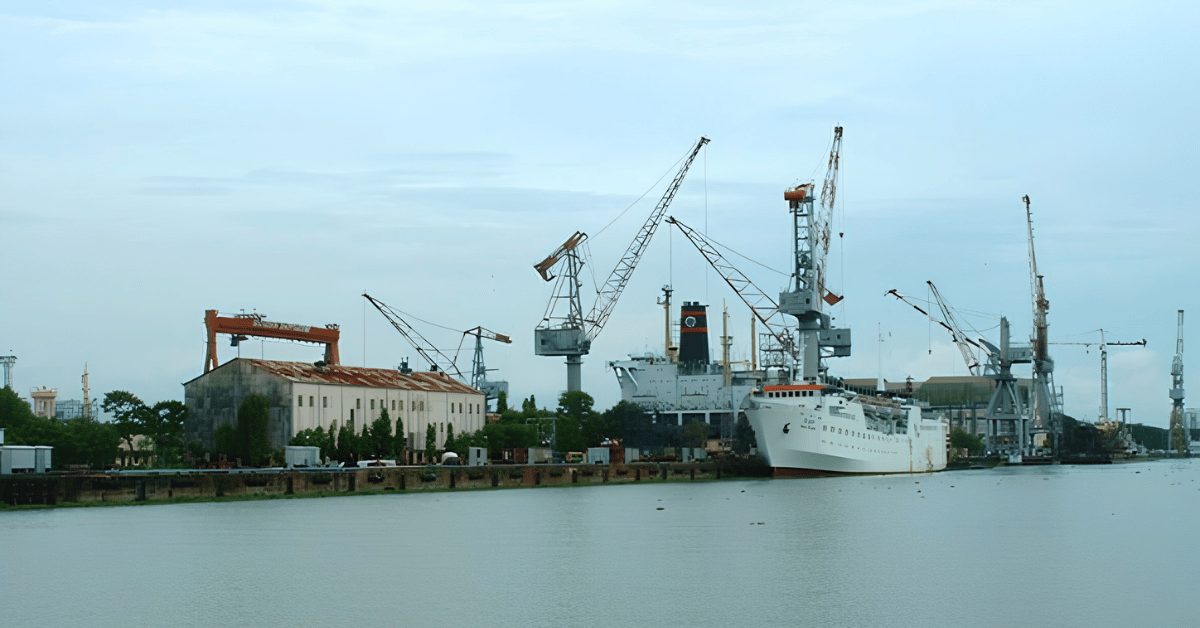
Collaborative Shipbuilding Initiative Advances Ocean Data Capabilities in India
Synergy Marine Group and Cochin Shipyard have signed an MoU to pursue shipbuilding, repair, and conversion projects for international shipowners in India. The move pairs two established maritime operators, and it signals a practical step toward strengthening India's role in global vessel construction and maintenance. For those tracking how regional infrastructure supports broader ocean intelligence, this initiative is relevant. It complements coverage of naval capabilities, such as the Next-Generation Missile Vessels Advance Indian Navy Capabilities, by reinforcing the country's expanding maritime industrial base.
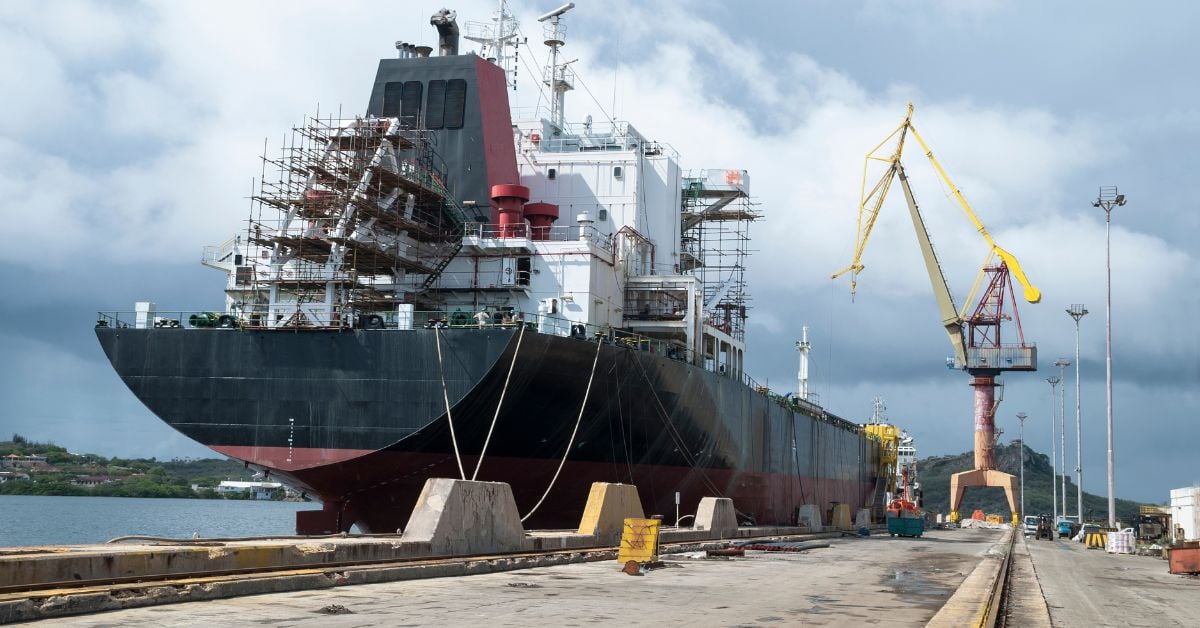
Kochi Poised to Become a Global Maritime Services Hub.
Kochi is positioning itself as a global maritime services hub, expanding its technical and operational capacity with measurable intent. This is not ambition for its own sake, it is a calibrated step toward integrated ocean intelligence. When a port city invests in real, validated capabilities, it strengthens the entire data ecosystem that connects orbit to ocean floor. For deeper context, see our coverage of Cochin Shipyard's strategic equity stake in Conoship. Understanding drives protection.

Fatal Fire Aboard Cargo Ship Ocean Melody at Qingdao Port
A fatal fire aboard the *Ocean Melody* at Qingdao Port is a stark reminder that maritime safety remains a work in progress. The 190-metre Liberian-flagged cargo vessel now sits at the centre of an investigation. Understanding such incidents demands empirical scrutiny, not alarm. For broader context on operational pressures at sea, readers may consult our coverage of the Gulf of Oman STS transfers. Validated data, not speculation, drives protection.

Shipyard Fire and Explosion in Fujian Highlights Maritime Risks.
A shipyard fire and explosion in Fujian, a critical hub for shipbuilding and repair, has thrust maritime safety back into focus. The province's position across the Taiwan Strait from democratically governed Taiwan adds geopolitical weight to an already urgent incident. This is not a distant anomaly; it is a reminder that industrial ambition must be matched by rigorous, validated safety protocols. We cannot afford to learn these lessons slowly.

Austal USA Delivers First U.S. Navy Floating Dry Dock in Decades
On Saturday, July 25, 2026, Austal USA launched the AFDM 15, the first U.S. Navy floating dry dock delivered in decades, moving it from its Alabama Shipyard assembly site to the water. The achievement restores a critical capability long absent from the fleet, signaling renewed industrial momentum for naval infrastructure. It also pairs with our coverage of the Navy's accelerated submarine strategy, reinforcing a broader push toward sustained maritime readiness. Precision in execution here is measurable, and the strategic timing is hard to ignore.

Hanwha Bid Signals Shift in U.S. Shipbuilding Landscape.
A $1 billion bid from South Korea's Hanwha to acquire Austal USA signals a calculated shift in U.S. shipbuilding. The move places foreign capital directly inside a domestic defense supply chain, and that matters. It is not simply a transaction; it reflects confidence in American naval demand. For context, parallel efforts like the U.S. Navy's accelerated submarine strategy show how tightly shipbuilding capacity is tied to strategic readiness. Hanwha's offer adds a new variable to that equation, one worth watching closely.

Container Ship Sinks Near Zhoushan; Typhoon Threatens Recovery Efforts
Aged 20 and already facing the sea's harshest realities, the container ship that sank near Zhoushan now confronts a second threat: an inbound typhoon is set to complicate salvage efforts. The vessel's fate underscores how quickly recovery can turn perilous, even for seasoned crews. Weather remains the great variable in maritime response, and this operation will test both patience and precision. For deeper context on how vessels endure such trials, our piece on the bulk carrier freed near Gladstone offers a useful counterpoint.

AI and Robotics Drive Modernization of US Shipyards
The integration of AI and robotics into U.S. shipyards marks a deliberate step toward modernization, with two companies agreeing to collaborate across the full lifecycle, from construction to operations. This is not speculative ambition; it is a calibrated response to operational demands. We see this as a practical alignment of emerging technology with industrial necessity.

Durban’s Historic Dock Greets Oil Tanker After Decade-Long Hiatus
The 228-metre crude oil tanker *Troy* has arrived at Durban's historic Prince Edward Graving Dock, marking the port's first such berth in a decade. Transnet National Ports Authority's welcome signals a measured return to routine industrial operations, one that balances legacy infrastructure with present-day logistics. The hiatus was long, but the dock's purpose remains clear: precise, functional service. For context on regional maritime pressures, our report on the drone strike near the Strait of Hormuz offers a useful counterpoint.