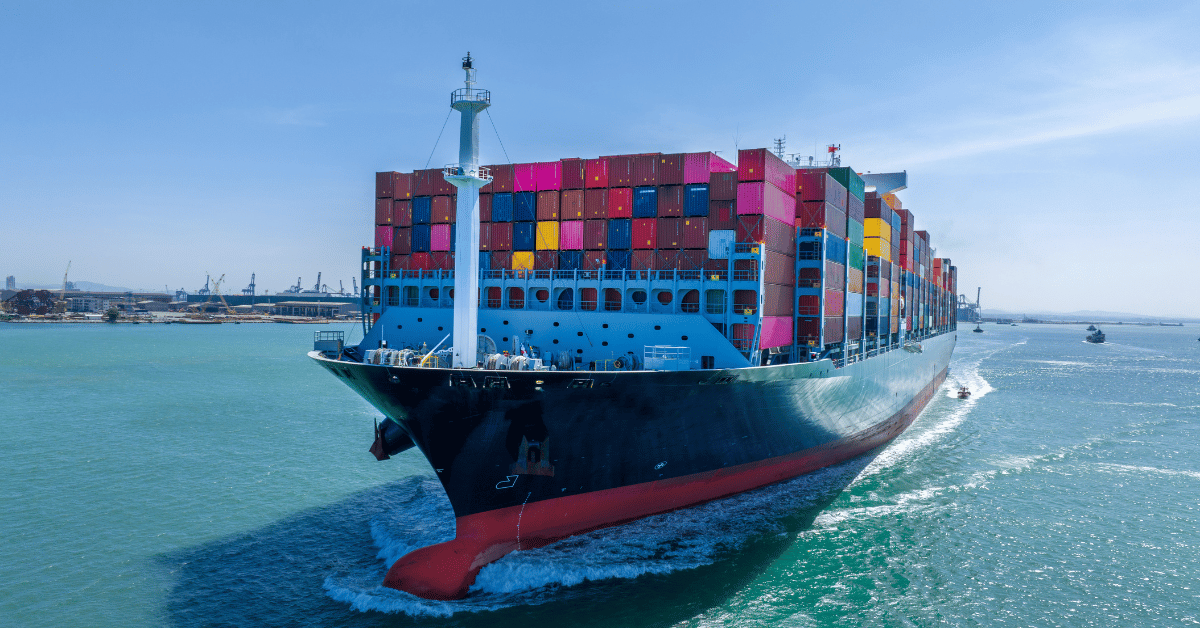
The shipping industry's race to decarbonize has been hamstrung by a simple reality: the vessels are ready, but the fuel is not. A new study from the Maritime Ethanol & Methanol Alliance (MEMA) offers a practical workaround, and our view is that this is exactly the kind of empirically grounded, commercially sensible pathway the sector needs right now. The study, *Marine Ethanol: Unlocking the US Opportunity*, validates that ethanol can be used in methanol-ready ships with limited modifications, leveraging existing dual-fuel engines and bunkering infrastructure. This is not a theoretical exercise, it is a technology assessed at readiness level 8-9, meaning commercial deployment is emerging now. For the 300-plus methanol-capable vessels already in service or on order, this represents a tangible, near-term option at a time when low-emission methanol supply remains constrained. The timing is especially critical as the G7-Backed Network Integrates 14 Ports for Collective Ocean Security aims to improve maritime intelligence, a reminder that fuel security and operational security are increasingly intertwined. Meanwhile, the Arctic shipping noise demands calibrated governance for marine life and Indigenous communities highlights how rapidly expanding vessel traffic creates new governance challenges, challenges that a more diversified fuel supply could help address by enabling cleaner propulsion sooner.
What makes this study stand out is its grounding in measurable, real-world capacity. The United States already produces just over half of the world's fuel ethanol, with roughly 2 billion gallons of spare annual capacity available today. To put that in perspective, meeting just 1% of international shipping's annual fuel demand by mass would require about 1 billion gallons, well within that surplus. Reaching a 5% share by the mid-2030s would demand around 5 billion gallons, a scale that is achievable but requires coordinated scaling of production and bunkering infrastructure. The recent commercial ship-to-ship bunkering of US corn ethanol in Houston by the *Tangier Maersk* demonstrates that the logistics are moving from trial to operation. Compared with heavy fuel oil, ethanol virtually eliminates sulphur oxides, cuts nitrogen oxides by 40-94%, and reduces particulate matter by 90-99% without scrubbers. Its net production cost, after co-product revenue, sits below US$1 per gallon, low relative to other low-emission marine fuels. These are validated, empirical advantages, not aspirational claims.
The open question, as Clarence Woo of the Global Centre for Green Fuels rightly notes, is consistency. As international bunkering scales, shipping needs standardised, fungible marine fuel specifications, traceable feedstocks, and a robust chain of custody so that ethanol from different producers and regions can be used with confidence. This is a challenge of governance and technical calibration, not of resource availability. And it arrives just as the International Maritime Organization prepares to decide next steps on its Net-Zero Framework in December. The industry now has a validated, measurable option to discuss, not a distant promise, but a fuel that is ready today, backed by integrated production and export infrastructure. The specific detail to watch is how quickly the bunkering hubs along the US Gulf Coast, which already serve 80 export markets, can standardise their procedures to match the scale these vessels require. That is the next bottleneck, and solving it will determine whether ethanol moves from an alternative to a mainstream marine fuel.