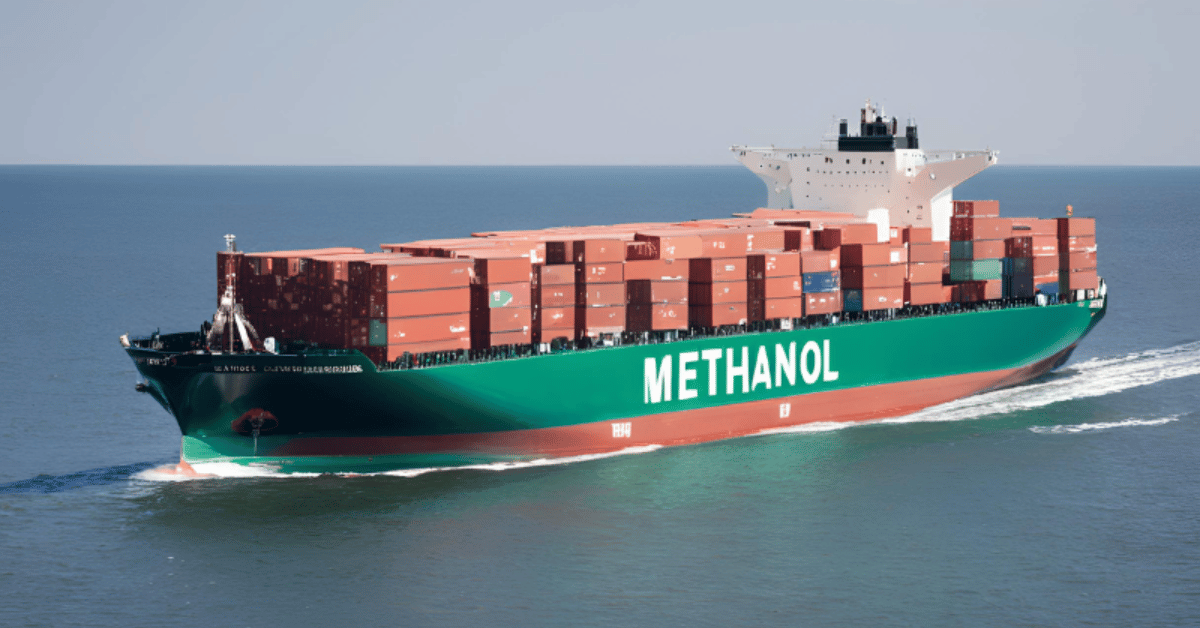
The maritime industry is building vessels for a fuel future that does not yet exist at the scale required. Lloyd's Register's new *Fuel for Thought: Ports* report confirms that 385 methanol-ready and 45 ammonia-ready ships are on order, yet only 25 ports worldwide actively offer methanol bunkering, and the first commercial ammonia operation, at Ulsan, South Korea, was completed only last month. This is not a minor lag; it is a structural mismatch that will force owners to rethink how they match fuel strategy with trading routes. The gap between vessel capability and port readiness is no longer a theoretical risk, it is a present-day constraint that will determine which orders deliver on their low-carbon promise and which become expensive paper commitments.
The data demands a practical response. LNG bunkering is available at 222 ports, making it the only alternative fuel with a mature global network. Biofuel blends, which can move through existing infrastructure, were delivered at 90 ports in the past year, with Singapore alone accounting for more than a quarter of recorded volumes. For methanol and ammonia, the picture is far less developed. Ports pursuing ammonia remain mostly at pilot or safety-framework stages. The report's conclusion is blunt: fuel choice and trade route are now inseparable. Owners who order a methanol-capable vessel without confirming bunker availability along its intended route are placing a bet, not executing a strategy. This is where our recent coverage connects directly. The New BPA and Lloyd's Register paper advises ports to plan nuclear integration now reinforces the same principle, ports that plan early for emerging energy sources, whether nuclear or alternative fuels, will hold the advantage. Meanwhile, the Texas Deepwater LNG Port Approved to Measure Export Growth and Climate Indicators shows that large-scale LNG infrastructure continues to move forward, widening the readiness gap further for fuels that lack comparable investment.
The practical takeaway is direct: owners and operators must treat fuel availability as a route-specific constraint, not a global metric. LR's Kamran Ul Haq puts it plainly, ports do not need to back every fuel, but they must understand where credible demand will emerge and invest in safety, regulation, and workforce skills accordingly. Named vessel programmes and green shipping corridors offer a way to de-risk infrastructure investment by matching committed demand with port preparation. The question that follows is not whether alternative fuels will scale, but which ports will be ready when the first wave of those 385 methanol-capable ships enters service. The answer will determine whether the transition advances as planned or stalls at the dock.