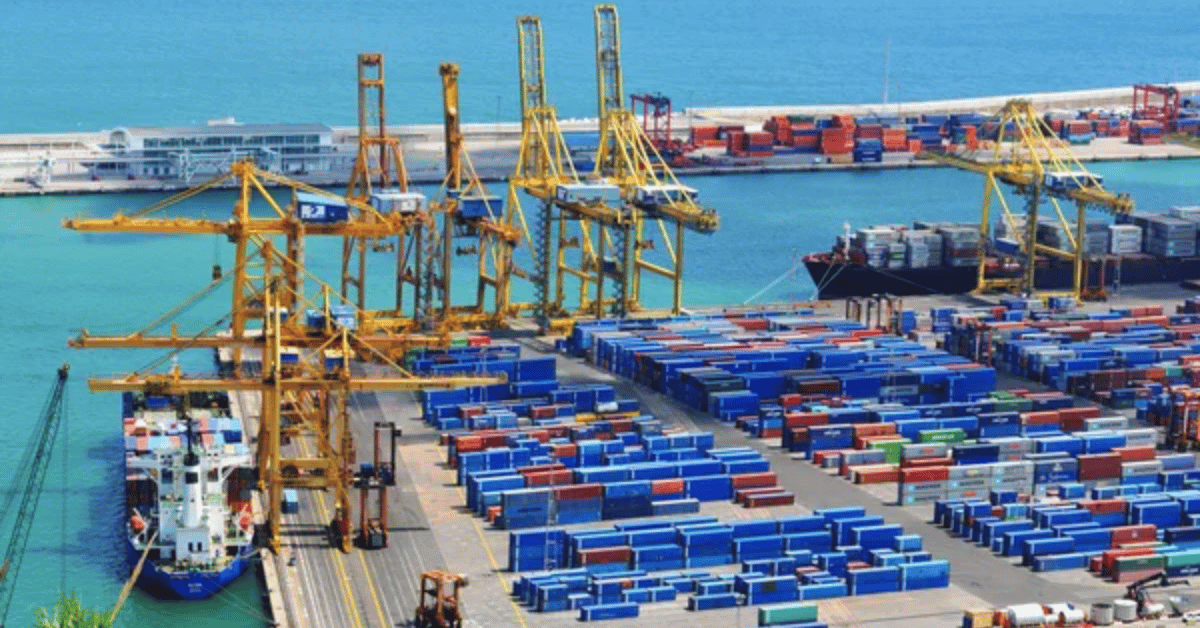
Intelligence is only as effective as the infrastructure that moves it, and France's G7-backed network linking 14 major ports represents a calibrated leap forward in maritime security. By integrating customs services, Interpol, the UN Office on Drugs and Crime, and the International Maritime Organization into a single intelligence-sharing ecosystem, this initiative treats drug trafficking not as a series of isolated seizures but as a systemic threat requiring coordinated, real-time response. This is not merely a diplomatic gesture; it is a measurable attempt to close the data gaps that criminal organizations exploit across the entire supply chain, from production zones to destination markets.
The practical implications for our readers are immediate and concrete. For researchers tracking the intersection of maritime governance and transnational crime, this network offers an empirical case study in how integrated data ecosystems can enhance enforcement. For policymakers, the network's explicit targeting of container detection and trafficking routes mirrors the kind of calibrated governance that our coverage of Arctic shipping noise demands calibrated governance for marine life and Indigenous communities has long advocated, only here the threat is narcotics rather than underwater radiated noise, and the response is intelligence fusion rather than acoustic regulation. The parallel is instructive: both challenges demand that we see the ocean not as a lawless expanse but as a shared domain requiring integrated oversight.
France's own numbers validate the urgency. In 2025 alone, the country processed roughly 20 requests to board suspect vessels on the high seas, seizing more than 40 tonnes of narcotics, almost all of it cocaine. That figure, combined with the fact that 70% of drugs entering European territory arrive by sea, underscores why this network matters operationally. The network builds on more than 20 bilateral cooperation agreements France has concluded since late 2025 and a 30% increase in anti-drug personnel in Latin America and the Caribbean. These are not abstract commitments; they are empirical, longitudinal efforts that the new network is designed to scale. The G7's directive to have the system operational by November 2026, in coordination with the European Ports Alliance, sets a clear timeline against which progress can be measured.
What remains open is whether this model of port-linked intelligence can be extended to other maritime security challenges, such as the detection challenges posed by maritime drones, which France has recently confronted in the Black Sea, as detailed in France Extends Black Sea Patrols as Maritime Drones Challenge Detection Capabilities. The same ports and customs authorities now sharing drug-trafficking intelligence could, in theory, share data on suspicious vessel behavior, illegal fishing, or even climate indicators linked to shipping emissions. The network's architecture matters as much as its current purpose. The specific detail to watch is how the network handles data standardization across its 14 ports and multiple international bodies, because without calibrated, peer-reviewed protocols for intelligence sharing, even the best-integrated network risks becoming just another layer of bureaucracy.