bunkering
bunkering at World Data Ocean is a file of 8 stories. The newest of them: “6,000-nautical-mile delivery signals a new chapter for ocean-going vessel”, “Bulk Carrier Freed After Prolonged Grounding Near Gladstone, Australia”, and “Ammonia Bunkering Vessel Design Receives Approval, Advancing Sustainable Maritime Fuels”. A 6,000-nautical-mile delivery is not merely a transit; it is a statement of capability. Six days on the sandbar near Gladstone is a stark reminder of how unforgiving the Queensland coast can be, and the successful refloat of this bulk carrier speaks to the skill of the response teams involved. A Global Hub for Ocean Intelligence 4 World Data Ocean is a centralized digital platform where researchers, scientists, and ocean enthusiasts converge to… The list below is every bunkering story on World Data Ocean, newest first.
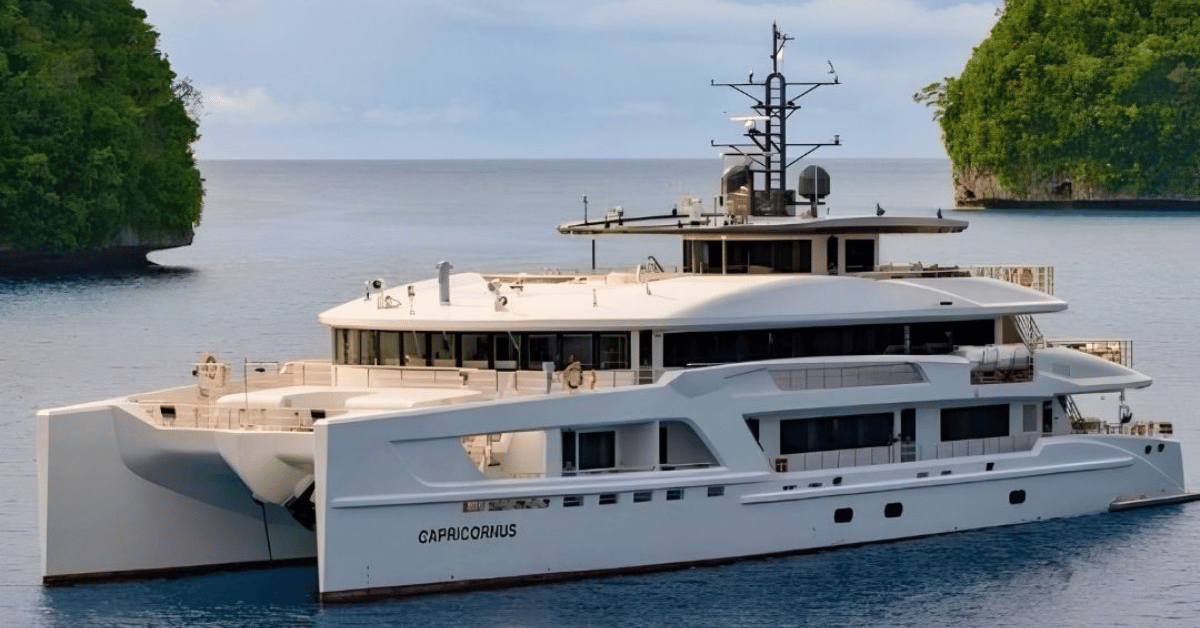
6,000-nautical-mile delivery signals a new chapter for ocean-going vessel
A 6,000-nautical-mile delivery is not merely a transit; it is a statement of capability. Azurine's completion of this voyage with a 909 GT catamaran from Thailand to Turkey, now entering a major transformation, validates the growing reach of efficient ocean transport. This measured achievement aligns with the urgent need for safer global shipping, readers may find our coverage of the *New Coalition Charts Measurable Course for Safer Global Shipping* a timely companion to this story.
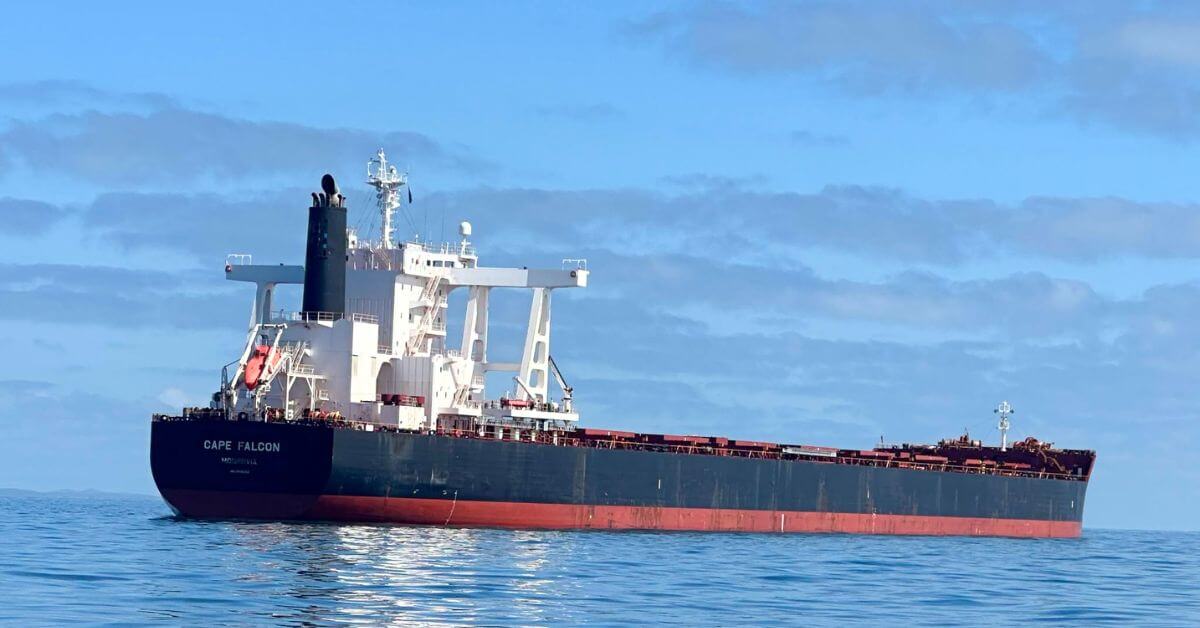
Bulk Carrier Freed After Prolonged Grounding Near Gladstone, Australia
Six days on the sandbar near Gladstone is a stark reminder of how unforgiving the Queensland coast can be, and the successful refloat of this bulk carrier speaks to the skill of the response teams involved. A prolonged grounding disrupts schedules and tests operational limits, but the vessel is now free, which is the outcome that matters most.
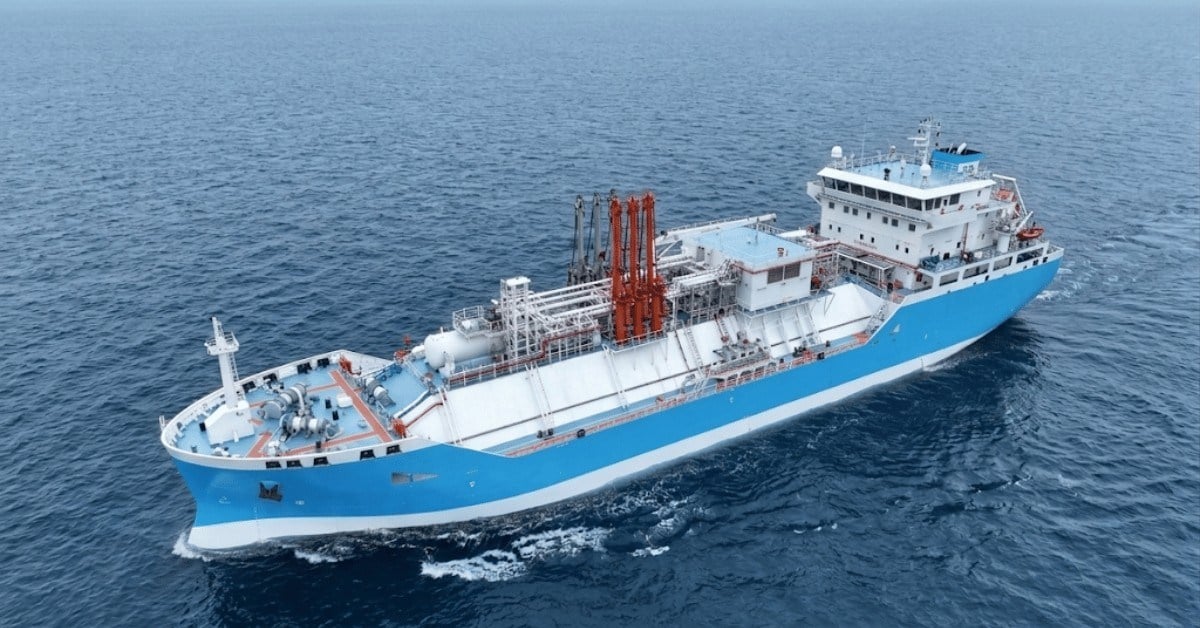
Ammonia Bunkering Vessel Design Receives Approval, Advancing Sustainable Maritime Fuels
HD Hyundai's shipbuilding arms have secured ABS approval in principle for an ammonia bunkering vessel design, a concrete step toward commercialising a fuel critical to maritime decarbonisation. The classification validates the integrated approach behind the design, moving ammonia from theoretical promise toward operational reality. This is how ocean intelligence translates into practical infrastructure. For broader context on the sector's risks, our report on the fatal attack near Oman underscores the security dimension shaping today's shipping routes.
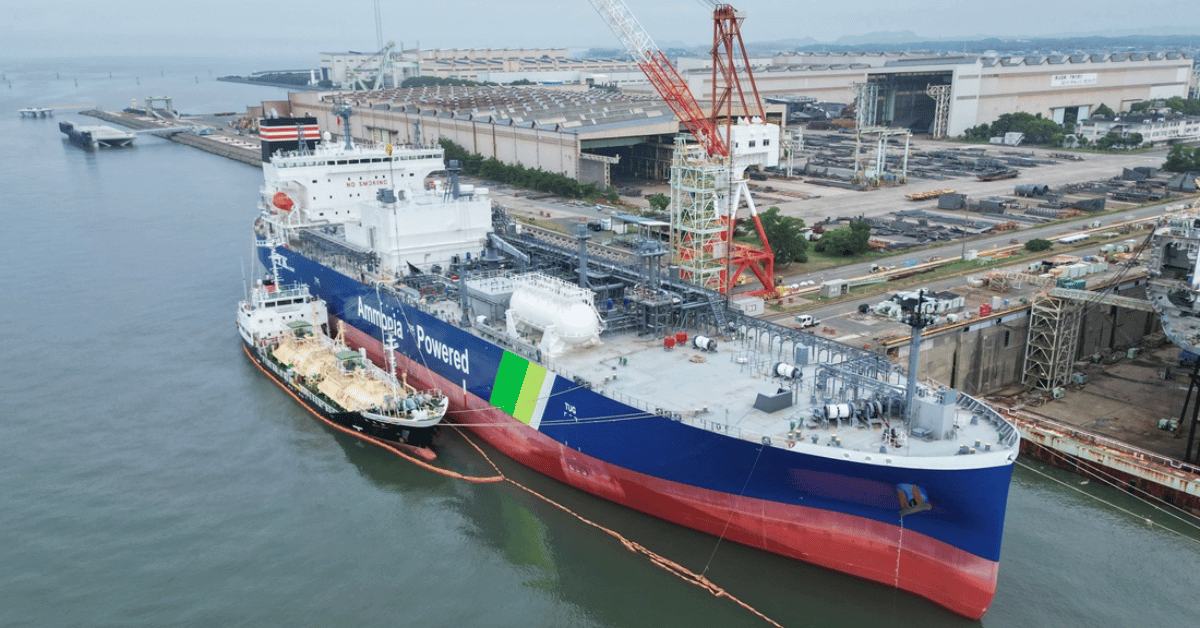
Ammonia Bunkering Milestone: Pioneering Sustainable Shipping Practices
NYK Line and its Japanese partners have completed the world's first ship-to-ship ammonia bunkering operation on an ammonia-fuelled vessel, a measured step toward decarbonizing maritime transport. This is not flashy; it is empirical progress. The operation validates a practical pathway for integrating alternative fuels into existing logistics chains. For those tracking how ports and fleets evolve, this milestone complements the validated design of an LNG-ammonia bunkering vessel we covered earlier. Together, these developments signal a deliberate, data-driven shift in how the industry powers its ships.
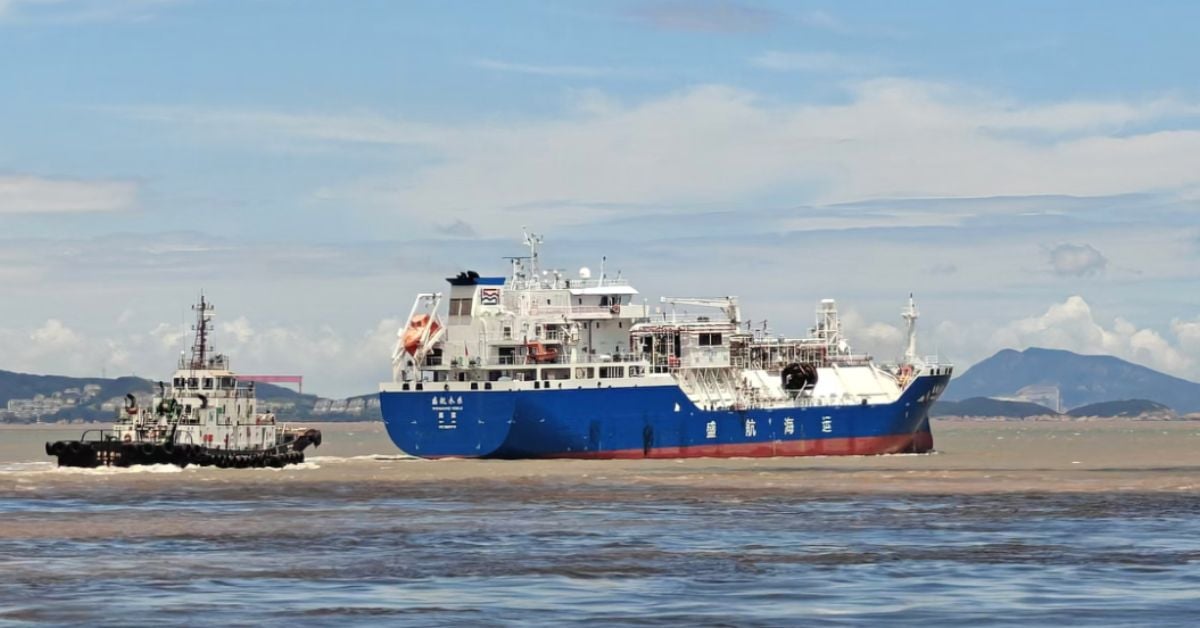
Ammonia Bunkering Vessel Launches, Advancing Sustainable Maritime Fuel Transition
The conversion of the FKAB Marine Design L21 carrier *Shenghang Yongle* into an ammonia bunkering vessel marks a measured step forward for sustainable maritime fuel. This is not spectacle; it is calibrated infrastructure taking shape. Ship-to-ship liquid ammonia refueling requires precision, and this launch delivers that capability. The industry needs practical pathways, not promises. We see this as a signal that the transition is being built, not just discussed.

Seafarer Safety Paramount Amidst Geopolitical Tensions in U.S.-Iran Conflict
The loss of seafarers in the U.S.-Iran conflict is a tragedy that demands our attention. IBIA's condolences are a sobering reminder: geopolitical tensions carry human costs that validated data cannot measure alone. Protecting those who work our oceans is non-negotiable. This crisis echoes the stakes seen in "Eighty Nations Urge Reopening of Vital Strait of Hormuz Shipping Lane", a channel where safety and security converge. We must integrate maritime intelligence with a commitment to seafarer welfare.
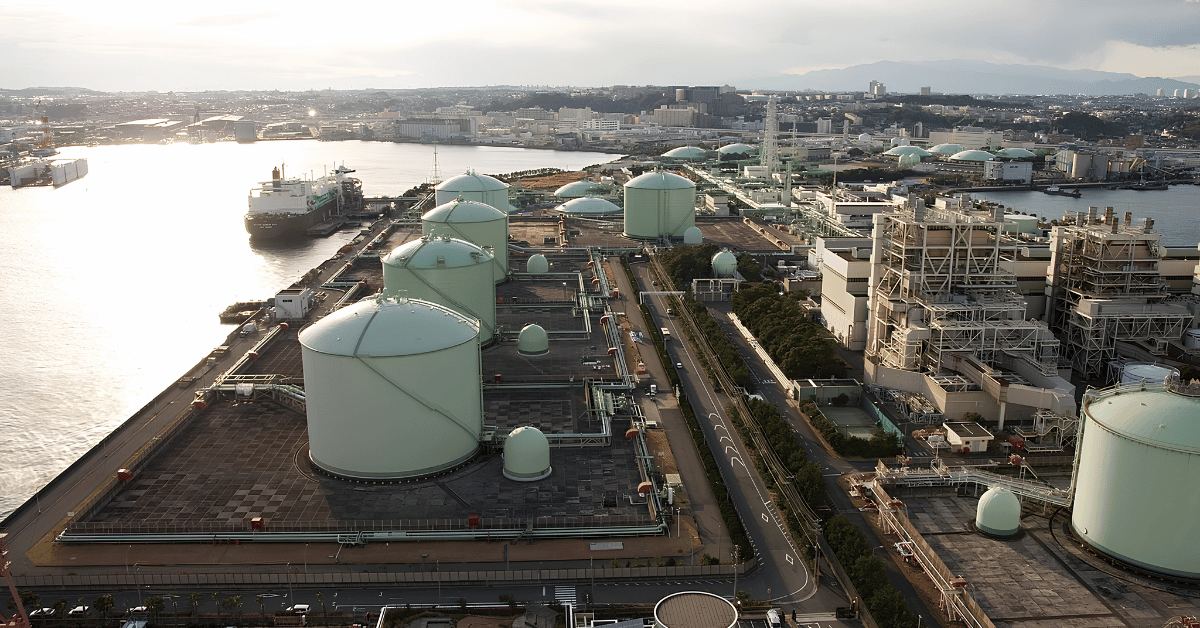
Protecting Biomethane Supply Chains Vital for Maritime Decarbonization
The liquefied biomethane supply chain is a validated pathway for measurable decarbonisation, not a theoretical concept. SEA-LNG's urgent call for the EU to protect mass-balance accounting is empirically sound: regulatory disruption would raise costs and stall progress. Protecting these integrated pathways is a matter of scientific integrity. For deeper context on alternative fuel innovations, see our coverage of the *Ammonia Bunkering Milestone*. Purpose-driven policy must match the urgency of ocean stewardship.

Record-Breaking Green Methanol Bunkering Fuels Sustainable Shipping in Shanghai
A single bunkering operation in Shanghai has set a global record for green methanol supply, marking measurable progress in the shipping sector's shift toward lower-carbon fuels. The scale of this milestone is significant, but the real signal is repeatability: the more ports integrate green methanol into routine logistics, the faster the industry can move beyond pilot projects. For broader context on regional energy flows, our coverage of Gulf of Oman STS transfers offers a useful contrast in how different fuel systems are evolving.