marine fuel
World Data Ocean keeps marine fuel in one place: 5 stories so far. The section currently leads with “A validated step forward: first US ship-to-ship ethanol bunkering for a deep-sea vessel”, “Ammonia Bunkering Vessel Design Receives Approval, Advancing Sustainable Maritime Fuels”, and “Ammonia Bunkering Milestone: Pioneering Sustainable Shipping Practices”. A single ship-to-ship ethanol bunkering in the U.S. HD Hyundai's shipbuilding arms have secured ABS approval in principle for an ammonia bunkering vessel design, a concrete step toward commercialising a fuel critical to maritime decarbonisation. A Global Hub for Ocean Intelligence 4 World Data Ocean is a centralized digital platform where researchers, scientists, and ocean enthusiasts converge to… The list below is every marine fuel story on World Data Ocean, newest first.
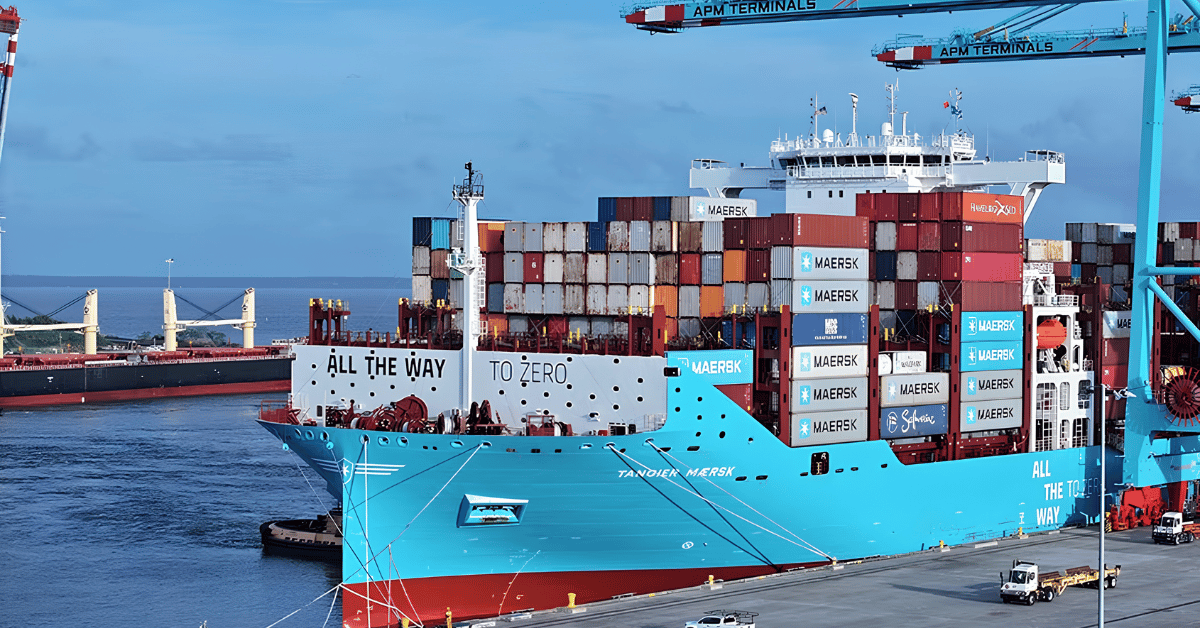
A validated step forward: first US ship-to-ship ethanol bunkering for a deep-sea vessel
A single ship-to-ship ethanol bunkering in the U.S. might seem incremental, but it validates a critical pathway for deep-sea decarbonisation. Maersk's completion of this commercial operation, using 100% corn ethanol, proves that alternative marine fuels can move from concept to calibrated, real-world application. This is measurable progress, not a promise. For more on how digital tools accelerate such transitions, see our coverage of "Singapore Hub Advances Digital Twins and AI for Ocean Decarbonisation."
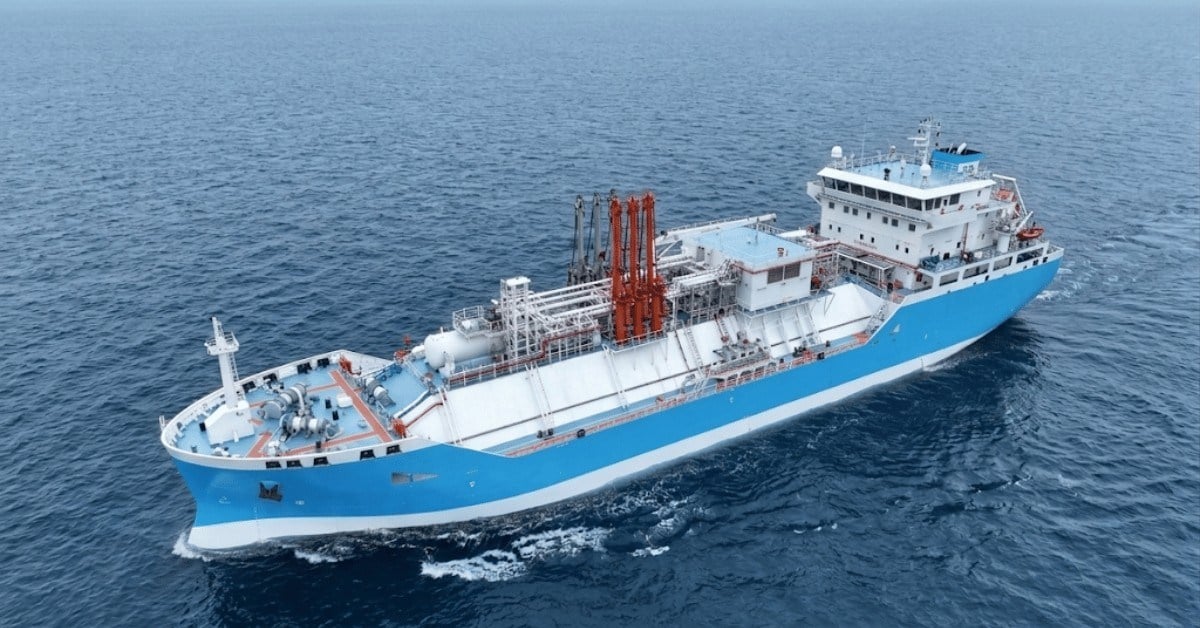
Ammonia Bunkering Vessel Design Receives Approval, Advancing Sustainable Maritime Fuels
HD Hyundai's shipbuilding arms have secured ABS approval in principle for an ammonia bunkering vessel design, a concrete step toward commercialising a fuel critical to maritime decarbonisation. The classification validates the integrated approach behind the design, moving ammonia from theoretical promise toward operational reality. This is how ocean intelligence translates into practical infrastructure. For broader context on the sector's risks, our report on the fatal attack near Oman underscores the security dimension shaping today's shipping routes.
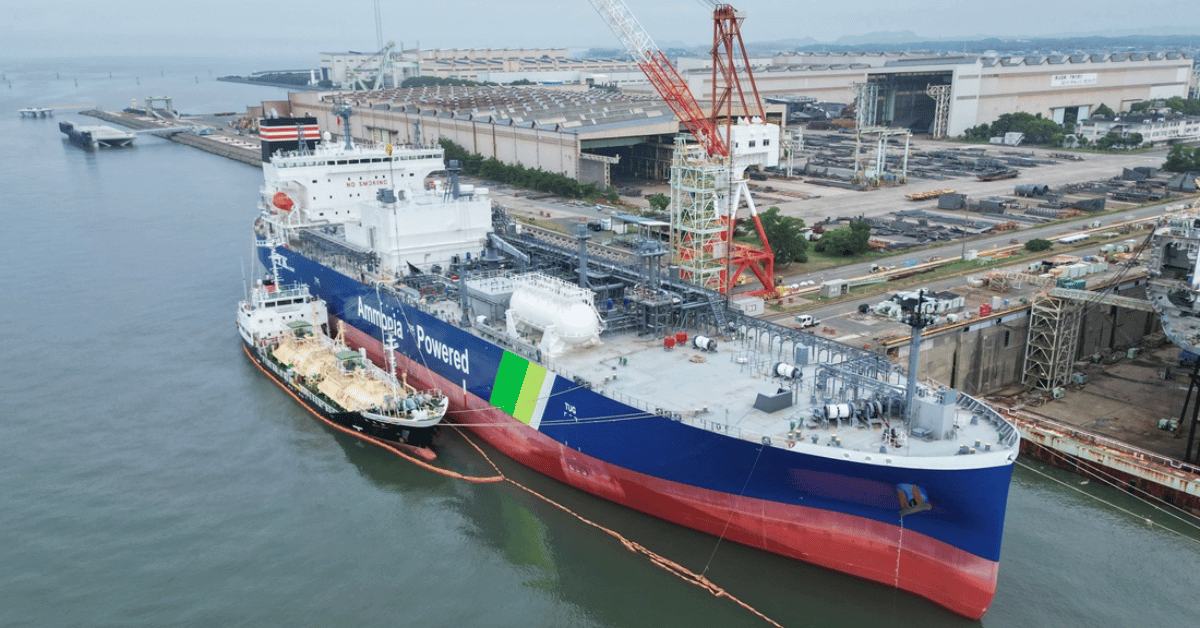
Ammonia Bunkering Milestone: Pioneering Sustainable Shipping Practices
NYK Line and its Japanese partners have completed the world's first ship-to-ship ammonia bunkering operation on an ammonia-fuelled vessel, a measured step toward decarbonizing maritime transport. This is not flashy; it is empirical progress. The operation validates a practical pathway for integrating alternative fuels into existing logistics chains. For those tracking how ports and fleets evolve, this milestone complements the validated design of an LNG-ammonia bunkering vessel we covered earlier. Together, these developments signal a deliberate, data-driven shift in how the industry powers its ships.
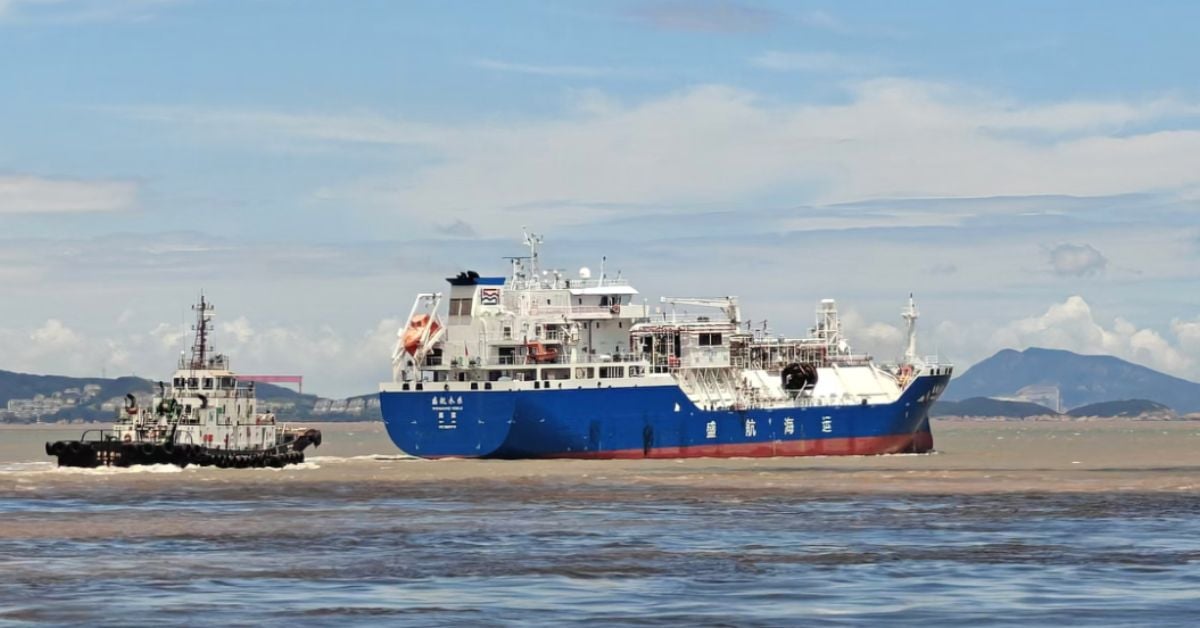
Ammonia Bunkering Vessel Launches, Advancing Sustainable Maritime Fuel Transition
The conversion of the FKAB Marine Design L21 carrier *Shenghang Yongle* into an ammonia bunkering vessel marks a measured step forward for sustainable maritime fuel. This is not spectacle; it is calibrated infrastructure taking shape. Ship-to-ship liquid ammonia refueling requires precision, and this launch delivers that capability. The industry needs practical pathways, not promises. We see this as a signal that the transition is being built, not just discussed.

Bunker Fuel Quality Declines Amid Rising Prices and Alerts.
Marine fuel buyers entered 2026 facing a perfect storm, with bunker prices climbing to historic highs while fuel quality simultaneously declines. This convergence pressures operators who must balance cost against compliance and engine performance. The trend demands closer attention to fuel testing and supplier verification, as margin for error narrows with every grade. For context on how the industry is adapting to new fuel challenges, our coverage of the *Ammonia Bunkering Milestone* highlights a shift toward alternative solutions.