methanol
methanol at World Data Ocean is a file of 11 stories. The newest of them: “1 000 Metric Tons of Green Ammonia Delivered in First Ship-to-Ship Bunkering”, “India and EU launch coalition to accelerate green shipping corridor development”, and “Tri-Fuel Ore Carrier Fleet Signals Measurable Shift in Maritime Decarbonization”. 1,000 metric tons of green ammonia transferred in a single ship-to-ship bunkering. A new India-EU coalition aims to accelerate green shipping corridor development by bringing companies together to design cleaner maritime trade routes and speed the transition to low-emission fuels. A Global Hub for Ocean Intelligence 4 World Data Ocean is a centralized digital platform where researchers, scientists, and ocean enthusiasts converge to… The list below is every methanol story on World Data Ocean, newest first.
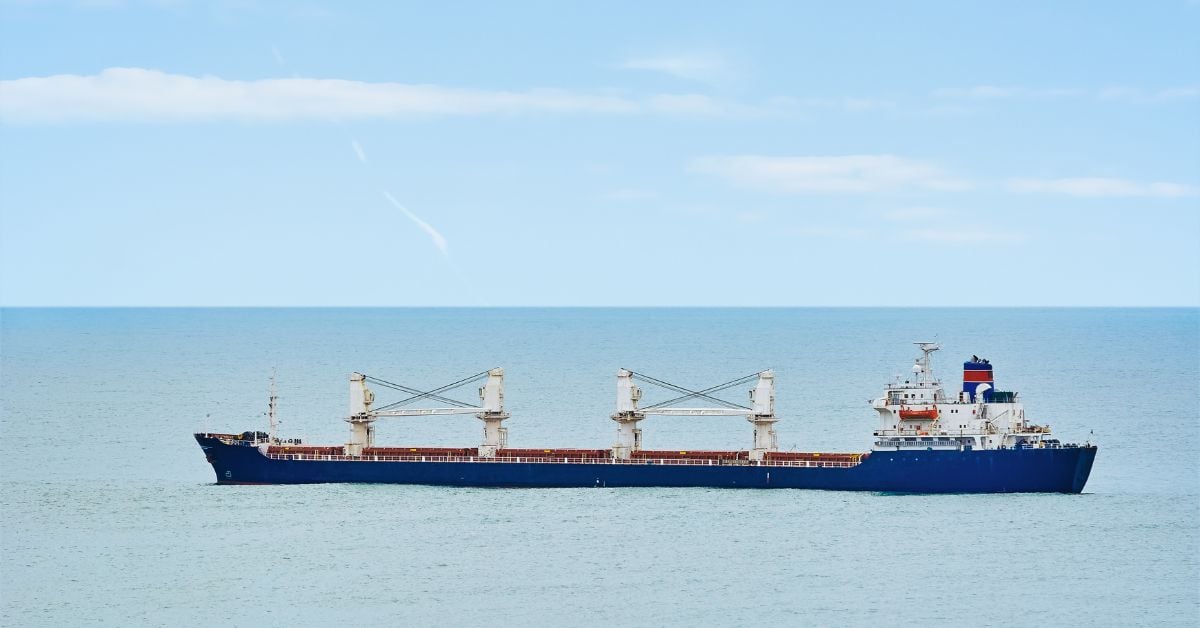
1 000 Metric Tons of Green Ammonia Delivered in First Ship-to-Ship Bunkering
1,000 metric tons of green ammonia transferred in a single ship-to-ship bunkering. That is a validated step toward decarbonizing maritime fuel. The Shenghang Yongle, the world's first liquid ammonia bunkering vessel, delivered this load to a bulk carrier with measurable precision. This is not a pilot or a promise, it is empirical progress. We see this as a calibrating moment for integrated energy ecosystems at sea. For deeper context on how port infrastructure is evolving, see our coverage of NYK's floating data center concept.
India and EU launch coalition to accelerate green shipping corridor development
A new India-EU coalition aims to accelerate green shipping corridor development by bringing companies together to design cleaner maritime trade routes and speed the transition to low-emission fuels. This is purposeful collaboration, measurable, integrated, and driven by real-world impact. For deeper context on the technologies enabling this shift, our coverage of the tri-fuel ore carrier fleet signals a measurable shift in maritime decarbonization. Understanding drives protection, and these corridors are a calibrated step forward.
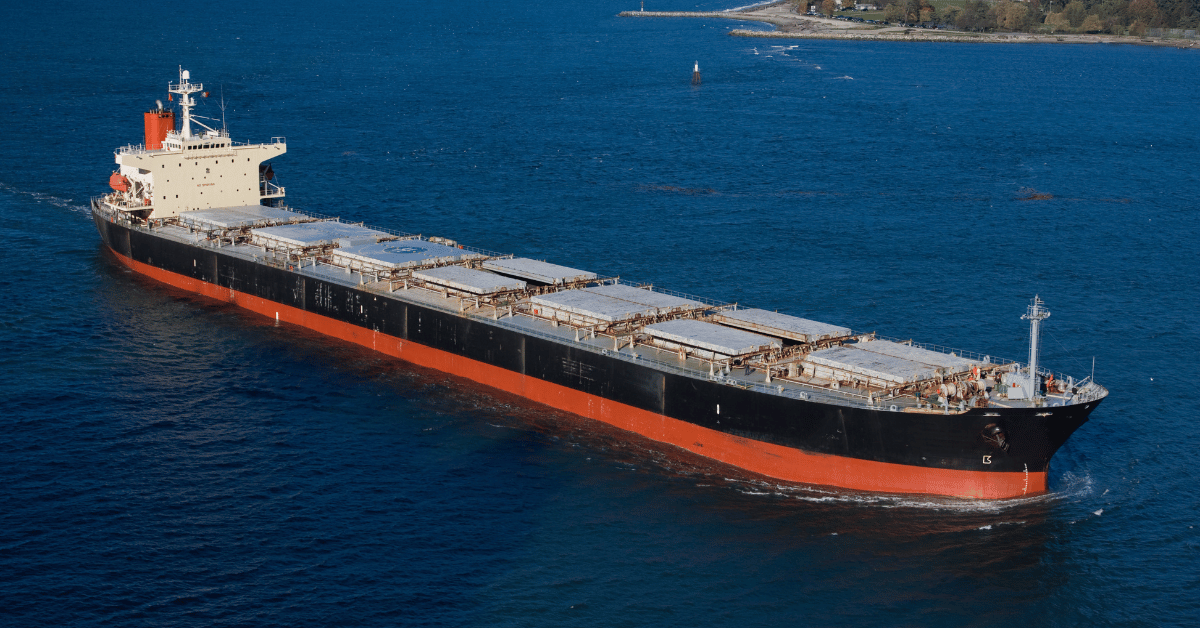
Tri-Fuel Ore Carrier Fleet Signals Measurable Shift in Maritime Decarbonization
Mitsui O.S.K. Lines has signed a 25-year charter with Vale to deploy two 210,000-tonne tri-fuel ore carriers capable of running on ethanol, methanol, or conventional fuel. This is not a pilot project; it is a validated, long-term commitment to measurable decarbonization in bulk shipping. The vessels represent empirical progress toward an integrated low-carbon maritime ecosystem. For deeper context on related marine innovation, see our coverage of Japan's Icebreaker Mirai II.
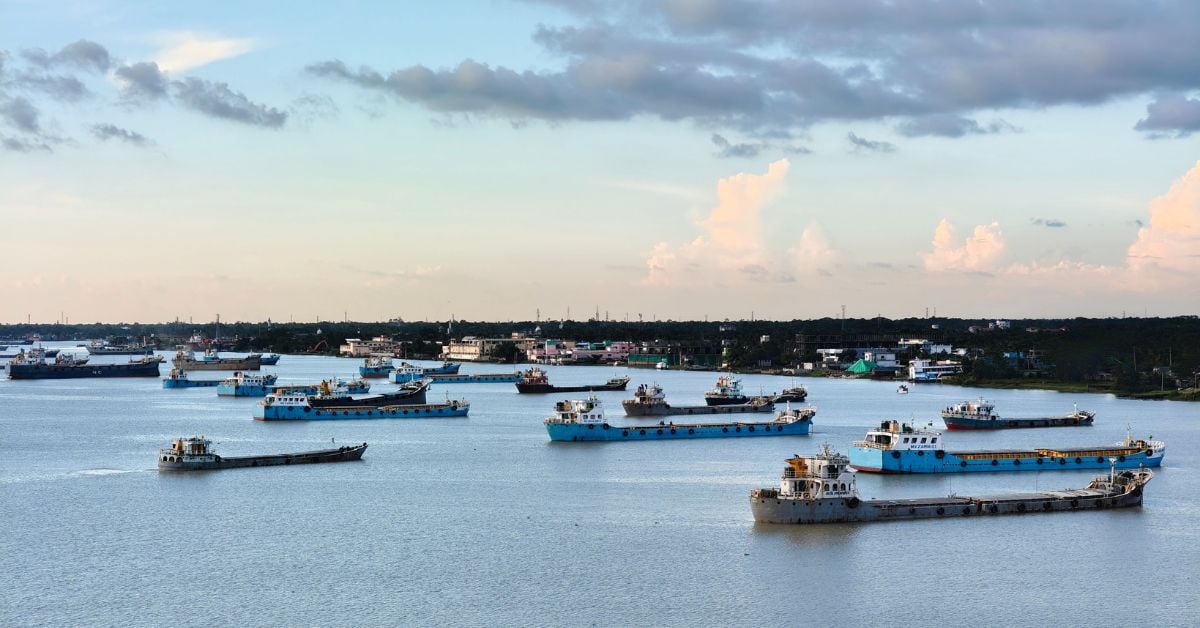
Methanol from Bogibeel signals Dibrugarh's return to international river trade
A methanol shipment from Bogibeel will soon sail down the Brahmaputra, marking Dibrugarh's measured return to international river trade. This is not merely a cargo movement, it is a calibrated re-entry into a historic commercial artery. Trade on this river carries long-term value for regional connectivity and climate-conscious logistics. For deeper context on the Brahmaputra's commercial revival, readers can explore our coverage of Brahmaputra River Cruises Expand With Two New Ships by 2030.
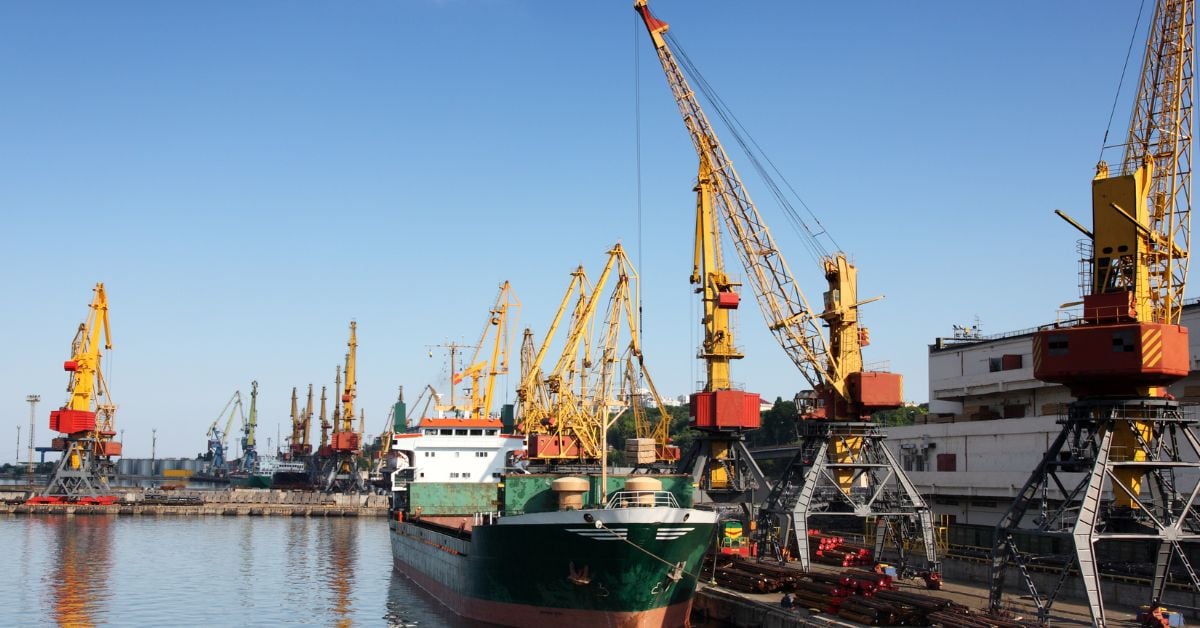
Cochin Shipyard Expands Design Capabilities with Conoship Equity Stake
Cochin Shipyard Limited is acquiring a 23% stake in Conoship International Holding BV, a Dutch ship design and engineering firm. The move signals a deliberate step toward strengthening in-house design capabilities rather than relying solely on external expertise. It is a measured, strategic investment, one that aligns with the yard's long-term ambitions in a competitive global market. Such integration of Dutch engineering knowledge could yield tangible gains in vessel innovation.
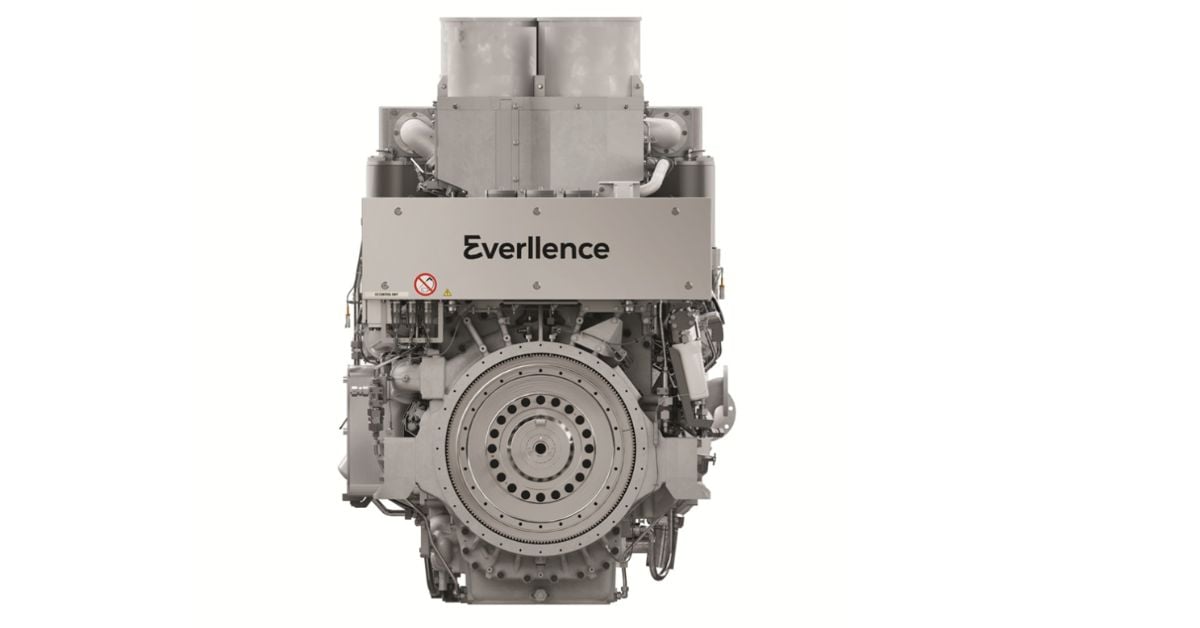
Damen Shipyards Integrates Everllence Engines for Fuel-Flexible Tugs
Damen Shipyards has signed a framework agreement with Everllence for the serial supply of the 175D engine, a move that brings fuel-flexible power to commercial tugboats. This is not speculative technology, it is validated, measurable propulsion designed for real-world integration. By standardizing an engine that can adapt to multiple fuel types, Damen is making operational flexibility a serial production reality. For deeper context on validated marine power, see our coverage of "Validated Engine Technology Drives Sustainable Shipping for Ore Carriers."
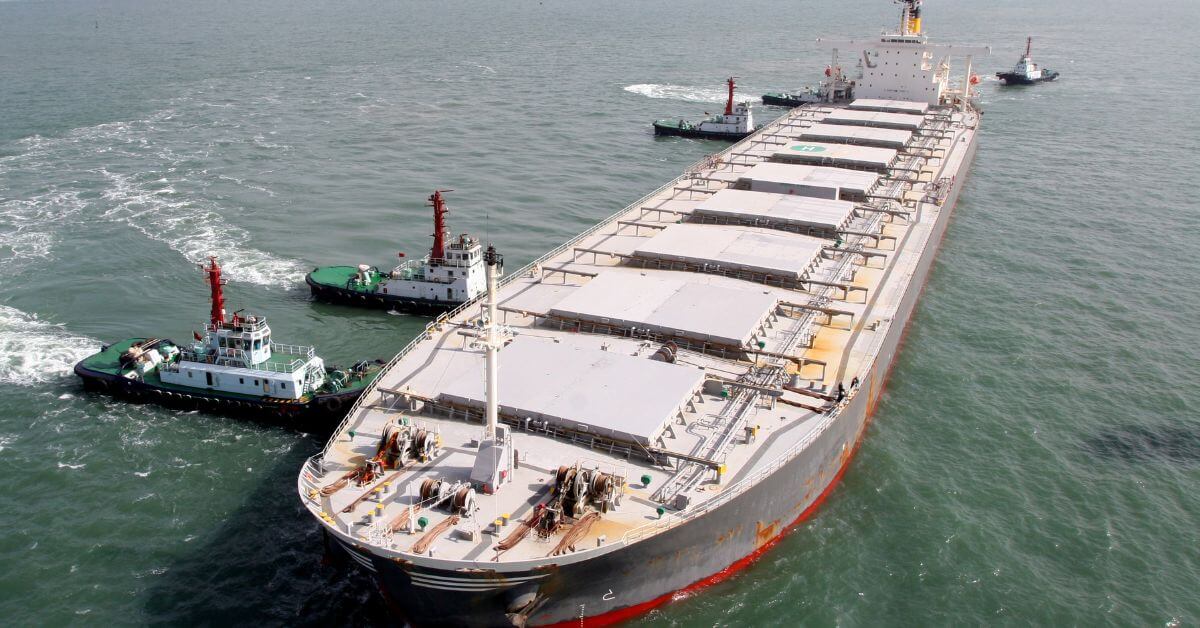
Validated Engine Technology Drives Sustainable Shipping for Ore Carriers
A validated engine design is now bound for the third hull in a ten-vessel series of Very Large Ore Carriers ordered by Shandong Shipping for charter to Vale. That is a meaningful step for an industry where emissions reductions must be measured, not marketed. Pairing proven technology with serial production offers the kind of repeatable efficiency gains that actually move the needle on ocean intelligence.
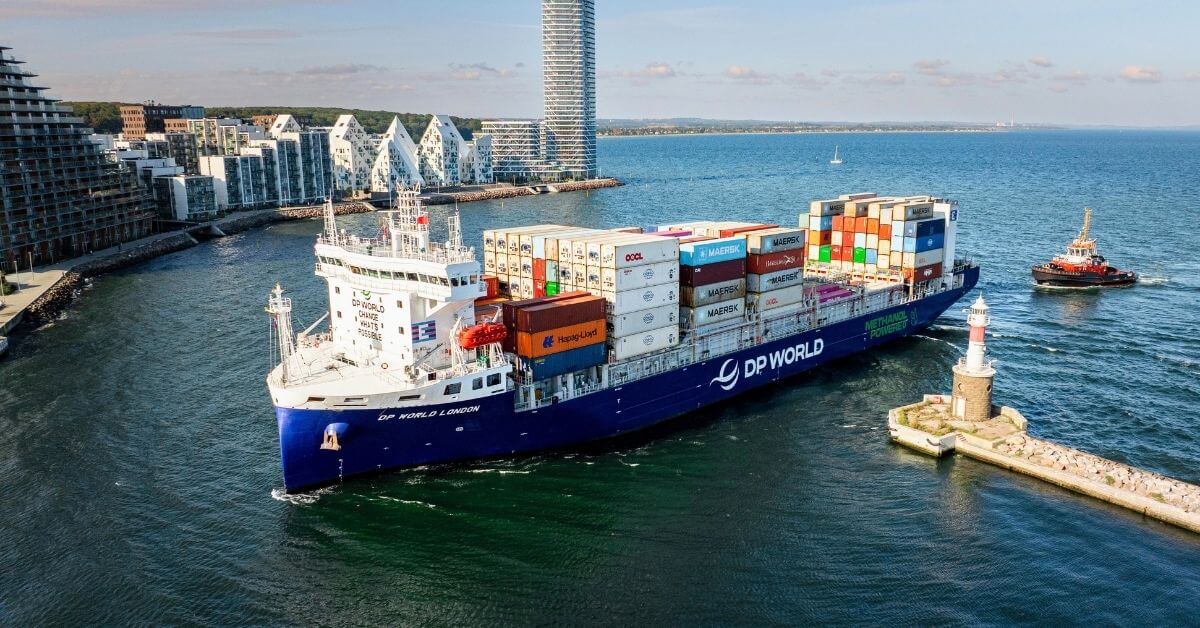
DP World Launches First Methanol-Powered Vessel, Advancing Sustainable Shipping
DP World has named its first methanol dual-fuel vessel at a ceremony in Aarhus, Denmark, marking a concrete step toward lower-emission shipping. The move aligns with the kind of practical, measurable progress the maritime sector needs. Methanol offers a viable path forward, and this launch signals intent backed by action. For readers tracking ocean security and infrastructure developments, our coverage of the U.S. Coast Guard's recent Arctic pier contract complements this story well.

Modeling a Green Shipping Corridor for Sustainable Trade Growth
A 2.2% annual traffic growth rate sounds modest until it meets a decarbonization curve that will not bend. This study models a green shipping corridor linking Shanghai, Jebel Ali, and Koper, and the results are sobering: even with 23 mitigation measures and roughly 86% alternative fuel adoption, net-zero by 2050 remains out of reach. The bunkering stage, not the voyage, is where the system lives or dies. That is the actionable insight. Corridors are not routes; they are integrated transport-energy systems.

Alternative Fuels: UK Shipping Assesses Safety for a Net Zero Transition
Safety is the quiet foundation of shipping's energy transition, and the UK Chamber of Shipping's new report ensures it is not overlooked. The assessment addresses the practical risks of alternative fuels, grounding the net zero shift in empirical, peer-reviewed scrutiny rather than optimism alone. That measured approach matters for an industry where precision is non-negotiable. For those tracking how such operational data integrates with broader ocean intelligence, our related piece on bridging data gaps through citizen science offers a useful complement to this safety-first perspective.
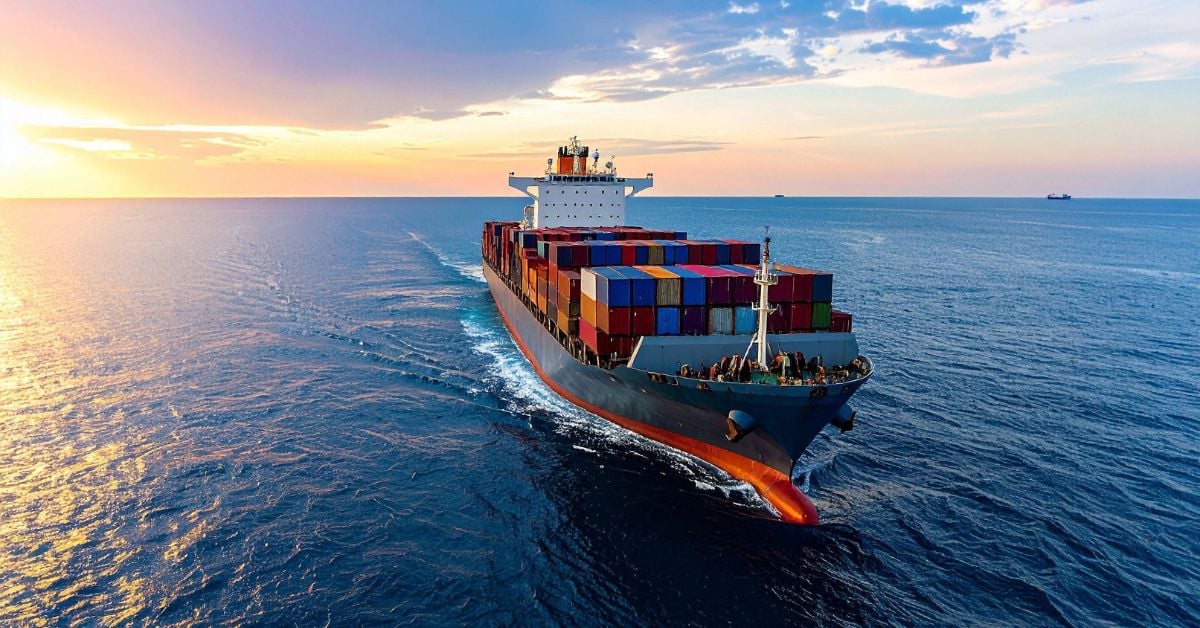
Brazilian Ethanol Powers First Container Ship, Marking Sustainable Shipping Advance
The first container ship powered by Brazilian-made ethanol departed Santos early Tuesday, a practical step toward decarbonizing maritime trade. This is not a distant concept; it is a working vessel, fueled by a biofuel already produced at scale. The move signals that cleaner shipping is not limited to batteries or ammonia, but can also build on established agricultural strengths. For related context on how marine routes are being redrawn, see our coverage of integrated subsea infrastructure shifts enhancing Indian Ocean connectivity.