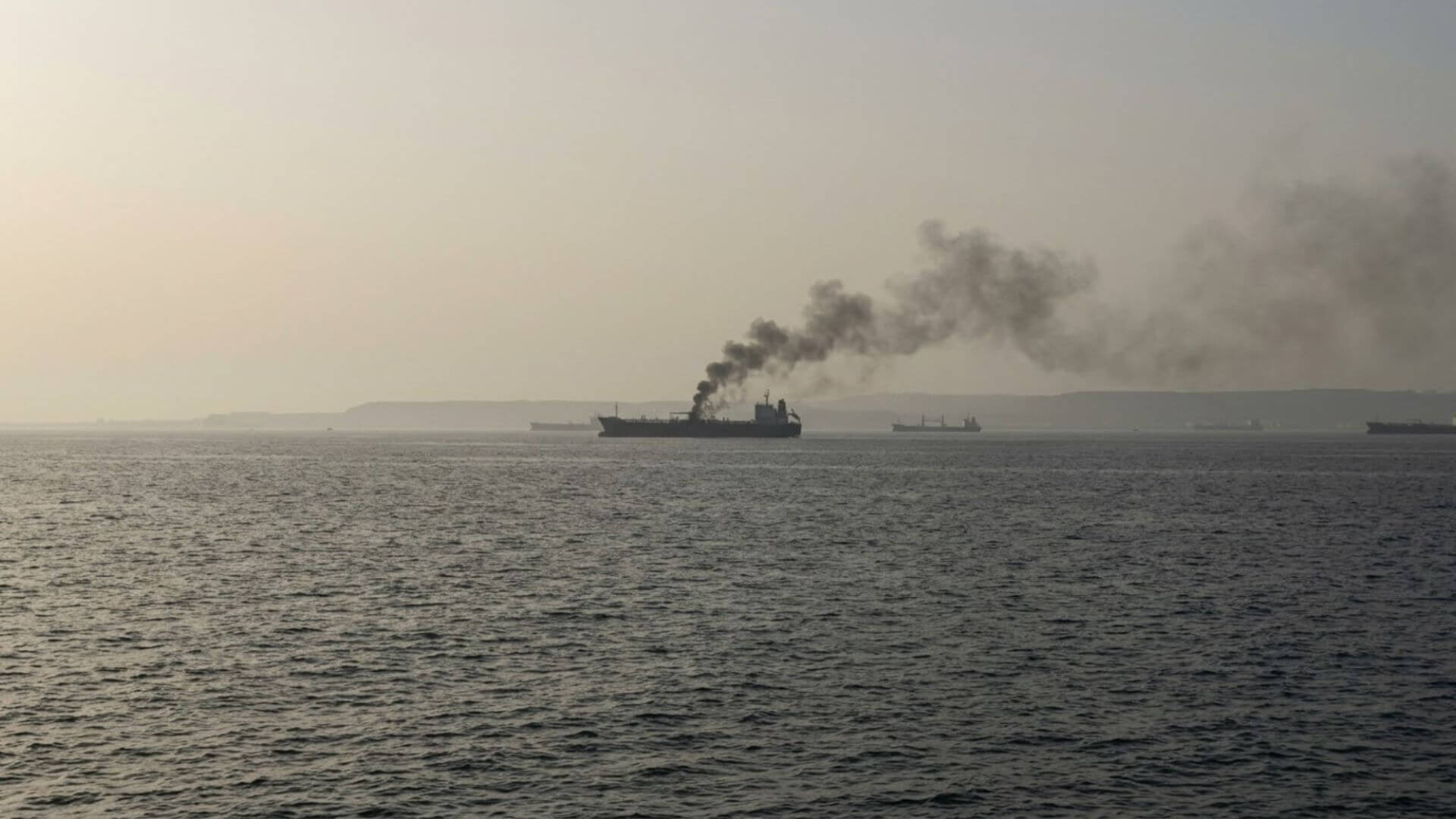
The Strait of Hormuz is not a theoretical chokepoint, it is an empirical one, and the data from two projectile strikes in as many days demands a calibrated response, not alarm. On November 11, the Liberia-flagged crude tanker MT Dominica Prosperity was hit while drifting off the UAE port of Mina Saqr, and the crew of 22, including 19 Indian nationals, was evacuated safely by the UAE Coast Guard. This follows the November 10 attack on the MT Fujairah Energy, which injured four seafarers, including one Indian crew member. The distinction matters: in the first case, firefighting was ongoing in the engine room; in the second, injuries were confirmed. Both events are empirical indicators that maritime security in the Gulf is degrading, but the response must remain grounded in validated facts rather than speculation about who fired the projectile.
These attacks are not isolated. They sit within a pattern that our publication has tracked closely, from the need to Enforcing maritime safety in the Strait of Hormuz saves lives and ensures data integrity to the specific case of the Projectile Strike on VLCC in Persian Gulf Injures Four Crew Members. The parallel is clear: both vessels were Liberia-flagged, both were struck during routine transit or drifting, and both carried Indian nationals. The Indian government's response, constant contact with ship management companies and a call for safe navigation, is measured, but the real takeaway is that no single nation can secure this waterway alone. Integrated maritime data ecosystems, including real-time tracking and peer-reviewed incident reporting, are the only tools that can turn isolated events into actionable intelligence for rerouting, convoying, or delaying departures.
The crew of the MT Dominica Prosperity is safe, and that is the only validated outcome we have. The ship's current condition and the extent of damage remain unconfirmed, which is itself a data gap. The British maritime agencies placed the strike 14 nautical miles northwest of Ras Al Khaimah, and the UKMTO confirmed ongoing firefighting. None of these reports name the attacker, and that absence is not a detail to ignore, it is the central open question. Without attribution, deterrence is impossible, and without deterrence, the 10-12 percent of the global maritime workforce that is Indian remains exposed. The Strait carries roughly a fifth of global petroleum, and every projectile strike introduces a measurable risk to that flow. The concrete point to watch is whether the next incident produces an empirical shift in shipping insurance premiums or rerouting patterns, because those are the indicators that will force a coordinated response, not the headlines.