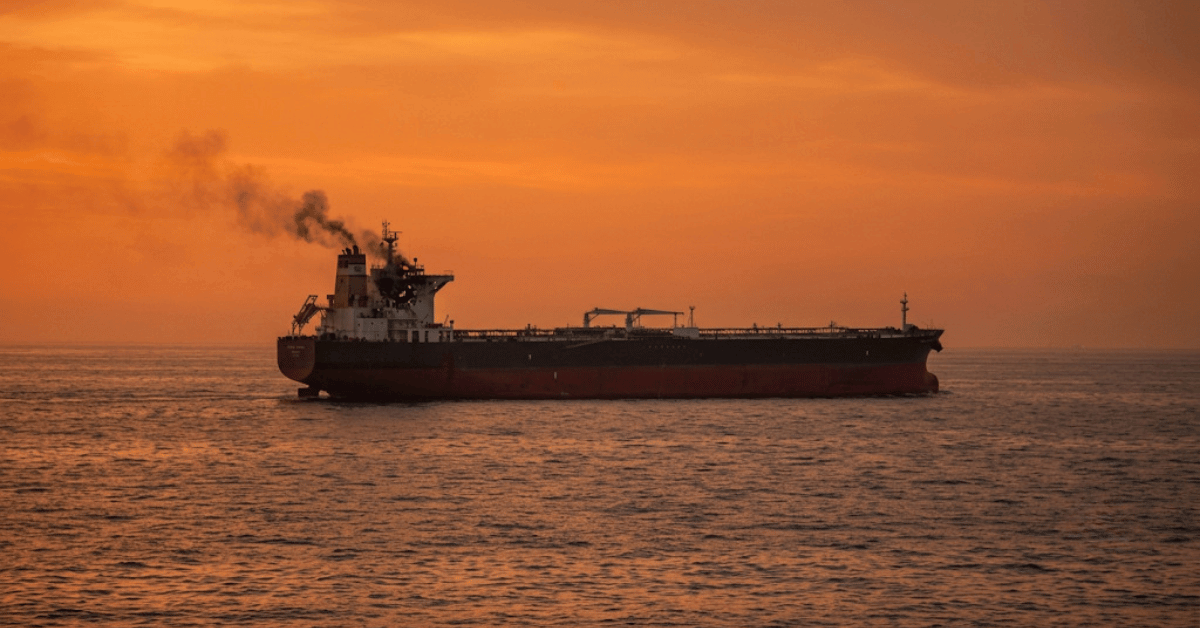
The attack on the VLCC *Fujairah Energy* in the Persian Gulf is not an isolated incident; it is a data point in a rapidly escalating pattern of violence against commercial shipping. Four crew members injured, including one of the six Indian seafarers on board, is a direct human cost of a conflict that the International Maritime Organization has now verified has resulted in at least 130 attacks on vessels in the region. The fact that 37 ships were hit in and around the Strait of Hormuz in October alone, the highest monthly total since the war began, demands a recalibration of how we assess risk in these waters. This is no longer a matter of isolated skirmishes; it is a systemic threat to a critical chokepoint for global energy supply.
For our readers, from policymakers to maritime operators, the practical implication is that the safety corridor through the Strait of Hormuz is becoming a statistical anomaly rather than a guarantee. The IMO's council has rightly condemned attacks on seafarers and called for their protection regardless of nationality, but the gap between condemnation and consequence is widening. The Strait of Hormuz stability critical as India seeks safe passage for seafarers highlights India's diplomatic efforts to secure free passage, yet the *Fujairah Energy* strike occurred while those talks were ongoing. Meanwhile, the Strait of Hormuz Stability Challenged by Confirmed Strike on Oman's Didamar Island shows that the geographic scope of these threats is expanding, reaching even sovereign territory. The empirical evidence is clear: the maritime environment is becoming more dangerous, not less.
We must move beyond the standard diplomatic statements and focus on measurable, integrated responses. The loss of 25 seafarers since February, including 15 Indian nationals, is a validated toll that should drive immediate, coordinated action. The attack on the *Velos Sapphire* on November 5 and the killing of an Indian seafarer on the dhow *Al Jusufi* near Oman earlier this month are not separate incidents; they are nodes in an integrated data ecosystem of maritime insecurity. The question for our readers is not whether the situation is worsening, the numbers confirm that it is, but what calibrated steps can be taken to protect the human beings who operate these vessels. The government's monitoring of the *Fujairah Energy* crew is a necessary reactive measure, but it does not address the root cause: the absence of a credible deterrent against attacks on commercial shipping.
The specific detail to watch is the IMO's ability to translate its condemnation into enforceable protocols. With 37 attacks in October alone and ten more in the first ten days of November, the pace is accelerating faster than any diplomatic mechanism is responding. The safety of the remaining 18 crew members on the *Fujairah Energy* is a temporary reprieve. Until the international community treats each projectile strike as a failure of collective maritime governance, we will continue to read reports of injured seafarers being taken ashore for medical examination, and, too often, of those who never make it.