Indian seafarers
8 stories filed under Indian seafarers on World Data Ocean. The newest of them: “Drone and fire attacks target three tankers near Strait of Hormuz”, “Strait of Hormuz tanker strikes leave two Indian seafarers missing”, and “Drone strike targets Panama-flagged tanker with 22 Indian crew at Sharjah anchorage”. Three tankers near the Strait of Hormuz were struck by coordinated drone and fire attacks, one drone strike off Oman, two more in the strait, and a separate blaze aboard an oil tanker in the Arabian Gulf. A Global Hub for Ocean Intelligence 4 World Data Ocean is a centralized digital platform where researchers, scientists, and ocean enthusiasts converge to… The list below is every Indian seafarers story on World Data Ocean, newest first.
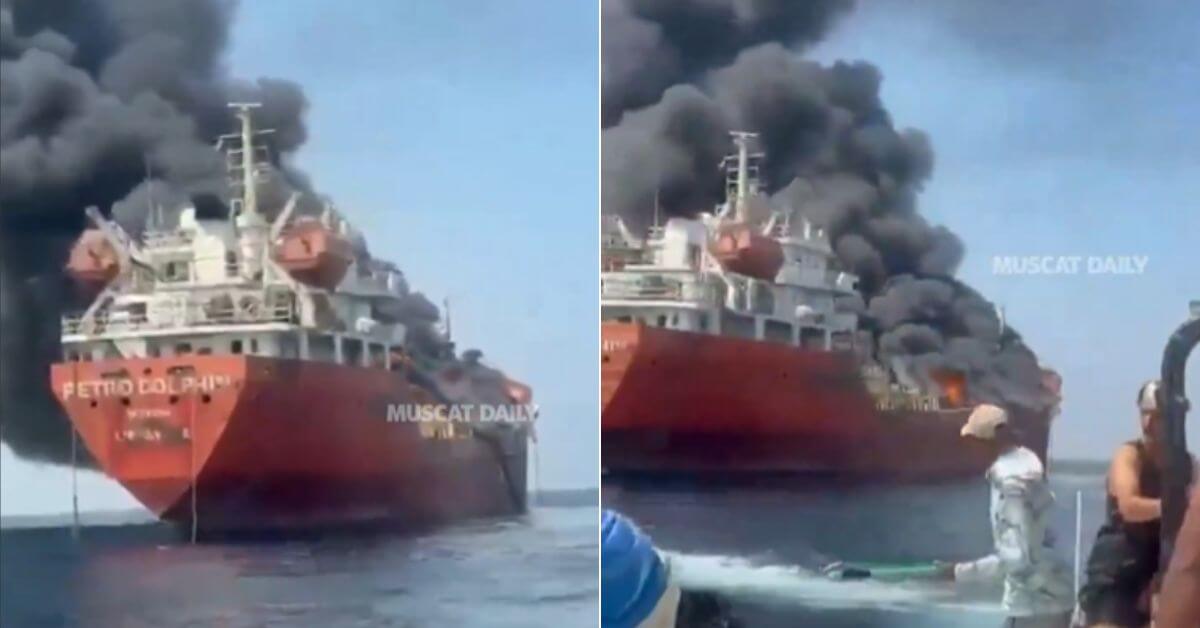
Drone and fire attacks target three tankers near Strait of Hormuz
Three tankers near the Strait of Hormuz were struck by coordinated drone and fire attacks, one drone strike off Oman, two more in the strait, and a separate blaze aboard an oil tanker in the Arabian Gulf. These incidents, in one of the world's most critical maritime chokepoints, are a measurable reminder that ocean security is inseparable from global stability. Our related coverage of stranded Iranian vessels off Sri Lanka further underscores how regional disruptions test supply chains and sanctions.
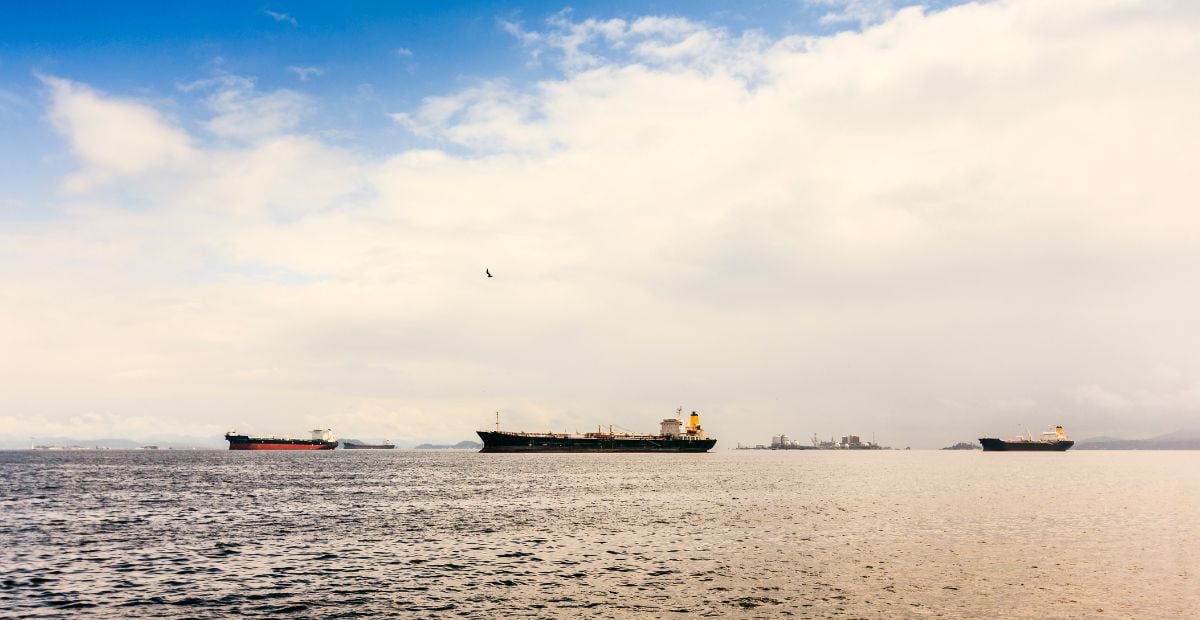
Strait of Hormuz tanker strikes leave two Indian seafarers missing
Two Indian seafarers are missing after commercial vessels MT Petro Dolphin and MT Valthera were attacked in the Strait of Hormuz on Sunday. This is not an isolated incident. Drone and fire attacks target three tankers near Strait of Hormuz, underscoring the mounting risks to maritime safety in a waterway critical to global energy flows. The loss of life and disruption to shipping demand measurable accountability and validated security protocols. The ocean cannot protect itself; integrated intelligence can.
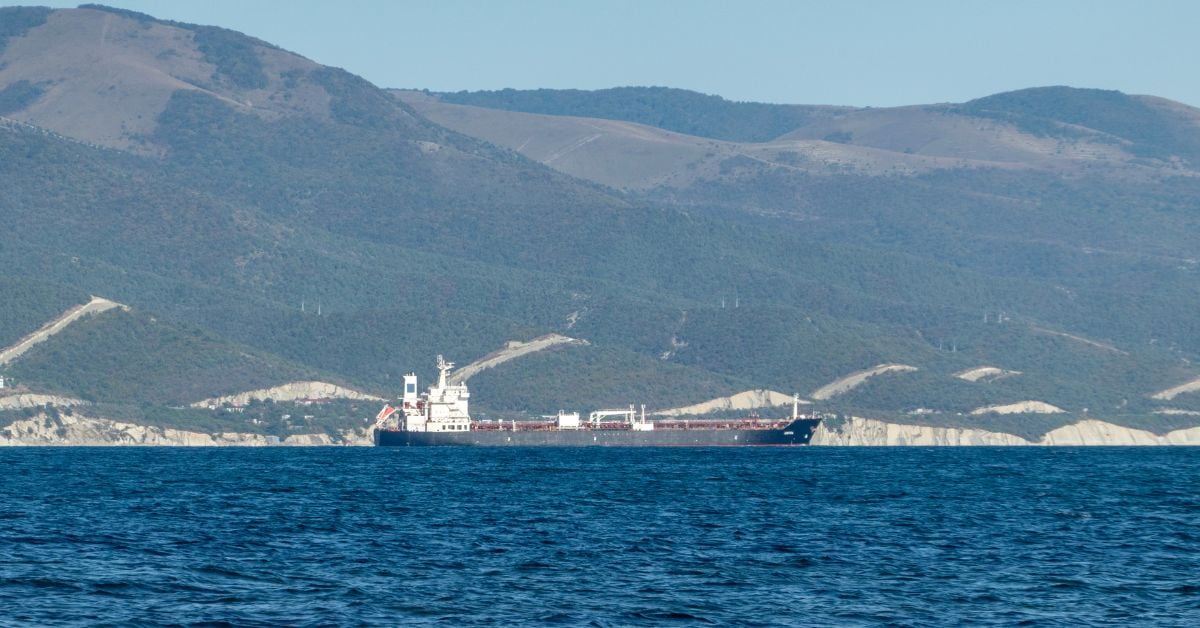
Drone strike targets Panama-flagged tanker with 22 Indian crew at Sharjah anchorage
A Panama-flagged crude oil tanker with 22 Indian crew members was struck by a drone at the Sharjah Anchorage. This incident underscores a troubling pattern: commercial vessels increasingly find themselves in harm's way. Our coverage of the abandoned cargo ship drifting through the Black Sea after a Russian drone strike reinforces that no maritime region is insulated from these threats. Measurable stability at sea remains a climate and food security indicator we cannot afford to ignore.
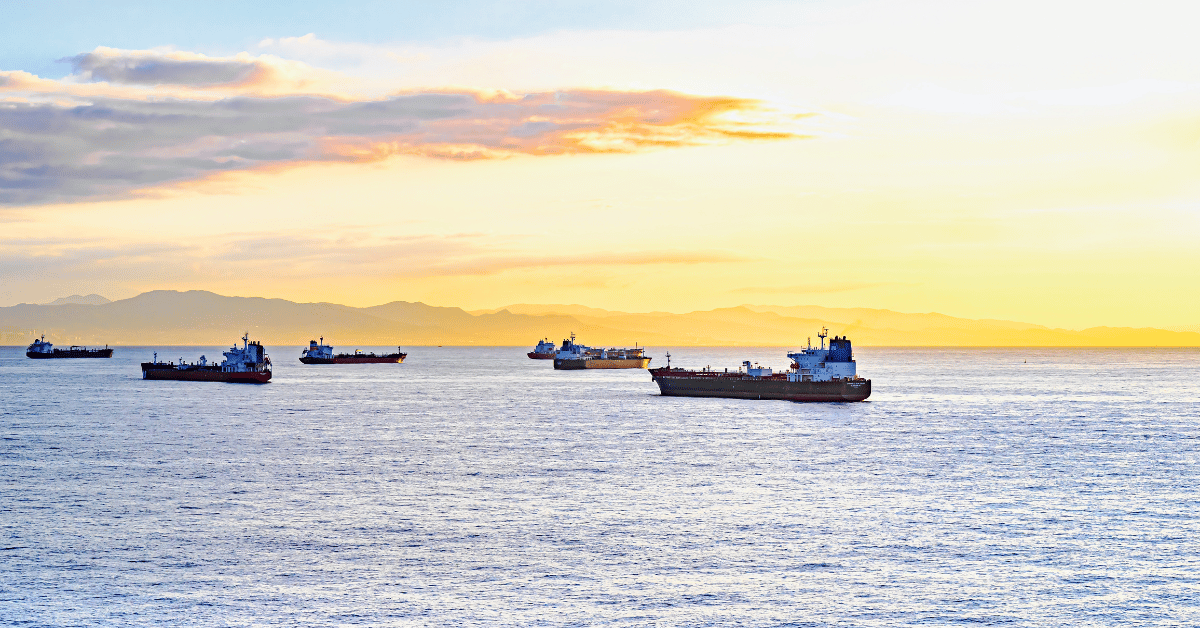
Black Sea Maritime Attacks Injure Two Indian Seafarers, Urge Immediate Action
Two Indian seafarers were injured in separate attacks on commercial vessels in the Black Sea, prompting India's Ministry of External Affairs to demand an immediate halt to hostilities. The MEA flagged a sharp escalation: four ships came under fire within 48 hours, a pattern that threatens the crew, cargo, and the region's fragile maritime order. This is not abstract geopolitics; it is measured, real-world harm. For deeper context on regional response, see our related piece on India's proposed maritime truce.
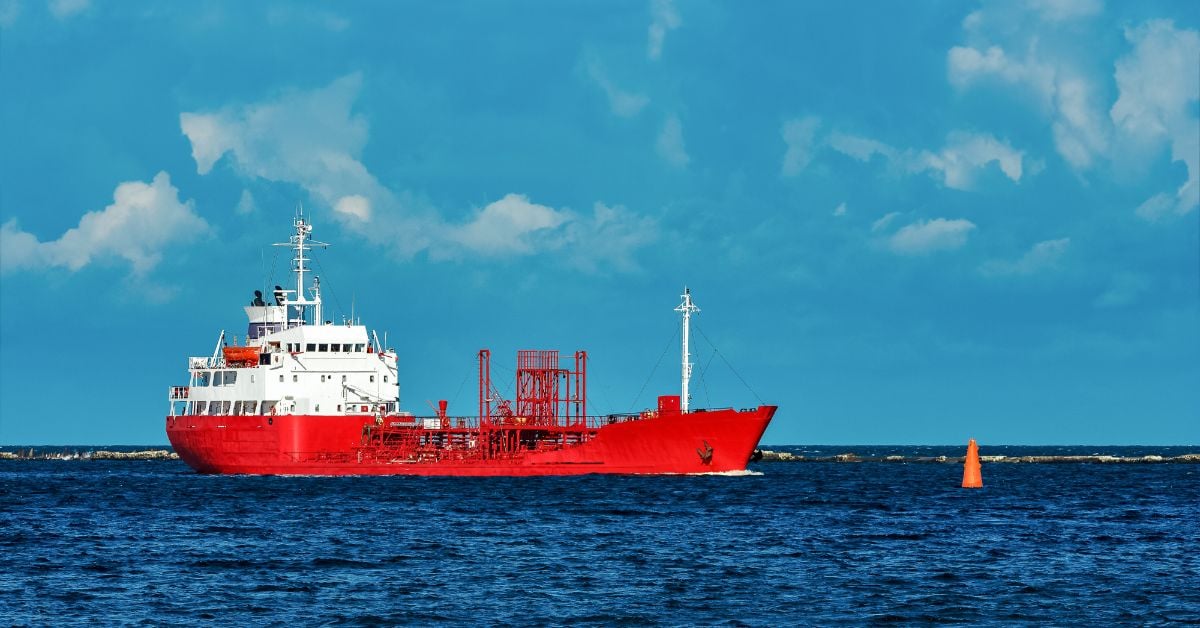
Attack in the Strait of Hormuz Injures 11 Indian Crew on Panama-Flagged Tanker
Eleven Indian crew members were injured in an attack on the Panama-flagged tanker MT On Peace in the Strait of Hormuz. This is not an isolated incident. Our reporting on delayed UKMTO reports confirms five separate IRGC vessel incidents in the same waterway on a single day. Measurable data on these attacks is essential for maritime safety. Understanding these patterns drives protection for the crews who keep global trade moving.
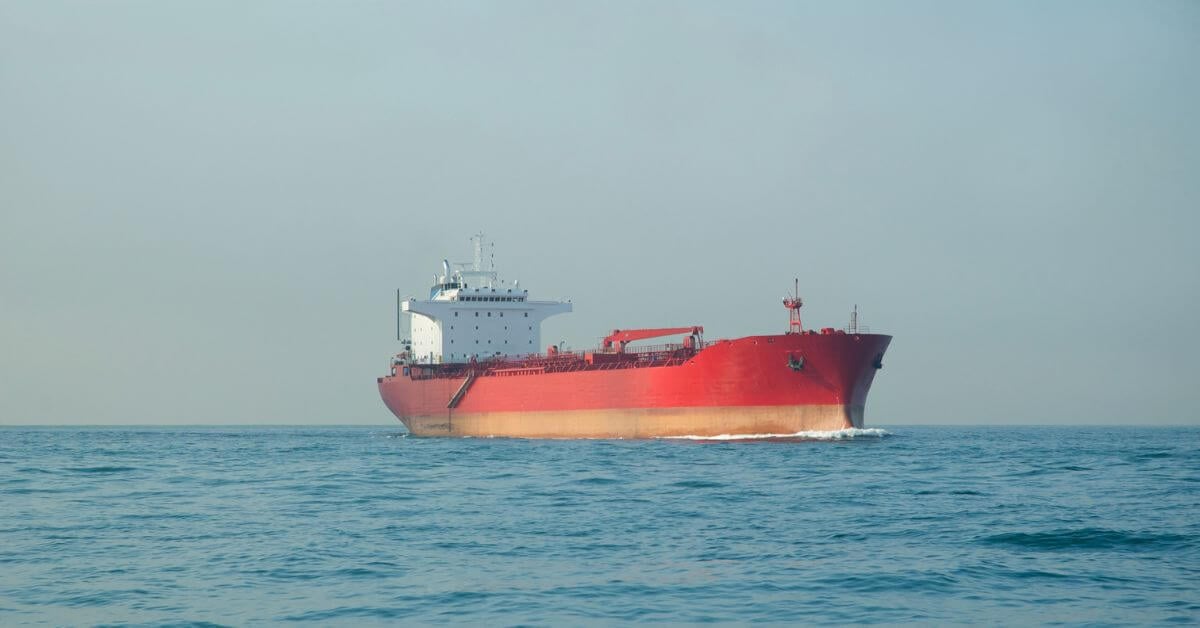
Drone Strike Impacts LPG Tanker Near Strait of Hormuz.
A Liberia-flagged LPG tanker carrying nine Indian seafarers was struck by a drone while sailing eastbound outside the Strait of Hormuz. The incident underscores how vulnerable commercial shipping remains in a waterway that carries a third of the world's liquefied gas. Precision matters here: every attack raises the cost of transit, and the ripple effects are measurable. For context on the region's mounting pressure, our related coverage in "Phased Negotiations Aim to Ease Restrictions on Strait of Hormuz" outlines the diplomatic stakes.

Fatal Strike Highlights Risks to Maritime Trade in the Indian Ocean
The first fatal strike on Indian merchant seafarers since 2022 sharpens the risk calculus across the Indian Ocean's vital shipping lanes. This attack is not an isolated incident; it signals a troubling escalation with direct consequences for global trade. We view this as a stark reminder that maritime security is fragile and demands integrated data ecosystems to track threats. For a broader perspective on regional instability, our piece on phased negotiations to ease Strait of Hormuz restrictions offers valuable context.

West Asia Shipping Attacks: Indian Seafarers Bear the Highest Risk.
The latest wave of West Asia shipping attacks places Indian seafarers at the front line, accounting for the majority of casualties in the ongoing U.S.-Iran conflict. This is a stark measure of human cost within a crisis too often reduced to tonnage and transit fees. The numbers demand attention, not abstraction. For deeper context on how these disruptions are reshaping regional logistics, our related piece, "Gulf of Oman STS Transfers Max Out Amid Rising Saudi Oil Exports," details the strain on alternative routes.