Turkiye
Turkiye at World Data Ocean is a file of 9 stories. The newest of them: “Bulgaria concludes search for missing crew after drone strike in its waters”, “Ukraine Supports India’s Initiative for Black Sea Shipping Routes”, and “Damaged Cargo Ship, Linked to Russia, Grounds Near Istanbul”. Bulgaria has ended the search for missing crew members of a cargo vessel that sank 70 nautical miles off its coast after a drone strike. Ukraine's consideration of India's proposal to restore safe navigation in the Black Sea signals a practical step toward maritime stability. A Global Hub for Ocean Intelligence 4 World Data Ocean is a centralized digital platform where researchers, scientists, and ocean enthusiasts converge to… The list below is every Turkiye story on World Data Ocean, newest first.
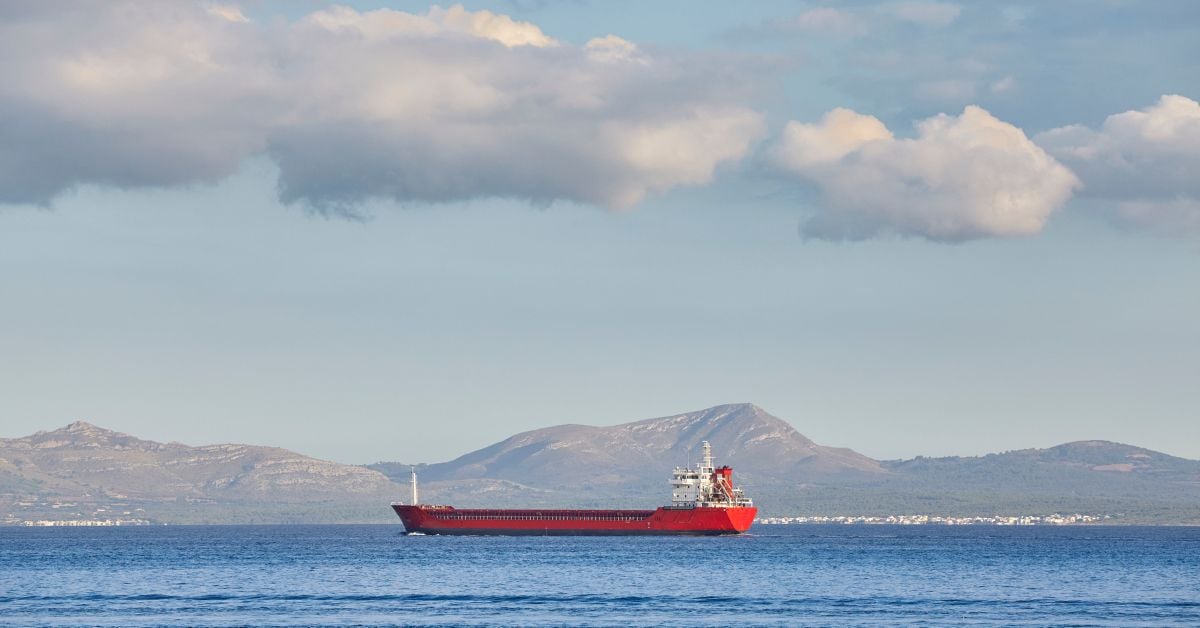
Bulgaria concludes search for missing crew after drone strike in its waters
Bulgaria has ended the search for missing crew members of a cargo vessel that sank 70 nautical miles off its coast after a drone strike. This measured decision reflects the grim realities of escalating maritime threats. The incident is not isolated; as our coverage notes, "Black Sea Maritime Attacks Injure Two Indian Seafarers, Urge Immediate Action" documents four vessels attacked in just 48 hours. These empirical data points demand integrated, real-time monitoring to protect seafarers and global supply chains.
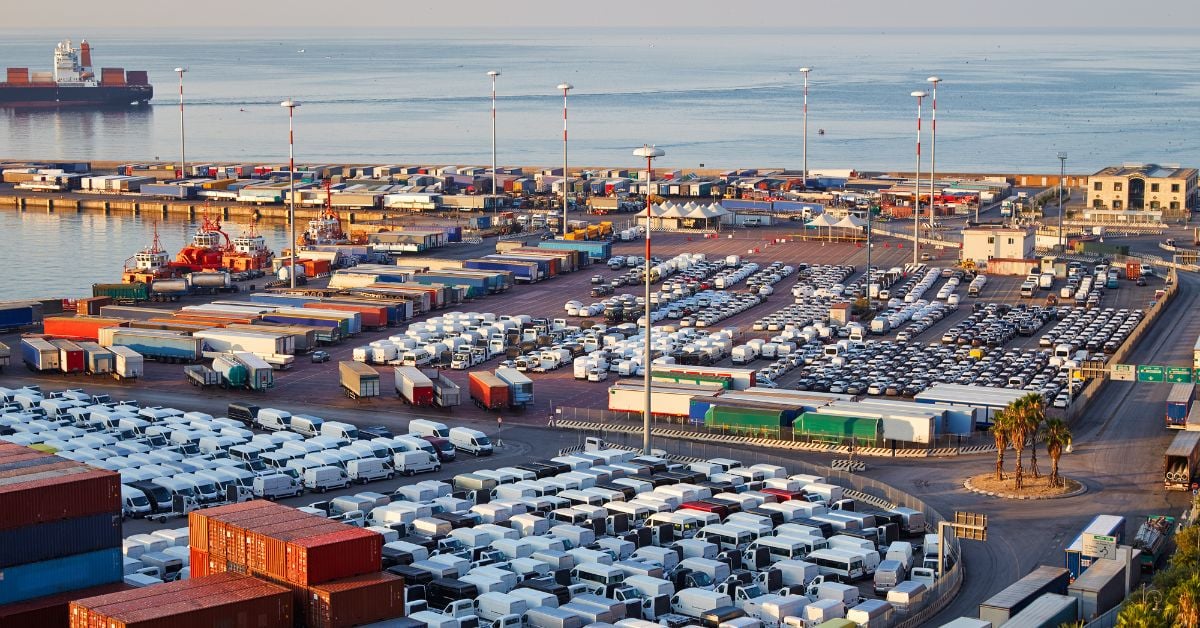
Ukraine Supports India’s Initiative for Black Sea Shipping Routes
Ukraine's consideration of India's proposal to restore safe navigation in the Black Sea signals a practical step toward maritime stability. Reopening these routes is not merely a regional matter; it supports global supply chains and the exchange of ocean intelligence. The move reflects measured diplomacy, grounded in shared interests rather than rhetoric. For readers tracking how nations recalibrate maritime strategy, our related coverage on integrated subsea cables across the Indian Ocean offers useful context on how connectivity and shipping increasingly intersect.
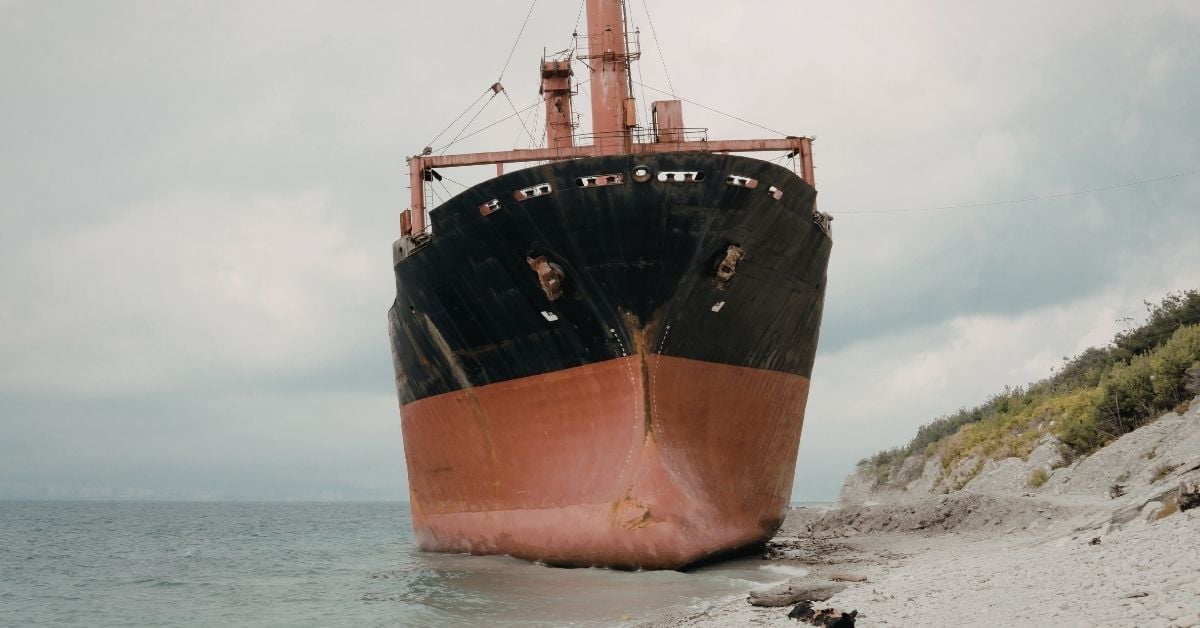
Damaged Cargo Ship, Linked to Russia, Grounds Near Istanbul
A Russian-flagged cargo ship has run aground on Alacalı Beach near Istanbul, grounding in Turkish waters. The incident adds another layer to the region's already complex maritime traffic, where every disruption carries weight. We've seen similar challenges recently, including the bulk carrier freed near Gladstone, Australia, after six days. Each grounding reminds us that navigation remains a test of precision, not just technology. Vessels push through crowded corridors daily; this one met the shore instead. The incident warrants close attention as assessments begin.
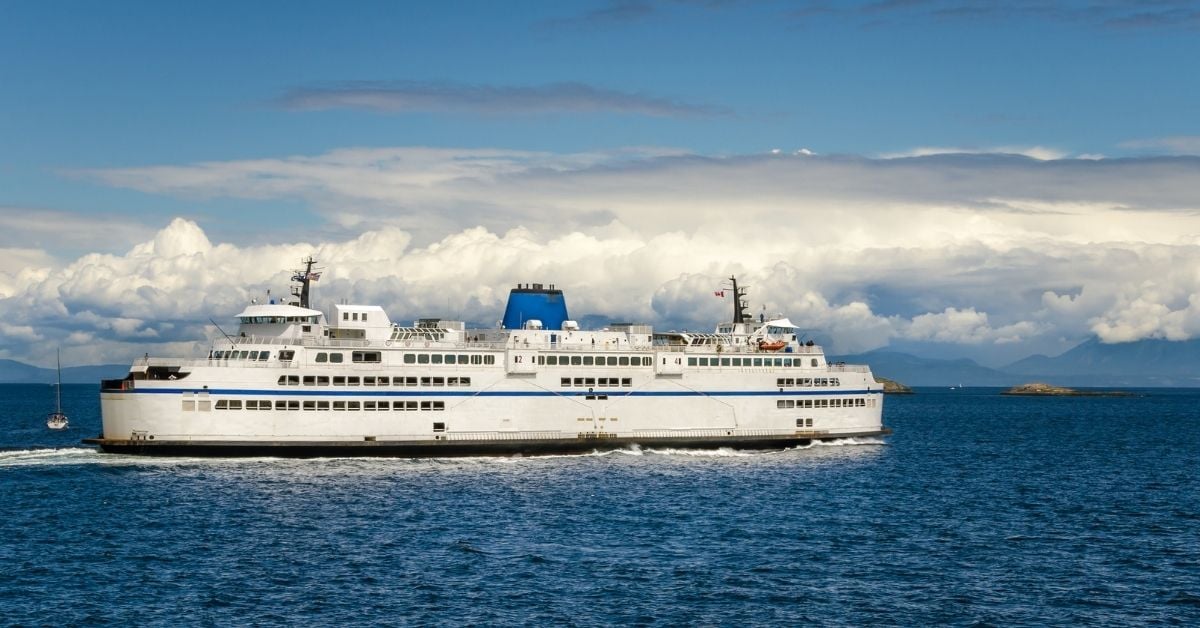
Loss of Life and Missing Persons Following Ferry Sinking in Eastern Mediterranean
A passenger ferry en route from Girne to Tasucu sank after taking on water in the Eastern Mediterranean, leaving authorities to investigate the cause as they account for missing persons. The loss of life demands rigorous, transparent inquiry. Maritime safety depends on validated, real-time reporting and shared lessons across jurisdictions. This incident echoes recent coverage, including the cargo ship fire near Mykonos, underscoring that vessel resilience remains a pressing concern. Understanding drives protection; we will follow the investigation closely.
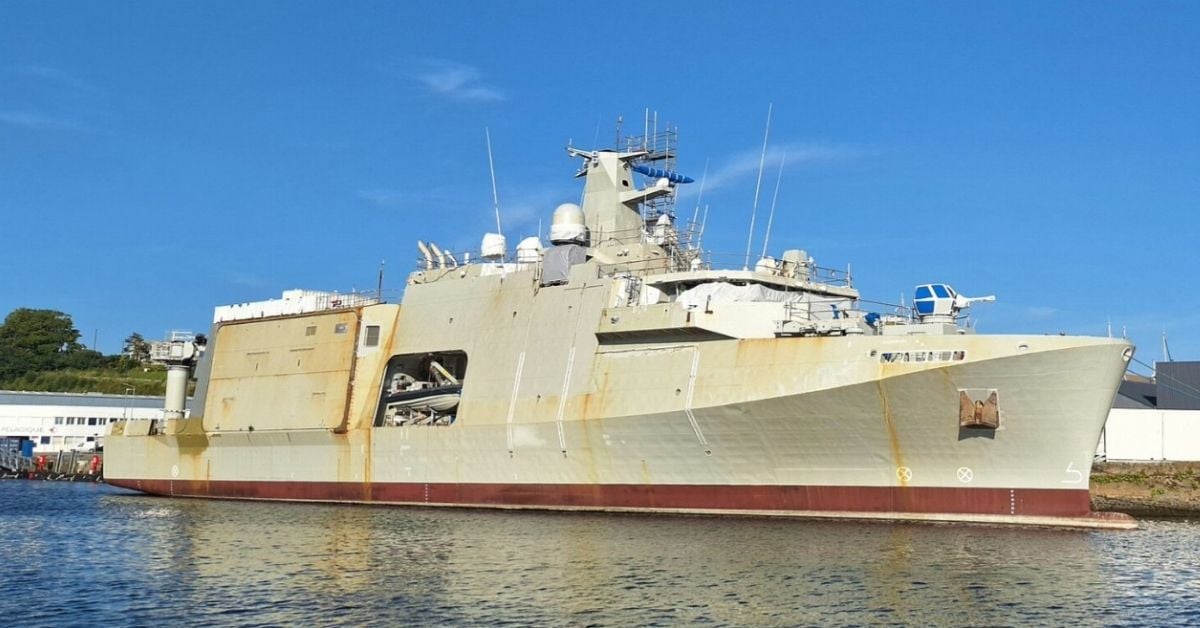
Bolstering Black Sea Security: Bulgaria Acquires Minehunters for Maritime Protection
Bulgaria is adding seven minehunters from Belgium and the Netherlands to its naval arsenal, a measured step toward securing Black Sea shipping lanes against naval mines. This acquisition is less about spectacle and more about practical defense, addressing a real and present hazard to commercial traffic. It is a sensible move, though one that also signals how tense the region has become. For broader context on Moscow's maritime ambitions, our piece on Russia's Arctic export plans offers a useful counterpoint.

Indian Sailor's Journey Home Ends After Deadly Ship Strike.
The remains of 22-year-old Abhishek Nishad have arrived home, closing a voyage that began with promise and ended in devastating loss. His death in a missile strike aboard a cargo ship is a sobering reminder that seafarers navigate risks far beyond the weather. We extend our condolences to his family. This tragedy also underscores why maritime safety and welfare must remain a global priority.

Maritime Coalition Deployed to Safeguard Red Sea Trade Routes.
A coalition of member states has deployed to safeguard Red Sea trade routes, with the alliance focused on protecting freedom of navigation, international commerce, and energy supply lines. The move reflects a measured commitment to maritime stability in a region where disruption carries global consequences. Protecting these waters is not optional; it is foundational to the interconnected systems that sustain economies.

Red Sea Security: Saudi Arabia Proposes International Maritime Coalition.
Saudi Arabia's proposal for an international maritime coalition targets the Houthi Group's escalating Red Sea disruption with a direct, collective response. The plan signals a calibrated shift toward shared security, though its success hinges on broad naval cooperation and sustained political will. It is a measured step, not a headline grab. For context on regional pressure points, our coverage of the Gulf of Oman STS transfers maxing out shows how tightly linked these maritime chokepoints have become.

Diversifying Gulf Oil Routes: U.S. and Iraq Forge New Shipping Pathways
New shipping agreements between U.S. firms and Iraq signal a calculated response to an uncertain Strait of Hormuz. Diversifying Gulf oil routes is no longer theoretical; it is underway. This move reflects measured foresight, not panic, and strengthens the argument that maritime resilience depends on integrated planning. For readers tracking the region's pressure points, our related coverage on Gulf of Oman STS transfers maxing out offers useful context. Strategic adaptation, validated by real-time logistics, remains the clearest path forward.