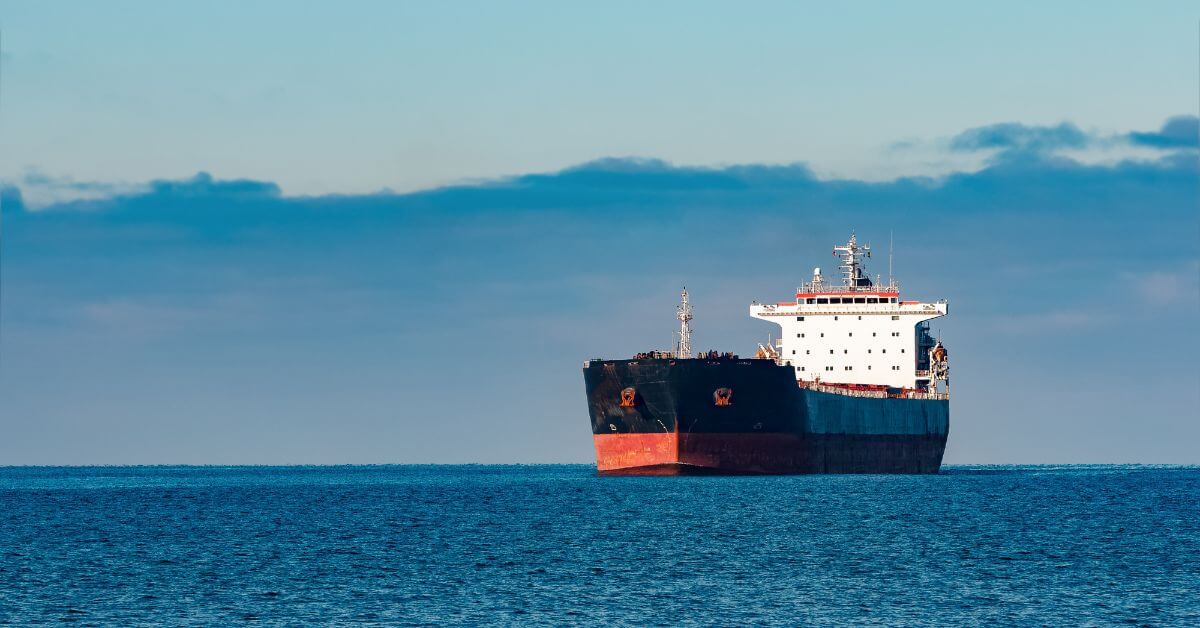
The Black Sea is now the deadliest maritime route in the world, and the cost is being paid in grain, oil, and stability for developing nations. For World Data Ocean, this is not merely a geopolitical crisis, it is a direct assault on the integrity of ocean intelligence and the data ecosystems that underpin global food security. When merchant vessels and port infrastructure come under sustained attack, as China's UN Ambassador Fu Cong detailed before the Security Council, the empirical data streams we rely on, from shipping logs to grain export volumes, become fragmented and unreliable. The 25% drop in Ukrainian grain exports and the halving of World Food Programme shipments from the region are not abstract statistics; they are measurable, validated signals of a system under duress. We have previously tracked how Black Sea grain corridor loses 63% of shipments amid 300 vessel attacks, and the pattern is worsening. When the flow of essential supplies is weaponized, the integrated data ecosystem that connects climate indicators, maritime security, and food supply chains breaks down, leaving researchers and policymakers navigating with incomplete charts.
What this means for our readers, scientists, analysts, and decision-makers, is a practical challenge to the very concept of ocean intelligence. An integrated data ecosystem depends on consistent, real-time inputs from all maritime corridors. If the Black Sea, a critical artery for grain and fertiliser, becomes a data black hole, our models for global food supply and climate resilience lose calibration. The EU's proposed €50 million Black Sea Maritime Security Hub, to be hosted by Romania and Bulgaria, is a positive step, but it addresses security, not data continuity. Meanwhile, Russia's envoy claimed over 200 commercial vessels have been attacked across the Mediterranean, Caspian, and Baltic Seas in 2026, with two seafarers killed. This is not an isolated conflict zone; it is a spreading pattern of maritime disruption that threatens the longitudinal data sets we depend on for long-term climate and economic forecasting. The naval drone strike in Libya port redefines global maritime threat zones in a similar vein, showing that no route is safe from asymmetrical warfare. For developing nations already bearing the brunt of price instability, the loss of empirical data on shipping patterns and cargo flows means they are making policy decisions in the dark.
The most troubling aspect of the UN Security Council session was not the accusation and counter-accusation between Ukraine and Russia, but the silence on what this means for ocean intelligence as a shared global resource. Ambassador Fu Cong called for the protection of civilian merchant ships and ports so that grain, oil, and fertiliser can flow normally. We would add: the protection of data collection and transmission from those same vessels and ports is equally critical. Every ship is a calibrated sensor platform, reporting weather, sea state, and cargo movements. When these vessels are attacked or rerouted, we lose empirical data points that feed into climate models and food security forecasts. The Iran blacklists 26 tugboats for bypassing Strait of Hormuz protocols highlights how quickly maritime chokepoints become contested spaces for data as well as goods. The Black Sea crisis is accelerating a fragmentation of ocean intelligence that will take years to repair.
Here is the concrete point to watch: Russia's envoy stated the country will not accept any new Black Sea grain deal, calling it a scheme of "Ukrainian food for Western weapons." If that position holds, the corridor will remain a dead zone for both shipping and data. For our community, the immediate takeaway is that we must build redundant, peer-reviewed data sources for the Black Sea region, satellite observation, independent port reports, and alternative shipping metrics, before the next winter deepens the information vacuum. The ocean does not stop being a source of intelligence because humans choose to fight over it. Our responsibility is to ensure the data keeps flowing, even when the ships cannot.