grain exports
grain exports at World Data Ocean is a file of 13 stories. The newest of them: “Three-drone strike sinks Maltese-flagged vessel near Bulgarian coast”, “Baltic States Call for EU to Halt Russian Grain Transit Amid Trade Route Shifts”, and “Attack on civilian cargo ship at Odesa port claims one crew member”. Three drone strikes sent the Maltese-flagged Chelsea 3 to the seabed off Bulgaria's coast, a measured, precise attack on a Ukrainian-owned vessel. The Baltic States have formally called on the EU to halt the transit of Russian grain through European ports and transport routes, a direct response to shifting trade dynamics. A Global Hub for Ocean Intelligence 4 World Data Ocean is a centralized digital platform where researchers, scientists, and ocean enthusiasts converge to… The list below is every grain exports story on World Data Ocean, newest first.
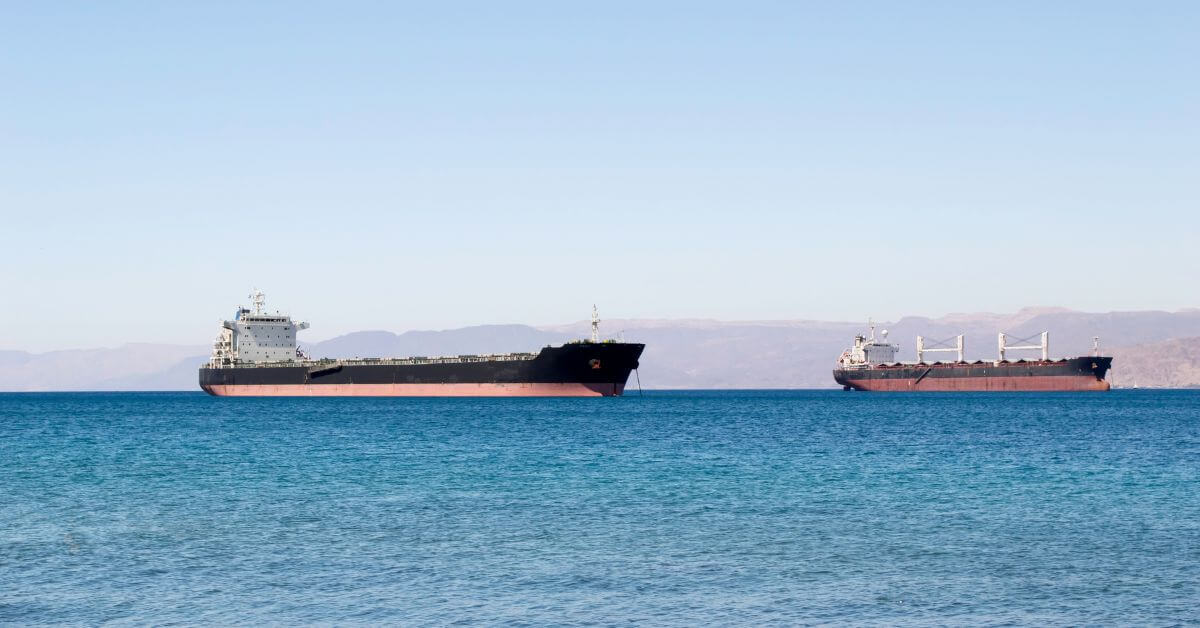
Three-drone strike sinks Maltese-flagged vessel near Bulgarian coast
Three drone strikes sent the Maltese-flagged Chelsea 3 to the seabed off Bulgaria's coast, a measured, precise attack on a Ukrainian-owned vessel. This is not alarmism; it is an empirical signal of evolving maritime threats. Understanding drives protection, which is why our coverage traces these changes. For deeper context on how navies adapt, see *Baltic Allies Validate Uncrewed Target Engagement in Gulf of Bothnia Exercise*. The data tells a clear story: the rules at sea are being rewritten.
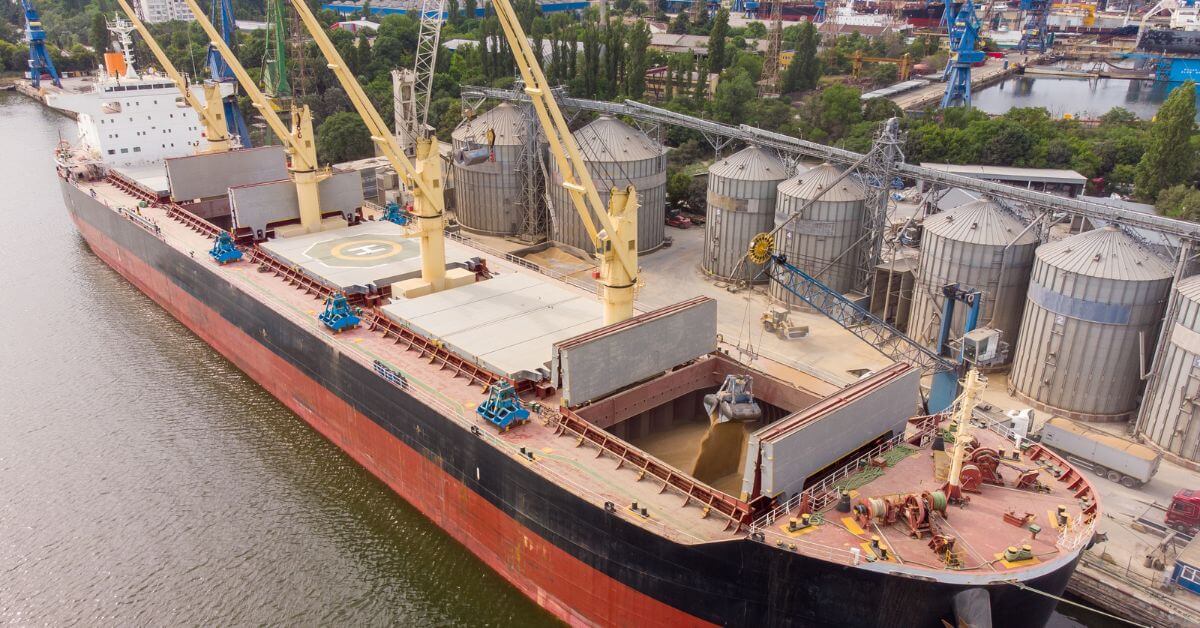
Baltic States Call for EU to Halt Russian Grain Transit Amid Trade Route Shifts
The Baltic States have formally called on the EU to halt the transit of Russian grain through European ports and transport routes, a direct response to shifting trade dynamics. This measured policy intervention prioritizes verified trade data over reactive measures. For deeper context on how global trade patterns are evolving alongside climate indicators, see our related piece on China's electric vehicle acceleration. Understanding trade flows is essential to calibrating effective, collaborative policy.
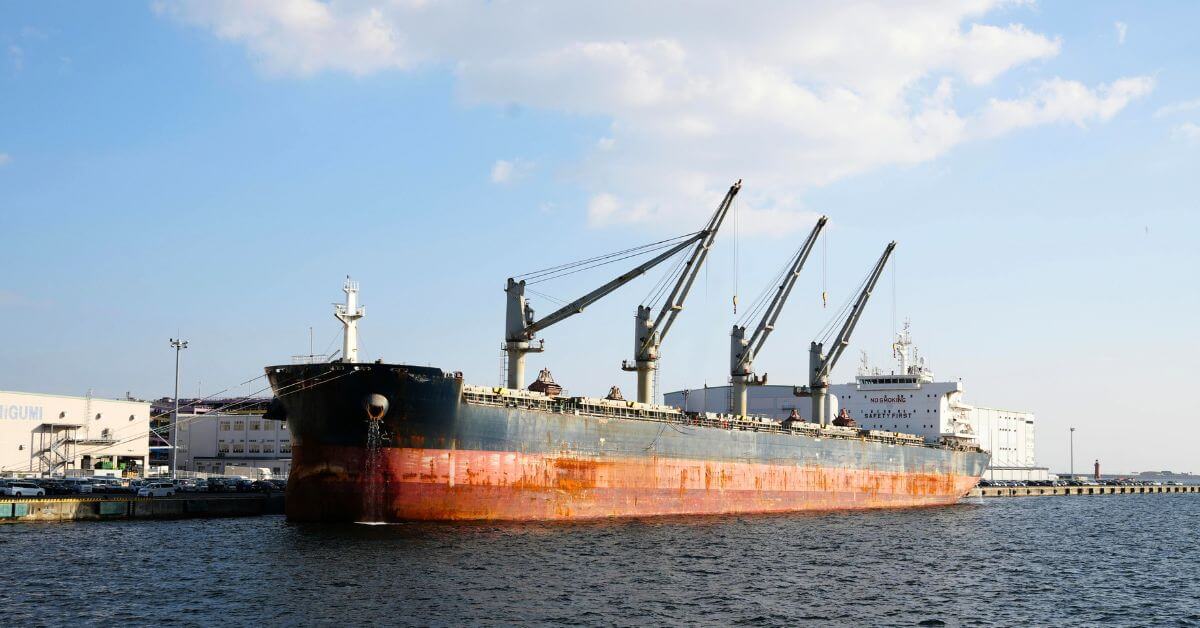
Attack on civilian cargo ship at Odesa port claims one crew member
A motorman sailor has been killed in an attack on a civilian cargo ship at the Odesa port. Three other crew members were injured and received emergency medical treatment. This loss is a grim reminder that maritime security remains fragile, even as we work to build integrated data ecosystems for ocean intelligence. For deeper context on disrupted shipping routes, read our coverage on the Baltic Cargo Route Disrupted as Gulf of Finland Vessel Detained.
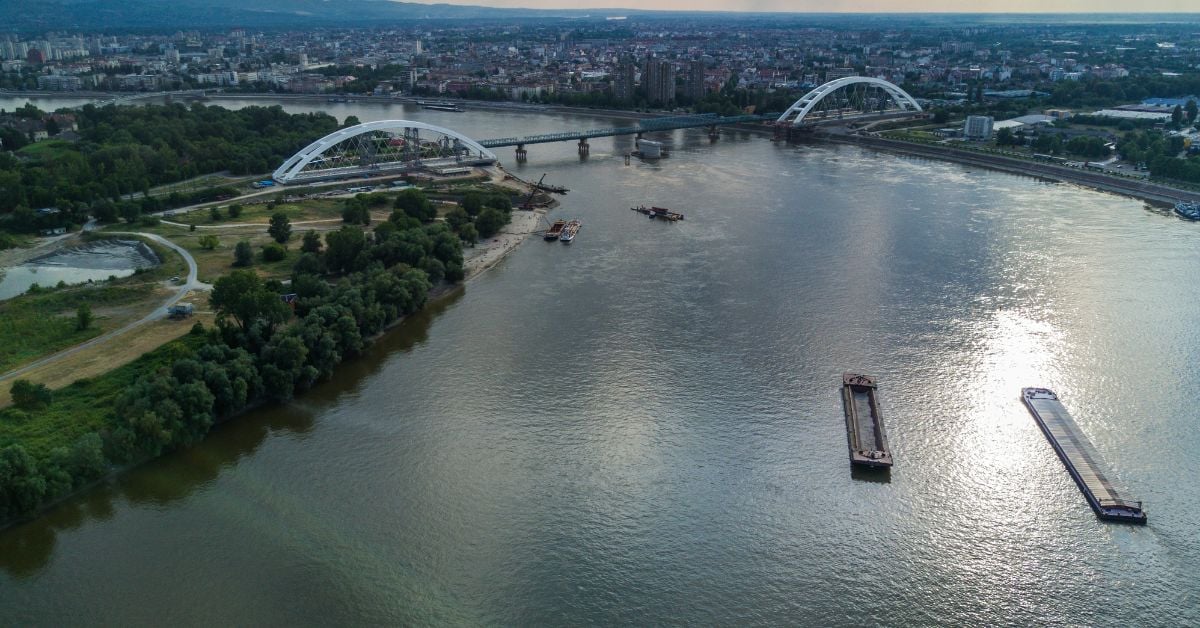
Grain Shipments Stalled: 70 Vessels Await Danube Canal Access
Seventy vessels sit idle near the Sulina Canal, their holds empty as grain shipments stall at Ukrainian ports. This bottleneck is more than a logistical snag; it is a measurable disruption to global food supply chains. The wait underscores how fragile export routes remain under persistent threat. For context on the broader pattern, our related coverage in "Fatal Attack on Cargo Ship Highlights Black Sea Shipping Risks" outlines the human and operational costs already incurred. Reliable passage is not a given.

Attacks Target Key Ukrainian Black Sea Port Infrastructure.
Russia's latest strikes on Ukrainian Black Sea port infrastructure, including Pivdennyi and Odesa, along with fuel storage at Chornomorsk, underscore a deliberate strategy to disrupt maritime export capacity. These are not incidental hits; they are calibrated pressure on a critical economic artery. The pattern echoes broader efforts to constrain Ukraine's access to global markets, as seen in our related piece, "Russia Calibrates Export Revenue for Northern Sea Route Icebreaker Fleet." For now, the resilience of these ports remains the counterweight to Moscow's campaign.

Black Sea Truce Proposal Aims to Stabilize Global Food Supply.
A third-party channel has carried the Black Sea truce proposal to Moscow, yet Ukraine still awaits a reply. The asymmetry is telling: one side engages, the other delays. A stable food corridor is not a favor; it is a global necessity, and every idle day carries measurable cost. For context on how maritime pressure is being applied, our related report, "Russia Calibrates Export Revenue for Northern Sea Route Icebreaker Fleet," offers a useful counterpoint. The signals are mixed, but the proposal stands.

Black Sea Disruptions: Grain Exports at Risk, Global Food Prices Rise
Wheat prices are climbing again as attacks on Black Sea ports and vessels put grain exports at risk. The disruption is not abstract; it is measurable in global markets and in the cost of food. This is a reminder that maritime security and food security are the same issue, viewed from different angles. For context on how regional instability shapes shipping and trade, our related piece on Gulf of Oman STS transfers offers a useful parallel.

Sea of Azov: Armed Grain Ships Raise Export and Security Concerns.
The Sea of Azov now anchors a fraught equation: roughly one-quarter of Russia's grain exports move through its waters, and armed ships have turned that volume into a security flashpoint. When the world's largest wheat exporter militarizes a vital corridor, the stakes extend beyond cargo manifests. This is not abstract geopolitics; it is measurable pressure on global food flows. For deeper context on how Russia is recalibrating its maritime strategy elsewhere, our related piece on Arctic icebreaker funding offers a useful counterpoint.

Attack on Unmanned Vessel Highlights Escalating Risks in Black Sea
The attack on an unmanned vessel in the Black Sea, which left the wheelhouse smoking, underscores a stark reality: no asset is off-limits in this escalating conflict. That the ship was empty and crewless only sharpens the question of what target comes next. This incident does not exist in isolation. Our related coverage, including "Strikes Target Ports and Vessels in Confirmed Military Action," shows a deliberate pattern of targeting maritime infrastructure.

Shipping Restricted at Novorossiysk Amid Increased Security Measures.
Novorossiysk, the conduit for up to one-third of Russia's grain exports, now faces shipping restrictions amid tightened security measures. The port's role is set to expand as it absorbs cargo diverted from the Sea of Azov, concentrating risk where logistics already run dense. This is a calibrated response to a volatile moment, not a panic. For context on how Moscow is reordering its maritime economics, our related piece on Russia's icebreaker export revenue offers a useful counterpoint.

Attacks Damage Vessels, Disrupt Trade in Ukraine’s Black Sea Ports
The attack in Odesa, which killed another civilian, shows how directly maritime conflict endangers lives and trade. Each strike against port infrastructure disrupts more than steel and cargo; it fractures the supply chains that sustain global markets. This violence demands measured attention, not alarm. Russia's broader maritime strategy, including its calibrated export revenue plans for the Northern Sea Route, reflects a calculated approach to economic pressure. For deeper context on that strategy, see our related piece on Russia calibrating export revenue.

Black Sea Conflict: Drone Strikes Impact Russian Maritime Logistics.
Twenty Russian vessels, including 17 oil tankers, were struck by Ukrainian drones in the Black Sea overnight, a significant blow to Moscow's maritime logistics. The attack, which also damaged two gas carriers and a tugboat, demonstrates how drone warfare is reshaping naval operations in the region. This is not just a tactical setback; it is a measurable disruption to Russia's export capacity.

Black Sea Grain Exports Diminished: Ukraine Defends Vital Shipping Lanes
Ukraine has lost roughly one-third of its grain export capacity through its key Black Sea ports, a direct consequence of repeated Russian missile and drone strikes. This is not a statistic to gloss over; it is a measurable blow to global food security. The country continues to defend these vital shipping lanes with resolve, understanding that every calibrated effort sustains more than its own economy.