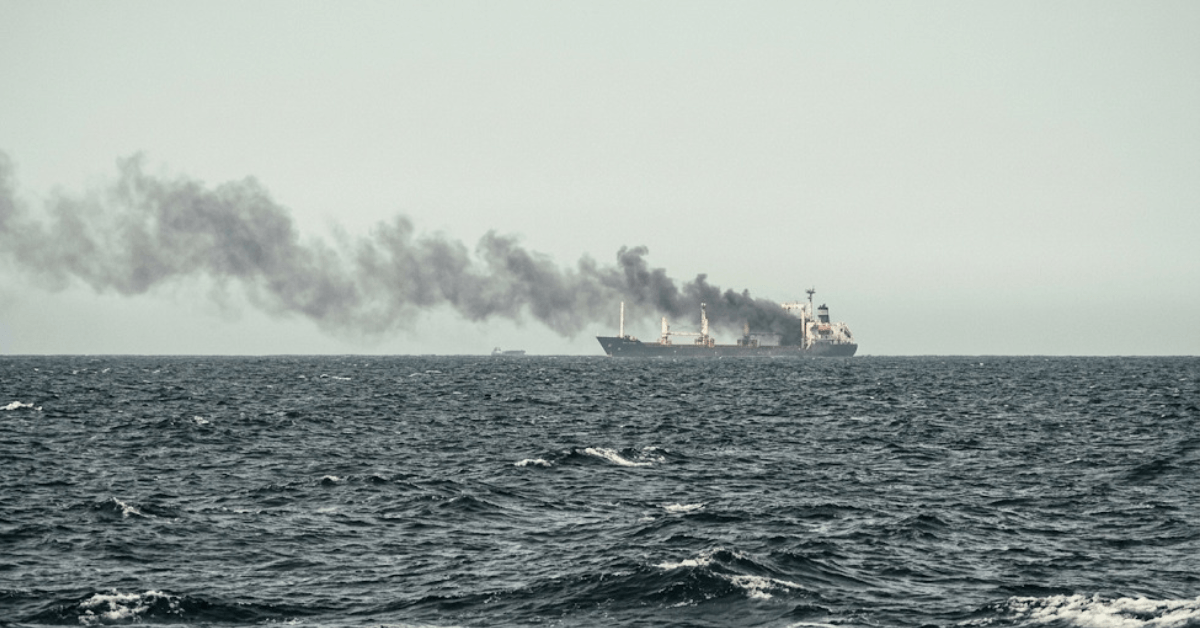
The weaponisation of global shipping lanes is not an accident of war, it is a deliberate strategy, and the world is paying the price in hunger. The Black Sea grain corridor has lost 63% of its shipments this year, not because of a poor harvest, but because more than 300 vessel attacks have turned one of the planet's most vital maritime routes into a kill zone. When the head of the World Food Programme has to label a sea lane the "deadliest maritime route of 2026," we have crossed a threshold that demands more than diplomatic statements.
This crisis sits alongside parallel disruptions in the Strait of Hormuz and Bab el-Mandeb, what the WFP calls a "triple chokepoint." The numbers are stark: 164 attacks on vessels reported to the UN human rights office between June and October alone, with at least 21 workers dead and 43 injured. Grain silos in Ukraine and Poland are full, yet Somalia, Sudan and South Sudan are sliding toward famine. The problem is not production; it is politics. Russia and Ukraine could see around 10 million tonnes of wheat miss global markets in 2026, enough to feed 44 million people. As we reported in Law of the Sea as a shield for the Gulf's fragile marine life, the legal frameworks meant to protect shared waters are often the first casualties of geopolitical conflict. Here, the same pattern holds: the rules that once allowed grain to move safely have been abandoned, and the most vulnerable pay the cost.
The knock-on effects are already measurable. The FAO food price index climbed close to its highest level in four years in September. Wheat prices are nearly 10% above January levels. A basic diet in Sudan now costs 130% more than it did in February. Meanwhile, the US-Iran conflict has disrupted the Strait of Hormuz, through which roughly 30% of global fertilizer supplies move. Costlier fertilizer means smaller harvests in Africa and Asia, a delayed shock that will compound next season. The WFP faces an additional $727 million in costs by mid-2027 if the situation continues, which could cut food aid for 7.3 million people. These are not abstract projections; they are calibrated warnings from an agency that already feeds millions in active war zones. As we noted in Sanctioned cargo vessel Sparta II towed from Finnish waters after drone strike, the targeting of commercial shipping has become a routine tactic with global repercussions. The Black Sea is no exception, it is the epicentre.
The WFP chief has urged the Security Council to draw three red lines: against famines, against the weaponisation of food, and against attacks on humanitarians. Those lines should already exist. The fact that they must be proposed now, after 300 attacks and 40 deaths in a single year, tells us the current system of maritime governance is failing. What remains to be seen is whether the Council will support a coordination mechanism for humanitarian grain shipments from both Russia and Ukraine, or whether the silos will stay full while people starve. That is the concrete choice before us, and it will determine whether 2027 begins with a famine or with a corridor that actually works.