ship attacks
World Data Ocean keeps ship attacks in one place: 3 stories so far. The section currently leads with “Integrated sensors and aerial surveillance reinforce Black Sea maritime security”, “Drone strike targets Panama-flagged tanker with 22 Indian crew at Sharjah anchorage”, and “Shipping Costs Surge as Gulf Attacks Impact Crew Availability.”. Integrated sensors and aerial surveillance reinforce Black Sea maritime security as ship attacks escalate. A Panama-flagged crude oil tanker with 22 Indian crew members was struck by a drone at the Sharjah Anchorage. A Global Hub for Ocean Intelligence 4 World Data Ocean is a centralized digital platform where researchers, scientists, and ocean enthusiasts converge to… The list below is every ship attacks story on World Data Ocean, newest first.
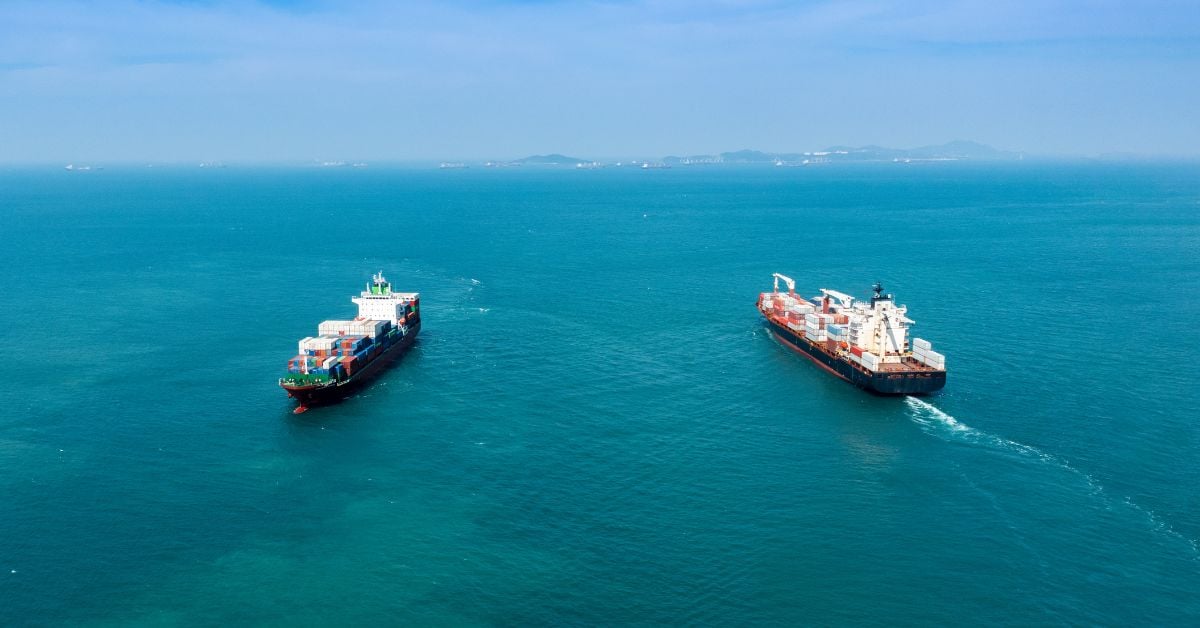
Integrated sensors and aerial surveillance reinforce Black Sea maritime security
Integrated sensors and aerial surveillance reinforce Black Sea maritime security as ship attacks escalate. NATO's deployment of surveillance aircraft, drones, and radar systems across the region signals a calibrated, real-time response to growing threats. This measured escalation prioritizes empirical data over alarm, understanding drives protection. For deeper context on maritime vulnerabilities, see our coverage of the supertanker mine strike in the Strait of Hormuz. From orbit to ocean floor, integrated monitoring remains our strongest defense.
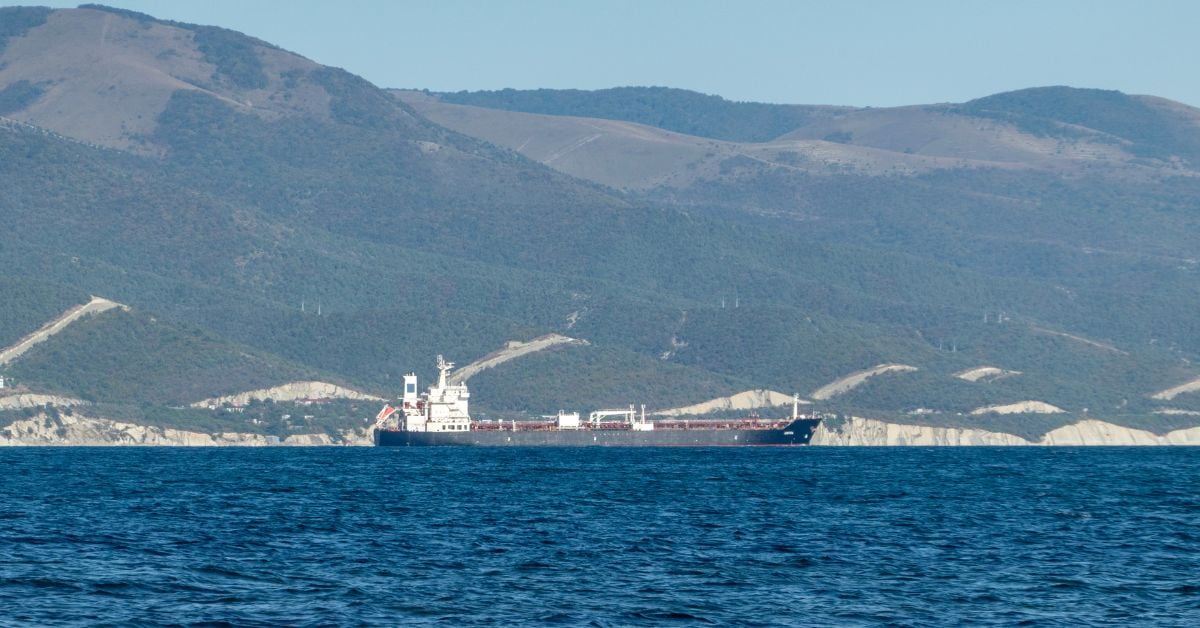
Drone strike targets Panama-flagged tanker with 22 Indian crew at Sharjah anchorage
A Panama-flagged crude oil tanker with 22 Indian crew members was struck by a drone at the Sharjah Anchorage. This incident underscores a troubling pattern: commercial vessels increasingly find themselves in harm's way. Our coverage of the abandoned cargo ship drifting through the Black Sea after a Russian drone strike reinforces that no maritime region is insulated from these threats. Measurable stability at sea remains a climate and food security indicator we cannot afford to ignore.

Shipping Costs Surge as Gulf Attacks Impact Crew Availability.
The loss of seafarers' lives in Gulf attacks is no longer a distant risk; it is a measurable cost. Shipping companies are facing surging recruitment expenses as crew availability tightens, a direct consequence of vessels becoming targets in contested waters. This is not abstract market pressure; it is operational reality. The human toll is reshaping commercial calculations. For deeper context on how regional instability compounds these pressures, our coverage of phased negotiations to ease Strait of Hormuz restrictions offers a relevant parallel.