maritime route
3 stories filed under maritime route on World Data Ocean. The newest of them: “Black Sea grain corridor loses 63% of shipments amid 300 vessel attacks”, “Fatal Attack on Bulk Carrier Highlights Strait of Hormuz Risks”, and “Naval Deployment Bolsters U.S. Enforcement of Maritime Restrictions in the Middle East”. Over 300 ship attacks have turned the Black Sea into 2026's deadliest maritime route, and the numbers prove it: grain shipments through the Bosphorus have fallen 63%. The Strait of Hormuz claimed another life on August 17, when an attack on the Liberian-flagged bulk carrier Minoan Dignity killed a seafarer transiting the waterway. A Global Hub for Ocean Intelligence 4 World Data Ocean is a centralized digital platform where researchers, scientists, and ocean enthusiasts converge to… The list below is every maritime route story on World Data Ocean, newest first.
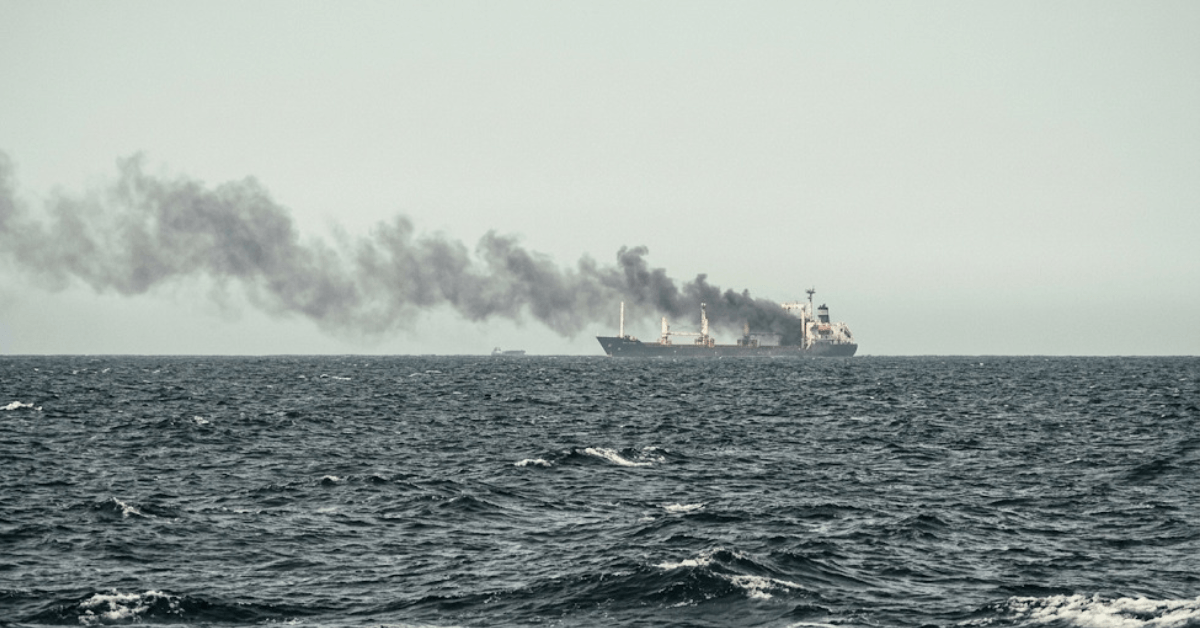
Black Sea grain corridor loses 63% of shipments amid 300 vessel attacks
Over 300 ship attacks have turned the Black Sea into 2026's deadliest maritime route, and the numbers prove it: grain shipments through the Bosphorus have fallen 63%. This is not an abstract crisis, it is a measurable disruption to global food security. The UN food agency's warning demands attention, not alarm. For context on how maritime law can protect vulnerable waters, see our coverage of the Arabian Gulf's fragile ecology. Understanding drives protection.

Fatal Attack on Bulk Carrier Highlights Strait of Hormuz Risks
The Strait of Hormuz claimed another life on August 17, when an attack on the Liberian-flagged bulk carrier Minoan Dignity killed a seafarer transiting the waterway. This is not an abstract statistic; it is a tangible cost of escalating risk in a passage that underpins global energy flows. The loss underscores how precarious maritime security has become.

Naval Deployment Bolsters U.S. Enforcement of Maritime Restrictions in the Middle East
The U.S. Navy's forward deployment in the Middle East sharpens the teeth of maritime enforcement, with CENTCOM confirming warships are now supporting "strict enforcement" of the blockade against Iran. This is measured, calibrated pressure, not saber-rattling. It signals a firm commitment to contested waters where commercial traffic and geopolitical friction converge. For readers tracking the region's fluid energy flows, the adjacent reporting on Gulf of Oman STS transfers offers useful context on how these restrictions ripple through real-time trade routes.