shadow fleet
18 stories filed under shadow fleet on World Data Ocean. The newest of them: “EU Sanctions Mumbai Ship Manager Over Russian Crude Transfers”, “Panama Registry Enforces Sanctions by Removing Three Tankers Tied to Iranian Oil”, and “Tracking the Shadow Fleet: Sanctions Map 22 Vessels Tied to Iran's Oil Network”. A ship manager in Mumbai has become the target of new EU sanctions for orchestrating transfers of Russian crude. The Panama Maritime Authority has removed three tankers, Bitu, Starway, and Mackerel, from its registry and initiated cancellation proceedings, enforcing sanctions tied to Iranian oil. A Global Hub for Ocean Intelligence 4 World Data Ocean is a centralized digital platform where researchers, scientists, and ocean enthusiasts converge to… The list below is every shadow fleet story on World Data Ocean, newest first.
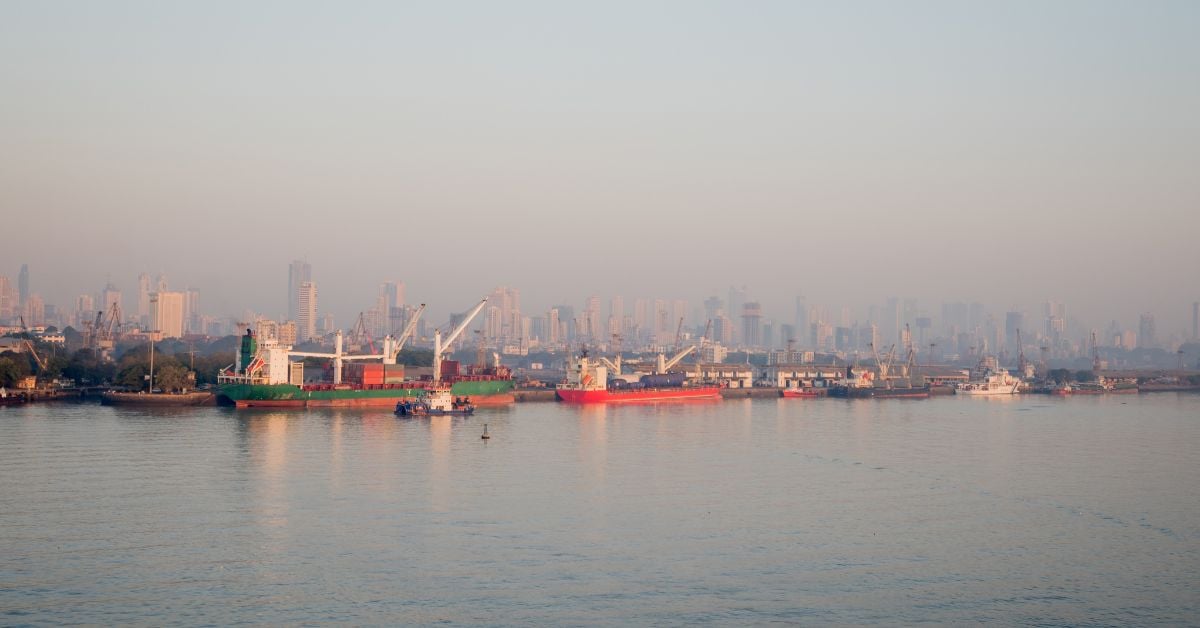
EU Sanctions Mumbai Ship Manager Over Russian Crude Transfers
A ship manager in Mumbai has become the target of new EU sanctions for orchestrating transfers of Russian crude. This action underscores a growing pattern: shadow fleet operators are pushing maritime corridors further from traditional choke points. Our recent coverage of ship-to-ship transfers shifting congestion toward India's western maritime corridor documents the mechanics behind this geographic shift. Sanctions are tightening, but the operational response evolves just as quickly.
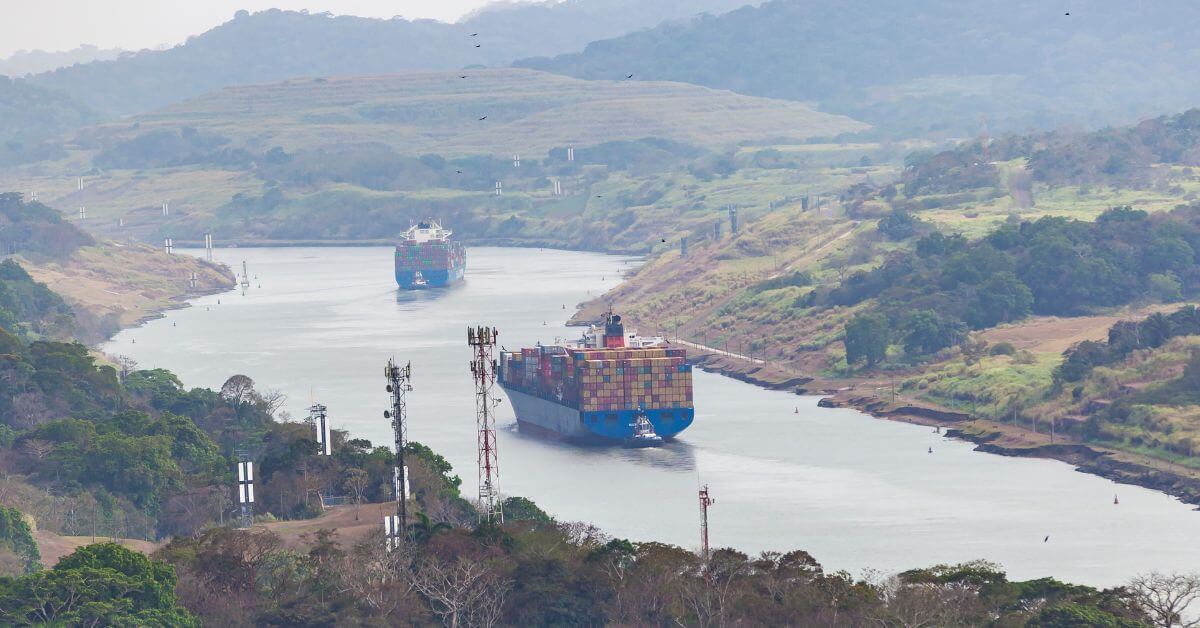
Panama Registry Enforces Sanctions by Removing Three Tankers Tied to Iranian Oil
The Panama Maritime Authority has removed three tankers, Bitu, Starway, and Mackerel, from its registry and initiated cancellation proceedings, enforcing sanctions tied to Iranian oil. This is measured, direct action, not rhetoric. Maritime registries are only as credible as their compliance systems. For deeper context on how Iranian vessels are testing global supply limits and sanctions calculus, see our coverage of stranded Iranian ships off Sri Lanka.
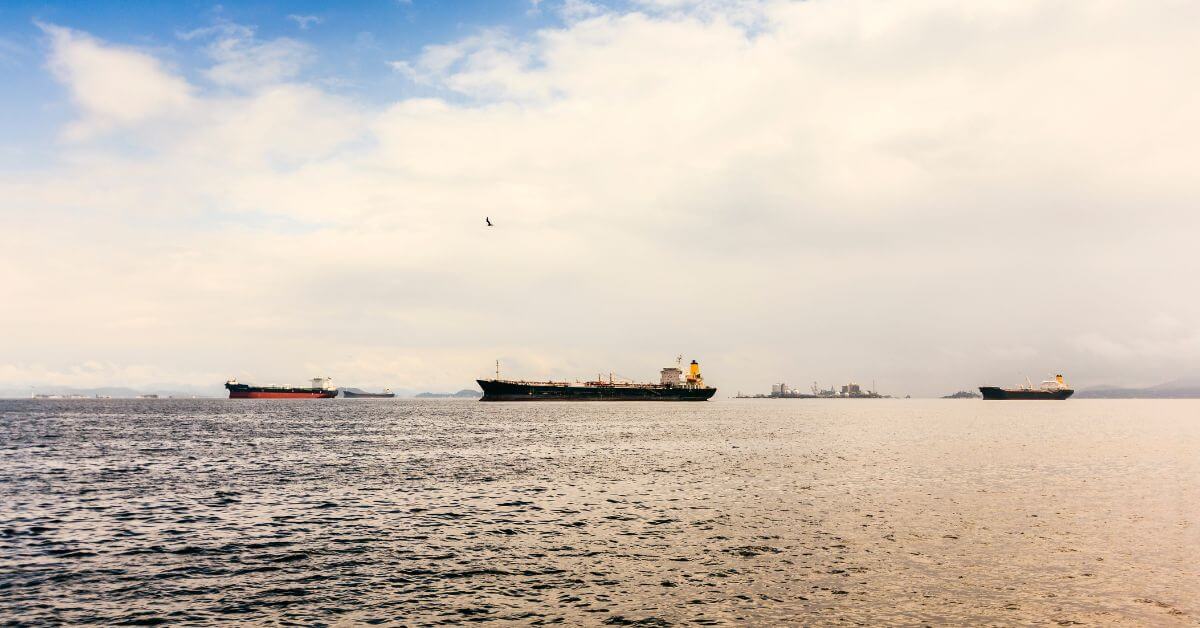
Tracking the Shadow Fleet: Sanctions Map 22 Vessels Tied to Iran's Oil Network
Twenty-two ageing tankers, the core of Iran's remaining shadow fleet, are now mapped and sanctioned. This network moves oil and petroleum products to foreign buyers, circumventing existing restrictions. Tracking these vessels is not academic, it is a measurable step toward enforcing accountability. The recent spike in tanker strikes near the Strait of Hormuz, detailed in our weekly analysis, underscores the escalating risk in these waters. Understanding the fleet's movements is essential for maintaining maritime security.
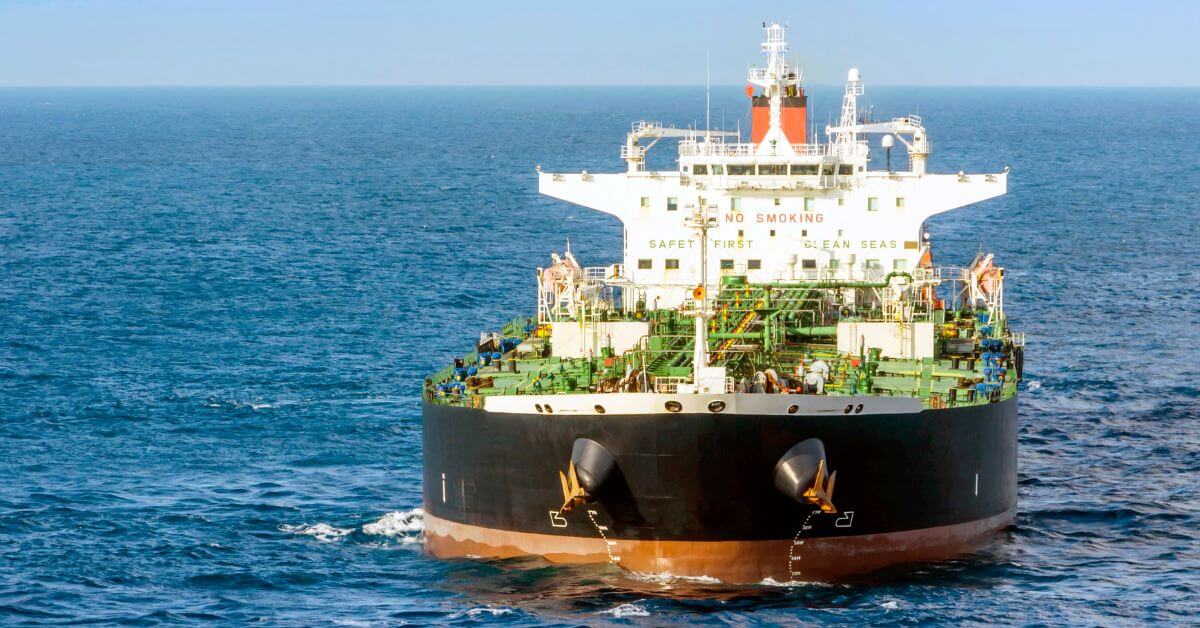
Puntland Forces Intercept Hijacked, US-Sanctioned Oil Tanker After 48 Hours
Puntland forces have ended a 48-hour standoff, intercepting a US-sanctioned oil tanker hijacked by Somali pirates off the Somali coast. The operation underscores the growing security challenges in regional waters, where illicit maritime activity threatens both trade and stability. This rescue reflects a pragmatic use of force and coordination, a reminder that ocean intelligence is as much about security as it is about data.
Fatal Attack on Cargo Ship Highlights Black Sea Shipping Risks
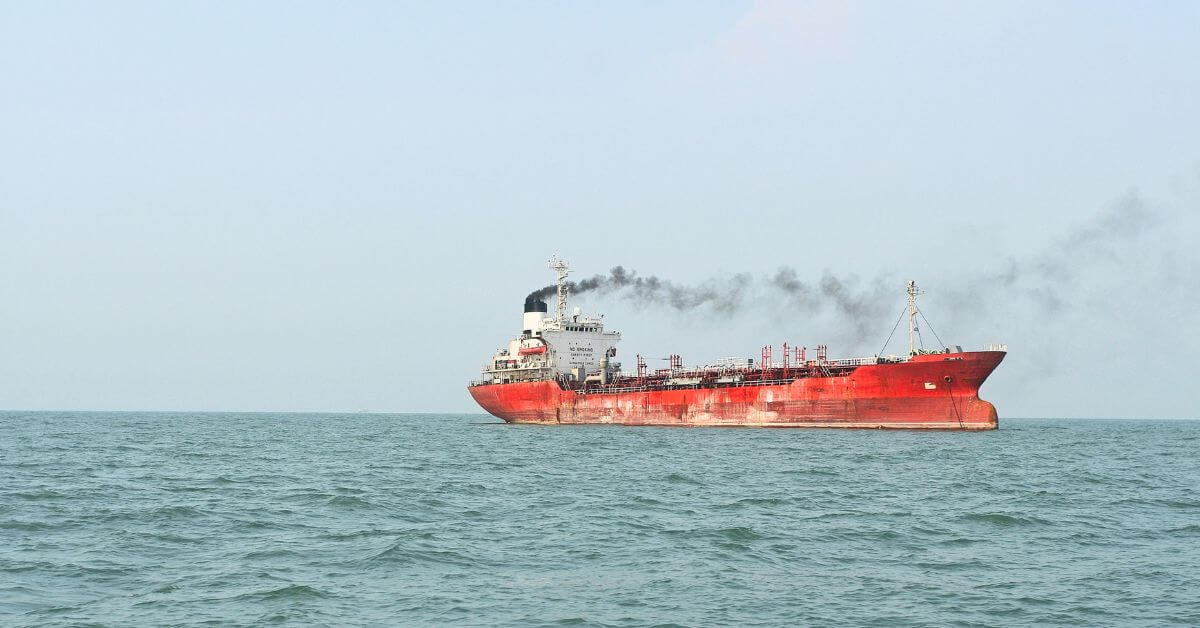
The attack on a cargo ship sailing under the flag of Antigua and Barbuda, reported Sept. 23 by the Ukrainian Sea Port Authority, sharpens the profile of risk in Black Sea shipping. This is not an isolated incident but a measurable indicator of a waterway under strain. We track these incidents because each one validates the need for integrated maritime data.
Kiwi Frigate Monitors Sanctions, Enhancing Global Maritime Security Intelligence
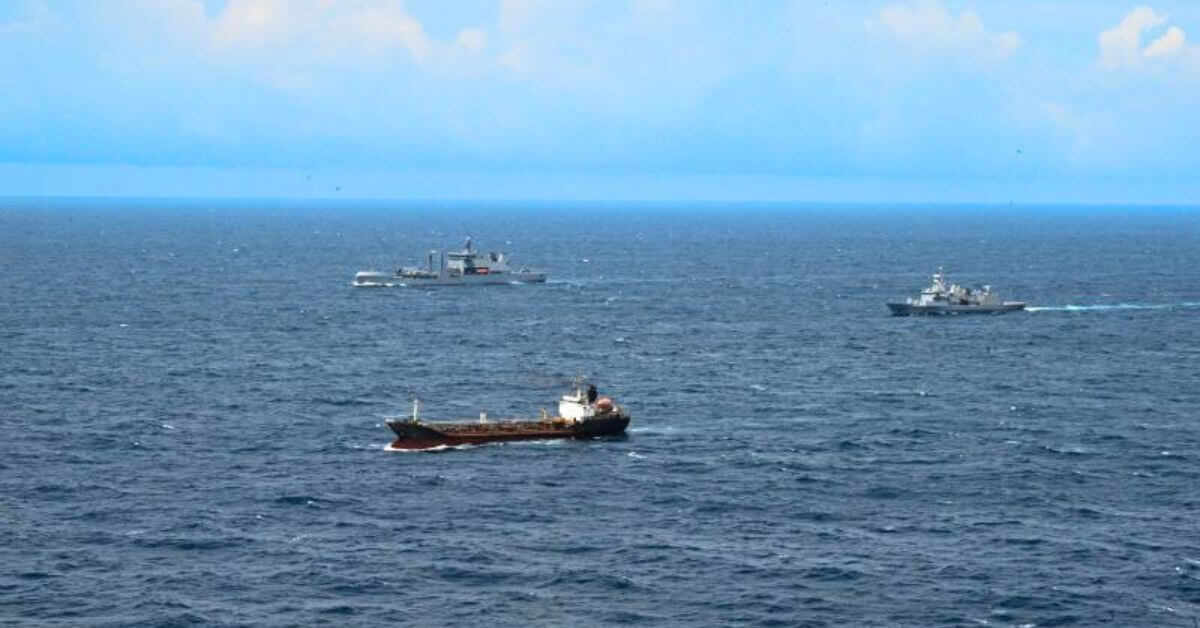
For three months, a Royal New Zealand Navy task group has monitored possible violations of UN sanctions against North Korea, turning a routine patrol into a concrete measure of maritime accountability. This is the kind of quiet, persistent work that gives "ocean intelligence" its weight. The deployment strengthens global security, yet it rarely makes headlines. It should. For deeper context on how regional navies are expanding their reach, see our related piece, "New Zealand Vessels Traverse Taiwan Strait En Route to Philippines Exercise.
Albania Intercepts Tanker Linked to Russian Shadow Fleet Operations.
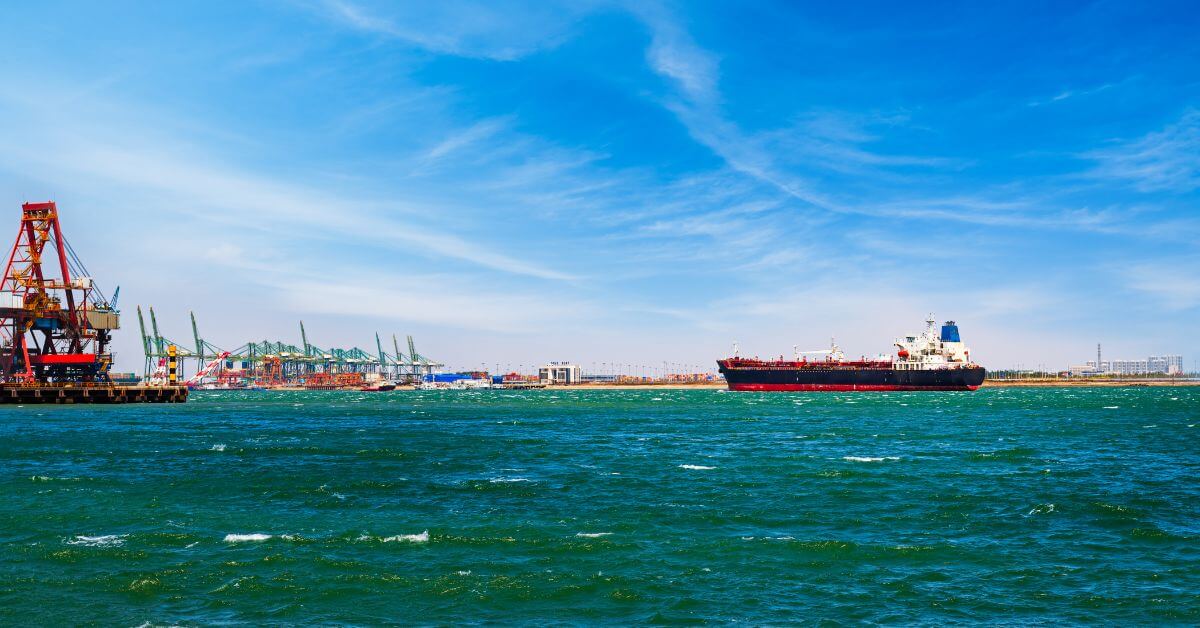
Albania has intercepted the Sierra Leone-flagged tanker HANUMAN, a vessel long tracked by Ukraine's Main Directorate of Intelligence for its role in Russian shadow fleet operations. This action underscores the measurable impact of coordinated maritime surveillance. Understanding these networks drives protection of global shipping integrity. For deeper context on how Russia is recalibrating its maritime revenue streams, see our analysis of the Northern Sea Route icebreaker fleet.
Maritime Trade Faces Fragmentation Amid Sanctions and Evolving Regulations
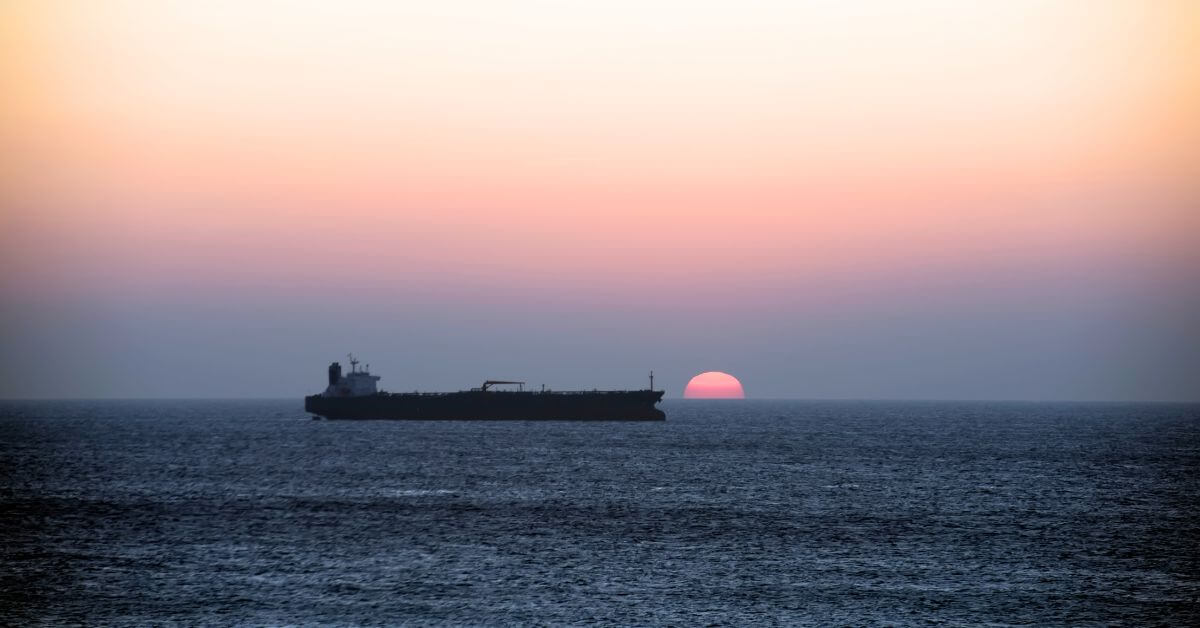
Maritime trade now confronts fragmentation as sanctions and evolving regulations reshape global shipping routes. Over 80% of the world's goods move by sea, so these shifts carry measurable consequences for supply chains and economies. This is not a moment for alarm, but for calibrated observation. Our recent coverage of the Royal New Zealand Navy's sanctions-monitoring deployment illustrates how nations are adapting. Understanding these dynamics is essential, integrated ocean intelligence helps us track the real-time impact on trade flows and climate indicators alike.
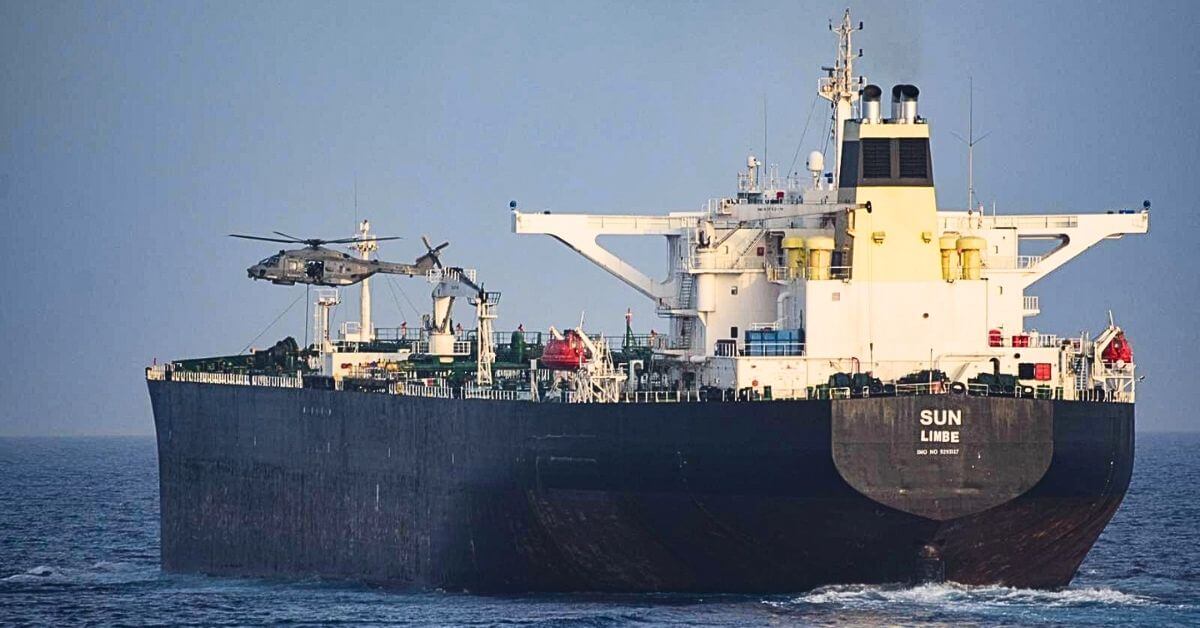
Maritime Security: Inspections Target Vessels Suspected of Shadow Fleet Activity
Maritime authorities from France, Sweden, Belgium, and Britain have boarded or seized vessels suspected of shadow fleet activity, tightening the net on opaque operations in European waters. These inspections signal a calibrated, intelligence-led response to a threat that hides in plain sight. Enforcement like this is how rules endure. For a closer look at how maritime incidents unfold under pressure, see our coverage of the cargo ship fire near Mykonos. Vigilance, measured and consistent, remains the anchor of ocean security.

Captain Faces Charges as Russian Tanker Incident Draws Scrutiny
Accountability in maritime operations rarely falls on one person, but it often lands on one. Captain Pant now faces charges while the other 24 crew members have largely returned home, a striking divergence in responsibility that warrants attention. This incident demands scrutiny, not just for what happened, but for how liability is assigned across ranks. For broader context on escalating regional tensions, our related piece, "Strikes Target Ports and Vessels in Confirmed Military Action," offers useful perspective.

Arctic Shipping Risk: Tanker Damage Highlights Ice Navigation Challenges
The tanker Lynx, carrying roughly one million barrels of Russian crude bound for China, spent last year trapped in ice within the East Siberian Sea. This incident underscores a straightforward reality: Arctic transit remains a high-stakes exercise. The risks are not theoretical, and the margin for error is razor thin. As Russia calibrates its export revenue for new icebreakers, the gap between ambition and operational safety demands closer scrutiny.

Increased Naval Presence: UK Monitors Rising Russian Activity.
The latest figures land with quiet precision: UK authorities released new data on Russian naval activity weeks after interdicting a sanctioned shadow fleet tanker in the English Channel. This is measured escalation, not alarm. Intercepting that vessel sent a clear signal, and the numbers now confirm why. For readers tracking broader maritime pressure, India's fleet expansion offers a parallel thread. But here, the focus stays local: surveillance, deterrence, and the unglamorous work of patrolling our own waters.

Captain Sentenced for Evading Coast Guard in Extensive Pursuit.
On June 12, 2026, Kalandadze, a 47-year-old Georgian national, pleaded guilty to failing to stop for a Coast Guard cutter after an extensive pursuit. Evading law enforcement at sea is not a victimless maneuver; it undermines the very rules that keep our ocean commons secure. Such actions demand accountability. For readers tracking maritime security and governance, our coverage of the "Integrated Subsea Cables Enhance Data Transmission Across the Indian Ocean" offers a broader view of how critical ocean infrastructure intersects with enforcement challenges.

Sinking Tanker Raises Concerns Over Oil Spill and Regional Impact
The Caroline Bezengi, an 899-foot tanker, has sat grounded off Qibliyah Island in southwestern Oman for weeks, and the stillness is the problem. A hull breached this long in a shallow, sensitive zone is a slow-motion environmental liability. The risk of an oil spill is not hypothetical; it is a ticking clock. This incident underscores why regional traffic safety demands urgent attention. For broader context on these maritime pressures, our coverage of the Gulf of Oman STS Transfers piece highlights the region's intense shipping activity.

Caffa Transfer to Ukraine Confirmed: Swedish Court Ruling in Grain Case
A Swedish court has confirmed the transfer of the Caffa to Ukraine, ending the vessel's detention by authorities in March 2026. The 96-metre general cargo ship, with a deadweight capacity of 4,337 tonnes, now moves under Ukrainian control following a ruling in a grain-related case. The decision is a measured legal step, one that underscores how maritime disputes intersect with broader geopolitical realities. For context on regional port disruptions, see our coverage of strikes targeting vessels and infrastructure.

Sanctions Enforced: Italian Navy Intercepts Tanker in Mediterranean Operation
The Italian Navy's interception of the sanctioned tanker *Toa Payoh* west of Pantelleria is a decisive enforcement of EU measures, and it sends a clear signal about maritime accountability. This operation demonstrates that sanctions are not abstract policy; they are backed by tangible, calibrated action in strategic waters. The Mediterranean remains a focal point for geopolitical tension, and this interdiction underscores the necessity of persistent naval vigilance.

Mediterranean Vessel Interception Raises Geopolitical Tensions and Maritime Concerns
The Mediterranean has become a flashpoint where a single vessel interception escalates into a geopolitical statement, and Russia's dismissal of such actions as "piracy" sharpens the divide. President Vladimir Putin's characterization frames maritime law enforcement as provocation, yet the practical risks to shipping lanes remain underexplored. This incident is not isolated; it echoes broader patterns of naval tension, much like the recent strikes on port infrastructure in confirmed military action.

Ukraine’s Naval Strikes Target Russian Shipping, Disrupting Maritime Trade
Ukraine's latest naval strikes hit five tankers, five dry cargo ships, and a tugboat under Operation "MoLoChKa," a direct challenge to Russian shipping lanes. The action underscores how maritime trade has become a battlefield lever, not just a logistical footnote. It is a calibrated escalation, measured in hulls and cargo holds, aimed at disrupting supply lines that fuel the war effort.