A new monkey species has been found deep in Congo’s forests
Our take
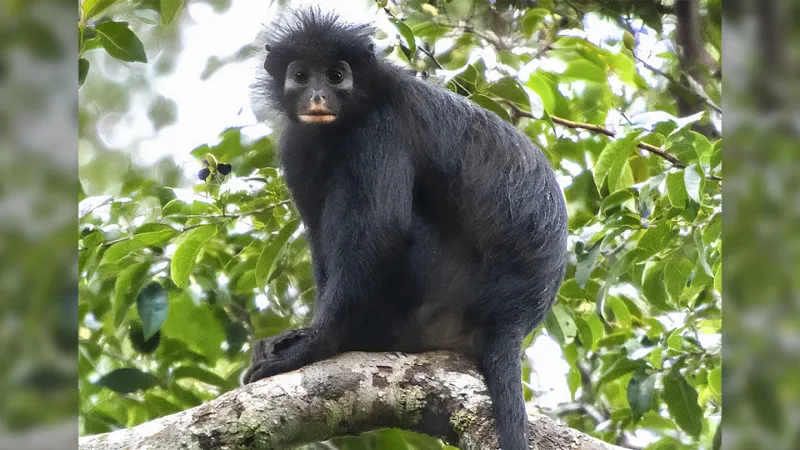
The recent discovery of a new monkey species deep within the Congo’s forests underscores a vital, and increasingly urgent, truth: our understanding of global biodiversity remains fundamentally incomplete. The identification, pieced together from a canopy call, a partial photograph, and crucially, DNA analysis, highlights the remarkable potential for undiscovered life even within relatively well-studied regions. This finding echoes the ongoing efforts to document and understand complex ecosystems, such as those explored in In search of resilient sponges as candidate habitat engineers for the renaturalization of polluted harbor environments, where researchers are investigating the role of habitat engineers in restoring degraded coastal environments. The process of species identification, reliant on a combination of observational data and rigorous genetic validation, is a cornerstone of ecological science and a testament to the power of integrated data analysis. The potential for extinction, already looming over this newly recognized primate, serves as a stark reminder of the accelerating rate of biodiversity loss globally.
The vulnerability of this monkey species, potentially facing extinction before a comprehensive understanding of its behavior, range, and ecological role can be established, is a deeply concerning pattern. It speaks to the pressures exerted by habitat loss, climate change, and human activity on fragile ecosystems. Similar challenges are evident in the rehabilitation efforts documented in Elephants can relearn how to live wild after years in captivity, where researchers demonstrate the remarkable capacity for adaptation and resilience, yet also highlight the profound disruptions caused by human intervention. The reliance on limited data—a single call, a fleeting glimpse—further illustrates the limitations of current monitoring techniques, particularly within dense, inaccessible habitats. This emphasizes the need for continued investment in advanced sensing technologies and collaborative data-sharing initiatives to improve our ability to track and protect vulnerable species. It is also relevant to consider the complexities of interpreting ecological data, as revealed in Limitations of using the canopy to infer the structure and functioning of giant kelp forests, which demonstrates the challenges of drawing accurate conclusions solely from surface observations.
The discovery's significance extends beyond the primate itself. It underscores the importance of maintaining robust, longitudinal monitoring programs across diverse ecosystems. The methodology employed—integrating acoustic data, visual observations, and genetic analysis—represents a powerful model for future biodiversity assessments. The ability to identify a new species through such a composite approach demonstrates how advancements in technologies like remote sensing and bioacoustics can be leveraged to enhance our understanding of the natural world. Furthermore, this discovery strengthens the argument for prioritizing conservation efforts in unexplored regions, even when the immediate economic benefits are not apparent. The value of these areas lies not only in the species they harbor but also in their potential to yield further scientific discoveries and contribute to the resilience of the global ecosystem. The need for calibrated and validated data is paramount to making informed decisions about resource allocation and conservation strategies.
Looking ahead, the critical question becomes: how can we accelerate the pace of biodiversity discovery while simultaneously mitigating the threats to newly identified species? The urgency demands a concerted, global effort, characterized by open data sharing, technological innovation, and a commitment to collaborative research. The fate of this new monkey species, and countless others yet to be discovered, may well depend on our ability to translate scientific insights into effective conservation action. The development of robust 'ocean intelligence' systems, capable of integrating diverse data streams and providing real-time assessments of ecosystem health, could prove invaluable in this endeavor, offering a proactive, rather than reactive, approach to biodiversity protection.
Read on the original site
Open the publisher's page for the full experience