DNA
DNA at World Data Ocean is a file of 3 stories. The newest of them: “Microbial DNA on Coral Reef Fish Gills Reveals Chemosynthesis Gene Pathways”, “Metal Ions Reveal Mechanism of DNA Strand Interaction”, and “New Primate Species Discovered in Congo, Facing Potential Extinction.”. The gills of coral reef fish carry microbial DNA that points to chemosynthesis gene pathways, a finding published in PLOS Genetics. A record player-like microscope has done what decades of static imaging could not: capture metal ions in the act of bridging DNA strands that would otherwise repel. A Global Hub for Ocean Intelligence 4 World Data Ocean is a centralized digital platform where researchers, scientists, and ocean enthusiasts converge to… The list below is every DNA story on World Data Ocean, newest first.
Microbial DNA on Coral Reef Fish Gills Reveals Chemosynthesis Gene Pathways
The gills of coral reef fish carry microbial DNA that points to chemosynthesis gene pathways, a finding published in PLOS Genetics. It is a reminder that the ocean's biological machinery operates far beyond what we see. The work is precise, peer-reviewed, and expands our understanding of symbiosis in reef ecosystems. For broader context on ocean stress, our related piece on marine heatwaves offers a useful companion. This study underscores how much remains calibrated and connected beneath the surface.

Metal Ions Reveal Mechanism of DNA Strand Interaction
A record player-like microscope has done what decades of static imaging could not: capture metal ions in the act of bridging DNA strands that would otherwise repel. This is the kind of empirical clarity that moves marine science forward. By pairing the microscope with computer simulations, researchers have finally visualized the mechanism behind strand interaction. The finding is measurable, validated, and directly relevant to understanding genetic stability in changing ocean conditions.
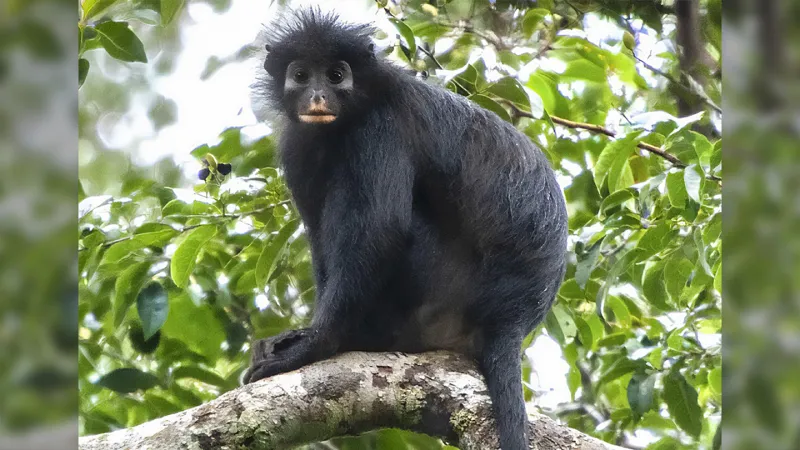
New Primate Species Discovered in Congo, Facing Potential Extinction.
A single canopy call and a partial photo were enough to signal something unknown in the Congolese treetops. DNA confirmed it: a new primate species, already facing potential extinction. Discovery at this stage is a race against time, not just a moment of celebration. The finding underscores how much remains unmapped in our natural world. For those tracking biodiversity loss, this is a sobering reminder of what is at stake.