ecosystem
World Data Ocean keeps ecosystem in one place: 39 stories so far. The section currently leads with “Redwoods' photosynthesis slows under heat, imperiling a key carbon sink”, “Citizen observation confirms manatee presence in Panama's San San Pond Sak”, and “Acidification Alters Phytoplankton Chemistry, Shifting Ocean Carbon Cycles”. Under heat-wave conditions, coast redwoods slow their photosynthesis, a measurable response that puts one of Earth's most efficient carbon sinks at risk. A single verified sighting of a manatee in Panama's San San Pond Sak is more than a traveler's anecdote, it's a validated data point for ocean intelligence. A Global Hub for Ocean Intelligence 4 World Data Ocean is a centralized digital platform where researchers, scientists, and ocean enthusiasts converge to… The list below is every ecosystem story on World Data Ocean, newest first.

Redwoods' photosynthesis slows under heat, imperiling a key carbon sink
Under heat-wave conditions, coast redwoods slow their photosynthesis, a measurable response that puts one of Earth's most efficient carbon sinks at risk. This is empirical evidence that even iconic, resilient ecosystems face limits. Validated longitudinal data is essential here, not alarm. For a broader view of cumulative climate pressures, see our coverage of coastal benthic ecosystems. Understanding these integrated signals drives protection.

Citizen observation confirms manatee presence in Panama's San San Pond Sak
A single verified sighting of a manatee in Panama's San San Pond Sak is more than a traveler's anecdote, it's a validated data point for ocean intelligence. The murky water may lack postcard clarity, but it holds empirical value. Citizen observations like this strengthen our integrated data ecosystem, turning local encounters into measurable climate indicators. For deeper context on how community reports fill research gaps, see our related coverage of a validated beach find in Costa Rica.
Acidification Alters Phytoplankton Chemistry, Shifting Ocean Carbon Cycles
Rising ocean acidity is quietly rewriting the rules of phytoplankton chemistry, with measurable shifts in cellular composition that ripple through global carbon cycles. This isn't a distant forecast, it is empirical change, now documented in peer-reviewed findings. Understanding these biological recalibrations is essential for calibrating climate models. For a deeper look at how Earth's systems respond to change, see our coverage of "A vanished billion-year cliff may explain a gap in Earth's geologic record."
A decade of empirical data illuminates the ocean's hidden reef ecosystems
A decade of empirical data now reveals the hidden architecture of our ocean's reef ecosystems, measured, validated, and mapped in real-time. These are not speculative models; they are calibrated observations from orbit to ocean floor. Understanding drives protection. For deeper context on the systemic challenges facing marine environments, see our related coverage on validated data gaps in Europe's marine policy demanding integrated solutions. The science is clear; the call to act is measurable.
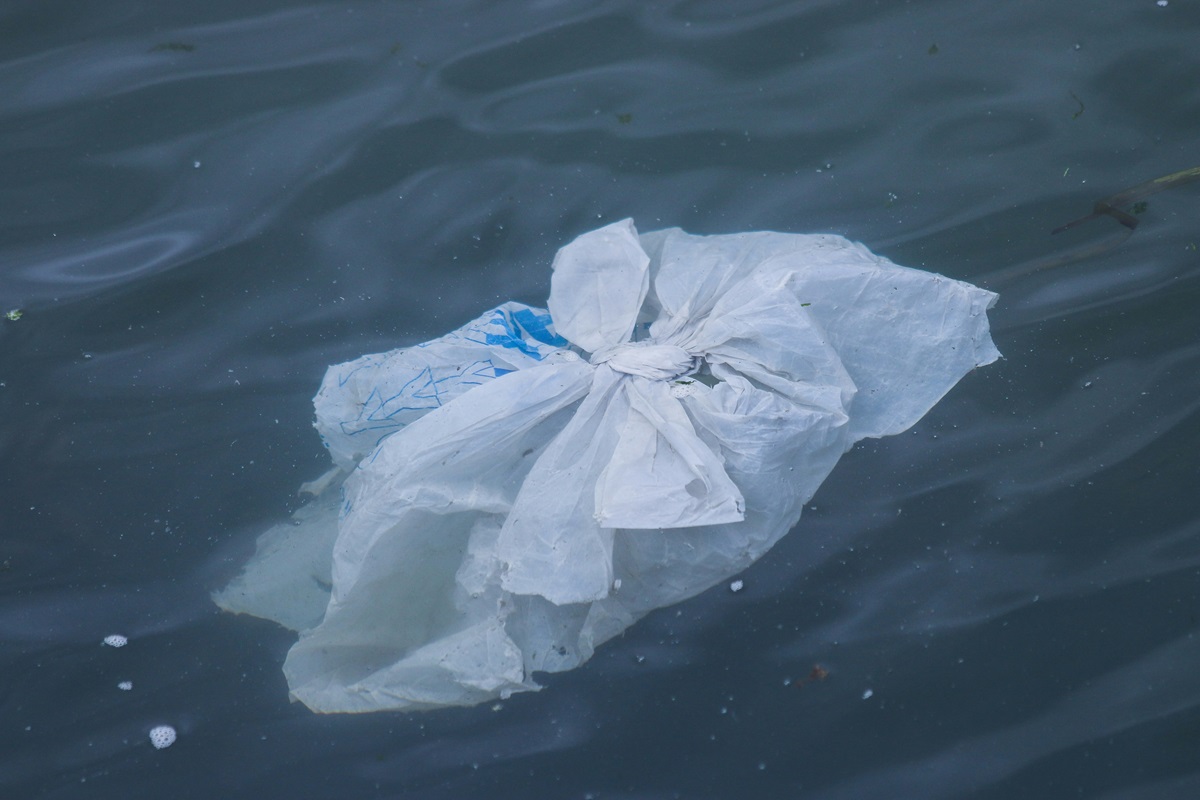
Seafloor sediment confirmed as a vast plastic pollution reservoir
Seafloor sediment has been confirmed as a vast plastic pollution reservoir, according to a world-first study by the Commonwealth Scientific and Industrial Research Organisation. This is not a surface problem, plastic is accumulating in the deep, where it becomes part of the geological record. The finding is a measurable, empirical signal of our impact. Understanding where plastic settles, from the seafloor to the Great Pacific Garbage Patch, is foundational to integrated ocean stewardship.
Calibrating ocean intelligence to navigate a warming world
Calibrating ocean intelligence requires more than collecting data, it demands integration. Our warming world is outpacing fragmented observation systems. Validated, real-time measurements from orbit to ocean floor must become an integrated data ecosystem, not isolated snapshots. This is measurable, empirical work. Understanding drives protection. For deeper coverage, explore our related piece, "From orbit to ocean floor: integrated data reshapes our view of the sea," which examines how this unified approach is transforming marine science.

Cruise fleet expands its role as a calibrated platform for ocean intelligence
Royal Caribbean Group's cruise fleet is now a calibrated platform for ocean intelligence, extending its collaboration to capture critical conservation data onboard its ships. This is empirical science at scale, measurable, real-time data collected where the ocean meets industry. Understanding drives protection, and this partnership delivers validated climate indicators from orbit to ocean floor. For deeper context, our coverage of the newly appointed global experts calibrating the Ocean Decade's path for integrated data stewardship complements this story well.
Mapping Ocean Plastic Accumulation to Future Climate Indicators
Plastic doesn't just float; it accumulates in distinct ocean zones that now serve as measurable climate indicators. Understanding where our debris settles reveals more than pollution patterns, it exposes future warming trajectories. Our World in Data maps this convergence, connecting observable accumulation zones to broader environmental shifts. The findings are empirical, calibrated, and urgent. For deeper context on how integrated data reshapes ocean observation, see our related piece "From orbit to ocean floor: integrated data reshapes our view of the sea."
From orbit to ocean floor, data refines ocean stewardship
A small ocean drone returned validated data from inside a Category 5 hurricane, proving that even the most extreme conditions can yield empirical ocean intelligence. From orbit to ocean floor, integrated data systems refine our understanding of marine ecosystems. This is how we transform stewardship from reactive concern into measurable action. For deeper coverage on peer-reviewed findings from extreme environments, see "Small ocean drone returns validated data from inside Category 5 hurricane."

Calibrated ocean intelligence, now within reach through integrated data discovery
Calibrated ocean intelligence is no longer a distant ambition; it is a practical tool for researchers and policymakers alike. NOAA's National Centers for Environmental Information brings that capability into focus, offering integrated data discovery that turns raw observations into actionable insight. This is the kind of clarity that strengthens our shared stewardship of the seas. For those tracking how marine environments shift, from deep-sea mapping to unexpected benthic finds, our coverage of the Port Phillip Bay debate adds a useful layer of context.

Unidentified Specimen Found in Oahu Waters Sparks Ocean Data Inquiry
A single unidentified specimen recovered from Oahu waters has prompted a new round of data collection, a reminder that our ocean intelligence still holds gaps. The find is a useful nudge toward empirical rigor: when a species defies easy classification, the response should be calibrated observation, not speculation. We track climate indicators and integrated systems, yet the shoreline still surprises us.

First West Coast Sea Turtle Nest Documented on Southern California Beach
A lone sea turtle has made history on a Southern California beach, with the first documented nest of its kind on the West Coast. This is not a distant anomaly; it is a measurable signal of shifting ocean conditions. The event underscores the value of validated, real-time observation in tracking climate indicators. For those following the science, this pairs well with our recent piece, "Validated Protein Analysis Improves Caretta Caretta Health Assessments," offering a fuller picture of how we track these resilient species.

Unidentified Nudibranch Observed in California Harbor Requires Further Research
A black-and-white nudibranch spotted in a California harbor has yet to match any known species, and that is precisely why it deserves attention. The observer's attempt to identify it came up empty, a reminder that our ocean intelligence remains incomplete. Unverified sightings like this are not conclusions; they are starting points. Further research, ideally peer-reviewed and empirically documented, could clarify whether this is an undocumented variation or a range shift tied to changing climate indicators.

Unidentified Marine Life Observed in South Florida Waters
A community post about unidentified marine life in South Florida waters raises the kind of question that drives ocean intelligence forward. The observer's surprise at seeing these creatures "swing" in the water is a reminder that our understanding of marine ecosystems remains incomplete. Validated observation, even anecdotal, is a starting point for empirical inquiry. We encourage further reporting and documentation, as such data can contribute to a more integrated data ecosystem.
Unidentified Marine Structure Sparks Debate in Port Phillip Bay
A single gelatinous form, pulled from the shallows of Port Phillip Bay, has left both a diver and the broader community stumped. The unidentified marine structure, possibly a burrowing sea cucumber or a polychaete worm egg mass, resists easy classification. It is a reminder that our ocean intelligence still has gaps. For those tracking the health of these southern waters, such mysteries are as valuable as any peer-reviewed dataset. We encourage you to share your thoughts on its identity.

Genetic Sequencing Reveals Novel Viruses Within Sea Turtle Populations
Beneath the shell, a hidden layer of biodiversity is surfacing. Genetic sequencing of sea turtle populations has revealed novel viruses, adding a new dimension to our understanding of marine health. This isn't just about pathogens; it's about the unseen connections that shape resilience in a changing ocean. The findings underscore the value of integrated data ecosystems, and they invite us to look closer at what we cannot see.
Unveiling Ocean Insights: Five Unexpected Facts from World Data Ocean
Beneath the waves, discovery often rewrites what we thought we knew. World Data Ocean's latest findings challenge assumptions about marine life, and the implications are as practical as they are profound. This is the kind of data that sharpens our understanding of ocean intelligence, offering measurable insights for researchers and policymakers alike. It is a reminder that empirical observation still leads the charge in ocean stewardship.
Integrating Data Infrastructure with Ocean Ecosystems: A Calibrated Approach
The seafloor is not a passive highway for data; it is a living system that demands calibration. This submission recognizes that integrating infrastructure with ocean ecosystems requires more than laying cables, it requires measuring impact with empirical rigor. We support this approach because it treats the ocean as a partner, not a conduit. Related coverage, such as our piece on integrated subsea cables across the Indian Ocean, reinforces the stakes. Understanding drives protection, and this work gets that sequence right.
Antarctic Krill Reproduction Linked to Deep-Sea Hydrothermal Vent Activity
New research links Antarctic krill reproduction to deep-sea hydrothermal vent activity, and it changes how we read the Southern Ocean. The study, published in *Communications Biology*, suggests that vent-driven nutrient cycles may influence krill spawning patterns in ways surface observations alone cannot capture. That is a meaningful step toward integrated ocean intelligence, where biological and geological data meet.

White Sharks Detected in Gulf of Mexico Sanctuary via Acoustic Telemetry
Nine white sharks, some traveling nearly 3,800 kilometers, have been detected within Flower Garden Banks National Marine Sanctuary, marking the first documented occurrences of the species in this Gulf of Mexico marine protected area. Acoustic telemetry revealed philopatric behavior in two individuals, with returns across multiple years. This empirical evidence expands our understanding of white shark distribution in the western North Atlantic.
Ocean Stewardship: Validated Data for a Sustainable Future.
The ocean holds more data than we have yet learned to trust. Ocean Stewardship: Validated Data for a Sustainable Future centers on that gap, turning raw observation into peer-reviewed action. We are not asking for blind faith in technology; we are asking for calibrated, measurable responses to climate indicators. This is how we save oceans, not through alarm, but through integrated data ecosystems that guide policy and practice.
Ocean Depth Limits: How Far Can Surface Fish Really Swim?
A curious question from *Finding Nemo* touches on a real oceanographic principle: depth stratification. Surface-dwelling species like clownfish and blue tangs are adapted to specific pressure zones, and their swim bladders are calibrated for that environment. The anglerfish's domain, by contrast, demands physiological adaptations that these fish simply lack. It is a practical example of how marine life is partitioned by depth, a concept worth exploring further in our piece on integrated subsea cables, which highlights how we map these very ecosystems.

Unidentified Specimen Found in Pensacola: Seeking Ocean Intelligence Insights
A single specimen washed ashore in Pensacola has sparked curiosity, and for good reason. The unidentified find, shared by a snorkeler seeking answers, underscores how much remains unknown in our coastal zones. Observations like this are not isolated incidents; they are data points. This is where citizen observations meet scientific inquiry. For those looking to understand how such discoveries fit into broader patterns of marine distribution, our related coverage in "Unexpected Chiton Discovery in Puerto Rico Challenges Species Distribution Models" offers valuable context.

Unusual Cartilage Discovery on Block Island Sparks Scientific Inquiry
A beachcomber's discovery inside Block Island's Great Salt Pond has turned up something unexpected: an object composed entirely of cartilage. The find, submitted to our community, raises more questions than answers. It is a reminder that even familiar shorelines can yield puzzles worth examining. We are not alarmed; we are intrigued. Such anomalies invite careful observation. For context on how marine environments shift over time, readers may find our piece on Atlantic Circulation Weakens valuable.