genetic analysis
genetic analysis at World Data Ocean is a file of 4 stories. The newest of them: “New coral family named for Tolkien tree traced through genetic analysis”, “Denisovan Life Unveiled: Fossil Discoveries Offer New Insights”, and “New Primate Species Discovered in Congo, Facing Potential Extinction.”. A brilliant yellow coral discovered off Costa Rica's deep seafloor proved so genetically distinct that scientists created an entirely new family to classify it. A fragment of tooth, a scatter of bone, and stone tools from a cave in China now sharpen our view of Denisovan life. A Global Hub for Ocean Intelligence 4 World Data Ocean is a centralized digital platform where researchers, scientists, and ocean enthusiasts converge to… The list below is every genetic analysis story on World Data Ocean, newest first.
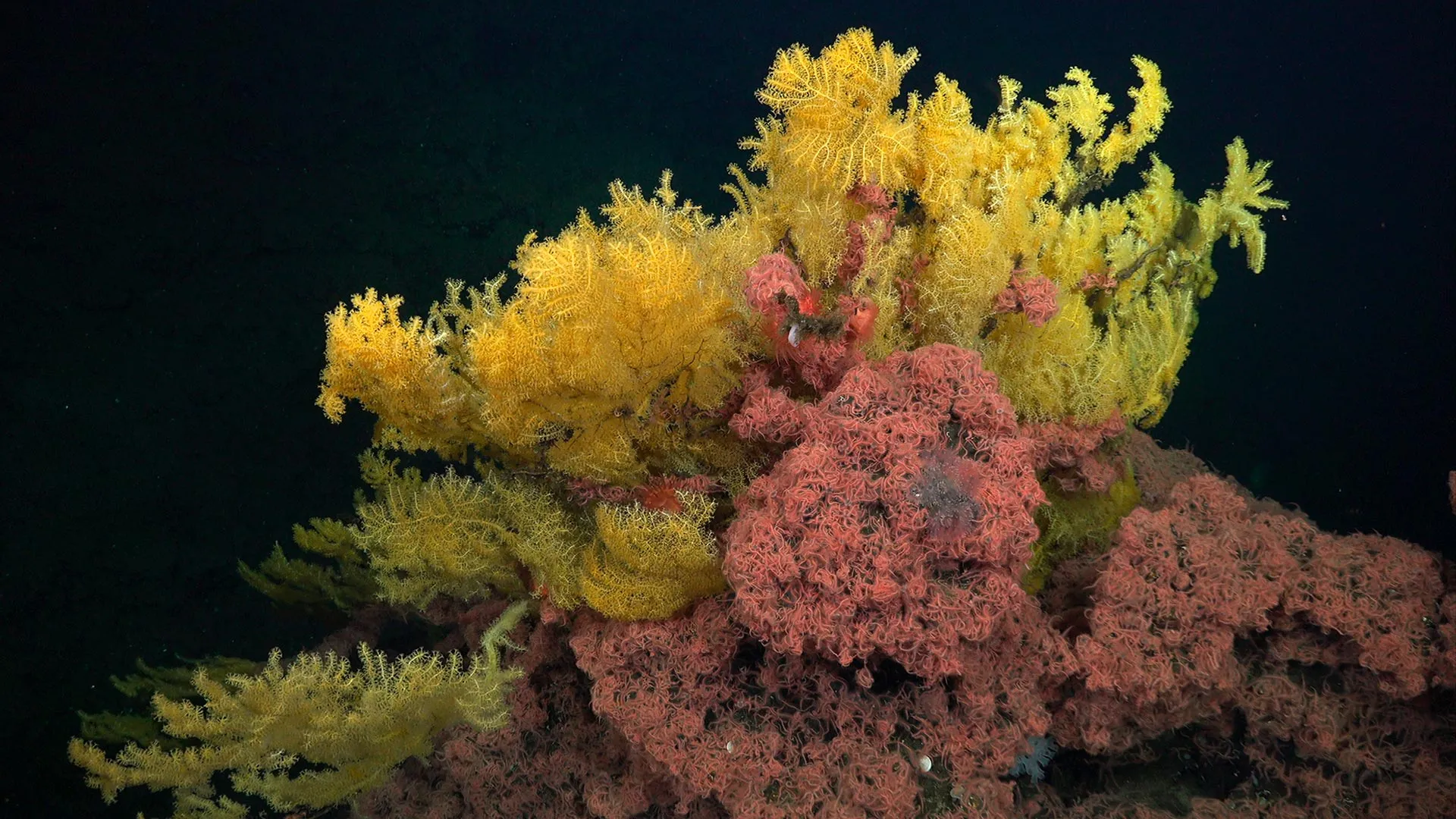
New coral family named for Tolkien tree traced through genetic analysis
A brilliant yellow coral discovered off Costa Rica's deep seafloor proved so genetically distinct that scientists created an entirely new family to classify it. Named *Laurinque elenya*, Tolkien's "golden tree of the stars", these meter-tall colonies rise among brittle stars, a living metaphor for how much remains hidden in our ocean. This discovery underscores why empirical data, like the decade of reef observations explored in "A decade of empirical data illuminates the ocean's hidden reef ecosystems," remains essential. Understanding drives protection.
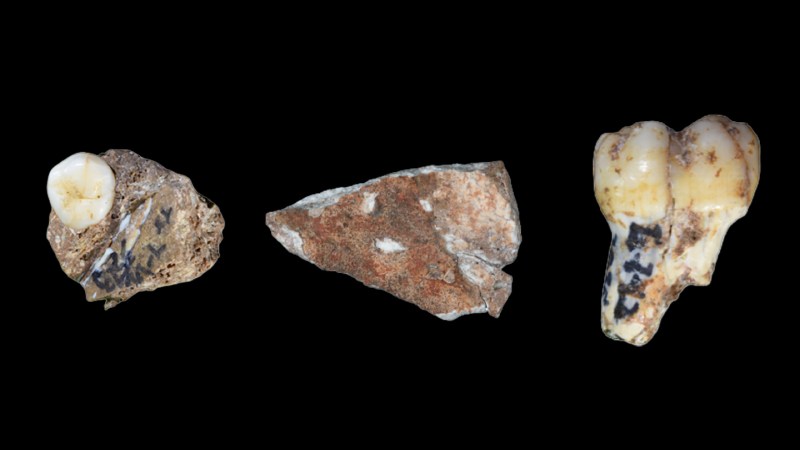
Denisovan Life Unveiled: Fossil Discoveries Offer New Insights
A fragment of tooth, a scatter of bone, and stone tools from a cave in China now sharpen our view of Denisovan life. This is empirical evidence, not speculation. These fossils, alongside animal remains, offer measurable clues about how this enigmatic species lived. Understanding drives protection. For deeper context on how ancient and modern systems connect, see our related coverage on integrated subsea infrastructure shifting Indian Ocean connectivity.
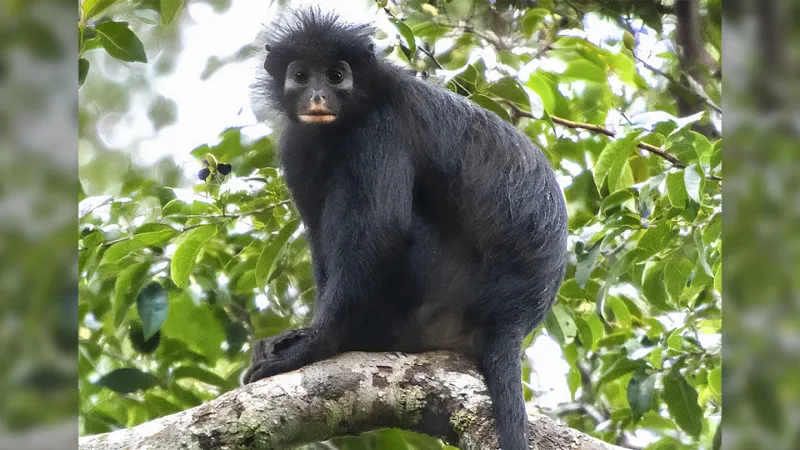
New Primate Species Discovered in Congo, Facing Potential Extinction.
A single canopy call and a partial photo were enough to signal something unknown in the Congolese treetops. DNA confirmed it: a new primate species, already facing potential extinction. Discovery at this stage is a race against time, not just a moment of celebration. The finding underscores how much remains unmapped in our natural world. For those tracking biodiversity loss, this is a sobering reminder of what is at stake.

Ancient DNA Reveals Prehistoric Koala Population Bottleneck
A population collapse that predates human arrival has quietly shaped every koala alive today. By calculating the koala's mutation rate for the first time and sequencing hundreds of genomes, researchers traced the species back to a small group that endured extreme climate shifts roughly 100,000 years ago. That survival story is a measurable lesson in resilience. For more on how environmental pressures echo through time, see our related piece on fossilized dinosaur feathers and survival traits.