biodiversity
46 stories filed under biodiversity on World Data Ocean. The newest of them: “Understanding drives protection: microscale environments reveal new pathways for coral reef restoration”, “Artificial light at night reduces olive ridley turtle nesting along Guatemala coast”, and “Fifteen krill species map the Benguela food web's nutritional architecture”. Coral recruitment is collapsing, and the scale of the problem has been hiding a critical piece of the solution. A single lux of artificial light at night reduces expected olive ridley turtle nests by up to 34 percent along Guatemala's Pacific coast. A Global Hub for Ocean Intelligence 4 World Data Ocean is a centralized digital platform where researchers, scientists, and ocean enthusiasts converge to… The list below is every biodiversity story on World Data Ocean, newest first.

Understanding drives protection: microscale environments reveal new pathways for coral reef restoration
Coral recruitment is collapsing, and the scale of the problem has been hiding a critical piece of the solution. By focusing on the microscopic environments where coral larvae actually settle, researchers introduce the "settlement-sphere" concept, a microhabitat of chemical cues, microbial life, and physical complexity that governs survival. Anthropogenic stressors dismantle this sphere. Rebuilding it with targeted materials and chemical restoration offers a measurable path forward. For another perspective on restoring marine complexity, see our coverage of engineered reef structures.
Artificial light at night reduces olive ridley turtle nesting along Guatemala coast
A single lux of artificial light at night reduces expected olive ridley turtle nests by up to 34 percent along Guatemala's Pacific coast. This measured, peer-reviewed finding confirms what many coastal ecologists have suspected: light pollution directly suppresses nesting activity. The data also reveal a weekend effect, where higher human presence and brighter nights drive nest counts even lower. For deeper coverage of engineered habitat restoration, see our related article on rebuilding reefs with structures. Understanding drives protection.
Fifteen krill species map the Benguela food web's nutritional architecture
Fifteen krill species map the Benguela food web's nutritional architecture, and the findings demand a recalibration of how we model these waters. Lantern shrimp are far more than a simple link between plankton and predators. Their species-specific diets, ranging from herbivory to exclusive carnivory, reveal a complex trophic tapestry. This empirical data, validated through stable isotope and fatty acid analysis, underscores the need for integrated food-web models. For deeper context, see our related piece on validated nitrogen pathways in the Qiongdong Upwelling.
Rebuilding reefs with engineered structures to restore lost marine habitat complexity
Rebuilding reefs with engineered structures is a response to a measurable crisis: coral habitats across the Western Atlantic are flattening, losing the structural complexity that drives biodiversity and ecosystem function. This is not about simple restoration, it is about deploying habitat support structures designed to instantaneously increase relief and promote species persistence across life stages. The approach is empirical and integrated. For deeper context on how such structures connect to broader infrastructure, see our coverage of Belgium's First Artificial Energy Island.
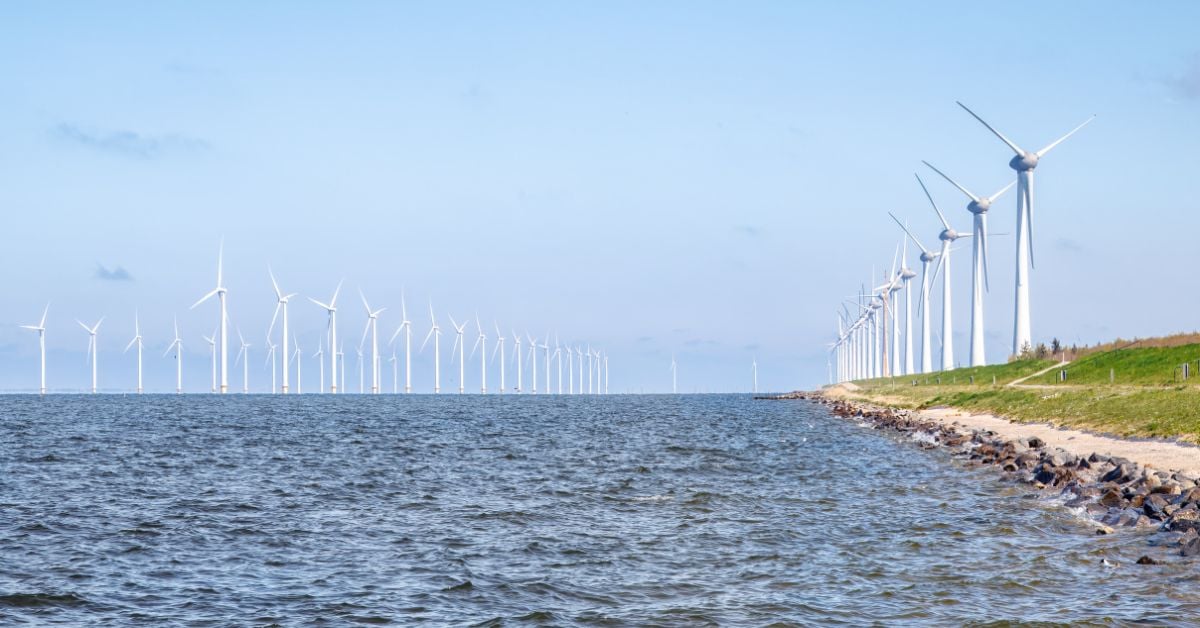
Belgium's First Artificial Energy Island Begins Calibrating Offshore Wind Integration
Belgium's first artificial energy island has begun calibrating its offshore wind integration, a measurable step toward meeting rising electricity demand with validated, real-time ocean intelligence. This integrated data ecosystem will turn climate indicators into actionable power. For deeper context on global offshore momentum, see our coverage of Ørsted consolidating ownership of the 172 MW Gunfleet Sands in UK waters. Understanding drives protection, and here, it also drives energy.
Biodiversity and human pressure reshape marine ecosystem science
Marine ecosystem ecology now stands at a crossroads where biodiversity data and human pressures converge. Understanding how marine life supports ecosystem functioning remains central, but the urgency of climate-driven transformations demands we anticipate change, not just document it. Resilience, the capacity to persist through disturbance, has become a scientific priority under intensifying cumulative pressures. Major challenges include ecological non-stationarity and expanding data volumes. Our related piece, "Validated data and selective gear drive sustainable crab harvesting," demonstrates how empirical approaches already guide sustainable practice.
A decade of empirical data illuminates the ocean's hidden reef ecosystems
A decade of empirical data now reveals the hidden architecture of our ocean's reef ecosystems, measured, validated, and mapped in real-time. These are not speculative models; they are calibrated observations from orbit to ocean floor. Understanding drives protection. For deeper context on the systemic challenges facing marine environments, see our related coverage on validated data gaps in Europe's marine policy demanding integrated solutions. The science is clear; the call to act is measurable.
Validated data gaps in Europe's marine policy demand integrated solutions
Europe's marine policies set ambitious goals but fell short, the 2020 target for Good Environmental Status was missed, revealing critical gaps in monitoring, data comparability, and climate integration. This review confirms that isolated measures cannot reverse the triple crisis of biodiversity loss, climate change, and pollution. Integrated, adaptive frameworks, supported by long-term data and stakeholder engagement, offer the only viable path forward. For deeper insights into related challenges, readers can explore our study on validating DNA metabarcoding for fragile Arctic gelatinous zooplankton.
Validating DNA metabarcoding for fragile Arctic gelatinous zooplankton
Two universal primer pairs, one targeting 18S rRNA, one mitochondrial COI, reveal complementary strengths and clear limitations for detecting fragile Arctic gelatinous zooplankton. The COI primers delivered high species-level resolution but missed key hydrozoans and ctenophores; 18S captured broader diversity but lacked taxonomic precision. These findings underscore the urgent need to expand public reference databases and explore new genetic markers. Understanding drives protection, and for these elusive organisms facing climate-driven shifts, validated tools are non-negotiable.
Measuring the longevity of a booming ocean economy through integrated climate indicators
The ocean economy is booming, but its longevity depends on what we can measure. UN Trade and Development now asks a critical question: how long can this growth last? The answer lies in integrated climate indicators, validated, empirical data that tracks real-time ocean health. Understanding drives protection. For deeper context, see how the cruise fleet expands its role as a calibrated platform for ocean intelligence. Growth without data is just speculation.
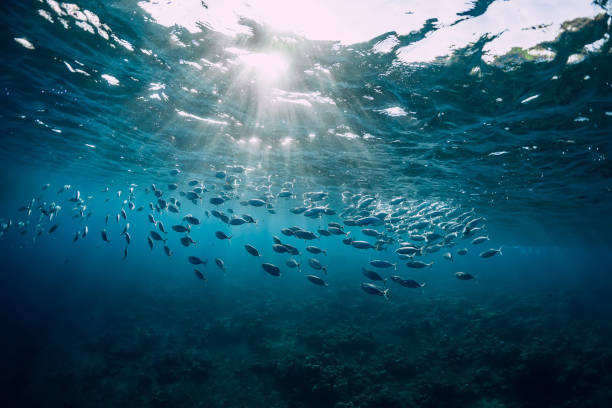
Closing the data gap: disclosure as a calibrated step toward ocean action
Disclosure is a calibrated step, not a final destination. This World Ocean Day, the conversation shifts from identifying the data gap to closing it, because what gets measured gets managed. Measuring the ocean's warming pulse at 2,000 meters gives us the empirical evidence needed for real action. We cannot protect what we do not understand. Transparency builds trust. A shared, measurable data ecosystem turns observation into obligation, making ocean stewardship not just urgent, but achievable.
Ocean intelligence measures our progress toward sustainable marine stewardship
Ocean intelligence measures our progress toward sustainable marine stewardship, translating vast datasets into actionable insights for conserving marine resources. This is not abstract science, it is a calibrated, real-time account of human impact on the sea. Understanding drives protection. To see how integrated data reshapes our view from orbit to ocean floor, read "From orbit to ocean floor: integrated data reshapes our view of the sea." The work is empirical, collaborative, and urgent.

Cruise fleet expands its role as a calibrated platform for ocean intelligence
Royal Caribbean Group's cruise fleet is now a calibrated platform for ocean intelligence, extending its collaboration to capture critical conservation data onboard its ships. This is empirical science at scale, measurable, real-time data collected where the ocean meets industry. Understanding drives protection, and this partnership delivers validated climate indicators from orbit to ocean floor. For deeper context, our coverage of the newly appointed global experts calibrating the Ocean Decade's path for integrated data stewardship complements this story well.
From orbit to ocean floor, data refines ocean stewardship
A small ocean drone returned validated data from inside a Category 5 hurricane, proving that even the most extreme conditions can yield empirical ocean intelligence. From orbit to ocean floor, integrated data systems refine our understanding of marine ecosystems. This is how we transform stewardship from reactive concern into measurable action. For deeper coverage on peer-reviewed findings from extreme environments, see "Small ocean drone returns validated data from inside Category 5 hurricane."
Life's mass across oceans, land, and deep subsurface mapped with empirical clarity
Life's mass is not evenly scattered across the planet, it is concentrated in distinct realms, from the sunlit ocean surface to the deep subsurface. Empirical mapping now offers a measurable, calibrated view of this distribution, revealing where biomass truly resides. Understanding drives protection. For deeper context on planetary-scale change, explore our related coverage on how seismic records measure a strengthening pulse beneath warming oceans.
Eleven data-driven innovations sharpen our ocean intelligence
Eleven measurable innovations are sharpening our ocean intelligence. From validated carbon tracking systems to data-driven models revealing how the atmosphere forces ocean dynamics, each tool adds a calibrated layer to our understanding. These are not abstract concepts, they are empirical, peer-reviewed advances that make ocean stewardship actionable. The Ocean Carbon and Acidification Data System in *Nature* exemplifies this: validated data powering a measurable path forward. Understanding drives protection. From orbit to ocean floor, the evidence is building.
A validated open-access observatory for Africa's multi-ecosystem ocean intelligence
The Bazaruto Center for Scientific Studies (BCSS) Ocean Observatory is not another data portal; it is a managed, DOI-linked platform turning eight years of sustained effort into 22 million-plus measurements across six ecosystems. What stands out is the integration: weather, acoustics, biodiversity, and pollution under one interoperable framework, with QA/QC and FAIR compliance built in. This is the baseline Africa's marine science has needed.
Africa's first permanent ocean observatory closes a critical data gap for science and policy
Twenty-two million measurements. That is the scale of what the Bazaruto Center for Scientific Studies and Kisawa Sanctuary have built off Mozambique's coast. Africa's first permanent ocean observatory is not a small pilot project; it is a multi-ecosystem platform covering 6,850 square kilometers, generating high-frequency data across coral, seagrass, and open-ocean habitats. The numbers are impressive, but the real achievement is showing how a Resort-to-Research model can sustain serious science.
eDNA maps Nile tilapia invasion across West Bengal freshwater habitats
A single water sample can reveal an entire invasion. Across West Bengal's freshwater habitats, empirical eDNA analysis has now mapped the spread of Nile tilapia with measurable precision. This is not merely a species survey; it is a calibrated early-warning system for ecosystem disruption. The data is validated, peer-reviewed, and actionable. For context on how such environmental intelligence intersects with regional development, see our coverage of the Brahmaputra River cruises. Understanding drives protection.

Unexpected Chiton Discovery in Puerto Rico Challenges Species Distribution Models
A chiton thought to be a snakeskin species has surfaced in Puerto Rico, yet that species was never documented in Caribbean or Atlantic waters. The discovery challenges the reliability of species distribution models that underpin much of our ocean intelligence. This is not a minor range extension, it is a signal that empirical data must catch up with predictive frameworks. Understanding drives protection, and this finding reminds us that validated, real-world observation remains the anchor of credible marine science.

First West Coast Sea Turtle Nest Documented on Southern California Beach
A lone sea turtle has made history on a Southern California beach, with the first documented nest of its kind on the West Coast. This is not a distant anomaly; it is a measurable signal of shifting ocean conditions. The event underscores the value of validated, real-time observation in tracking climate indicators. For those following the science, this pairs well with our recent piece, "Validated Protein Analysis Improves Caretta Caretta Health Assessments," offering a fuller picture of how we track these resilient species.
Exploring Plankton Science: Accessible Research for Curious Ocean Observers
A two-year fondness for plankton, sparked by picture books and a saved-for net, is exactly how meaningful ocean observation begins. This researcher's request for accessible depth, rather than just surface-level facts, reflects a genuine curiosity that we share. It is a reminder that scientific literacy grows through patient, specific questions. For those ready to move beyond identification guides, we recommend exploring related coverage on species distribution, such as the unexpected chiton discovery challenging current models, to see how amateur observations can align with empirical inquiry.

Genetic Sequencing Reveals Novel Viruses Within Sea Turtle Populations
Beneath the shell, a hidden layer of biodiversity is surfacing. Genetic sequencing of sea turtle populations has revealed novel viruses, adding a new dimension to our understanding of marine health. This isn't just about pathogens; it's about the unseen connections that shape resilience in a changing ocean. The findings underscore the value of integrated data ecosystems, and they invite us to look closer at what we cannot see.
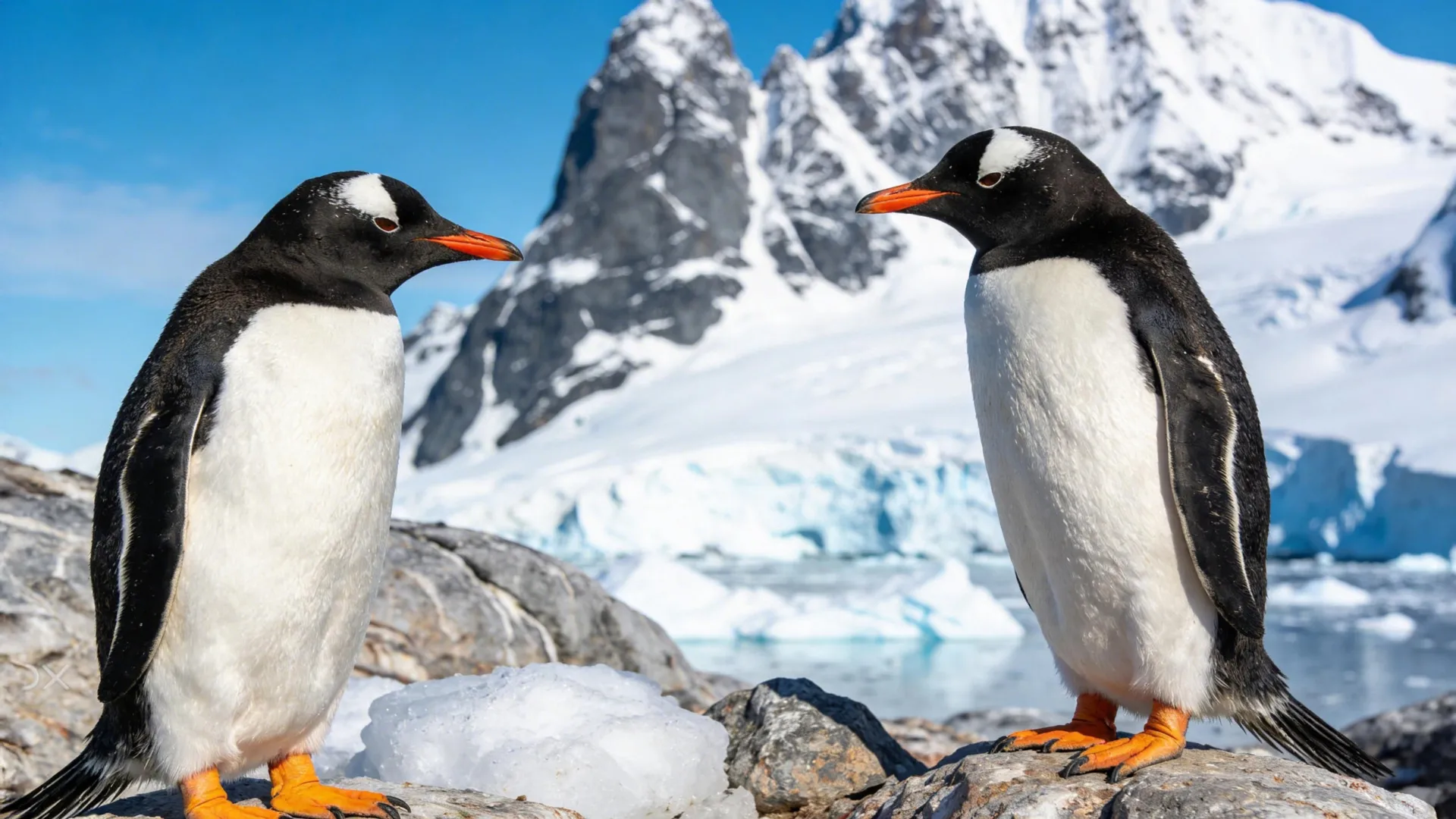
Genetic Data Reveals Four Gentoo Penguin Species, Highlighting Climate Threat
Genetic evidence has revealed that gentoo penguins are not one species but four, with a previously unknown population identified on the remote Kerguelen Islands. It is a reminder that biodiversity often hides in plain sight, even among well-studied animals. Yet the discovery carries an urgent warning: warming oceans could strip several island habitats by 2050. Understanding these distinctions is the first step toward protecting them.