wildlife
wildlife at World Data Ocean is a file of 53 stories. The newest of them: “From two million to over 450 million tonnes: measuring the rise of plastic production”, “A rising population of sea lions observed off La Jolla Cove”, and “Citizen observation confirms manatee presence in Panama's San San Pond Sak”. From two million to over 450 million tonnes in seventy years, that is the measurable, empirical trajectory of global plastic production. A measurable increase in the California sea lion population has been observed off La Jolla Cove, offering a real-time indicator of shifting marine conditions. A Global Hub for Ocean Intelligence 4 World Data Ocean is a centralized digital platform where researchers, scientists, and ocean enthusiasts converge to… The list below is every wildlife story on World Data Ocean, newest first.
From two million to over 450 million tonnes: measuring the rise of plastic production
From two million to over 450 million tonnes in seventy years, that is the measurable, empirical trajectory of global plastic production. This sharp rise demands calibrated observation, not alarm. Understanding the scale of this material shift is the first step toward integrated ocean intelligence. For deeper context on how we track such environmental changes, our piece *"From orbit to shore: sharpening coastal views through harmonized sensors"* explores the satellite technology making these measurements possible.
A rising population of sea lions observed off La Jolla Cove
A measurable increase in the California sea lion population has been observed off La Jolla Cove, offering a real-time indicator of shifting marine conditions. These integrated data points are empirically validated through longitudinal studies, reinforcing that understanding drives protection. For deeper context on the human side of ocean science, see our related coverage of the workplace culture allegations at One Ocean, a reminder that collaboration must extend from the field to the lab.

Citizen observation confirms manatee presence in Panama's San San Pond Sak
A single verified sighting of a manatee in Panama's San San Pond Sak is more than a traveler's anecdote, it's a validated data point for ocean intelligence. The murky water may lack postcard clarity, but it holds empirical value. Citizen observations like this strengthen our integrated data ecosystem, turning local encounters into measurable climate indicators. For deeper context on how community reports fill research gaps, see our related coverage of a validated beach find in Costa Rica.

Identifying a Beachcomber's Find: Bone Fragments from Koh Lanta
A single bone fragment, held beside a lighter for scale, raises a question that turns a casual beachcombing walk into a quiet lesson in marine biology. The size and density suggest a mammal, yet the porous texture leaves room for interpretation. It is a puzzle best approached with empirical patience, not guesswork. For those intrigued by such identification challenges, our piece on the *Unidentified Skeleton on Puerto Rico Coast* offers a related look at how context shapes these mysteries.

Brahmaputra River Cruises Expand With Two New Ships by 2030
Two new Scenic ships will join the Brahmaputra by 2030, expanding luxury river cruising through a partnership between Scenic Group and Assam Bengal Navigation. This measured investment reflects a growing recognition that inland waterways offer a unique lens for observing climate indicators and regional ecosystems. Readers exploring India's maritime evolution may also find context in our coverage of Paradip Port's designation as a Mega Port, anchoring eastern India's growth.

Unexpected Chiton Discovery in Puerto Rico Challenges Species Distribution Models
A chiton thought to be a snakeskin species has surfaced in Puerto Rico, yet that species was never documented in Caribbean or Atlantic waters. The discovery challenges the reliability of species distribution models that underpin much of our ocean intelligence. This is not a minor range extension, it is a signal that empirical data must catch up with predictive frameworks. Understanding drives protection, and this finding reminds us that validated, real-world observation remains the anchor of credible marine science.

Unidentified Specimen Found in Oahu Waters Sparks Ocean Data Inquiry
A single unidentified specimen recovered from Oahu waters has prompted a new round of data collection, a reminder that our ocean intelligence still holds gaps. The find is a useful nudge toward empirical rigor: when a species defies easy classification, the response should be calibrated observation, not speculation. We track climate indicators and integrated systems, yet the shoreline still surprises us.

Unidentified Marine Specimen Found on California Beach, Sparks Curiosity
A beachcomber's photograph from 2017 has resurfaced, and the unidentified marine specimen it captures still invites more questions than answers. Curiosity like this is the first step toward ocean intelligence. When we encounter the unfamiliar, we are reminded that the ocean's full record is still being read. For those drawn to such puzzles, our related coverage on unexpected discoveries, such as the chiton find in Puerto Rico, offers a useful frame. Every observation is a data point worth validating.

First West Coast Sea Turtle Nest Documented on Southern California Beach
A lone sea turtle has made history on a Southern California beach, with the first documented nest of its kind on the West Coast. This is not a distant anomaly; it is a measurable signal of shifting ocean conditions. The event underscores the value of validated, real-time observation in tracking climate indicators. For those following the science, this pairs well with our recent piece, "Validated Protein Analysis Improves Caretta Caretta Health Assessments," offering a fuller picture of how we track these resilient species.

Unidentified Remains Wash Ashore Near İzmir, Turkey
An unidentified marine animal has washed ashore near Karaburun, İzmir, and local authorities have declined to respond. The remains rest on the sand, untouched, while curiosity builds among those who found them. We understand the hesitation to approach, but the lack of official presence leaves a gap in what could be valuable data. Such strandings offer rare opportunities for scientific insight, and we hope the relevant institutions reconsider their absence. For now, the mystery remains, and we will not speculate beyond what is visible.

Unidentified Nudibranch Observed in California Harbor Requires Further Research
A black-and-white nudibranch spotted in a California harbor has yet to match any known species, and that is precisely why it deserves attention. The observer's attempt to identify it came up empty, a reminder that our ocean intelligence remains incomplete. Unverified sightings like this are not conclusions; they are starting points. Further research, ideally peer-reviewed and empirically documented, could clarify whether this is an undocumented variation or a range shift tied to changing climate indicators.

Unidentified Marine Life Observed in South Florida Waters
A community post about unidentified marine life in South Florida waters raises the kind of question that drives ocean intelligence forward. The observer's surprise at seeing these creatures "swing" in the water is a reminder that our understanding of marine ecosystems remains incomplete. Validated observation, even anecdotal, is a starting point for empirical inquiry. We encourage further reporting and documentation, as such data can contribute to a more integrated data ecosystem.

Fragmented stingray barb discovered on North Carolina shoreline
A fragmented stingray barb, found in two pieces ten feet apart on a northern OBX shoreline, presents a compelling piece of ocean intelligence. The hollow, aloe-like structure with its small thorns is a classic, if weathered, example of a species that rarely leaves a complete record. While not rare, such finds are a reminder of the dynamic, integrated ecosystem at work.

Genetic Sequencing Reveals Novel Viruses Within Sea Turtle Populations
Beneath the shell, a hidden layer of biodiversity is surfacing. Genetic sequencing of sea turtle populations has revealed novel viruses, adding a new dimension to our understanding of marine health. This isn't just about pathogens; it's about the unseen connections that shape resilience in a changing ocean. The findings underscore the value of integrated data ecosystems, and they invite us to look closer at what we cannot see.
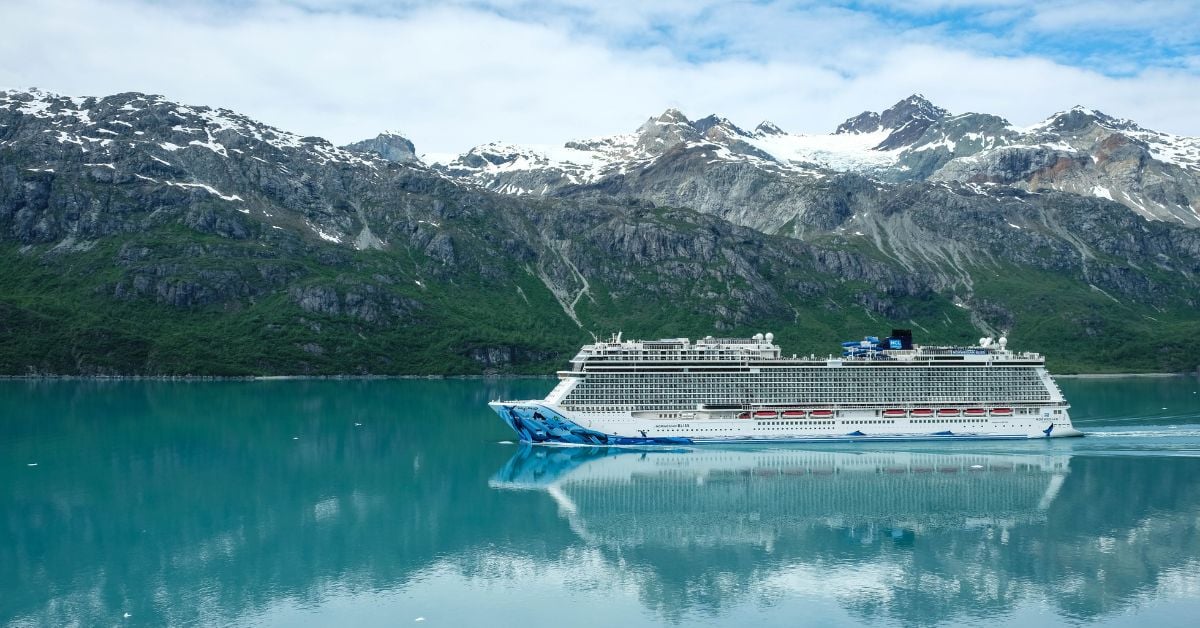
Alaska: Second Endangered Whale Found After Cruise Ship Collision
For the second time this year, a cruise ship has arrived in Alaska with an endangered whale found dead on its bow. This repeated pattern demands more than observation; it calls for integrated data ecosystems that can track ship strikes in real time. Understanding drives protection, and each incident provides empirical evidence we cannot ignore. We are monitoring these developments closely. For deeper context on maritime infrastructure shifts, see our coverage of Alaska's Base Kodiak to Gain Enhanced Arctic Capabilities with New Pier.

Rising Porpoise Sounds Signal Baltic Sea Population Shift
Acoustic monitoring has detected a measurable rise in porpoise vocalizations across the Baltic, signaling a population shift we cannot ignore. These calibrated, real-time data points offer empirical evidence of changing marine behavior, a clear climate indicator demanding our attention. Understanding drives protection. For deeper context on how such ocean intelligence informs career pathways in marine science, see our related piece, "Navigating a Marine Studies BA: Pathways to a Marine Biology Career."
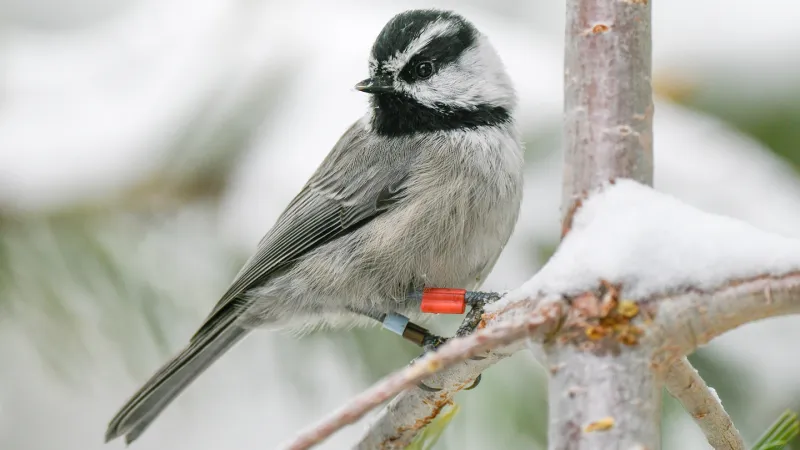
Cognitive Resilience: Smarter Chickadees Thrive Through Winter and Age.
A chickadee's cognitive edge persists into old age, and that resilience translates directly to survival and reproductive success. Wild birds with sharper problem-solving skills maintained their mental acuity through senescence, produced more offspring, and hosted healthier gut microbiomes. This is empirical evidence that intelligence is not merely a youthful advantage but a measurable, lifelong asset. Understanding drives protection. For deeper coverage on environmental intelligence, see our related report on "Cascadia and San Andreas: Evidence Suggests Sequential Earthquake Risk."
Southeast Florida Waters Yield Unexpected Fish Species Observations.
Routine surveys off Southeast Florida were expected to confirm known species, yet these waters delivered observations that defy existing distribution models. The findings suggest our understanding of regional marine life remains incomplete, and that is precisely why sustained monitoring matters. Observations like these are not anomalies to dismiss but empirical signals to investigate. They remind us that ocean intelligence grows through calibrated, real-time data collection, not assumption.

Unusual Crustacean Spotted: Could This Be a Decorator Crab?
A pair of unusual crustaceans spotted on pier posts in Friday Harbor, WA, has prompted a fellow observer to wonder if they're looking at decorator crabs. The iNaturalist suggestion is plausible, though the user notes these specimens don't quite match familiar photos of that species. That's the value of citizen science: a blurry screen grab still opens a door.

Unidentified Specimen Found in Pensacola: Seeking Ocean Intelligence Insights
A single specimen washed ashore in Pensacola has sparked curiosity, and for good reason. The unidentified find, shared by a snorkeler seeking answers, underscores how much remains unknown in our coastal zones. Observations like this are not isolated incidents; they are data points. This is where citizen observations meet scientific inquiry. For those looking to understand how such discoveries fit into broader patterns of marine distribution, our related coverage in "Unexpected Chiton Discovery in Puerto Rico Challenges Species Distribution Models" offers valuable context.

Investigating Unusual Eye Discoloration in Sea Lions: A Data-Driven Inquiry
Unusual eye discoloration in sea lions is rarely documented, yet this inquiry treats the anomaly as a data point rather than a curiosity. That is the right approach. By framing the observation within a structured, evidence-driven investigation, the work aligns with the kind of ocean intelligence that turns anecdote into measurable insight. It is a reminder that even subtle biological signals carry weight. For readers tracking similar patterns, our related piece on an unidentified specimen in Oahu waters offers another thread worth pulling.

Unusual Cartilage Discovery on Block Island Sparks Scientific Inquiry
A beachcomber's discovery inside Block Island's Great Salt Pond has turned up something unexpected: an object composed entirely of cartilage. The find, submitted to our community, raises more questions than answers. It is a reminder that even familiar shorelines can yield puzzles worth examining. We are not alarmed; we are intrigued. Such anomalies invite careful observation. For context on how marine environments shift over time, readers may find our piece on Atlantic Circulation Weakens valuable.

Unidentified Marine Specimen Discovered in Croatian Waters – Seeking Expert ID.
A single specimen has surfaced in Croatian waters with no clear match in existing records, and the community is asking for help. This is the kind of observation that matters, not because it is dramatic, but because it is measurable. A submitted photo and location data give us a starting point, but identification requires the right eyes. For those tracking similar patterns, the recent report of an unexpected chiton discovery in Puerto Rico challenges species distribution models. Every verified sighting sharpens the picture.

Mysterious Remains Wash Ashore in Lewis Bay: Can You Identify It?
A single bone fragment on a gusty September shoreline can raise more questions than answers. When the remains are unrecognizable, the instinct to identify them is both practical and primal. This Lewis Bay discovery, submitted by a curious beachcomber, is a reminder that ocean intelligence begins with observation. We cannot validate what we cannot first see. Identifying a specimen is the first step toward understanding its role in the ecosystem.