extinction
World Data Ocean keeps extinction in one place: 6 stories so far. The section currently leads with “Western Atlantic corals face a critical test of resilience against rising heat”, “Fossilized Poop Reveals Feathered Dinosaur Traits Linked to Survival”, and “Rapid Atmospheric Heating: Asteroid Dust’s Role in Dinosaur Extinction”. Western Atlantic corals are facing a critical test of resilience. A rare fossilized coprolite is reshaping how we read survival in the Cretaceous. A Global Hub for Ocean Intelligence 4 World Data Ocean is a centralized digital platform where researchers, scientists, and ocean enthusiasts converge to… The list below is every extinction story on World Data Ocean, newest first.
Western Atlantic corals face a critical test of resilience against rising heat
Western Atlantic corals are facing a critical test of resilience. Ever more frequent heat waves and resulting bleaching threaten extinction unless these ecosystems can adapt rapidly. The region's unique geography and long history of pollution have made corals especially vulnerable. Yet evidence shows thermal resilience is increasing through symbiont shuffling and natural selection. Assisted reproduction can accelerate this progress. These promising signs will come to nothing unless overexploitation and pollution are severely reduced.

Fossilized Poop Reveals Feathered Dinosaur Traits Linked to Survival
A rare fossilized coprolite is reshaping how we read survival in the Cretaceous. The specimen hints that feather differences among early birds were not just aesthetic but functional, tied directly to which lineages endured the asteroid impact. It is a quiet but compelling clue, one that turns a familiar extinction narrative toward smaller, more specific biological drivers. For broader context on ancient catastrophes, our coverage of the *Ancient Impact Crater, 390 Million Years Old, Identified in Quebec* offers a deeper look at Earth's violent history.
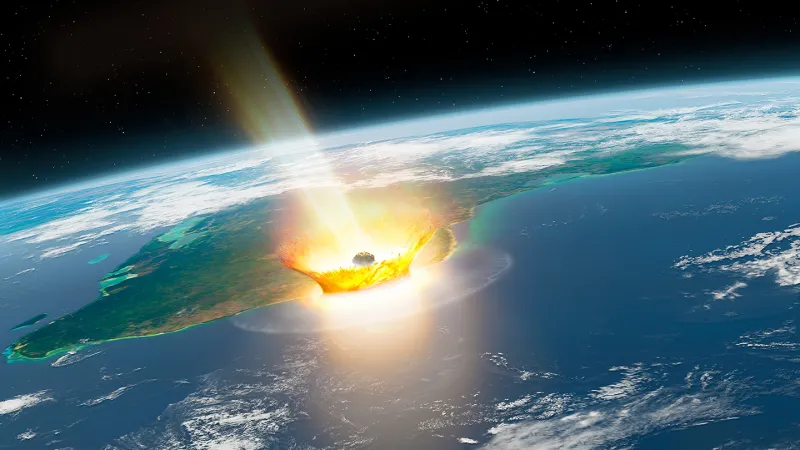
Rapid Atmospheric Heating: Asteroid Dust’s Role in Dinosaur Extinction
Within minutes of impact, debris began heating Earth's atmosphere, and fine dust trapped that heat. The result was a rapid, lethal spike in global temperatures. This mechanism, not the blast alone, may have killed the dinosaurs quickly. It is a stark reminder that extinction can arrive with terrifying speed. For a broader view of how Earth's systems respond to sudden change, see our coverage of the Cascadia Subduction Zone's fragmented tectonic process.
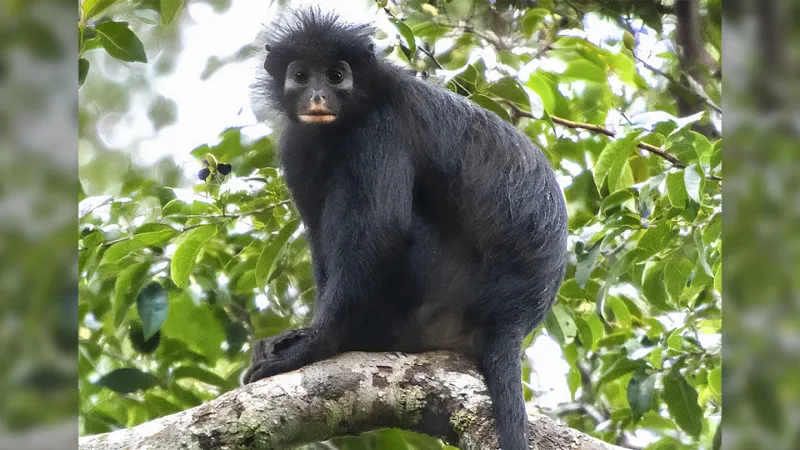
New Primate Species Discovered in Congo, Facing Potential Extinction.
A single canopy call and a partial photo were enough to signal something unknown in the Congolese treetops. DNA confirmed it: a new primate species, already facing potential extinction. Discovery at this stage is a race against time, not just a moment of celebration. The finding underscores how much remains unmapped in our natural world. For those tracking biodiversity loss, this is a sobering reminder of what is at stake.

Climate Change Accelerates Invasive Species Threat to Ocean Ecosystems
Rising ocean temperatures are rewriting the rules of marine life, and not in ways we can afford to ignore. As climate change shifts habitable zones, invasive species are finding new footholds in ecosystems already stressed by warming waters. This is not a distant problem; it is an accelerating, measurable threat to biodiversity and coastal economies alike. The data is clear: we must integrate these patterns into our ocean intelligence now.

Ancient DNA Reveals Prehistoric Koala Population Bottleneck
A population collapse that predates human arrival has quietly shaped every koala alive today. By calculating the koala's mutation rate for the first time and sequencing hundreds of genomes, researchers traced the species back to a small group that endured extreme climate shifts roughly 100,000 years ago. That survival story is a measurable lesson in resilience. For more on how environmental pressures echo through time, see our related piece on fossilized dinosaur feathers and survival traits.