taxonomy
24 stories filed under taxonomy on World Data Ocean. The newest of them: “A browser game turns seahorse species identification into a citizen science tool”, “New genetic tools clarify Arctic ice rotifer taxonomy and ecological roles”, and “Unexpected Chiton Discovery in Puerto Rico Challenges Species Distribution Models”. A browser game that turns seahorse species identification into citizen science is exactly the kind of accessible, purpose-driven tool ocean stewardship needs. Four novel genetic lineages of the rotifer genus *Synchaeta* have been identified from Arctic sea ice, clarifying a long-standing taxonomic blind spot. A Global Hub for Ocean Intelligence 4 World Data Ocean is a centralized digital platform where researchers, scientists, and ocean enthusiasts converge to… The list below is every taxonomy story on World Data Ocean, newest first.
A browser game turns seahorse species identification into a citizen science tool
A browser game that turns seahorse species identification into citizen science is exactly the kind of accessible, purpose-driven tool ocean stewardship needs. The creator, visiting the Aquarium of the Pacific, recognized how little even an engaged observer knows about distinguishing species. That honest starting point led to a calibrated, interactive resource. It is refreshingly transparent about the challenge, many seahorses still look alike to an untrained eye. Feedback is genuinely welcomed.

New genetic tools clarify Arctic ice rotifer taxonomy and ecological roles
Four novel genetic lineages of the rotifer genus *Synchaeta* have been identified from Arctic sea ice, clarifying a long-standing taxonomic blind spot. These microscopic grazers, collected from the Barents Sea and Central Arctic, were previously identifiable only to phylum level. Morphological clues tentatively link the new lineages to known ice-associated species. Integrative molecular and morphological work is essential here, reference databases remain incomplete. This precision matters for understanding sympagic food webs.

Unexpected Chiton Discovery in Puerto Rico Challenges Species Distribution Models
A chiton thought to be a snakeskin species has surfaced in Puerto Rico, yet that species was never documented in Caribbean or Atlantic waters. The discovery challenges the reliability of species distribution models that underpin much of our ocean intelligence. This is not a minor range extension, it is a signal that empirical data must catch up with predictive frameworks. Understanding drives protection, and this finding reminds us that validated, real-world observation remains the anchor of credible marine science.

Unidentified Specimen Found in Oahu Waters Sparks Ocean Data Inquiry
A single unidentified specimen recovered from Oahu waters has prompted a new round of data collection, a reminder that our ocean intelligence still holds gaps. The find is a useful nudge toward empirical rigor: when a species defies easy classification, the response should be calibrated observation, not speculation. We track climate indicators and integrated systems, yet the shoreline still surprises us.
Exploring Plankton Science: Accessible Research for Curious Ocean Observers
A two-year fondness for plankton, sparked by picture books and a saved-for net, is exactly how meaningful ocean observation begins. This researcher's request for accessible depth, rather than just surface-level facts, reflects a genuine curiosity that we share. It is a reminder that scientific literacy grows through patient, specific questions. For those ready to move beyond identification guides, we recommend exploring related coverage on species distribution, such as the unexpected chiton discovery challenging current models, to see how amateur observations can align with empirical inquiry.
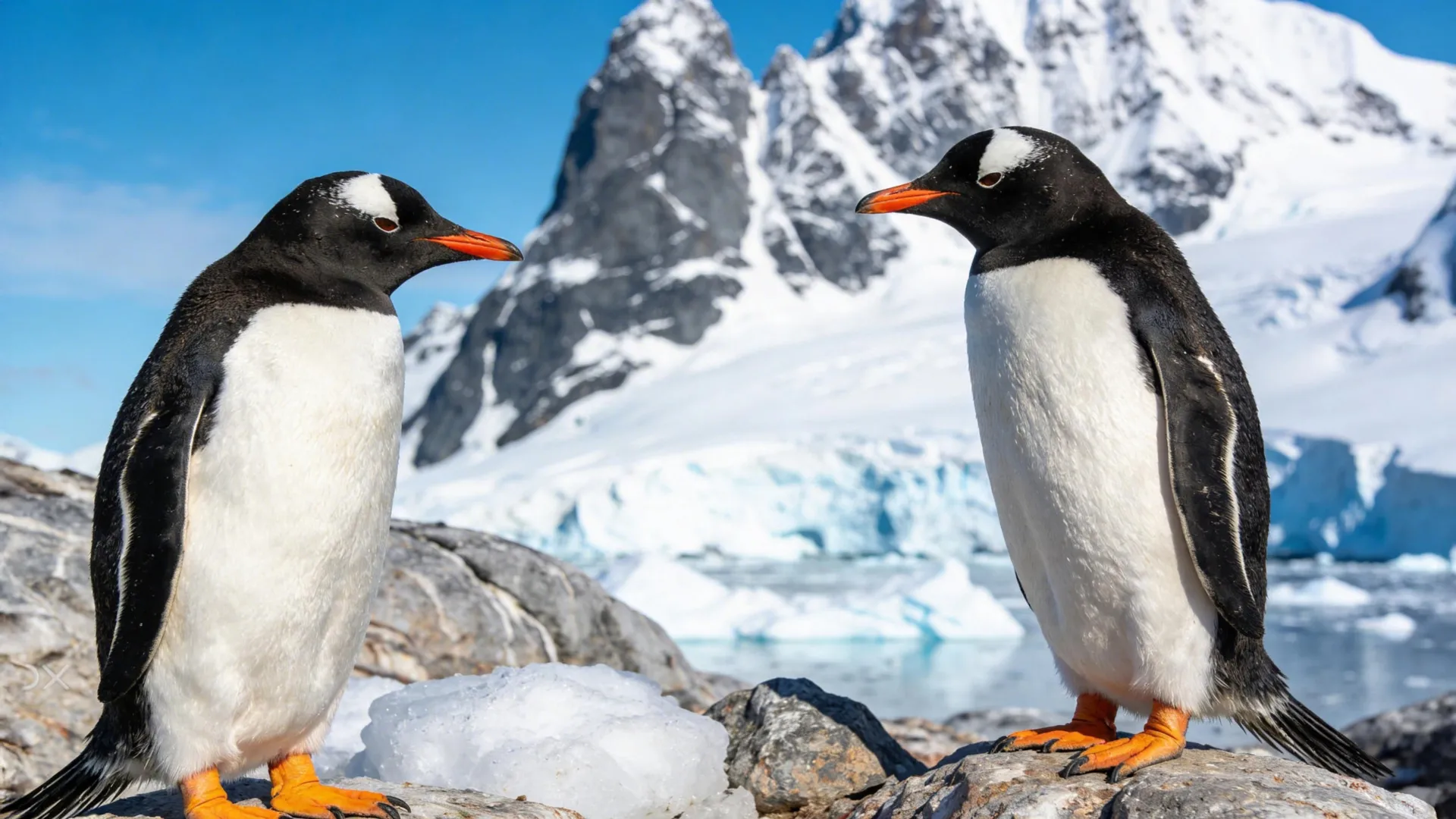
Genetic Data Reveals Four Gentoo Penguin Species, Highlighting Climate Threat
Genetic evidence has revealed that gentoo penguins are not one species but four, with a previously unknown population identified on the remote Kerguelen Islands. It is a reminder that biodiversity often hides in plain sight, even among well-studied animals. Yet the discovery carries an urgent warning: warming oceans could strip several island habitats by 2050. Understanding these distinctions is the first step toward protecting them.
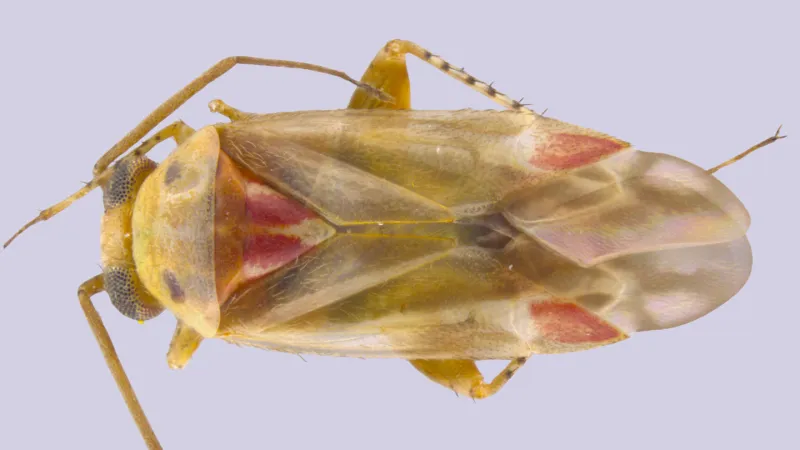
Swiftiephylus: New Australian Bugs Honor Taylor Swift’s Legacy
Four newly described species of Australian plant bug now carry Taylor Swift's name, a fitting tribute from science to an artist who turns precise observation into narrative. The discovery, published through peer-reviewed taxonomy, reminds us that naming is more than ceremony; it is a form of public engagement. While the ocean often dominates our coverage, as seen in our related piece on the unexpected chiton discovery in Puerto Rico, this land-based find proves that biodiversity's stories remain everywhere.
Streamlining Specimen Data: New R Package Boosts Research Accuracy
Nearly 180,000 specimen records entered the workflow. Fewer than 6,000 emerged, validated and refined. That gap is the point. The new R package datamuseum tackles the messy, essential work of cleaning biological data through a recursive taxonomic backbone linked to GBIF and ITIS, paired with spatial utilities and step-by-step outputs. It is built for accessibility, not just authority. This kind of tooling matters when data gaps persist, as our coverage of citizen science integration for ocean intelligence reminds us. Precision is a collaborative act.
Coastal Discovery: Identifying a Unique Worm Species from Istria.
A single worm, pulled from the waters off Istria, has turned out to be a species new to science. The discovery, shared by a Reddit user, is a sharp reminder that our ocean intelligence is still incomplete. Identifying a unique worm this way is a win for community-driven observation, and it underscores the value of integrated data ecosystems.
Oarfish Cuisine: Unraveling the Diet of a Deep-Sea Giant
A deep-sea giant with a diet that remains stubbornly out of focus, the oarfish presents a unique challenge for your ceramic work. While squid are indeed part of their menu, pinning down a single species is rare, as their feeding is opportunistic rather than specialized. You can confidently sculpt a squid without locking onto a precise genus.

Hawaii Nudibranch Identification: Community Collaboration for Ocean Intelligence
A single photograph from a friend in Hawaii, and a few careful questions about its appearance, narrowed the search to a nudibranch. That is how ocean intelligence often begins: not with a lab, but with curiosity and a willingness to ask. Community-led identifications like this one build a shared foundation for understanding marine biodiversity. It is a small, precise step toward the larger goal of documenting what lives beneath the surface.

Identifying Tropical Sea Stars: A Guide for Aquariums and Beyond
Identifying tropical sea stars by sight alone is a familiar frustration, and the gap between "easy" Chocolate Chips and a generic "Cushion" label is wider than most guides admit. You are right to question the Caribbean assumption; many Indo-Pacific species masquerade under that common name. Validated identification requires looking past color to plate arrangement and pore patterns. For a broader maritime context, our piece on China's new nuclear carrier shows how ocean intelligence extends beyond biology into strategic operations.

Tasmanian Intertidal Mystery: Seeking Identification of Unusual Marine Growth
A single find in a northern Tasmanian tide pool can raise questions that reach far beyond the shoreline. A user on our platform has asked for help identifying an unusual marine growth from the Don Reserve in Devonport, caught between sponge and algae. That moment of uncertainty is where ocean intelligence begins. We encourage the community to examine the images closely; the answer may be a familiar species in an unfamiliar form.

Philippine Shell Mystery: Identifying a Unique Ocean Treasure
A single shell, carried from Philippine shores to an unknown origin, has sparked a familiar confusion. The distinction between a volute and a conch is more than a label; it is a matter of structural nuance. For this gift, the answer lies in the shell's spire and aperture. Such identification challenges are common, and our related piece on unexpected discoveries, "Unexpected Chiton Discovery in Puerto Rico Challenges Species Distribution Models," highlights how easily marine specimens defy our assumptions. The ocean's taxonomy rewards patience.

Seeking Identification: Mystery Sculpin Spotted Near Ketchikan, Alaska
A mystery sculpin has surfaced near Ketchikan, Alaska, and the sighting is worth a closer look. Submitted by /u/Competitive-Ad750, this identification request turns a single observation into a moment of shared inquiry. We treat such reports as data points, small but measurable contributions to a larger picture of nearshore biodiversity. For context on how Alaska's marine systems are shifting, readers may also explore our piece on Cascadia's Subduction Zone Reveals a Fragmented Tectonic Process. Every record helps calibrate what we know.

Unexpected Mole Crab Discovery on Croatian Island Highlights Coastal Biodiversity
A slow-burn identification process turned a puzzling specimen into a compelling case for coastal biodiversity. Researchers on a Croatian island eventually confirmed the find as a mole crab, a discovery that underscores how much the nearshore still has to teach us. It took patience to place, but the payoff is a reminder that taxonomy rewards persistence. For another example of unexpected distribution, our piece on the chiton discovery in Puerto Rico offers a similar puzzle worth exploring.

Differentiating Dorids: Oregon Coast Sea Slug Identification Challenge
A 2- to 3-inch Heath's or Monterey dorid is a fair identification puzzle, and the confusion is understandable given how closely these species mirror one another. The range of smaller sizes observed that day adds useful context, though it doesn't settle the matter on its own. For those chasing ocean intelligence, such field distinctions matter.

Mysterious Shells Wash Ashore in Providence, MA – What Species Do They Hide?
A cluster of shells on a Providence beach raises a straightforward question: what species are we looking at? For a coastal community, this is more than a casual find. It is a chance to turn curiosity into observation, to test identification skills against the empirical evidence scattered in the intertidal zone. The mystery invites patience, not speculation.

Croatia Shell Mystery: Identifying a Coastal Find and Its Potential.
A shell found in Croatia raises a familiar question: is it a common edible species or something rarer? The request is straightforward, yet the answer requires careful observation. We appreciate this kind of curiosity because identifying a coastal find is the first step toward understanding its role in the ecosystem.
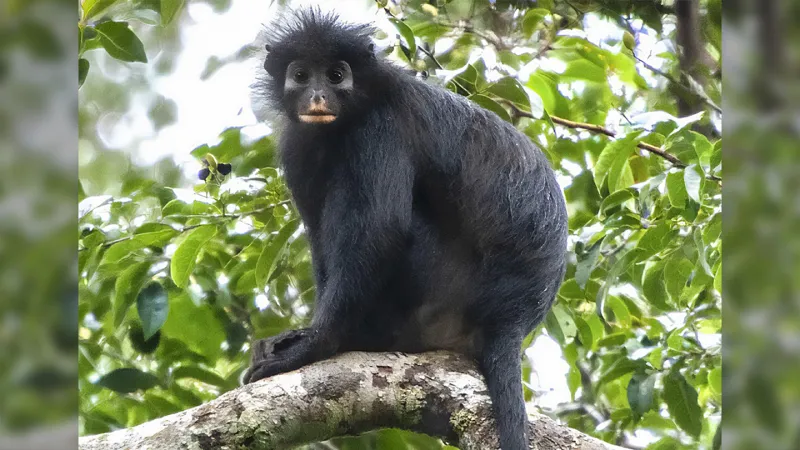
New Primate Species Discovered in Congo, Facing Potential Extinction.
A single canopy call and a partial photo were enough to signal something unknown in the Congolese treetops. DNA confirmed it: a new primate species, already facing potential extinction. Discovery at this stage is a race against time, not just a moment of celebration. The finding underscores how much remains unmapped in our natural world. For those tracking biodiversity loss, this is a sobering reminder of what is at stake.

Unidentified Specimen Found in Cook Islands Sparks Ocean Data Inquiry
A single specimen, unidentified and lifeless, has surfaced in the Cook Islands, prompting a wave of curiosity that is exactly where inquiry should begin. The observer mused it resembled a Spanish Dancer nudibranch, though uncertainty rightly tempers that guess; even the possibility of a rare four-legged sea star nearby adds to the puzzle. Such observations fuel the integrated data ecosystem. For those tracking similar mysteries, our related piece, "Unexpected Chiton Discovery in Puerto Rico Challenges Species Distribution Models," offers parallel context worth exploring.

Orca Ecotypes: Species Distinction or Genetic Nuance?
The classification of orca ecotypes hinges on genetic and behavioral evidence, yet the line between species and nuance remains contested. A forest ecologist's skepticism about interbreeding assumptions and the weight placed on learned behavior raises valid questions. Intelligence complicates taxonomy; diverse actions do not always signal reproductive isolation. While publish-or-perish pressures may incentivize reclassification, the genetic data, though incomplete, points to real divergence. We should demand rigorous, peer-reviewed validation before dismissing or embracing species status.

A Tiny Ghost Pipefish: New Species Echoes Sesame Street's Snuffleupagus
A tiny new species of ghost pipefish has surfaced, and its resemblance to Sesame Street's Snuffleupagus is as charming as it is scientifically intriguing. The discovery reminds us that ocean intelligence still holds countless surprises, even in well-trodden waters. While this find is a delight, it also underscores the need for validated, peer-reviewed cataloging of marine life.

Mysterious Vertebrae Found: Fish or Harbor Porpoise? Ocean Data Sought.
A single vertebra, small enough to fit in a palm, has sparked a quiet taxonomic puzzle. The finder's initial photo search suggested a large bony fish, yet a closer look hints at something warmer-blooded. Their theory of a harbor porpoise is reasonable, though the match remains imperfect. We appreciate the call for open data; this is exactly how community observations refine our understanding. For those tracking similar marine mysteries, our piece on the Port Phillip Bay structure offers a useful comparison.