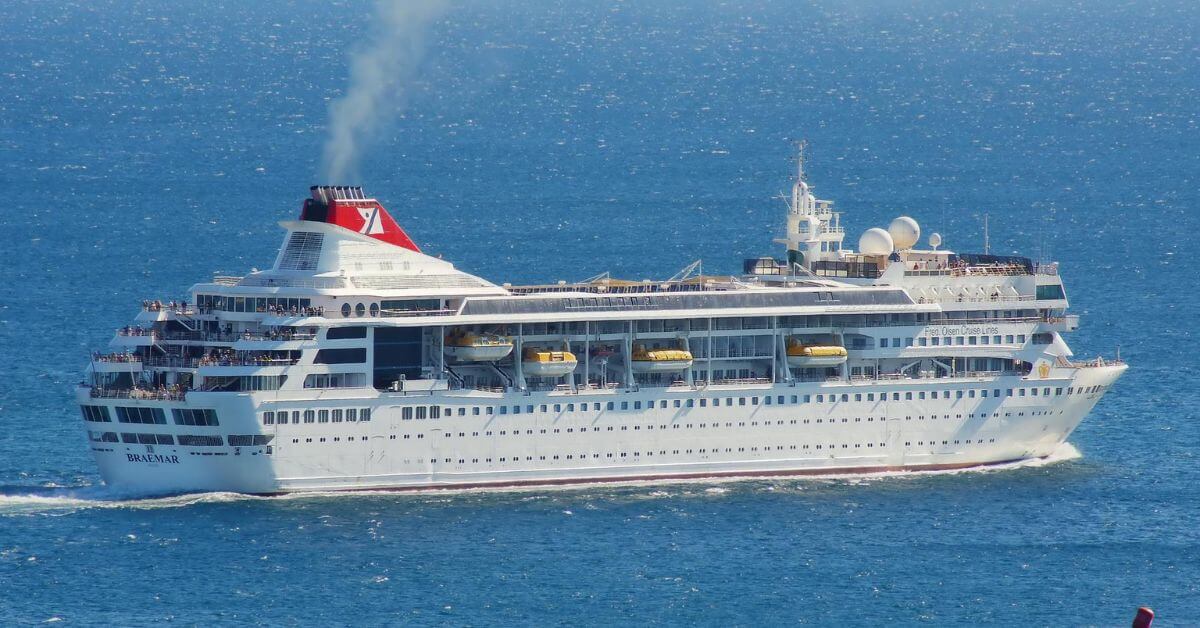
A 344% fuel cost increase is not a market fluctuation; it is a structural shock that exposes the fragility of business models built on stable energy assumptions. The suspension of Villa Vie Odyssey's residential cruise service in Cambodia is a direct consequence of the Strait of Hormuz closure, an event our coverage has tracked closely in Geopolitical Tensions in the Strait of Hormuz Draw Scrutiny on Maritime Sub-Chartering Networks. When a single chokepoint can push monthly fuel costs per cabin from $1,800 to as much as $8,000, the entire premise of long-term ocean residency, a fixed-price commitment to a floating home, collapses. This is not an isolated operational failure; it is a calibrated warning about how integrated global systems, from energy supply chains to ocean transit, amplify risk when geopolitical friction escalates.
The company's response, slowing itineraries, spending more time in port, and ultimately placing the vessel in temporary layup, reflects a reality that every maritime operator must now confront. Fuel is not a variable cost you can hedge away when a strait closes. Villa Vie Residences sold cabins for $119,999 to $439,999 on the promise of continuous global travel, but that promise depended on energy routes that empirical data now show are vulnerable. The French Navy's recent interception of a ballistic missile near a minehunter in the Bab el-Mandeb Strait, as reported in French Frigate Intercepts Ballistic Missile Near Allied Minehunter in Strategic Strait, underscores that this vulnerability is not theoretical. It is measurable, real-time, and already shaping operational decisions from the Red Sea to the South China Sea.
For the ocean intelligence community, this story is more than a cautionary tale about cruise economics. It is a data point in a larger pattern: the intersection of climate indicators, energy security, and maritime logistics is tightening. The Villa Vie Odyssey, built in 1993 and delayed nearly five months before even starting service, represents a legacy fleet that lacks the fuel efficiency and adaptive capacity that modern vessels require. The company's plan to launch a second ship in 2029 now faces a fundamentally different risk environment than the one in which it was conceived. Our readership, researchers, policymakers, and ocean professionals, should treat this as a validated case study in the fragility of long-duration ocean operations. The takeaway is specific: any business model that assumes stable fuel costs in volatile straits is not resilient; it is speculative.
The immediate question is whether Villa Vie Residences can restructure within 60 days, or whether the 509 cabins become a permanent monument to the cost of ignoring integrated geopolitical risk. Residents were asked to leave by 2 p.m. on the day of the announcement. That timeline, hours, not weeks, is the concrete consequence of a 344% cost surge. Watch whether the company secures financing or whether the ship enters a prolonged layup that forces a broader reckoning for residential cruising as a sector. The ocean does not offer escape from geopolitics; it is where geopolitics arrives first.