ocean data
ocean data on World Data Ocean: a running collection of 376 stories we have gathered and hand-picked because they are worth your time. Every post here touches on ocean data in some way — the news, the analysis, the deep dives, and the occasional surprise find. A Global Hub for Ocean Intelligence 4 World Data Ocean is a centralized digital platform where researchers, scientists, and ocean enthusiasts converge to explore, analyze, and… New stories are added to this page as we find them, so check back if you want to keep up with what is happening around ocean data, or subscribe to the RSS feed to get them as soon as they are published. Browse the collection below, or head back to the homepage to see everything World Data Ocean is covering right now.

China says 'world's first' offshore wind-powered underwater data center has entered full operation, houses 2,000 servers — 24 megawatt subsea AI facility uses ocean water for passive cooling and offshore wind for power - Tom's Hardware
China has announced the full operation of the world’s first offshore wind-powered underwater data center, a groundbreaking facility housing 2,000 servers and generating 24 megawatts of power. Utilizing ocean water for passive cooling, this innovative subsea AI center exemplifies the potential of renewable energy in technology. As the world increasingly turns to sustainable solutions, this development marks a significant advancement in both data management and environmental stewardship. For further insights into climate phenomena impacting our oceans, explore our article on the upcoming Super El Niño.

Large model-driven China-ASEAN mangrove protection and sustainable development framework: a case study of Guangxi, China
Mangrove ecosystems are increasingly threatened by climate change and human activity, necessitating innovative protection strategies. This study presents a large, model-driven framework for mangrove protection and sustainable development in the China-ASEAN region, focusing on Guangxi as a case study. By integrating literature review, case studies, and policy simulation, it proposes a collaborative “Perception-Decision-Execution” architecture to enhance ecosystem recovery and community economic benefits. These insights contribute to advancing bilateral marine cooperation and achieving the UN Sustainable Development Goals, particularly “Life Below Water” (SDG 14).

Greece Urges EU To Intervene Over Unlawful Turkish Fishing In Strategic Aegean Waters
Greece has formally urged the European Union to intervene regarding unlawful Turkish fishing activities in the strategically important Aegean waters. This pressing issue was highlighted during a meeting in Athens between Greek Shipping and Island Policy Minister Vasilis Kikilias and EU Commissioner. The call for action underscores the need for robust maritime governance in light of increasing tensions in the region, reflecting broader concerns about sustainable fishing practices.

China’s AI-Controlled USVs Could Strengthen Maritime Surveillance In Disputed Waters
China's development of AI-controlled unmanned surface vehicles (USVs) could significantly enhance maritime surveillance in the contentious waters of the South China Sea, a vital global shipping route that facilitates approximately $3 trillion in trade annually. This technological advancement comes amid rising tensions in the region, where strategic interests clash. For further insights on maritime operations, see our article, "Supertanker Carrying Iraqi Crude To Vietnam Resumes Voyage After US Navy Hold-Up Near Hormuz," which highlights the complexities of maritime security.

Ancient lost ocean may have built Central Asia’s dinosaur-era mountains
Scientists have unveiled compelling evidence that the ancient Tethys Ocean played a significant role in shaping Central Asia’s mountainous terrain during the dinosaur era. Analyzing decades of geological data, researchers discovered that tectonic activity linked to this vanished ocean coincided with periods of rapid mountain formation, while climate and mantle processes contributed less than previously thought. This groundbreaking discovery may alter our understanding of mountain building on a global scale.

Seychelles Sinks Indian-Gifted Anti-Piracy Patrol Vessel PS Topaz After 20 Years Of Service
On May 9, during Seychelles’ 50th Jubilee Independence celebrations, the nation officially retired the PS Topaz, a significant anti-piracy patrol vessel that served for two decades. This vessel, gifted by India, played a crucial role in enhancing maritime security in the region. Its retirement marks a pivotal moment in Seychelles' maritime history as the country reflects on the achievements and challenges faced over the years. For further insights into naval operations, explore our article on the U.S.

World’s First Dual Wind Sails Installed On LNG Carrier At Hanwha Ocean Shipyard
Hanwha Ocean Shipyard has made a significant advancement in maritime technology with the installation of the world’s first dual wind sails on a 174,000-cbm membrane-type LNG carrier, set for delivery in the second half of fiscal year 2026. This innovative approach aims to enhance fuel efficiency and reduce emissions, underscoring the industry's commitment to sustainable practices. For further insights into maritime advancements, explore our coverage on the "U.S Firm Reveals New MANTIS UUV That Can Detect Mines, Conduct Surveys & Map The Seabed."

U.S. Says It Destroyed 90% Of Iran’s Sea Mines Amid Ongoing Strait Of Hormuz Shipping Disruptions
The U.S. Central Command has announced the successful destruction of 90% of Iran's naval mines, a key component of Operation Epic Fury, which involved over 700 airstrikes targeting Iran's mine infrastructure. This decisive action comes amid ongoing shipping disruptions in the strategically vital Strait of Hormuz. As maritime security remains a pressing concern, developments in naval technology are also noteworthy; for instance, a U.S. firm recently unveiled the MANTIS unmanned underwater vehicle, which enhances capabilities in mine detection and seabed mapping.

China Fines CMA CGM, MSC And Hapag-Lloyd Over Freight-Rate Violations At Major Ports
China has imposed fines on shipping giants CMA CGM, MSC, and Hapag-Lloyd for violations related to freight rates at major ports, including Guangzhou, Qingdao, and Ningbo. The inspections, conducted between August and November 2025, revealed discrepancies that prompted regulatory action. This development underscores the importance of compliance in global shipping practices. For further context on maritime security issues, readers may find interest in our article, "Families Demand Rescue Of 10 Pakistani Crew Aboard Oil Tanker Seized By Somali Pirates For Over 23 Days."
Mapping the gaps: Global assessment reveals stark biases in ocean biodiversity data - Phys.org
A recent global assessment has uncovered significant biases in ocean biodiversity data, highlighting critical gaps in our understanding of marine ecosystems. This study emphasizes the need for improved data collection and integration to address these disparities, which can hinder effective ocean conservation efforts. The findings call for a collaborative approach to enhance the accuracy of ocean intelligence. For further insights into technological advancements in marine exploration, explore our article on the new MANTIS UUV, designed for comprehensive seabed mapping and survey missions.
The Ocean Race to collect more data about the environment than any sporting event in the world - The Ocean Race
The Ocean Race is set to become the largest environmental data collection initiative in sporting history, harnessing the power of sailing to gather crucial insights about our oceans. This innovative endeavor will not only showcase the thrill of competitive sailing but also prioritize ocean stewardship by generating real-time data on climate indicators and marine health.
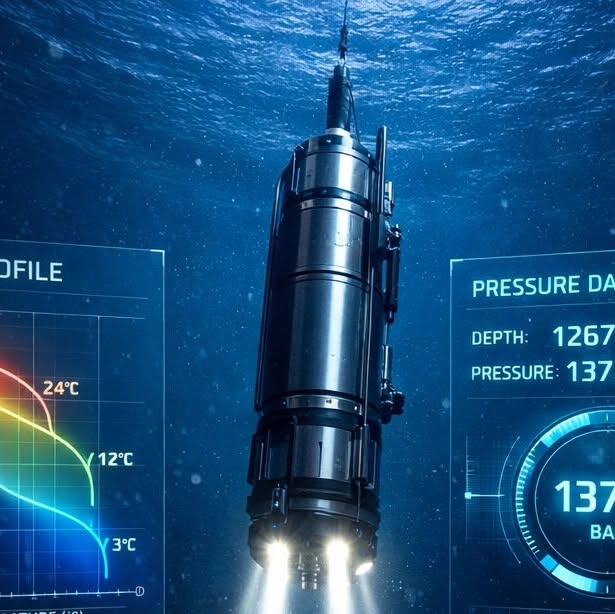
Beneath the waves, the ocean holds a hidden record of our planet’s changing climate. Most of the Earth's excess heat is ...
Beneath the waves, the ocean serves as a crucial record of our planet’s shifting climate. Most of the Earth's excess heat is stored in its depths, making subsurface temperature data vital for understanding global climate models. At World Data Ocean, we democratize access to this critical ocean intelligence, empowering researchers, policymakers, and curious minds alike with validated datasets. Our platforms provide the empirical evidence necessary for effective ocean stewardship.
Genomic insights into population structure and somatic condition in the European sardine
The European sardine is facing a decline in somatic condition and body size, raising concerns about its long-term viability. This study employs a genomic approach to explore the population structure and genetic variability of sardines across six locations in the Atlantic Ocean and Mediterranean Sea. Our findings reveal significant genetic differentiation, particularly between the Atlantic–Alboran group and Mediterranean populations, with implications for conservation. This research underscores the importance of integrating genomic insights with phenotypic data, enhancing the understanding of sardine adaptability and informing management strategies.
Heat content in the top 2,000 meters of the world's oceans - Our World in Data
Heat content in the top 2,000 meters of the world's oceans is a critical indicator of climate change, reflecting the ocean's role in regulating global temperatures. This measure provides valuable insights into the dynamics of marine ecosystems and their response to warming. Understanding ocean heat content is essential for informed climate action and policy-making.
Navigating marine litter governance: loopholes and strategic recommendations for the EU policy framework
Marine litter represents a systemic challenge, deeply intertwined with production, consumption patterns, and waste management practices. The European Union has emerged as a leader in combatting this issue, implementing a comprehensive policy framework that prioritizes circular economy principles and zero pollution goals. However, significant gaps remain between policy intentions and effective implementation, revealing structural weaknesses and operational challenges. This paper offers a critical analysis of relevant EU and international policies, identifying loopholes and providing actionable recommendations for a cohesive approach to marine litter governance.
From local discovery to global insights: deep-sea amphipod diversity in a high-seas marine protected area and its conservation implications
The deep ocean, a realm rich in biodiversity yet poorly understood, faces significant threats from human activities. This study explores the diversity of benthic amphipods within the newly established North Atlantic Current and Evlanov Sea basin (NACES) high-seas marine protected area (MPA). Analyzing 253 amphipod cytochrome c oxidase subunit I sequences, the research reveals unexpectedly high local diversity, with many species likely new to science. These findings highlight the importance of conservation efforts in safeguarding these fragile ecosystems.

U.S. Imposes Fresh Sanctions On Iranian Oil Exports To China Ahead Of Trump-Xi Talks
The U.S. Treasury has announced new sanctions targeting Iranian oil exports to China, specifically aimed at three individuals and nine companies located in Hong Kong, the United Arab Emirates, and Oman. This move comes ahead of anticipated talks between former President Trump and Chinese President Xi, highlighting ongoing tensions in global energy markets.

Massive 2,400-Year-Old Ship Graveyard Discovered In Bay Of Gibraltar
A significant archaeological discovery has emerged in the Bay of Gibraltar, revealing a massive ship graveyard dating back 2,400 years. This site, primarily composed of shipwrecks resting on the seabed, offers invaluable insights into ancient maritime practices and trade routes. As researchers delve into this underwater archive, they uncover stories of the past that shape our understanding of historical navigation. For those interested in maritime security in contemporary waters, explore our article "Trump Considers Reviving ‘Project Freedom’ With Expanded Mission Beyond Strait Of Hormuz Escorts."
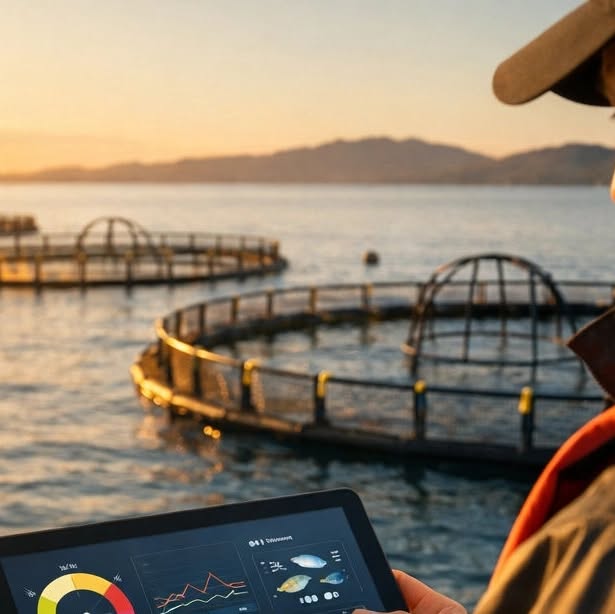
Empowering small-scale fisheries and aquaculture isn’t just about the tools: it’s about the intelligence behind them. At...
Empowering small-scale fisheries and aquaculture transcends mere tools; it hinges on the intelligence that informs their use. At World Data Ocean, we recognize that sustainability and productivity flourish when grounded in empirical data. Through Blue Ocean Data Solutions, we collaborate with small and medium enterprises to integrate real-time monitoring into their operations, providing instant insights into vital metrics like water quality and fish health. This approach not only enhances decision-making but also supports a resilient blue economy.

Rising Ship Traffic Off South Africa Due To Middle East Conflict Increases Risk To Whales, Scientists Say
Recent conflicts in the Middle East have led to a significant increase in ship traffic off the coast of South Africa, raising concerns about the potential risks to local whale populations. Following the hijacking of the British-owned vehicle carrier Galaxy Leader by Houthis near Yemen in November 2023, shipping routes have been rerouted, intensifying maritime activity in sensitive ecological areas. Scientists emphasize the urgency of monitoring this surge in traffic to mitigate its impact on whales and enhance ocean stewardship efforts in the region.

Armed Pirates Board And Hijack Another Dhow Off Somali Coast
Armed pirates have once again targeted a dhow off the Somali coast, marking a troubling resurgence in maritime piracy in the region. The European Union’s Operation ATALANTA is actively investigating the incident, collaborating with regional maritime security authorities and international partners to assess the situation. This ongoing effort underscores the importance of coordinated action in safeguarding maritime routes and ensuring the safety of seafarers. Continued vigilance and cooperation are essential to combat these threats and foster stability in the waters off Somalia.
From simple to sophisticated: characterization of new signals in the expanding vocal repertoire of the East Indian Ocean pygmy blue whale
This study explores the acoustic signaling of East Indian Ocean pygmy blue whales, revealing significant insights into their vocal repertoire. While blue whale communication has typically been associated with loud, low-frequency songs for mating, this research, utilizing a multidecadal dataset from acoustic recorders, identifies four previously undescribed signals. Notably, these signals exhibit patterned sequences similar to song, suggesting a greater complexity in their social communication and cognitive abilities than previously recognized. This work advances our understanding of blue whale social structures and their acoustic behavior.

U.S. Military Strike On Suspected Drug Boat In Eastern Pacific Kills 2, Leaves One Survivor
On May 8, a U.S. military operation led by General Francis L. Donovan resulted in the targeted strike on a suspected drug trafficking vessel in the Eastern Pacific. This action, part of the broader Joint Task Force Southern Spear operations, aimed to disrupt illegal drug activities that threaten regional stability and security. The engagement resulted in the deaths of two individuals on board, while one survivor was rescued. This operation underscores the commitment of U.S. forces to combat drug trafficking and uphold maritime law enforcement.
A coupled phosphorus and carbon cycling mediated by prokaryotic microbes in the deepest trench
In the depths of the Challenger Deep, this study investigates the paradox of high alkaline phosphatase activity (APA) in the presence of sufficient dissolved inorganic phosphorus (DIP). By analyzing dissolved organic phosphorus (DOP) and DIP alongside high-pressure incubation experiments, we reveal two regulatory regimes: extreme APA in phosphorus-depleted surface waters and sustained APA in carbon-limited deep waters.