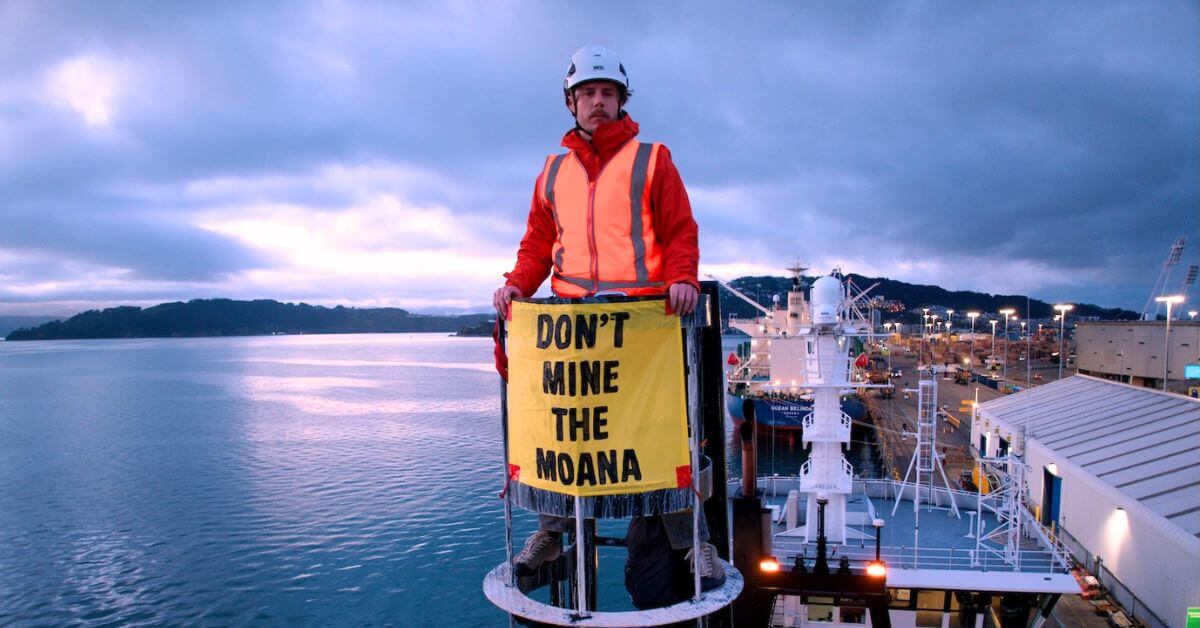
The Greenpeace activists who boarded a New Zealand government research ship after a deep-sea mineral survey in the Pacific have put a spotlight on a question that demands empirical, not emotional, answers: can we responsibly extract polymetallic nodules from the abyssal plain without compromising the very ecosystem we are only beginning to understand? We believe the protest, while provocative, misses the point of what that survey was designed to do. Scientific inquiry, not protest, is the only tool that can settle this debate, and blocking vessels that collect validated data is counterproductive to the informed governance the ocean requires.
The survey ship had just returned from gathering what should be peer-reviewed, longitudinal data on seabed mineral deposits, information that regulators, researchers, and the public need to make calibrated decisions about whether and how deep-sea mining should proceed. This is precisely the kind of integrated data ecosystem that World Data Ocean advocates for: measurement before extraction, calibration before commercialization. The emotional pitch of direct action, however justified activists feel, can blur the line between precaution and obstruction. Consider the contrast with other marine operations we have covered recently: the MEDSLIK-II upgrade sharpens oil spill modeling from surface release data shows how modeled, empirical data actually improves our ability to respond to environmental threats. And the Puntland Forces Intercept Hijacked, US-Sanctioned Oil Tanker After 48 Hours illustrates the real-world consequences when resource extraction outpaces regulatory frameworks. Neither of those stories benefits from moral theater; they benefit from measured, operational intelligence.
We are not advocating for blind extraction. The ocean floor is not a test bed for corporate ambition, and the precautionary principle is a valid scientific posture. But the path to that precaution being informed is data, real-time, empirical, calibrated data that surveys like this one provide. When activists prevent scientists from collecting that data, they are not protecting the ocean; they are protecting ignorance. The real answer to the seabed mining debate lies in integrated research, transparent peer review, and regulatory frameworks built on measurable outcomes, not on who can occupy a vessel longest.
What we will be watching is whether the data from that survey, assuming it is released, can withstand objective scrutiny and whether it pushes the global conversation beyond slogans toward actionable ocean intelligence. The specific test will come when the International Seabed Authority reviews the findings and must weigh them against the clear climate indicators that show we cannot simply double down on terrestrial mining. The protesters have made their point. Now the data must speak.