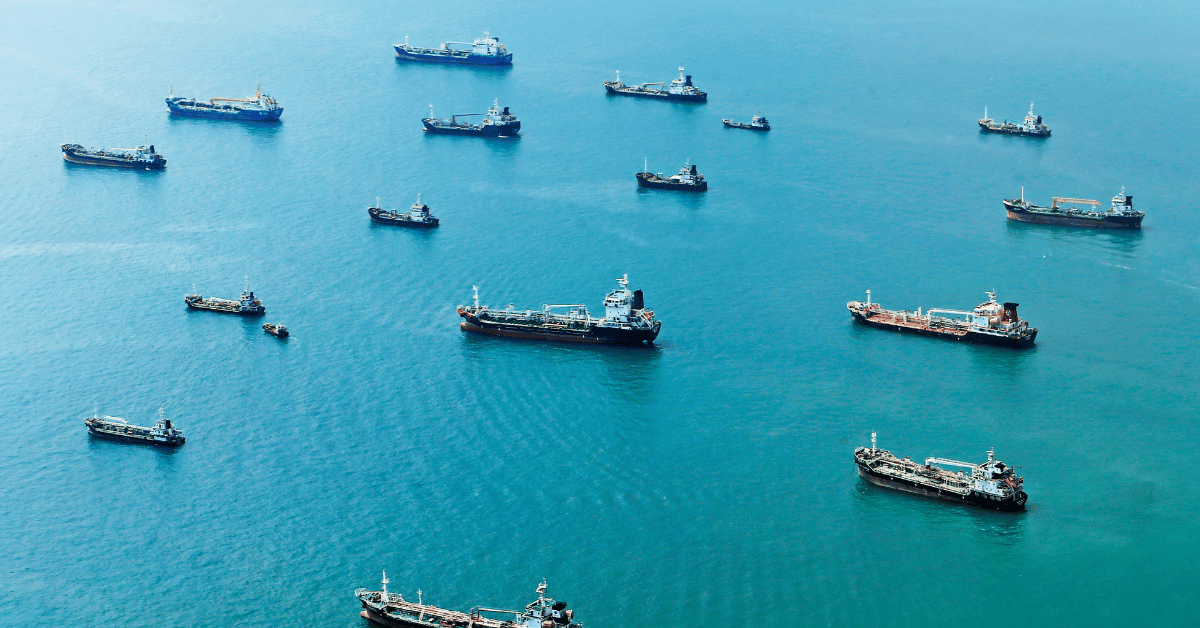
A 5.5% rise in global marine insurance premiums to $42.6 billion in 2025 sounds like growth, but the headline obscures a more complex reality. According to the International Union of Marine Insurance (IUMI), the increase is largely a function of currency fluctuations, not a fundamental strengthening of the market. Beneath the surface, excess capacity and persistent competitive pressure are keeping rates soft, meaning underwriters are taking on more risk for less premium in real terms. This is not a signal of market health; it is a snapshot of a sector caught between rising exposure and the discipline needed to price it accurately.
For our readers, this tension has practical consequences that extend well beyond the insurance boardroom. When premiums fail to reflect true risk, the burden shifts to the insured, but not in the way you might expect. A soft market can feel like a win for shipowners and operators negotiating renewals, yet it carries a hidden cost: the erosion of the very capital base needed to respond to a major claim. This is where the story connects to the broader ocean intelligence ecosystem. As we reported on Integrated Subsea Cables Enhance Data Transmission Across the Indian Ocean, 99% of the world's data flows under the sea, yet the maritime insurance sector often operates on lagging indicators rather than real-time risk assessment. Meanwhile, efforts to bridge data gaps through citizen science, highlighted in Bridging Data Gaps: Integrating Citizen Science for Ocean Intelligence, show how under-observed coastal zones remain a blind spot for both scientists and underwriters. The same lack of empirical, calibrated data that hampers climate modeling is what keeps premiums artificially low in high-risk regions.
This is not an argument for alarmism; it is a case for precision. The marine insurance industry has a unique opportunity to lead by demanding better data, not just better balance sheets. Instead of competing solely on price, forward-thinking underwriters could reward clients who invest in validated, integrated data ecosystems, such as voyage-specific emissions tracking, hull condition monitoring, or the kind of real-time subsea cable telemetry that is now being laid across the Indian Ocean. The tools exist. What is missing is the collective will to move beyond the cycle of soft pricing and capacity gluts.
Our honest take is this: the 5.5% premium increase is a statistical mirage. The real number to watch is not the total premium pool, but the loss ratio trends in the second half of 2025 and into 2026. If a major marine casualty occurs while rates are still soft, the industry will face a stark choice: either raise premiums sharply in a corrective cycle, or finally invest in the longitudinal, peer-reviewed risk models that should have informed pricing all along. For our readers, the takeaway is direct: do not mistake a flat currency tailwind for a hardening market. Ask your insurer how they are using real-time climate indicators and subsea data to price your risk. If they cannot answer, that is a risk in itself, one that no premium discount can offset.