cargo handling
World Data Ocean keeps cargo handling in one place: 12 stories so far. The section currently leads with “Paradip Port Designated a Mega Port, Anchors Eastern India's Maritime Growth”, “Ammonia Bunkering Vessel Design Receives Approval, Advancing Sustainable Maritime Fuels”, and “Ammonia Bunkering Vessel Launches, Advancing Sustainable Maritime Fuel Transition”. Paradip Port's designation as a "Mega Port" under the Indian Ports Act, 2025, is a decisive step for Eastern India's maritime ambitions. HD Hyundai's shipbuilding arms have secured ABS approval in principle for an ammonia bunkering vessel design, a concrete step toward commercialising a fuel critical to maritime decarbonisation. A Global Hub for Ocean Intelligence 4 World Data Ocean is a centralized digital platform where researchers, scientists, and ocean enthusiasts converge to… The list below is every cargo handling story on World Data Ocean, newest first.
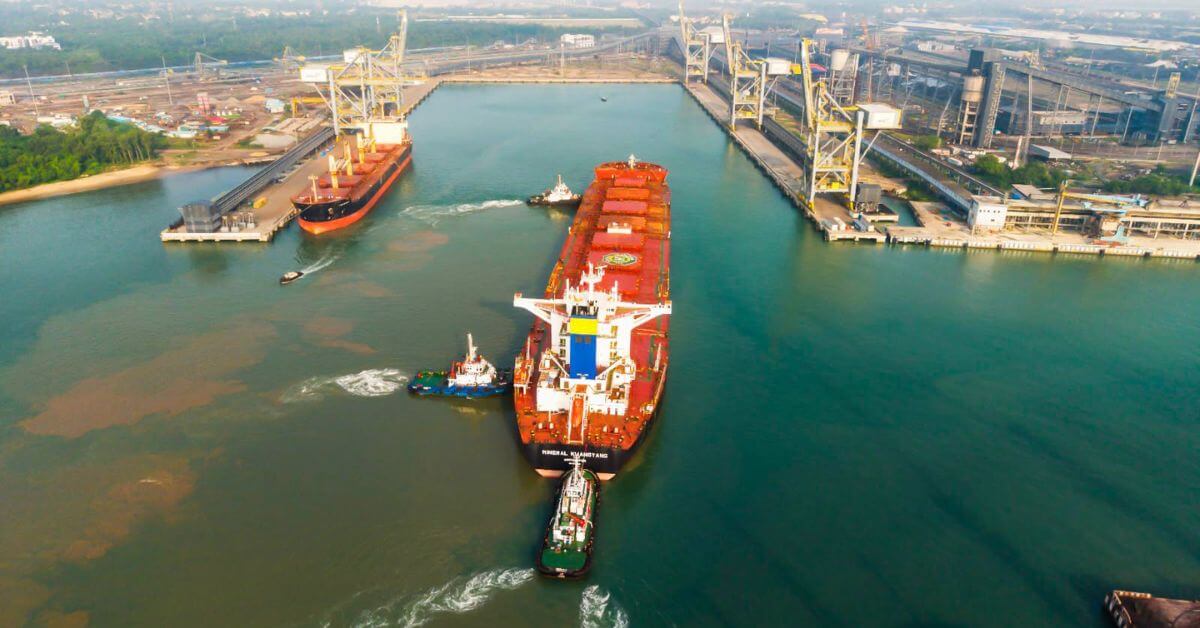
Paradip Port Designated a Mega Port, Anchors Eastern India's Maritime Growth
Paradip Port's designation as a "Mega Port" under the Indian Ports Act, 2025, is a decisive step for Eastern India's maritime ambitions. It stands alone on the eastern coast with this status, a distinction that carries weight beyond nomenclature. This is validated progress, measured in infrastructure and trade potential. The region's growth depends on such calibrated investments. For broader context on global port developments, our coverage of Alaska's Base Kodiak pier project offers a useful contrast in strategic capability building.
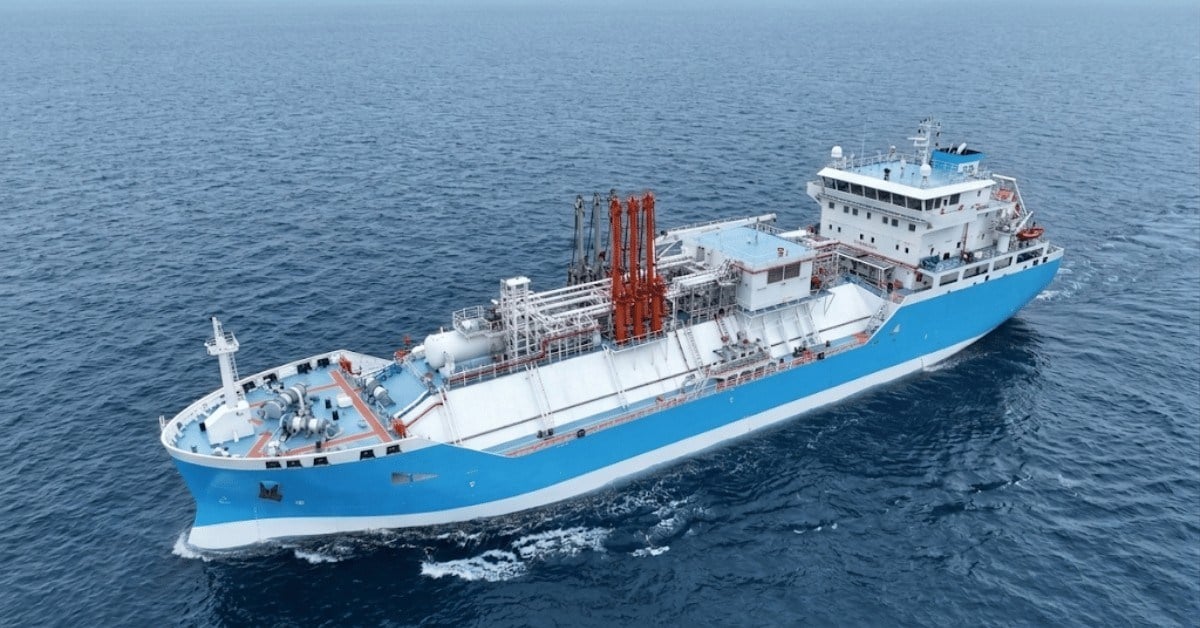
Ammonia Bunkering Vessel Design Receives Approval, Advancing Sustainable Maritime Fuels
HD Hyundai's shipbuilding arms have secured ABS approval in principle for an ammonia bunkering vessel design, a concrete step toward commercialising a fuel critical to maritime decarbonisation. The classification validates the integrated approach behind the design, moving ammonia from theoretical promise toward operational reality. This is how ocean intelligence translates into practical infrastructure. For broader context on the sector's risks, our report on the fatal attack near Oman underscores the security dimension shaping today's shipping routes.
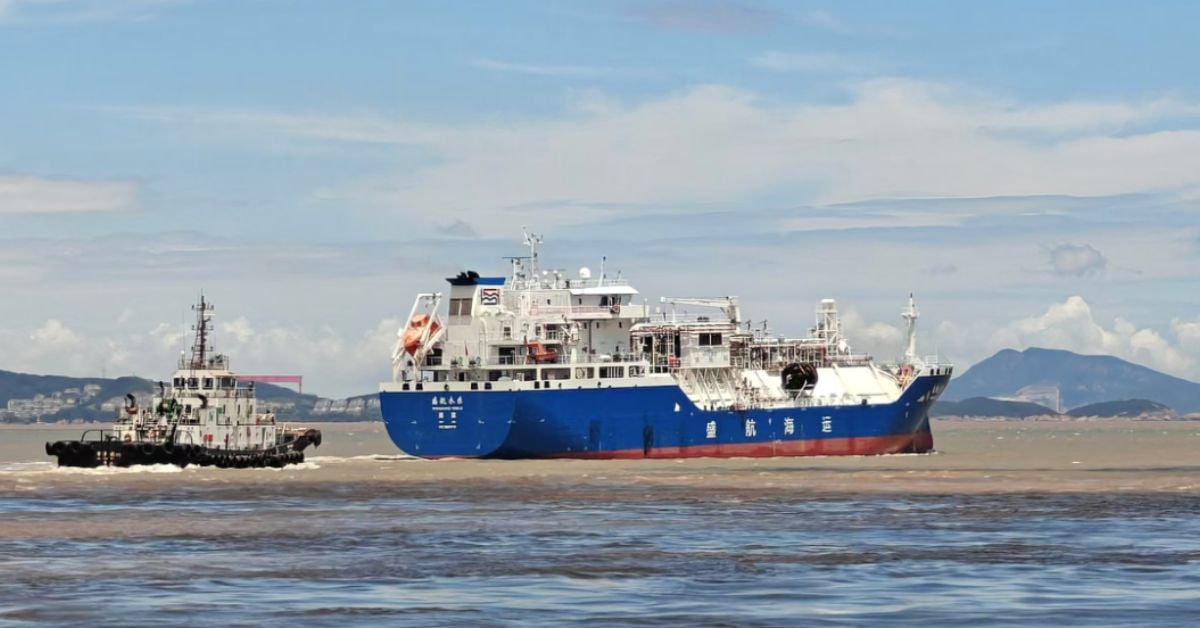
Ammonia Bunkering Vessel Launches, Advancing Sustainable Maritime Fuel Transition
The conversion of the FKAB Marine Design L21 carrier *Shenghang Yongle* into an ammonia bunkering vessel marks a measured step forward for sustainable maritime fuel. This is not spectacle; it is calibrated infrastructure taking shape. Ship-to-ship liquid ammonia refueling requires precision, and this launch delivers that capability. The industry needs practical pathways, not promises. We see this as a signal that the transition is being built, not just discussed.
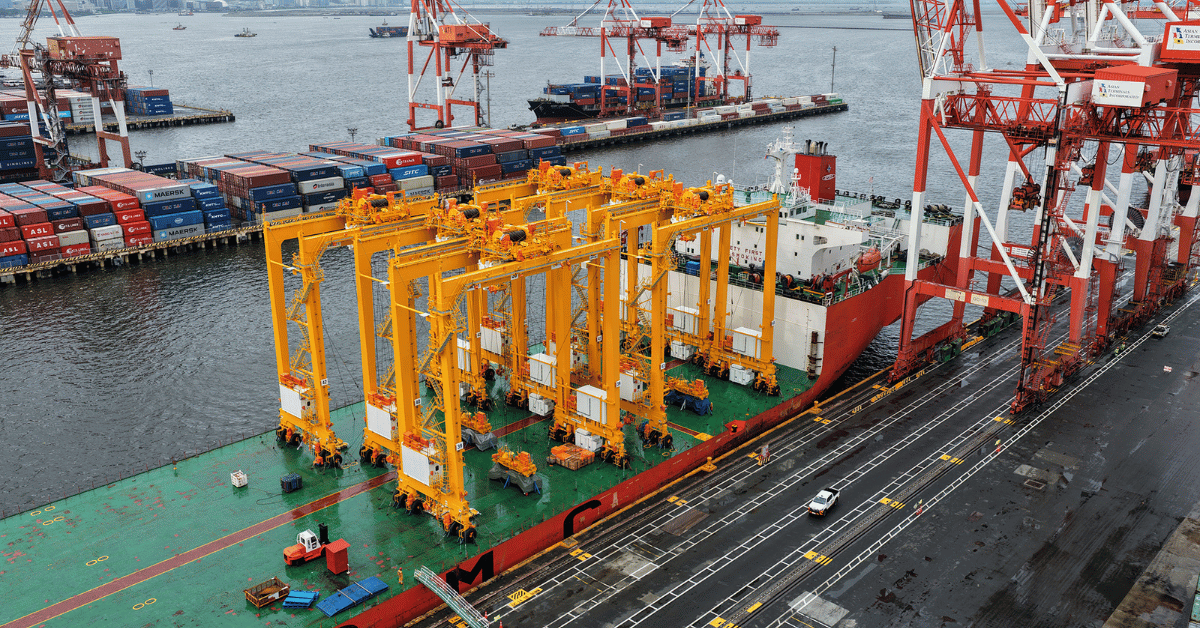
Boosting Manila's Port Capacity with Hybrid, Low-Emission Cranes
Manila South Harbour's new hybrid RTG cranes represent a calibrated step toward measurable decarbonisation in port operations. DP World and Asian Terminals have commissioned six low-emission units that boost capacity and safety without sacrificing operational integrity. This is empirical progress, integrated infrastructure that reduces emissions while strengthening throughput. For broader context on global port modernisation, our coverage of Paradip Port's designation as a Mega Port offers a parallel example of strategic maritime growth. Understanding drives protection, and these cranes deliver both.
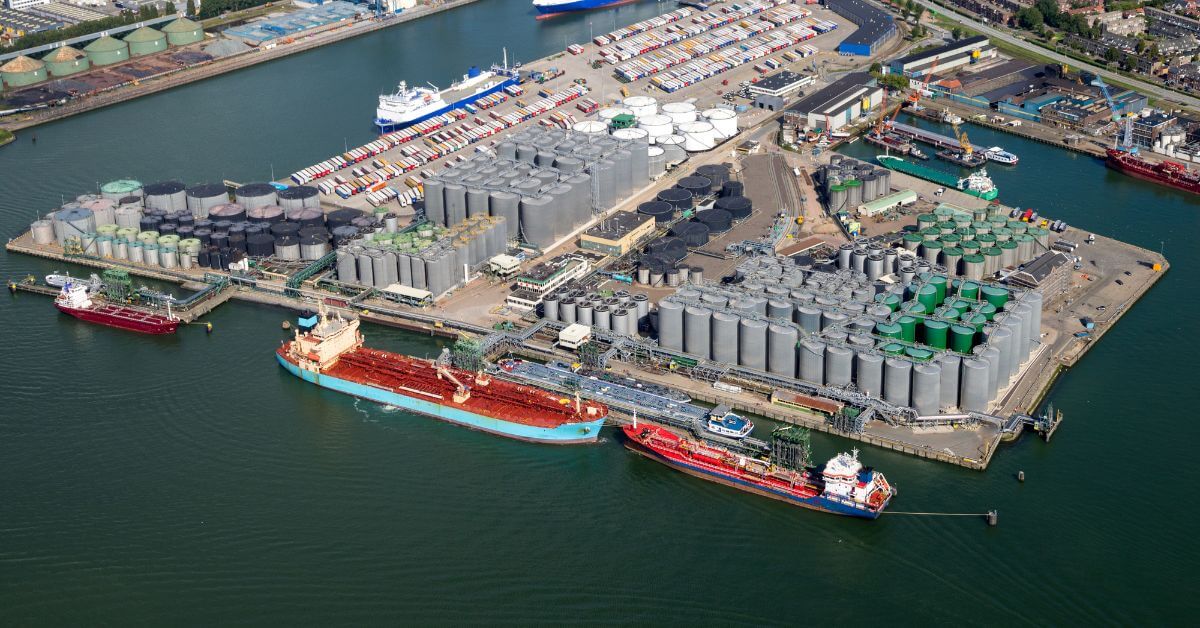
European Port Disruptions Impact Shipping and Integrated Supply Chains
Port-level disruption is rarely a local story. When Hapag-Lloyd confirms that strikes are hitting vessel operations, terminal work, and inland cargo movement at German ports, the ripple effect lands directly on integrated supply chains across Europe. This is where ocean intelligence meets operational reality. The bottleneck is not just a scheduling headache; it is a measurable test of how resilient our logistics networks truly are. We will be watching how carriers recalibrate, and how ports respond.
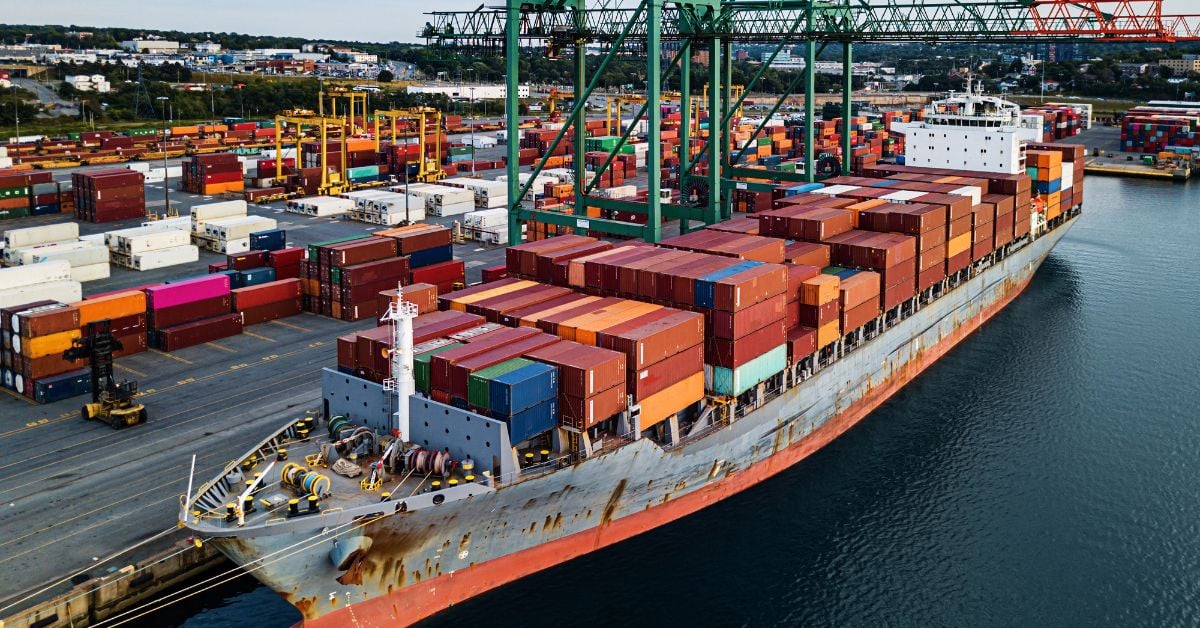
Strategic Automation: Smaller Ports Achieve Efficiency Incrementally.
A single gate. One system. A single problem solved. That is how smaller ports are approaching automation, and it is working. Incremental change delivers measurable gains without the risk of a full-scale overhaul. This pragmatic path matters as global trade shifts. For context on how much is at stake, China's record port activity shows the pressure building elsewhere. But here, the focus stays local. Strategic automation is not about doing everything at once. It is about starting, calibrating, and building real momentum from validated progress.
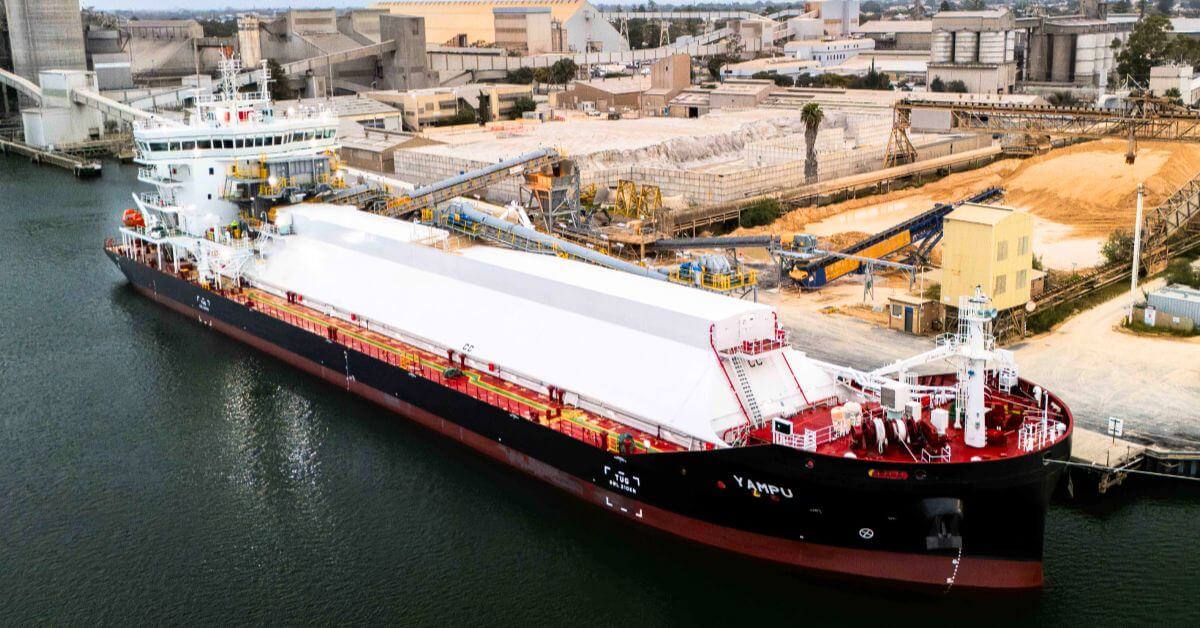
Optimized Limestone Transport: New Vessel Boosts Capacity and Sustainability.
A 35% increase in annual limestone carrying capacity is a measurable step forward for sustainable material transport. Adbri's new vessel, set to replace MV Accolade II, delivers that gain without compromising operational efficiency. This is the kind of practical, validated progress that moves ocean logistics closer to its climate commitments. For context on how vessel movements intersect with coastal risk, our recent coverage of the bulk carrier freed near Gladstone offers a timely look at the region's operational challenges.
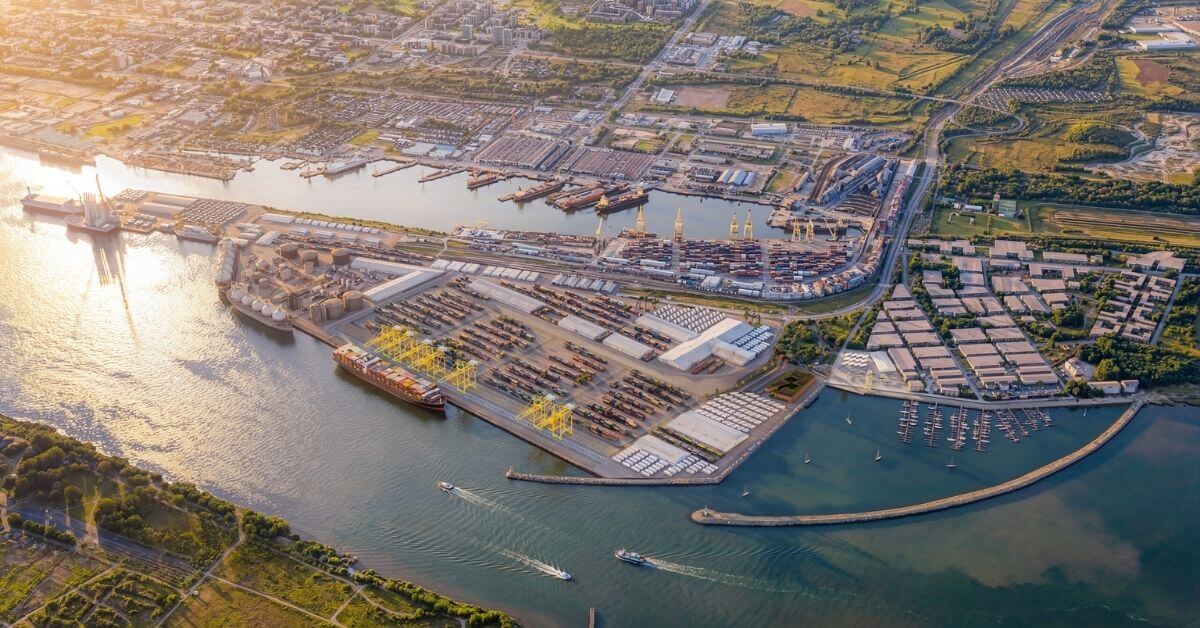
Port Expansion Balances Growth and Lagoon Ecosystem Protection
The Curonian Lagoon's ecosystem hangs in a delicate balance, and this port expansion acknowledges that reality head-on. By designing breakwaters to limit saltwater intrusion, the project treats economic growth and environmental protection as integrated goals, not competing interests. It is a measured approach, one that prioritizes long-term resilience over short-term gains. For readers tracking how maritime infrastructure adapts to ecological pressures, our coverage of Paradip Port Designated a Mega Port offers a parallel look at how expansion shapes regional strategy.
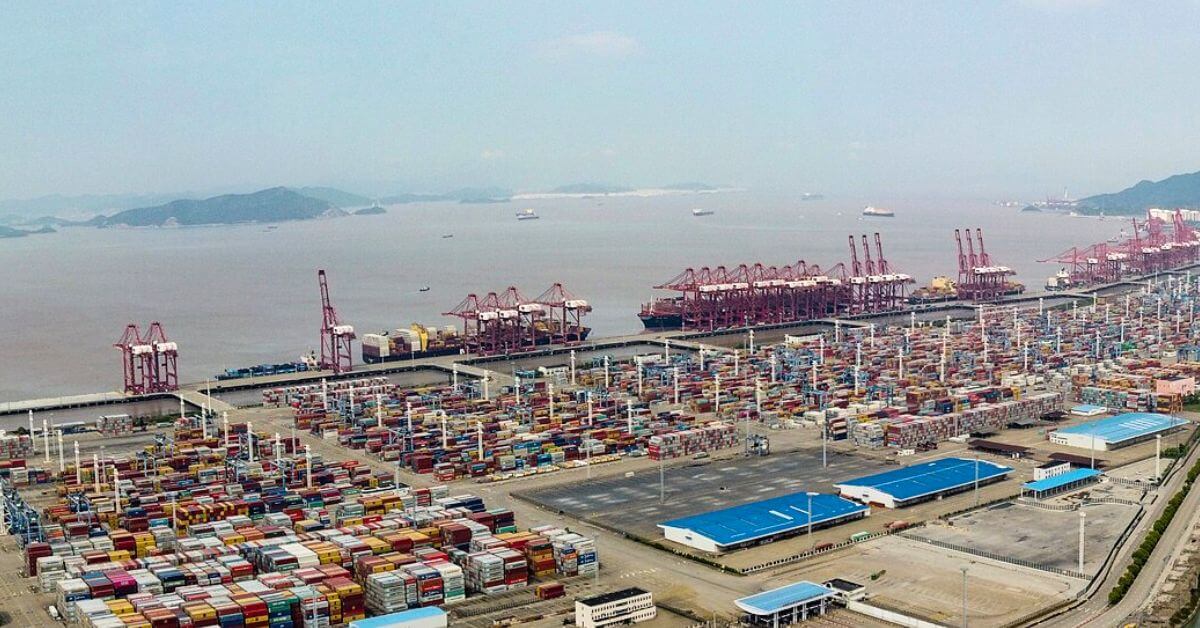
Ningbo-Zhoushan Port Surpasses Singapore, Securing Second Place Globally.
Ningbo-Zhoushan Port moved up the global ranks with 22.90 million TEU in the first half of 2026, an 8.8% year-on-year gain that places it second worldwide. This is what measured, data-driven progress looks like. Singapore's loss is not a setback but a signal of shifting trade currents. For readers tracking maritime momentum, our related piece on Paradi Port's new Mega Port status offers useful context. Growth at this scale demands calibrated investment, and China's port network is delivering it.

Fatal Incident at Baltimore’s Dundalk Marine Terminal Under Investigation
Authorities have yet to confirm the equipment or sequence of events behind the fatal incident at Baltimore's Dundalk Marine Terminal, leaving the maritime community in a familiar state of unease. Uncertainty of this kind is unsettling, but it also underscores why rigorous, transparent investigation matters. We expect the findings to be precise and actionable, not speculative. For broader context on port operations and infrastructure challenges, our coverage of Paradip Port's recent designation offers a useful counterpoint.

Mundra Port Facilitates Record Edible Oil Delivery from Argentina.
Mundra Port has set a new benchmark with the record edible oil delivery from Argentina, discharged through its liquid bulk infrastructure under established safety protocols. It's a straightforward demonstration of operational precision aligning with global trade demands. For readers tracking maritime momentum, our coverage of Paradip Port's recent designation as a mega port offers useful context on regional growth. Together, these developments underscore India's expanding role in efficient, reliable cargo handling.

China’s Five-Year Plan: Transforming Ports Through Integrated Maritime Strategy
China's latest Five-Year Plan prioritizes major maritime gateways first, then targets underperforming ports for closure. That sequencing is pragmatic, but the mandate to shutter low performers signals a harder edge in Beijing's maritime strategy. Efficiency, not sentiment, will steer port investment. This aligns with broader shifts in regional logistics, such as the Gulf of Oman STS Transfers Max Out Amid Rising Saudi Oil Exports, where capacity constraints are already reshaping trade flows.