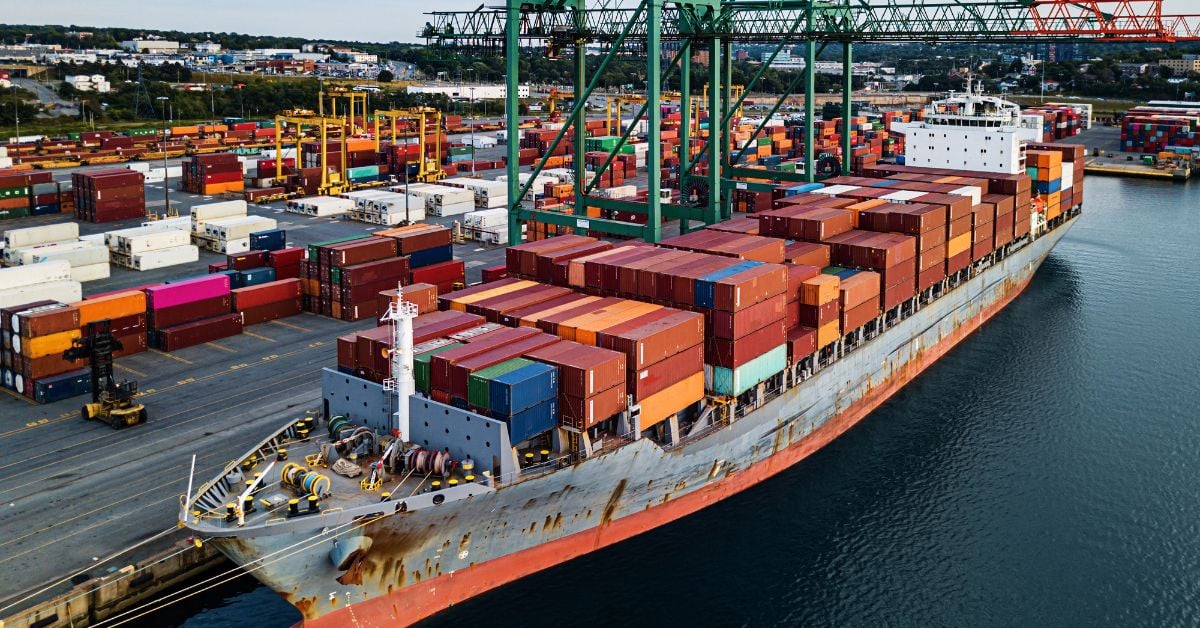
The most valuable technology adoption is often the quietest one. While headlines tend to celebrate the full-scale digital transformation of mega-terminals, the more meaningful story is unfolding at smaller ports that are choosing to automate one gate, one system, and one problem at a time. This incremental approach is not a lack of ambition; it is a form of strategic intelligence. It acknowledges that operational resilience is built on solved problems, not on the volume of installed hardware. For an industry that is frequently pressured to modernize overnight, this measured pace is a refreshing form of discipline.
This approach becomes even more relevant when viewed alongside the recent declaration of Paradip Port Designated a Mega Port, Anchors Eastern India's Maritime Growth. As larger facilities scale up to handle massive capacity increases, the pressure on smaller ports to act as overflow or specialized hubs intensifies. They cannot compete on sheer size, but they can win on agility. By solving a single bottleneck, such as a truck turnaround process or a documentation workflow, they can offer a level of service that is both measurable and reliable. Meanwhile, the record volumes at Chinese ports, as noted in the Record Port Activity Reflects Rising Chinese Exports Amid Trade Uncertainty, demonstrate that global trade continues to put physical strain on infrastructure. For a smaller port, the goal is not to chase those numbers but to ensure that every vessel that does call can be turned around with precision.
Our read on this is direct: start with the problem that costs the most or hurts the most, and let the data from that single integration guide the next move. A port that automates one gate successfully is not just buying a new system; they are building internal expertise and confidence. They are also creating a financial model that is easier to defend to stakeholders who are wary of large capital expenditures. This is the difference between a technology project and an operational improvement. The former is a cost center; the latter is an investment with a clear, logical return. We would tell a port operator asking for advice to ignore the vendors selling a complete ecosystem and instead ask which single metric they want to improve by the end of the quarter.
The practical consequence here is that the barrier to entry for automation is lower than it appears. The real risk is not in starting small, but in waiting for the perfect, all-encompassing solution that never arrives. The ports that will thrive in this environment are those that treat digitalization as a continuous, iterative practice rather than a final destination. As we consider the broader push for Integrated Response Saves 25 Seafarers After Container Ship Distress, the lesson is that effective response and efficiency are built on clear, uncluttered processes. The specific detail to watch is which smaller ports move from a single automated gate to a second, because that choice will signal whether they have genuinely adopted the logic of incremental improvement or simply checked a box. That second step is where real efficiency gains become measurable.